
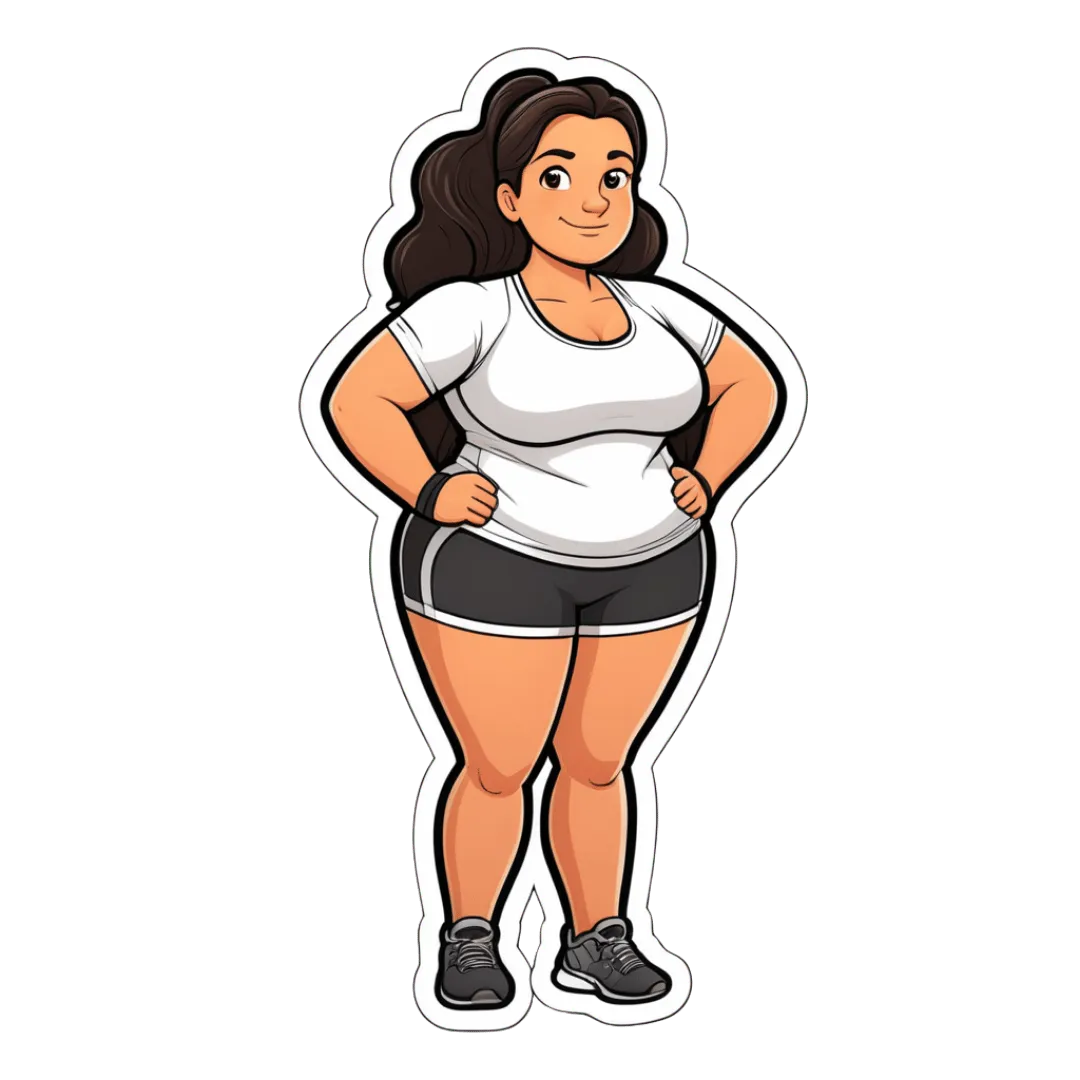
GLP-1 RAs For Weight Loss (But How Much Of That Loss Is Muscle?)

10almonds is reader-supported. We may, at no cost to you, receive a portion of sales if you purchase a product through a link in this article.

First introduced as a diabetes medication, GLP-1 drugs quickly took hold for off-label use as weight loss aids, even when the science was still very young.

Here’s one of our first articles on that, back in the day: Semaglutide’s Surprisingly Big Research Gap

As for that popularity? Check out: 1 in 5 US Women Aged 50–64 Has Used GLP-1 RAs: What We’ve Learned

Spoiler, one of the things we’ve learned is: Most People Who Start GLP-1 RAs Quit Them Within A Year (Here’s Why)

One of the main things in their favor is, of course, that (for most people, anyway), they work (except when they don’t: Why Intermittent Fasting (& GLP-1 Drugs!) Might Not Work For You).

But it seems that even that comes with a drawback of its own, and in this case, it’s a drawback that keeps on giving taking.

Wrong weight loss!

Recent research has shown that 25–40% of the weight lost on GLP-1 drugs comes from fat-free mass (mostly muscle), compared to only 8% per decade lost naturally with age.

As we wrote about in an older article of ours:

Of the four studies that actually looked at the macros (unlike most studies), they found that on average, protein intake decreased by 17.1%. Which is a big deal!

It’s an especially big deal, because while protein’s obviously important for everyone, it’s especially important for anyone trying to lose weight, because muscle mass is a major factor in metabolic base rate—which in turn is much important for fat loss/maintenance than exercise, when it comes to how many calories we burn by simply existing.

A reasonable hypothesis, therefore, is that one of the numerous reasons people who quit GLP-1 agonists immediately put fat back on, is because they probably lost muscle mass in amongst their weight loss, meaning that their metabolic base rate will have decreased, meaning that they end up more disposed to put on fat than before.❞

Read in full: Semaglutide’s Surprisingly Big Research Gap ← our older article that we quoted above

And now the very latest research (by Dr. Charlotte Suetta et al.) puts even more weight behind our hypothesis that we wrote about back in the day, and adds new numbers to it.

All incretin-based drugs (GLP-1–related therapies) tested were associated with a higher proportion of muscle loss relative to total weight loss compared with placebo or lifestyle interventions.

As for the numbers: the median proportion of weight loss from muscle-related tissue was 34.9%, with 68% of studies exceeding the 25% benchmark.

Since, as we said, muscle plays a key role in metabolism, glucose regulation, energy expenditure, and immune function, this becomes quite dire, because its loss can keep on self-perpetuating down the line as metabolic health worsens.

In the words of Dr. Suetta herself:

Treatment success should not be defined by kilograms lost alone. This is particularly true in older adults and in patients with low muscle reserve or functional limitations.

The question is no longer whether incretin-based therapies reduce body weight; the question now is whether we can ensure that the weight lost is predominantly fat while preserving the muscle needed for metabolic health, physical function and healthy aging.❞

You can find her paper itself, here: Beyond Weight Loss: Preserving Muscle in the Era of Incretin Therapy

As well as a systematic review that found the same: Effect of Incretin-Based and Nonpharmacologic Weight Loss on Body Composition: A Systematic Review

And if you’d prefer to do better, then consider: The 5 Training Rules To Build Your Metabolism (Not Just Lose Weight)

And if you like books, then we highly recommend: Strong: The Definitive Guide To Active Ageing – by Jacqueline HootonThe author, herself in her 60s, knows her stuff when it comes to fitness (female fitness in particular) and aging (or: ageing, as you’ll see in this book, with its British English).

Want to learn more?

You might also like this one that we reviewed a little while back:

Magic Pill: The Extraordinary Benefits and Disturbing Risks of the New Weight-Loss Drugs – by Johann Hari

Take care!

Don’t Forget…

Did you arrive here from our newsletter? Don’t forget to return to the email to continue learning!
Learn to Age Gracefully

Join the 98k+ American women taking control of their health & aging with our 100% free (and fun!) daily emails:

  • Cherries vs Elderberries – Which is Healthier?

    10almonds is reader-supported. We may, at no cost to you, receive a portion of sales if you purchase a product through a link in this article.

    Our Verdict

    When comparing cherries to elderberries, we picked the elderberries.

    Why?

    Both are great! But putting them head-to-head…

    In terms of macros, cherries have slightly more protein (but we are talking miniscule numbers here, 0.34mg/100g), while elderberries have moderately more carbs and more than 4x the fiber. This carbs:fiber ratio difference means that elderberries have the lower glycemic index by far, as well as simply more grams/100g fiber, making this an easy win for elderberries.

    In the category of vitamins, cherries have more of vitamins A, B9, E, K, and choline, while elderberries have more of vitamins B1, B2, B3, B6, and C. The margins of difference mean that elderberries have the very slightly better overall vitamin coverage, but it’s so slight that we’ll call this a 5:5 tie.

    When it comes to minerals, cherries have more copper, magnesium, and manganese, while elderberries have more calcium, iron, phosphorus, potassium, selenium, and zinc. A nice easy win to top it off for elderberries.

    On the polyphenols (and other phytochemicals) front, both are great in different ways, nothing that’d we’d consider truly sets one ahead of the other.

    All in all, adding up the sections, an overall win for elderberries, but by all means enjoy either or both!

    Want to learn more?

    You might like to read:

    Take care!

    Share This Post

  • Resistance Is Useful! (Especially As We Get Older)

    10almonds is reader-supported. We may, at no cost to you, receive a portion of sales if you purchase a product through a link in this article.

    Resistance Is Useful!

    At 10almonds we talk a lot about the importance of regular moderate exercise (e.g. walking, gardening, housework, etc), and with good reason: getting in those minutes (at least 150 minutes per week, so, a little over 20 minutes per day, or 25 minutes per day with one day off) is the exericise most consistently linked to better general health outcomes and reduced mortality risk.

    We also often come back to mobility, because at the end of the day, being able to reach for something from a kitchen cabinet without doing oneself an injury is generally more important in life than being able to leg-press a car.

    Today though, we’re going to talk about resistance training.

    What is resistance training?

    It can be weight-lifting, or it can be bodyweight exercises. In those cases, what you’re resisting is gravity. It can also be exercises with resistance bands or machines. In all cases, it’s about building and/or maintaining strength.

    Why does it matter?

    Let’s say you’re not an athlete, soldier, or laborer, and the heaviest thing you have to pick up is a bag of groceries. Strength still matters, for two main reasons:

    • Muscle strength correlates to bone strength. You can’t build (or maintain) strong muscles on weak bones, so if you take care of your muscles, then your body will keep your bones strong too.
      • That’s assuming you have a good diet as well—but today’s not about that. If you’d like to know more about eating for bone health though, do check out this previous article about that!
    • Muscle strength correlates to balance and stability. You can’t keep yourself from falling over if you are physically frail.

    Both of those things matter, because falls and fractures often have terrible health outcomes (e.g., slower recovery and more complications) the older we get. So, we want to:

    • Ideally, not fall in the first place
    • If we do fall, have robust bones

    See also: Effects of Resistance Exercise on Bone Health

    How much should we do?

    Let’s go to the Journal of Strength and Conditioning Research on this one:

    ❝There is strong evidence to support the benefits of resistance exercise for countering many age-related processes of sarcopenia, muscle weakness, mobility loss, chronic disease, disability, and even premature mortality.

    In addition, this Position Statement provides specific evidence-based practice recommendations to aid in the implementation of resistance exercise programs for healthy older adults and those with special considerations.

    While there are instances where low-intensity, low-volume programs are appropriate (i.e., beginning programs for individuals with frailty or CVDs), the greatest benefits are possible with progression to moderate to higher intensity programs.❞

    ~ Fragala et al

    Read the statement in full:

    Resistance Training for Older Adults: Position Statement From the National Strength and Conditioning Association

    There’s a lot of science there and it’s well worth reading if you have the time. It’s particularly good at delineating how much is not enough vs how much is too much, and the extent to which we should (or shouldn’t) train to exhaustion.

    If you don’t fancy that, though, and/or just want to start with something accessible and work your way up, the below is a very good (and also evidence-based) start-up plan:

    Healthline’s Exercise Plan For Seniors—For Strength, Balance, & Flexibility

    (it has a weekly planner, step-by-step guides to the exercises, and very clear illustrative animations of each)

    Share This Post

  • If We Had A Nickel For Every Time We Were Asked About Nickel Poisoning…

    10almonds is reader-supported. We may, at no cost to you, receive a portion of sales if you purchase a product through a link in this article.

    It’s Q&A Day at 10almonds!

    Have a question or a request? We love to hear from you!

    In cases where we’ve already covered something, we might link to what we wrote before, but will always be happy to revisit any of our topics again in the future too—there’s always more to say!

    No question/request too big or small 😎

    ❝I was just reading something about nickel poisoning. It’s not anything I had come across before. Is it very common and is it something people should be wary of?❞

    If we had a nickel for every time we were asked about nickel poisoning, then we’d have one nickel, but it’s a good question and worthy of exploring.

    So…

    In most cases, nickel’s health risk is more about its allergenic properties, than its toxicity per se.

    Nickel allergy is a form of contact dermatitis in which your immune system reacts to nickel after skin contact, most commonly causing an itchy rash at the point of exposure, though it can get worse. For example, symptoms usually appear within 1–3 days after contact and may include a rash, bumps, severe itching, skin discoloration, dry cracked skin, blisters, and/or fluid drainage.

    This is mostly about piercings, jewelry, and accessories such as belts or wristwatches, though there are plenty of other possible sources (including, yes, the US coin of the same name, which usually contains 25% nickel). Inconveniently, other sources include various pieces of medical/dental kit, so do watch out for those.

    However, sometimes it really is about poisoning, and nickel’s toxicity.

    Nick poisoning is usually about nickel carbonyl, whose ingestion or inhalation can cause all manner of woes, for example, as the Journal of the American Medical Association (JAMA) details:

    ❝An industrial accident is described in which 100 oil refinery workers were exposed to nickel-carbonyl, 31 were hospitalized, and 3 died.

    Mild initial symptoms are listed, including headache, vertigo, nausea, and local pains. Delayed reactions are described, including constrictive chest pain, cough, pneumonia like symptoms, stomach pains, nausea, and weakness.

    Death between 4 and 11 days after exposure is noted. The presence of nickel in tobacco, and the formation of nickel-carbonyl during smoking are discussed.❞

    You can find the JAMA article’s entry here: Nickel May Be Potentially Hazardous to Health

    And you can find a lot more information on the UK’s “Health & Security Agency” website, here:

    So all this to say, it’s definitely something that it’s well worth knowing about and avoiding!

    You can also learn more about its other also-dangerous forms, here: Nickel; a metal with threats to human health, focusing on its intoxication mechanisms

    Want to learn more?

    For a much deeper dive into the broader topic of avoiding the toxins the industrial world is keen to throw our way, you might like this book that we reviewed a little while back:

    Healthy Living in a Contaminated World – by Dr. Donald Hoernschemeyer

    Take care!

    Share This Post

  • Lemon Balm For Stressful Times And More

    10almonds is reader-supported. We may, at no cost to you, receive a portion of sales if you purchase a product through a link in this article.

    Balm For The Mind: In More Ways Than One!

    Lemon balm(Melissa officinalis) is quite unrelated to lemons, and is actually a closer relative to mint. It does have a lemony fragrance, though!

    You’ll find it in a lot of relaxing/sleepy preparations, so…

    What does the science say?

    Relaxation

    Lemon balm has indeed been found to be a potent anti-stress herb. Laboratories that need to test anything to do with stress generally create that stress in one of two main ways:

    • If it’s not humans: a forced swimming test that’s a lot like waterboarding
    • If it is humans: cognitive tests completed under time-pressure while multitasking

    Consequently, studies that have set out to examine lemon balm’s anti-stress potential in humans, have often ended up also highlighting its potential as a cognitive enhancer, like this one in which…

    ❝Both active lemon balm treatments were generally associated with improvements in mood and/or cognitive performance❞

    ~ Dr. Anastasia Ossoukhova et al.

    Read in full: Anti-Stress Effects of Lemon Balm-Containing Foods

    And this one, which found…

    ❝The results showed that the 600-mg dose of Melissa ameliorated the negative mood effects of the DISS, with significantly increased self-ratings of calmness and reduced self-ratings of alertness.

    In addition, a significant increase in the speed of mathematical processing, with no reduction in accuracy, was observed after ingestion of the 300-mg dose.❞

    ~ Dr. Wendy Little et al.

    The appropriately named “DISS” is the Defined Intensity Stress Simulation we talked about.

    Read more: Attenuation of laboratory-induced stress in humans after acute administration of Melissa officinalis (Lemon Balm)

    Sleep

    There’s a lot less research for lemon balm’s properties in this regard than for stress/anxiety, and it’s probably because sleep studies are much more expensive than stress studies.

    It’s not for a lack of popular academic interest—for example, typing “Melissa officinalis” into PubMed (the vast library of studies we often cite from) autosuggests “Melissa officinalis sleep”. But alas, autosuggestions do not Randomized Controlled Trials make.

    There are some, but they’re often small, old, and combined with other things, like this one:

    A combination of valerian and lemon balm is effective in the treatment of restlessness and dyssomnia in children

    This is interesting, because generally speaking there is little to no evidence that valerian actually helps sleep, so if this mixture worked, we might reasonably assume it was because of the lemon balm—but there’s an outside chance it could be that it only works in the presence of valerian (unlikely, but in science we must consider all possibilities).

    Beyond that, we just have meta-reviews to work from, like this one that noted:

    ❝M. officinalis contains several phytochemicals such as phenolic acids, flavonoids, terpenoids, and many others at the basis of its pharmacological activities. Indeed, the plant can have antioxidant, anti-inflammatory, antispasmodic, antimicrobial, neuroprotective, nephroprotective, antinociceptive effects.

    Given its consolidated use, M. officinalis has also been experimented with clinical settings, demonstrating interesting properties against different human diseases, such as anxiety, sleeping difficulties, palpitation, hypertension, depression, dementia, infantile colic, bruxism, metabolic problems, Alzheimer’s disease, and sexual disorders. ❞

    ~ Dr. Cristina Quispe et al.

    You see why we don’t try to cover everything here, by the way!

    But if you want to read this one in full, you can, at:

    An Updated Review on The Properties of Melissa officinalis L.: Not Exclusively Anti-anxiety

    Is it safe?

    Lemon balm is generally recognized as safe, and/but please check with your doctor/pharmacist in case of any contraindications due to medicines you may be on or conditions you may have.

    Want to try some?

    We don’t sell it, but here for your convenience is an example product on Amazon

    Want to know your other options?

    You might like our previous main features:

    What Teas To Drink Before Bed (By Science!)

    and

    Safe Effective Sleep Aids For Seniors

    Enjoy!

    Don’t Forget…

    Did you arrive here from our newsletter? Don’t forget to return to the email to continue learning!

    Learn to Age Gracefully

    Join the 98k+ American women taking control of their health & aging with our 100% free (and fun!) daily emails:

  • How To Stay In Shape At 70

    10almonds is reader-supported. We may, at no cost to you, receive a portion of sales if you purchase a product through a link in this article.

    Questions and Answers at 10almonds

    Have a question or a request? You can always hit “reply” to any of our emails, or use the feedback widget at the bottom!

    This newsletter has been growing a lot lately, and so have the questions/requests, and we love that! In cases where we’ve already covered something, we might link to what we wrote before, but will always be happy to revisit any of our topics again in the future too—there’s always more to say!

    As ever: if the question/request can be answered briefly, we’ll do it here in our Q&A Thursday edition. If not, we’ll make a main feature of it shortly afterwards!

    So, no question/request too big or small

    I have a question: what are the pros and cons of older people (60+) taking creatine every day?

    It depends what else you’re doing, as creatine mostly helps the muscles recover after exercise. So:

    • iff you’re doing resistance training (such as weights or bodyweight training), or HIIT (High Intensity Interval Training), then creatine monohydrate may help you keep at that and keep doing well.
    • if you’re just doing light-to-moderate exercises, you might not get much benefit from creatine!

    The topic merits diving deeper though, so we’ll queue that for one of our “Research Review Monday” days!

    I wanted to ask if you think marine collagen is decent to take. I’ve heard a lot of bad press about it

    We don’t know what you’ve heard, but generally speaking it’s been found to be very beneficial to bones, joints, and skin! We wrote about it quite recently on a “Research Review Monday”:

    See: We Are Such Stuff As Fish Are Made Of

    Natural alternatives to medication for depression?

    Great question! We did a mean feature a while back, but we definitely have much more to say! We’ll do another main feature soon, but in the meantime, here’s what we previously wrote:

    See: The Mental Health First-Aid That You’ll Hopefully Never Need

    ^This covers not just the obvious, but also why the most common advice is not helpful, and practical tips to actually make manageable steps back to wellness, on days when “literally just survive the day” is one’s default goal.

    I am now in the “aging” population. A great concern for me is Alzheimers. My father had it and I am so worried. What is the latest research on prevention?

    One good thing to note is that while Alzheimer’s has a genetic component, it doesn’t appear to be hereditary per se. Still, good to be on top of these things, and it’s never too early to start with preventive measures!

    You might like a main feature we did on this recently:

    See: How To Reduce Your Alzheimer’s Risk

    Side effects of statins, are they worth it? Depression, are antidepressants worth it?

    About statins, that depends a lot on you, your circumstances, and—as it happens—your gender. We covered this in a main feature recently, but a short answer is: for most people, they may not be the best first choice, and could even make things worse. For some people, however, they really are just what’s needed.

    • Factors that make them more likely better for you: being a man, or having atherosclerosis
    • Factors that make them more likely worse for you: being a woman in general

    Check out the main feature we did: Statins: His & Hers?

    As for antidepressants? That depends a lot on you, your physiology, your depression, your circumstances, and more. We’ll definitely do a main feature on that sometime soon, as there’s a lot that most people don’t know!

    I am interested in the following: Aging, Exercise, Diet, Relationships, Purpose, Lowering Stress

    You’re going to love our Psychology Sunday editions of 10almonds!

    You may particularly like some of these:

    (This coming Psychology Sunday will have a feature specifically on stress, so do make sure to read that when it comes out!)

    Hair growth strategies for men combing caffeine and minoxidil?

    Well, the strategy for that is to use caffeine and minoxidil! Some more specific tips, though:

    • Both of those things need to be massaged (gently!) into your scalp especially around your hairline.
      • In the case of caffeine, that boosts hair growth. No extra thought or care needed for that one.
      • In the case of minoxidil, it reboots the hair growth cycle, so if you’ve only recently started, don’t be surprised (or worried) if you see more shedding in the first three months. It’s jettisoning your old hairs because new ones were just prompted (by the minoxidil) to start growing behind them. So: it will get briefly worse before it gets better, but then it’ll stay better… provided you keep using it.
    • If you’d like other options besides minoxidil, finasteride is a commonly prescribed oral drug that blocks the conversion of testosterone to DHT, which latter is what tells your hairline to recede.
    • If you’d like other options besides prescription drugs, saw palmetto performs comparably to finasteride (and works the same way).
      • You may also want to consider biotin supplementation if you don’t already enjoy that
    • Consider also using a dermaroller on your scalp. If you’re unfamiliar, this is a device that looks like a tiny lawn aerator, with many tiny needles, and you roll it gently across your skin.
      • It can be used for promoting hair growth, as well as for reducing wrinkles and (more slowly) healing scars.
      • It works by breaking up the sebum that may be blocking new hair growth, and also makes the skin healthier by stimulating production of collagen and elastin (in response to the thousands of microscopic wounds that the needles make).
      • Sounds drastic, but it doesn’t hurt and doesn’t leave any visible marks—the needles are that tiny. Still, practise good sterilization and ensure your skin is clean when using it.

    See: How To Use A Dermaroller ← also explains more of the science of it

    PS: this question was asked in the context of men, but the information goes the same for women suffering from androgenic alepoceia—which is a lot more common than most people think!

    How to get to sleep at night as fast and as naturally as possible? Thank you!

    We’ll definitely write more on that! You might like these articles we wrote already, meanwhile:

    Q: How to be your best self after 60: Self motivation / Avoiding or limiting salt, sugar & alcohol: Alternatives / Ways to sneak in more movements/exercise

    …and, from a different subscriber…

    Q: Inflammation & over 60 weight loss. Thanks!

    Here are some of our greatest hits on those topics:

    Also, while we’ve recommended a couple of books on stopping (or reducing) drinking, we’ve not done a main feature on that, so we definitely will one of these days!

    Don’t Forget…

    Did you arrive here from our newsletter? Don’t forget to return to the email to continue learning!

    Learn to Age Gracefully

    Join the 98k+ American women taking control of their health & aging with our 100% free (and fun!) daily emails:

  • Radiation-Eating, Mind Control, & Other Secret Superpowers Of Fungi

    10almonds is reader-supported. We may, at no cost to you, receive a portion of sales if you purchase a product through a link in this article.

    Fungi are more closely related to animals than to plants, though in truth they are neither, and cannot be killed in a way that matters:

    Decay exists as an extant form of life

    The fungal kingdom ranges from athlete’s foot to mushrooms to the underground mycorrhizal network that allows trees to communicate with each other and share nutrients.

    About that last one… Yes, really! Many plants depend on mycorrhizal fungi, which exchange soil nutrients such as phosphorus and nitrogen for carbon produced by plants, as ectomycorrhizal fungi surround roots, while arbuscular mycorrhizal fungi penetrate root cells to facilitate nutrient exchange. This symbiosis also means that when it comes to knowing* what’s happening, the fungus functions as though part of the plant, meaning that if more than one plant is connected to the same mycorrhizal network (as is almost always the case in the wild), then each plant has the same information as the entire network.

    *Without getting too sidetracked, we’ll quickly mention that despite not having brains, yes, plants do process information, using various kinds of chemical signalling similar to animals’ use of hormones and pheromones, electrical signalling, and more. And yes, that includes sensory information, because plants are very receptive to light and dark, and thus can (to varying degrees) “see”. Perhaps the most clear example of this is Boquila trifoliolata, a plant known for mimicking the appearance of nearby plants. Researchers got curious (as researchers do), and placed one next to a plastic plant (so: no mycorrhizal or otherwise chemical signalling can be happening), and yes, it mimicked the leaf shape and color of the artificial plant that it evidently could indeed see. Fun stuff!

    You can read more about that one here, if you’re interested: Boquila trifoliolata mimics leaves of an artificial plastic host plant

    Now, back to fungi:

    Fungi were once classified as plants because many grow from the soil on branching, root-like networks, but they differ fundamentally in biology, for example:

    • Most people know that unlike plants, fungi don’t use sunlight for energy but instead decompose organic matter or obtain nutrients from living organisms.
    • Most people don’t know that fungal cell walls are made of chitin (the same material found in the exoskeletons of insects, arachnids, and the like) rather than cellulose as in plants.

    On which note, yes, many fungi produce compounds including antibiotics, toxins, and psychedelic chemicals to defend themselves, exploit other organisms, or manipulate their surroundings, including:

    • Altering minds: mushrooms in the Psilocybe genus produce psilocybin, which binds to serotonin receptors and causes hallucinations in humans, though it likely evolved to discourage grazing by slugs and snails.
    • Zombifying ants: many Cordyceps fungi infect ants, alter their nervous systems and muscles, compel them to climb to elevated locations, and then release millions of spores from their bodies.
    • Eating radiation: some fungi thrive in harsh environments, including the radioactive ruins of Chernobyl nuclear power plant, where at least 37 fungal species have been identified, and studies aboard the International Space Station found that fungi such as Cryptococcus neoformans can convert absorbed gamma radiation into usable energy.

    For more on all of this, enjoy:

    Click Here If The Embedded Video Doesn’t Load Automatically!

    Want to learn more?

    You might also like:

    The Magic Of Mushrooms: “The Longevity Vitamin” (That’s Not A Vitamin) ← about ergothioneine, of which mushrooms are an excellent source

    What kind of mushrooms? All kinds, but please stick to non-poisonous ones!

    Take care!

    Don’t Forget…

    Did you arrive here from our newsletter? Don’t forget to return to the email to continue learning!

    Learn to Age Gracefully

    Join the 98k+ American women taking control of their health & aging with our 100% free (and fun!) daily emails: