
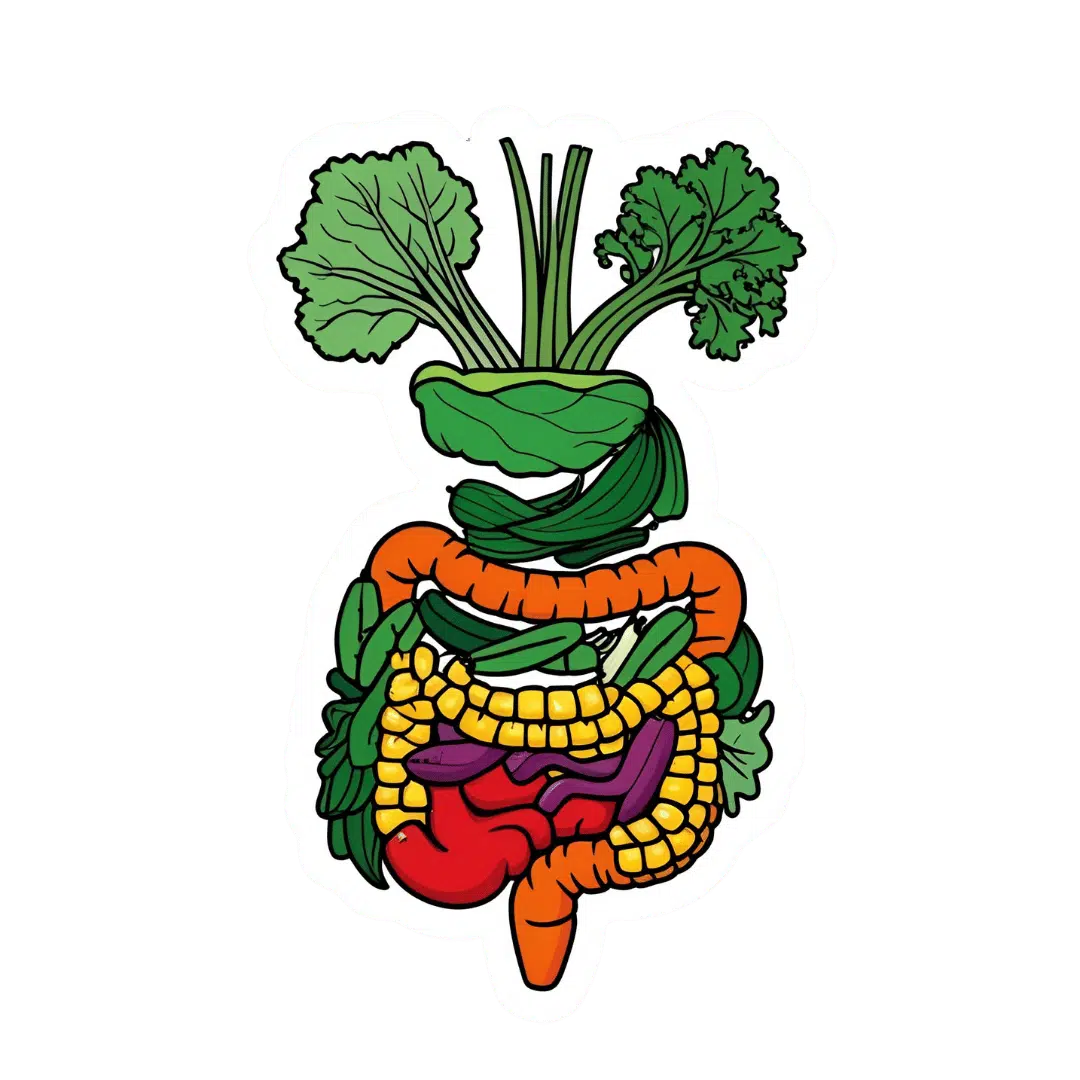
The Gut Bacteria That Improve Your General Decision-Making In Life

10almonds is reader-supported. We may, at no cost to you, receive a portion of sales if you purchase a product through a link in this article.

As one YouTube commenter said, “Trust your gut, but make sure you have a trustworthy gut first”!

Dr. Tracey Marks, psychiatrist, explains how:

Gut feelings and more

As you probably know, the gut and brain communicate via the vagus nerve, making gut bacteria highly influential.

How influential? Here are some key points from the video:

  • Healthier gut bacteria are linked to more cautious risk-taking and future-oriented decisions.
  • Gut bacteria influence serotonin (95% produced in the gut), dopamine, and neurotransmitters essential for decision-making.
  • People with good gut health prioritize fairness in decision-making.
  • The gut influences decision-making via neurotransmitter production, vagus nerve signaling, and inflammation control.

Gut bacteria produce metabolites (beyond the neurotransmitters mentioned above!) that affect nerve circuits for emotion and executive function. These postbiotics (postbiotics = byproducts of gut bacteria fermenting prebiotics) play a crucial role in brain health. Examples of things they make include short-chain fatty acids (butyrate), enzymes, peptides, and vitamins, which between them strengthen gut lining, reduce inflammation, regulate serotonin, and support immune function. Scientists are even exploring postbiotics for treating metabolic and inflammatory diseases.

Timeline of brain-gut axis health improvements

  • Days 4–14: gut bacterial composition starts changing (you probably won’t notice anything brainwise, but you may get gas; this is normal and temporary)
  • Weeks 2–6: mood and mental clarity improve (you’ll start feeling it here, most likely first in an abstract “life seems more beautiful” sort of way, plus less brain fog)
  • Months 2–3: long-term neural adaptations form (this is where the decision-making improvements come in, so you’ll need some patience about this, but the mood boost you’ve now had since weeks 2–6 should make the next bit even easier).

Dr. Marks’ suggestions, to make the most of this:

  1. Diversify diet: aim for 30* different plant-based foods per week!
  2. Try fermented foods: start with small amounts of kimchi, kefir, etc.
  3. Increase fiber intake: add chia seeds or flaxseeds to meals!
  4. Limit artificial sweeteners: many of them disrupt gut bacteria.
  5. Maintain regular meal times: supports bacterial circadian rhythms.
  6. Don’t rely solely on supplements; whole foods are more effective!

*this is not a random number out of a hat; there is science behind the number! Here’s the science.

For more on all of this, enjoy:

Click Here If The Embedded Video Doesn’t Load Automatically!

Want to learn more?

You might also like:

Genius Gut: 10 New Gut-Brain Hacks to Revolutionise Your Energy, Mood, and Brainpower – by Dr. Emily Leeming

Take care!

Don’t Forget…

Did you arrive here from our newsletter? Don’t forget to return to the email to continue learning!

  • Here’s why morning exercise feels so hard
    Your alarm goes off. Somehow you manage to get dressed, drag yourself to the gym, and start squatting. But why does it feel so hard? Your legs are heavy and the weight you lifted only a couple of days ago – in the afternoon – feels almost impossible. No, you’re not imagining it. There’s a…

Learn to Age Gracefully

Join the 98k+ American women taking control of their health & aging with our 100% free (and fun!) daily emails:

  • What Happens To Your Body When You Stop Drinking Alcohol

    10almonds is reader-supported. We may, at no cost to you, receive a portion of sales if you purchase a product through a link in this article.

    Immediately after we stop drinking is rarely when we feel our best. But how long is it before we can expect to see benefits, instead of just suffering?

    Timeline

    After stopping drinking alcohol for…

    • Seconds: the liver starts making progress filtering out toxins and sugars; ethanol starts to leave the system
    • 1 hour: fatigue sets in as the body uses a lot of energy to metabolize and eliminate alcohol. However, sleep quality (if one goes to sleep now) is low because alcohol disrupts the brain patterns required for restful sleep
    • 6–12 hours: the immune system starts recovering from the suppression caused by alcohol
    • 24 hours: immune system is back to normal; withdrawal symptoms may occur in the case of heavy drinkers
    • 3–5 days: resting blood pressure begins to drop, as stress levels decrease (alcohol may seem anxiolytic, but it is actually anxiogenic; it just masks its own effect in this regard). Also, because of insulin responses improving, appetite reduces. The liver, once it has finished dealing your last drinking session (if you used to drink all the time, it probably had a backlog to clear), can now begin to make repairs on itself.
    • 1 week: skin will start looking better, as antidiuretic hormone levels neutralize, leading to a healthier maintenance of hydration
    • 2 weeks: cognitive abilities improve as the brain begins to make progress in repairing itself. At the same time, kidneys start to heal.
    • 3–4 weeks: the liver begins to regenerate in earnest. You may wonder what took it so long given the liver’s famous regenerative abilities, but in this case, the liver was also the organ that took the most damage from drinking, so its regeneration gets off to a slow start (in contrast, if the liver had “merely” suffered physical trauma, such as being shot, stabbed, or eaten by eagles, it’d start regenerating vigorously as soon as the immediate wound-response had been tended to). Once it is able to pick up the pace though, overall health improves, as the liver can focus on breaking down other toxins.
    • 1–2 months: the heart is able to repair itself, and start to become stronger again (dependent on other lifestyle factors, of course).
    • 3 months and more: bodily repairs continue (for example, the damage to the liver is often so severe that it can take quite a bit longer to recover completely, and repairs in the brain are always slow, for reasons beyond the scope of this article). Looking at the big picture, at this point we also see other benefits, such as reduced cancer risks.

    In short… It’s never too soon to stop, but it’s also never too late, unless you are going to die in the next few days. So long as you’ll be in the land of the living for a few days yet, there’s time to enjoy the benefits of stopping.

    Most importantly: the timeline for the most important repairs is not as long as many people might think, and that itself can be very motivating.

    For more detail on much of the above, enjoy:

    Click Here If The Embedded Video Doesn’t Load Automatically!

    Want to learn more?

    You might also like to read:

    Take care!

    Share This Post

  • Lymphatic Drainage: Where Does It Go?

    10almonds is reader-supported. We may, at no cost to you, receive a portion of sales if you purchase a product through a link in this article.

    Dr. Caitlin Czezowski (functional medicine specialist) explains where it drains to and why it’s important to know:

    Keep it flowing

    Many superficial instructions for lymphatic drainage (massage, brushing, gua sha etc) suggest moving fluid toward the heart without specifying the actual drainage point. And yes, it does indeed need to go to the heart eventually (once it has entered the bloodstream), but the lymphatic drainage point into the bloodstream (or rather, points, for there are two of them) can be found behind the collarbones.

    What this means: all lymphatic fluid ultimately drains from above the collarbones into the supraclavicular fossa (the “terminus”), not directly to the heart.

    The sides have different roles too, or rather, the left does much more work than the right:

    • The right terminus drains: right side of face/head/neck, right arm/hand, right breast and rib cage, draining about 0.5 liters per day
    • The left terminus drains: left side of face/head/neck, left arm, left breast/chest, entire abdomen and both legs, draining about 2.5 liters per day

    So of course, you don’t want those drainage points to get congested. You can check for congestion yourself; examine the area above your collarbones using a mirror, and look for symmetry, puffiness, or loss of visible bone structure.

    If there is congestion, you can decongest it as follows:

    • use ring and middle fingers to probe the indent above the collarbones (aligned with your earlobes, if you imagine a plumbline directly down from them)
    • apply gentle pressure, moving in light circles
    • do 10–50 gentle pumps or circles, about 1 per second, up to 5x daily if needed

    The more congested you are, the more consistently and frequently you should perform this gentle stimulation to restore proper drainage.

    And if you’re not congested? That’s great, and this information is still useful because it means you’ll rememberer to always begin and finish lymphatic drainage sessions by decongesting the terminus, ensuring open flow back into circulation.

    For more on all of this, plus visual demonstrations, enjoy:

    Click Here If The Embedded Video Doesn’t Load Automatically!

    Want to learn more?

    You might also like:

    Take Care Of Your Lymphatic System To Beat Cognitive Decline

    Take care!

    Share This Post

  • 15 Easy Japanese Habits That Will Transform Your Health

    10almonds is reader-supported. We may, at no cost to you, receive a portion of sales if you purchase a product through a link in this article.

    The original title says “no-cost habits”, but in fairness, for most of us food is not usually free (alas). So, we will say “easy” instead, because they are indeed easy to build into your life:

    15 Healthy Habits To Adopt

    We’ll not keep them a mystery; they are:

    1. Intermittent fasting: naturally fasting for at least 12 hours overnight improves digestion and sleep quality.
    2. Fermented foods: regularly consuming fermented foods (like kimchi, or even just sauces like miso and shio koji) supports gut health.
    3. Rice & legumes over wheat: choosing wholegrain rice as a staple reduces bloating and benefits skin health (lentils are even better).
    4. Big breakfast, light dinner: eating a heavier breakfast and a lighter dinner gives energy in the morning and allows digestion to rest at night.
    5. Balancing indulgences: enjoying social meals without guilt and balancing food intake the next day.
    6. Daily gentle exercise: doing at least 15 minutes of yoga, Pilates, or light walking for long-term health.
    7. Daily baths: taking a warm bath boosts blood circulation and relaxation.
    8. Eating seasonal & diverse foods: including a variety of fresh, seasonal ingredients for balanced nutrition.
    9. Consistent morning routine: waking up at the same time, cleansing and moisturizing, and having a proper breakfast.
    10. Enjoying soup with meals: consuming nutrient-rich soups with vegetables and protein to prevent overeating.
    11. Chewing food thoroughly: eating slowly and chewing well aids digestion and enhances enjoyment.
    12. Light seasoning in food: avoiding overly salty or flavorful meals to appreciate natural tastes.
    13. Maintaining good posture: paying attention to posture during daily activities for better overall health.
    14. Prioritizing protein intake: eating protein-rich foods like tofu, beans, eggs, and fish, to maintain skin firmness as well as muscletone.
    15. Confidence in aging: focusing on internal well-being over external opinions and embracing health at every age.

    For more on each of these, enjoy:

    Click Here If The Embedded Video Doesn’t Load Automatically!

    Want to learn more?

    You might also like:

    What’s Your Ikigai?

    Take care!

    Share This Post

  • Carrots vs Kale – Which is Healthier?

    10almonds is reader-supported. We may, at no cost to you, receive a portion of sales if you purchase a product through a link in this article.

    Our Verdict

    When comparing carrots to kale, we picked the kale.

    Why?

    Not entirely a like-for-like comparison here (root vegetable vs leafy greens), but these are both well-known as carotene-containing heavyweights, and kale emerges victorious:

    In terms of macros, carrots have more carbs while kale has more protein and fiber. An easy first-round win here for kale.

    In the category of vitamins, both are great! But, carrots contain more of vitamins A and B5, whereas kale contains more of vitamins B1, B2, B3, B6, B7, B9, C, E, and K. And while carrot’s strongest point is vitamin A, a cup of carrots contains around 10x the recommended daily dose of vitamin A, whereas a cup of kale contains “only” 6x the recommended daily dose of vitamin A. So, did we really need the extra in carrots? Probably not. And vitamin B5 is in almost all foods (its name, pantothenic acid, literally means “from everywhere”), so it’s very hard to be deficient in that unless literally starving to death. In any case, kale already won on overall vitamin coverage, by a long way.

    Looking at minerals, kale again sweeps. On the one hand, carrots contain more sodium. On the other hand, kale contains a lot more calcium, copper, iron, magnesium, manganese, phosphorus, potassium, selenium, and zinc. Not a tricky choice!

    In other considerations, kale also has more polyphenols, most notably flavonols such as kaempferol and quercetin. So that’s another point in kale’s favor.

    But don’t be fooled: carrots really are a nutritional powerhouse and a great food. Kale is just better—nutritionally speaking, in any case. If you’re making a carrot cake, please don’t try substituting kale; it will not work 😉

    In any case, adding up the sections makes for a clear overall win for kale, but by all means do enjoy either or both; diversity is good!

    Want to learn more?

    You might like to read:

    Take care!

    Don’t Forget…

    Did you arrive here from our newsletter? Don’t forget to return to the email to continue learning!

    Learn to Age Gracefully

    Join the 98k+ American women taking control of their health & aging with our 100% free (and fun!) daily emails:

  • Diet Tips for Crohn’s Disease

    10almonds is reader-supported. We may, at no cost to you, receive a portion of sales if you purchase a product through a link in this article.

    It’s Q&A Day at 10almonds!

    Have a question or a request? You can always hit “reply” to any of our emails, or use the feedback widget at the bottom!

    In cases where we’ve already covered something, we might link to what we wrote before, but will always be happy to revisit any of our topics again in the future too—there’s always more to say!

    As ever: if the question/request can be answered briefly, we’ll do it here in our Q&A Thursday edition. If not, we’ll make a main feature of it shortly afterwards!

    So, no question/request too big or small

    ❝Doctors are great at saving lives like mine. I’m a two time survivor of colon cancer and have recently been diagnosed with Chron’s disease at 62. No one is the health system can or is prepared to tell me an appropriate diet to follow or what to avoid. Can you?❞

    Congratulations on the survivorship!

    As to Crohn’s, that’s indeed quite a pain, isn’t it? In some ways, a good diet for Crohn’s is the same as a good diet for most other people, with one major exception: fiber

    …and unfortunately, that changes everything, in terms of a whole-foods majority plant-based diet.

    What stays the same:

    • You still ideally want to eat a lot of plants
    • You definitely want to avoid meat and dairy in general
    • Eating fish is still usually* fine, same with eggs
    • Get plenty of water

    What needs to change:

    • Consider swapping grains for potatoes or pasta (at least: avoid grains)
    • Peel vegetables that are peelable; discard the peel or use it to make stock
    • Consider steaming fruit and veg for easier digestion
    • Skip spicy foods (moderate spices, like ginger, turmeric, and black pepper, are usually fine in moderation)

    Much of this latter list is opposite to the advice for people without Crohn’s Disease.

    *A good practice, by the way, is to keep a food journal. There are apps that you can get for free, or you can do it the old-fashioned way on paper if prefer.

    But the important part is: make a note not just of what you ate, but also of how you felt afterwards. That way, you can start to get a picture of patterns, and what’s working (or not) for you, and build up a more personalized set of guidelines than anyone else could give to you.

    We hope the above pointers at least help you get going on the right foot, though!

    Don’t Forget…

    Did you arrive here from our newsletter? Don’t forget to return to the email to continue learning!

    Learn to Age Gracefully

    Join the 98k+ American women taking control of their health & aging with our 100% free (and fun!) daily emails:

  • Sharp Tastes, Sharp Brain?

    10almonds is reader-supported. We may, at no cost to you, receive a portion of sales if you purchase a product through a link in this article.

    Yesterday, we wrote about the worst kind of candy for teeth—it’s sour candies, because they combine sugar with acidity, which are the last things your teeth want.

    You can read about it in full here: More Than A Sour Taste In Your Mouth

    We noted there:

    If (like this writer) you love sour foods: naturally sour foods like pickles, sauerkraut, and kombucha can benefit gut health, and unlike sour candies, they aren’t sugary, and thus are much less harmful to your teeth. You should still drink plenty of water with them though, as a) it rinses the acid b) fermented foods are often a bit high in salt, so hydration keeps things balanced.❞

    And for a deep-dive on that, check out: Ferment: The Life-Changing Power of Microbes – by Dr. Tim Spector

    But, what’s this about sharper tastes leading to a sharper brain?

    It’s about more than just antioxidants

    Polyphenols are well-known (to 10almonds readers, at least) as an excellent source of antioxidants. A good general rule of thumb for “does this food contain a lot of healthy polyphenols?” is: “is this (edible) plant bitter/astringent/pungent”?

    If it is, it’s probably rich in polyphenols; see: Deciphering the role of bitter and astringent polyphenols in promoting well-being

    …which is why it’s no surprise that black coffee and bitter chocolate score highly, as do hot peppers and even garlic.

    See also: Our Top 5 Spices: How Much Is Enough For Benefits?

    And for that matter: The Bitter Truth About Coffee (or is it?)

    Even fruits, generally considered something sweet to eat, often contain more polyphenols when they are bitter—many berries are great examples of this, for example: Goji Berries: Which Benefits Do They Really Have?

    Last year (at time of writing), it was hypothesized that the taste itself may actually make a difference (i.e., you won’t get the same benefits just from supplements without the taste, and you may get some benefits just from the taste alone):

    ❝As most of polyphenols have a bitter taste, migrate from the oral cavity to the gastrointestinal tract and interact with intestinal secretory cells, they likely regulate sugar metabolism or feeding via the T2Rs.

    On the other hand, if we consider the effects of astringent polyphenols on the circulatory system, metabolism and brain function, their effects have a great deal in common with the benefits of exercise. Astringency, a stressor, elicits a hormetic response in sympathetic nerve overactivity and is considered to have beneficial effects in moderate doses.

    Research on the bio-modulation of polyphenols with taste, which has not received much attention to date, may provide a solution to the polyphenol paradox, in which polyphenols exert bio-regulatory effects despite their extremely low bioavailability.❞

    You can read more about the science of this here: Sensory Nutrition and Bitterness and Astringency of Polyphenols

    Which brings us to the latest news…

    The same researchers (Dr. Naomi Osakabe et al.) have discovered there is indeed more to the story. Specifically, that the astringent taste of flavanols—plant polyphenols found in cocoa, red wine, and berries—can directly stimulate the brain and nervous system, improving alertness, memory, and stress regulation.

    This, Dr. Osakabe explains, is because the sensation of astringency itself acts as a neural signal: sensory nerves transmit this stimulus to the brain, activating corticotropin-releasing hormone (CRH) neurons in the hypothalamus and noradrenaline pathways in the locus coeruleus.

    Those are some big words, so let’s break down the process:

    1. Noradrenaline transmission from the locus coeruleus to the preoptic area (relevant parts of the brain) promotes wakefulness.
    2. Noradrenaline and dopamine activates the hippocampus and improves learning and memory.
    3. Noradrenaline signals to the brainstem and stimulates sympathetic nervous system activity, circulation, and metabolism.

    Here’s the paper in full: Astringent flavanol fires the locus-noradrenergic system, regulating neurobehavior and autonomic nerves

    All in all, this makes for a very strong extra reason to make sure: Are You Getting The Right Kinds Of Flavonoids? ← flavonols are a subcategory of flavonoid, and they’re very important, and the source matters, and the research we shared today underlines how really, getting these things from your diet (including tea and coffee, as well as berries and other kinds of food) is much better than getting them in supplement form!

    What if I don’t like those tastes?

    If you do not have a medical condition that proscribes them (do check with your doctor if unsure), the best advice is to simply eat them anyway, and your tastes will adapt.

    It will also help if you avoid sweet foods (though this too is also a good general rule of thumb!), as this will move the balance of where your brain’s “set range” is for “good taste”.

    Bonus tip: dark chocolate (80%+ cocoa if possible, 95% if you can get it) and chilli peppers go great with each other. Here’s an example of a chilli chocolate product on Amazon; it’s 70% cocoa (which is not bad, but could be better). You might be able to get a higher percentage locally, especially if you ask your local chocolatière, or make it yourself!

    Enjoy!

    Don’t Forget…

    Did you arrive here from our newsletter? Don’t forget to return to the email to continue learning!

    Learn to Age Gracefully

    Join the 98k+ American women taking control of their health & aging with our 100% free (and fun!) daily emails: