
Terminal lucidity: why do loved ones with dementia sometimes ‘come back’ before death?

10almonds is reader-supported. We may, at no cost to you, receive a portion of sales if you purchase a product through a link in this article.

Dementia is often described as “the long goodbye”. Although the person is still alive, dementia slowly and irreversibly chips away at their memories and the qualities that make someone “them”.

Dementia eventually takes away the person’s ability to communicate, eat and drink on their own, understand where they are, and recognise family members.

Since as early as the 19th century, stories from loved ones, caregivers and health-care workers have described some people with dementia suddenly becoming lucid. They have described the person engaging in meaningful conversation, sharing memories that were assumed to have been lost, making jokes, and even requesting meals.

It is estimated 43% of people who experience this brief lucidity die within 24 hours, and 84% within a week.

Why does this happen?

Terminal lucidity or paradoxical lucidity?

In 2009, researchers Michael Nahm and Bruce Greyson coined the term “terminal lucidity”, since these lucid episodes often occurred shortly before death.

But not all lucid episodes indicate death is imminent. One study found many people with advanced dementia will show brief glimmers of their old selves more than six months before death.

Lucidity has also been reported in other conditions that affect the brain or thinking skills, such as meningitis, schizophrenia, and in people with brain tumours or who have sustained a brain injury.

Moments of lucidity that do not necessarily indicate death are sometimes called paradoxical lucidity. It is considered paradoxical as it defies the expected course of neurodegenerative diseases such as dementia.

But it’s important to note these episodes of lucidity are temporary and sadly do not represent a reversal of neurodegenerative disease.
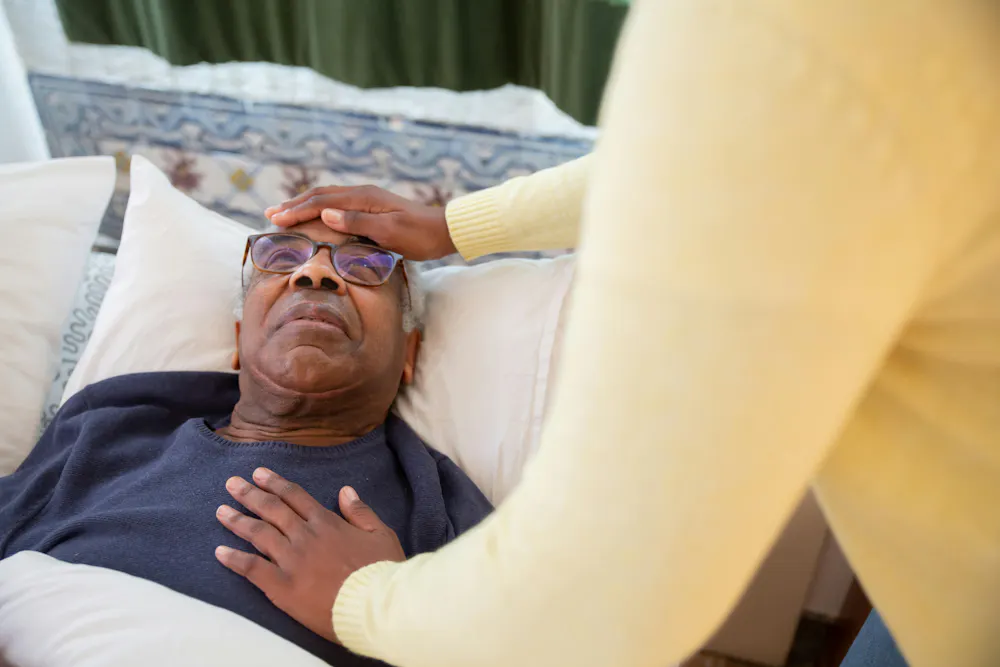
Man in hospital bed
Sadly, these episodes of lucidity are only temporary. Pexels/Kampus Production

Why does terminal lucidity happen?

Scientists have struggled to explain why terminal lucidity happens. Some episodes of lucidity have been reported to occur in the presence of loved ones. Others have reported that music can sometimes improve lucidity. But many episodes of lucidity do not have a distinct trigger.

A research team from New York University speculated that changes in brain activity before death may cause terminal lucidity. But this doesn’t fully explain why people suddenly recover abilities that were assumed to be lost.

Paradoxical and terminal lucidity are also very difficult to study. Not everyone with advanced dementia will experience episodes of lucidity before death. Lucid episodes are also unpredictable and typically occur without a particular trigger.

And as terminal lucidity can be a joyous time for those who witness the episode, it would be unethical for scientists to use that time to conduct their research. At the time of death, it’s also difficult for scientists to interview caregivers about any lucid moments that may have occurred.

Explanations for terminal lucidity extend beyond science. These moments of mental clarity may be a way for the dying person to say final goodbyes, gain closure before death, and reconnect with family and friends. Some believe episodes of terminal lucidity are representative of the person connecting with an afterlife.

Why is it important to know about terminal lucidity?

People can have a variety of reactions to seeing terminal lucidity in a person with advanced dementia. While some will experience it as being peaceful and bittersweet, others may find it deeply confusing and upsetting. There may also be an urge to modify care plans and request lifesaving measures for the dying person.

Being aware of terminal lucidity can help loved ones understand it is part of the dying process, acknowledge the person with dementia will not recover, and allow them to make the most of the time they have with the lucid person.

For those who witness it, terminal lucidity can be a final, precious opportunity to reconnect with the person that existed before dementia took hold and the “long goodbye” began.

Yen Ying Lim, Associate Professor, Turner Institute for Brain and Mental Health, Monash University and Diny Thomson, PhD (Clinical Neuropsychology) Candidate and Provisional Psychologist, Monash University

This article is republished from The Conversation under a Creative Commons license. Read the original article.

Don’t Forget…

Did you arrive here from our newsletter? Don’t forget to return to the email to continue learning!
Learn to Age Gracefully

Join the 98k+ American women taking control of their health & aging with our 100% free (and fun!) daily emails:

  • What is lecanemab, the newly approved Alzheimer’s drug? Can it really slow down dementia?

    10almonds is reader-supported. We may, at no cost to you, receive a portion of sales if you purchase a product through a link in this article.

    Dementia is a condition that results in progressive memory or thinking problems. It’s now the most common cause of death in Australia. There are many different causes of dementia, but Alzheimer’s disease accounts for around 60–80% of all cases.

    Last week, Australia’s Therapeutic Goods Administration (TGA) approved a new drug for early Alzheimer’s diseases: lecanemab, sold under the brand name Leqembi. It follows the approval of a similar drug, donanemab, earlier this year.

    But while lecanemab has been shown to slow the progression of disease in some people who receive an early diagnosis, it comes with a high price-tag that will put it out of reach for many Australians.

    Maskot/Getty Images

    How does it work?

    Lecanemab is from a class of drugs known as monoclonal antibodies.

    When our bodies are confronted with foreign “invaders”, most commonly bacteria or viruses, our immune system responds by producing antibodies. These are proteins that bind to the invader and mark it out to other immune cells for destruction.

    A monoclonal antibody is produced in a lab to bind to a specific target: in this case, the amyloid protein that is the microscopic hallmark of Alzheimer’s.

    Once the immune system captures the antibody, it can then remove amyloid from our brains in order to limit ongoing damage.

    How effective is it?

    The local approval comes as a result of a large clinical trial of 1,734 participants over 18 months, which was funded by the drug company Eisai.

    The trial showed a significant slowing of disease progression in a large group of patients who had either early Alzheimer’s or mild cognitive impairment due to early changes of Alzheimer’s in the brain.

    Before the trial, all patients had positron emission tomography (PET) scans showing the presence of amyloid protein in their brain.

    Those who received the active drug during the study progressed 27% less compared to those who were given placebo over the 18 months. This was measured by a scale of both cognition and function, known as the Clinical Dementia Rating Sum of Boxes.

    Over the 18-month study period, this equates to about five months’ less decline in the group who received lecanemab.

    For patients who have continued treatment, evidence of continued benefit for as long as four years has recently been presented.

    Participants who received lecanemab also showed large reductions in the levels of amyloid in the brain, as measured by a PET scan. By the end of the trial, the majority of participants were considered to be below the threshold that would normally indicate the presence of Alzheimer’s, but it did not reverse their symptoms.

    What are the side effects?

    Regulators have raised concerns about safety. The TGA previously rejected the drug’s approval on the basis of its risk and benefit profile when it originally considered the application in October last year.

    Some 12.6% of trial participants receiving the drug experienced brain swelling. The rates rose to 32.6% in those possessing two copies of an Alzheimer’s-promoting gene, apolipoprotein E4 (ApoE4).

    Of those who experienced brain swelling, 22% had side effects such as headaches, dizziness, blurred vision and balance problems. These were generally mild, but a small number of participants who were also prescribed blood-thinning medications during the study had serious brain bleeds that resulted in death. The remaining 78% of those who developed brain swelling experiencing no symptoms from this.

    Due to the risk of brain swelling, those taking the drug require three-monthly MRI scans to monitor their brain.

    Some 17.3% of those on active drug also experienced small bleeds into the brain (microhaemorrhages), compared to 9.0% of those taking placebo.

    Last year’s TGA rejection of lecanemab was appealed, and new safety and outcome data out to four years of treatment were presented as part of the appeal process.

    How much does it cost?

    Australia’s Pharmaceutical Benefits Scheme (PBS) does not currently subsidise lecanemab. It costs the equivalent of A$40,000 per year, placing it beyond the reach of many who might benefit from it.

    Guidelines recommend dosing at fortnightly intervals for an 18-month period, with monthly “maintenance” dosing thereafter.

    There are also costs associated with the monitoring required to ensure the safety and efficacy of the drug (doctors’ visits, MRI and PET scans).

    The Pharmaceutical Benefits Advisory Committee (PBAC) has not yet considered lecanemab for PBS listing.

    However, PBAC rejected an application for a similar drug, donanameb, for PBS listing in July, citing concerns that the benefits were “too small and uncertain to justify the burden of this treatment on both patients and the health system”.

    Lecanemab works in a similar way to donanemab, which received TGA approval earlier this year. Both drugs have similar costs, efficacy and risks.

    Bottom line

    Lecanemab can only be used in the early stages of Alzheimer’s. If you or a loved one are experiencing early signs of Alzheimer’s diseases, such as consistent short-term memory loss or confusion about days and dates, it’s important to seek medical advice early, to obtain an accurate diagnosis and to clarify your treatment options.

    If you’re considering lecanemab or donanemab, it’s important to know these drugs are not cures for Alzheimer’s disease. They may slow the progression, but they don’t improve the symptoms.

    Lecanemab won’t benefit those whose dementia is caused by conditions other than Alzheimer’s, nor will it benefit those with Alzheimer’s whose disease has progressed beyond its earliest stages.

    Steve Macfarlane, Head of Clinical Services, Dementia Support Australia, & Associate Professor of Psychiatry, Monash University

    This article is republished from The Conversation under a Creative Commons license. Read the original article.

    Share This Post

  • Caregiver smartphone use can affect a baby’s development. New parents should get more guidance

    10almonds is reader-supported. We may, at no cost to you, receive a portion of sales if you purchase a product through a link in this article.

    We already know excessive smartphone use affects people’s mental health and their relationships.

    But when new parents use digital technologies during care giving, they might also compromise their baby’s development.

    Smartphone use in the presence of infants is associated with a range of negative developmental outcomes, including threats to the formation of a secure attachment.

    The transition into parenthood is an ideal time for healthy behaviour change. Expectant parents see a range of professionals, but as we found in our new study, they don’t receive any co-ordinated support or advice on managing digital devices in babies’ presence.

    One of the new mums we interviewed said:

    Literally nothing has come up around […] screen time, or especially breastfeeding and things like that […] it’s interesting because it’s such a big part of our lives.

    Another participant said:

    I haven’t had anyone talk to me about tech use, at all.

    Adult smartphone use is not mentioned in well-child checks. We argue this is a missed public health opportunity.

    Secure attachment is important for a baby’s development. They need hours of gazing at their families’ faces to optimally wire their brains. This is more likely when the parent is sensitive to a baby’s cues and emotionally available.

    But ubiquitous smartphone use by caregivers has the potential to disrupt attachment by interrupting this sensitivity and availability.

    Babies’ central nervous system and senses are immature. But they are born into a rapidly moving world, filled with voices and faces from digital sources. This places a burden on caregivers to act as a human filter between a newborn’s neurobiology and digital distractions.

    Getty Images

    Disrupting relationships

    Psychologists have described the phenomenon of frequent disruptions and distractions during parenting – and the disconnection of the in-person relationship – as “technoference”.

    A caregiver’s eyes are no longer on the infant but on the device. Their attention is gone, in a state described as “absent presence”, and the phone becomes a “social pollution”.

    It’s unpleasant for anyone on the other side of this imbalance. But for babies, whose connection to their significant adults is the only thing that can make them feel safe enough to learn and grow optimally, it causes disproportionate harm because of their vulnerable developmental stage.

    During the rapid phase of brain growth in infancy, babies are wired to seek messages of safety from their caregiver’s face. Smartphone use blanks caregivers’ facial expressions in ways that cause physiological stress to babies.

    When a caregiver uses their phone while feeding an infant, babies are more likely to be overfed. The number of audible notifications on a parent’s device relates to a child’s language development, with more alerts associated with fewer words at 18 months.

    If that’s not reason enough to reign in phone use, evidence also shows that smartphone use can be a source of stress and guilt for parents. This suggests parents themselves would benefit from more purposeful and reduced smartphone habits.

    Some public health researchers are urging healthcare workers to consider the parent-infant relationship in addition to the respective health of the baby and caregiver themselves.

    This relational space between people is suffering as a result of the social pollution of smartphone-distracted care. Babies’ brains grow so fast, we mustn’t let this process be compromised by the distraction of the attention economy.

    Our research shows new parents could use information and support around the use of digital devices. We also recommend that other family members modify their smartphone habits around a new baby. Whānau can create a family media plan and make sure they have someone to talk to about this issue.

    Health policies should focus on early investment in parents and children, by prioritising education and action on smartphone use around babies. This would benefit the wellbeing of new parents and the lifelong development of infants.

    Miriam McCaleb, Fellow in Public Health, University of Canterbury

    This article is republished from The Conversation under a Creative Commons license. Read the original article.

    Share This Post

  • Want To Age More Slowly? These 4 Social Factors Count The Most

    10almonds is reader-supported. We may, at no cost to you, receive a portion of sales if you purchase a product through a link in this article.

    You probably know that social connection is vital for good health, and perhaps even that loneliness and isolation literally kill.

    Indeed, “a lonely lifestyle” vs “family visit frequency” made it into the list of The Lifestyle Factors That Matter >8 Times More Than Genes

    In the case of social connection, it:

    • Maintains the parts of our brains needed for language and processing social cues
    • Brings us social support in a way that will generally be protective against depression
    • Means that when all goes wrong, we more likely have material support too

    In the case of loneliness and isolation, it:

    • Allows important parts of our brain to atrophy
    • Will tend towards promoting depression, which can lead to suicidality (and at the very least a decline of physical health, even without suicidality)
    • Means that if we slip in the shower, someone will find our body a month later

    We wrote about some of these things, here: How To Beat Loneliness & Isolation

    Cumulative social advantages

    Researchers (Dr. Laura Kubzansky et al.) looked into biomarkers of epigenetic aging and systemic inflammation (which latter thing promotes many kinds of biological aging), and how they are affected by social factors.

    Four key areas stood out:

    1. The warmth and support you received from your parents growing up
    2. How connected you feel to your community and neighborhood
    3. Your involvement in religious or faith-based communities
    4. The reliability of ongoing emotional support from friends and family

    They hypothesized—correctly—that these factors would be inversely associated with the pro-aging epigenetic pathways and inflammatory biomarkers for which they were testing.

    However, what surprised them was that this effect was cumulative over time, and had no significant associations with short-term stress markers (like cortisol, for example).

    Now, some of these things are not modifiable—we can’t do much about our childhoods (alas).

    Others are much more attainable for most people, like community involvement.

    Religiousness… Well, we are a health science publication and don’t cover theology here, but it’s well-established that faith generally has benefits for social and mental health. It may or may not be something that a person can choose whether to have or not (any more than we can decide whether to believe the sky is green), but if you have some faith, there’s a fair argument for leaning into that rather than away from it, and by making your religious practice communal rather than solitary, if your circumstances allow.

    As for that last item, the ongoing emotional support from friends and family, sometimes it can be difficult, for example, we wrote about Family Estrangement & How To Fix It.

    But even without family, friends should be an option for anyone. Even if we are physically isolated, for example: Human Connection In An All-Too-Busy World ← this covers, amongst other things, how to get the most out of the options afforded to us by technology, allowing tech to enhance, rather than detract from, our social lives.

    And while we’re at it, you might also want to Make Social Media Work For Your Mental Health, Rather Than Against It ← spoiler: no, it’s not about setting app timers!

    Anyway, to read the paper in full, enjoy: Cumulative social advantage is associated with slower epigenetic aging and lower systemic inflammation

    Want to learn more?

    Check out this excellent book that we reviewed a while back:

    Purpose: Design a Community & Change Your Life (A Step-by-Step Guide to Finding Your Purpose and Making It Matter) by Gina Bianchini

    …and, for that matter, for those of us who are for one reason or another unpartnered and for one reason or another intend to stay that way now:

    The Other Significant Others: Reimagining Life with Friendship at the Center by Rhaina Cohen

    …and for anyone who wants/needs it, do also check out our main feature: Singledom & Healthy Longevity

    Enjoy!

    Share This Post

  • Heart Rate Zones, Oxalates, & More

    10almonds is reader-supported. We may, at no cost to you, receive a portion of sales if you purchase a product through a link in this article.

    It’s Q&A Day at 10almonds!

    Have a question or a request? You can always hit “reply” to any of our emails, or use the feedback widget at the bottom!

    In cases where we’ve already covered something, we might link to what we wrote before, but will always be happy to revisit any of our topics again in the future too—there’s always more to say!

    As ever: if the question/request can be answered briefly, we’ll do it here in our Q&A Thursday edition. If not, we’ll make a main feature of it shortly afterwards!

    So, no question/request too big or small

    ❝I think the heart may be an issue for lots of us. I know it is for me due to AFib. When I’m in my training zone like on a treadmill, I’m usually around 110 to 120. But there are occasionally times when I’m at 140 or 150. How dangerous is that? If I use that formula of 180 minus age, thats 103. I get nothing from that. My resting heart rate is in the 50 to 60 range.❞

    First, for safety, let us draw attention to our medical disclaimer at the bottom of each email, and also specifically note that we are not cardiologists here, let alone your cardiologist. There’s a lot we can’t know or advise about. However, as general rules of thumb:

    For people without serious health conditions, it is considered good and healthful for one’s heart rate to double (from its resting rate) during exercise, with even more than 2.5x resting rate being nothing more than a good cardio workout.

    As for “180 minus age” (presuming you mean: to calculate the safe maximum heart rate), more common (and used by the American Heart Association) is 220 minus age. In your case, that’d give 143.

    Having atrial fibrillation may change this however, and we can’t offer medical advice.

    We can point to this AHA “AFib Resources For Patients and Professionals”, including this handy FAQ sheet which says:

    “Am I able to exercise?” / “Yes, as long as you’re cleared by your doctor, you can perform normal activities of daily living that you can tolerate” (accompanied by a little graphic of a person using an exercise bike)

    You personally probably know this already, of course, but it’s quite an extensive collection of resources, so we thought we’d include it.

    It’s certainly a good idea for everyone to be aware of their healthy heart rate ranges, regardless of having a known heart condition or not, though!

    American Heart Association: Target Heart Rates Chart

    ❝I would like to see some articles on osteoporosis❞

    You might enjoy this mythbusting main feature we did a few weeks ago!

    The Bare-Bones Truth About Osteoporosis

    ❝Interesting, but… Did you know spinach is high in oxylates? Some people are sensitive and can cause increased inflammation, joint pain or even kidney stones. Moderation is key. My sister and I like to eat healthy but found out by experience that too much spinach salad caused us joint and other aches.❞

    It’s certainly good to be mindful of such things! For most people, a daily serving of spinach shouldn’t cause ill effects, and certainly there are other greens to eat.

    We wondered whether there was a way to reduce the oxalate content, and we found:

    How to Reduce Oxalic Acid in Spinach: Neutralizing Oxalates

    …which led us this product on Amazon:

    Nephure Oxalate Reducing Enzyme, Low Oxalate Diet Support

    We wondered what “nephure” was, and whether it could be trusted, and came across this “Supplement Police” article about it:

    Nephure Review – Oxalate Reducing Enzyme Powder Health Benefits?

    …which honestly, seems to have been written as a paid advertisement. But! It did reference a study, which we were able to look up, and find:

    In vitro and in vivo safety evaluation of Nephure™

    …which seems to indicate that it was safe (for rats) in all the ways that they checked. They did not, however, check whether it actually reduced oxalate content in spinach or any other food.

    The authors did declare a conflict of interest, in that they had a financial relationship with the sponsor of the study, Captozyme Inc.

    All in all, it may be better to just have kale instead of spinach:

    We turn the tables and ask you a question!

    We’ll then talk about this tomorrow:

    Don’t Forget…

    Did you arrive here from our newsletter? Don’t forget to return to the email to continue learning!

    Learn to Age Gracefully

    Join the 98k+ American women taking control of their health & aging with our 100% free (and fun!) daily emails:

  • Native Americans Have Shorter Life Spans. Better Health Care Isn’t the Only Answer.

    10almonds is reader-supported. We may, at no cost to you, receive a portion of sales if you purchase a product through a link in this article.

    HISLE, S.D. — Katherine Goodlow is only 20, but she has experienced enough to know that people around her are dying too young.

    Goodlow, a member of the Lower Brule Sioux Tribe, said she’s lost six friends and acquaintances to suicide, two to car crashes, and one to appendicitis. Four of her relatives died in their 30s or 40s, from causes such as liver failure and covid-19, she said. And she recently lost a 1-year-old nephew.

    “Most Native American kids and young people lose their friends at a young age,” said Goodlow, who is considering becoming a mental health therapist to help her community. “So, I’d say we’re basically used to it, but it hurts worse every time we lose someone.”

    Native Americans tend to die much earlier than white Americans. Their median age at death was 14 years younger, according to an analysis of 2018-21 data from the Centers for Disease Control and Prevention

    The disparity is even greater in Goodlow’s home state. Indigenous South Dakotans who died between 2017 and 2021 had a median age of 58 — 22 years younger than white South Dakotans, according to state data.

    Donald Warne, a physician who is co-director of the Johns Hopkins Center for Indigenous Health and a member of the Oglala Sioux Tribe, can rattle off the most common medical conditions and accidents killing Native Americans.

    But what’s ultimately behind this low life expectancy, agree Warne and many other experts on Indigenous health, are social and economic forces. They argue that in addition to bolstering medical care and fully funding the Indian Health Service — which provides health care to Native Americans — there needs to be a greater investment in case management, parenting classes, and home visits.

    “It’s almost blasphemy for a physician to say,” but “the answer to addressing these things is not hiring more doctors and nurses,” Warne said. “The answer is having more community-based preventions.”

    The Indian Health Service funds several kinds of these programs, including community health worker initiatives, and efforts to increase access to fresh produce and traditional foods.

    Private insurers and state Medicaid programs, including South Dakota’s, are increasingly covering such services. But insurers don’t pay for all the services and aren’t reaching everyone who qualifies, according to Warne and the National Academy for State Health Policy.

    Warne pointed to Family Spirit, a program developed by the Johns Hopkins center to improve health outcomes for Indigenous mothers and children.

    Chelsea Randall, the director of maternal and child health at the Great Plains Tribal Leaders’ Health Board, said community health workers educate Native pregnant women and connect them with resources during home visits.

    “We can be with them throughout their pregnancy and be supportive and be the advocate for them,” said Randall, whose organization runs Family Spirit programs across seven reservations in the Dakotas, and in Rapid City, South Dakota.

    The community health workers help families until children turn 3, teaching parenting skills, family planning, drug abuse prevention, and stress management. They can also integrate the tribe’s culture by, for example, using their language or birthing traditions.

    The health board funds Family Spirit through a grant from the federal Health Resources and Services Administration, Randall said. Community health workers, she said, use some of that money to provide child car seats and to teach parents how to properly install them to counter high rates of fatal crashes.

    Other causes of early Native American deaths include homicide, drug overdoses, and chronic diseases, such as diabetes, Warne said. Native Americans also suffer a disproportionate number of infant and maternal deaths.

    The crisis is evident in the obituaries from the Sioux Funeral Home, which mostly serves Lakota people from the Pine Ridge Reservation and surrounding area. The funeral home’s Facebook page posts obituaries for older adults, but also for many infants, toddlers, teenagers, young adults, and middle-aged residents.

    Misty Merrival, who works at the funeral home, blames poor living conditions. Some community members struggle to find healthy food or afford heat in the winter, she said. They may live in homes with broken windows or that are crowded with extended family members. Some neighborhoods are strewn with trash, including intravenous needles and broken bottles.

    Seeing all these premature deaths has inspired Merrival to keep herself and her teenage daughter healthy by abstaining from drugs and driving safely. They also talk every day about how they’re feeling, as a suicide-prevention strategy.

    “We’ve made a promise to each other that we wouldn’t leave each other like that,” Merrival said.

    Many Native Americans live in small towns or on poor, rural reservations. But rurality alone doesn’t explain the gap in life expectancy. For example, white people in rural Montana live 17 years longer, on average, than Native Americans in the state, according to state data reported by Lee Enterprises newspapers.

    Many Indigenous people also face racism or personal trauma from child or sexual abuse and exposure to drugs or violence, Warne said. Some also deal with generational trauma from government programs and policies that broke up families and tried to suppress Native American culture.

    Even when programs are available, they’re not always accessible.

    Families without strong internet connections can’t easily make video appointments. Some lack cars or gas money to travel to clinics, and public transportation options are limited.

    Randall, the health board official, is pregnant and facing her own transportation struggles.

    It’s a three-hour round trip between her home in the town of Pine Ridge and her prenatal appointments in Rapid City. Randall has had to cancel several appointments when family members couldn’t lend their cars.

    Goodlow, the 20-year-old who has lost several loved ones, lives with seven other people in her mother’s two-bedroom house along a gravel road. Their tiny community on the Pine Ridge Reservation has homes and ranches but no stores.

    Goodlow attended several suicide-prevention presentations in high school. But the programs haven’t stopped the deaths. One friend recently killed herself after enduring the losses of her son, mother, best friend, and a niece and nephew.

    A month later, another friend died from a burst appendix at age 17, Goodlow said. The next day, Goodlow woke up to find one of her grandmother’s parakeets had died. That afternoon, she watched one of her dogs die after having seizures.

    “I thought it was like some sign,” Goodlow said. “I started crying and then I started thinking, ‘Why is this happening to me?’”

    Warne said the overall conditions on some reservations can create despair. But those same reservations, including Pine Ridge, also contain flourishing art scenes and language and cultural revitalization programs. And not all Native American communities are poor.

    Warne said federal, state, and tribal governments need to work together to improve life expectancy. He encourages tribes to negotiate contracts allowing them to manage their own health care facilities with federal dollars because that can open funding streams not available to the Indian Health Service.

    Katrina Fuller is the health director at Siċaŋġu Co, a nonprofit group on the Rosebud Reservation in South Dakota. Fuller, a member of the Rosebud Sioux Tribe, said the organization works toward “wicozani,” or the good way of life, which encompasses the physical, emotional, cultural, and financial health of the community.

    Siċaŋġu Co programs include bison restoration, youth development, a Lakota language immersion school, financial education, and food sovereignty initiatives.

    “Some people out here that are struggling, they have dreams, too. They just need the resources, the training, even the moral support,” Fuller said. “I had one person in our health coaching class tell me they just really needed someone to believe in them, that they could do it.”

    KFF Health News is a national newsroom that produces in-depth journalism about health issues and is one of the core operating programs at KFF—an independent source of health policy research, polling, and journalism. Learn more about KFF.

    Subscribe to KFF Health News’ free Morning Briefing.

    Don’t Forget…

    Did you arrive here from our newsletter? Don’t forget to return to the email to continue learning!

    Learn to Age Gracefully

    Join the 98k+ American women taking control of their health & aging with our 100% free (and fun!) daily emails:

  • The Herbal Supplement That Rivals Prozac

    10almonds is reader-supported. We may, at no cost to you, receive a portion of sales if you purchase a product through a link in this article.

    Flower Power: St. John’s Wort’s Drug-Level Effectiveness

    St. John’s wort is a small yellow flower, extract of which can be bought inexpensively off-the-shelf in pretty much any pharmacy in most places.

    It’s sold and used as a herbal mood-brightener.

    Does it work?

    Yes! It’s actually very effective. This is really uncontroversial, so we’ll keep it brief.

    The main findings of studies are that St. John’s wort not only gives significant benefits over placebo, but also works about as well as prescription anti-depressants:

    A systematic review of St. John’s wort for major depressive disorder

    They also found that fewer people stop taking it, compared to how many stop taking antidepressants. It’s not known how much of this is because of its inexpensive, freely-accessible nature, and how much might be because it gave them fewer adverse side effects:

    Clinical use of Hypericum perforatum (St John’s wort) in depression: A meta-analysis

    How does it work?

    First and foremost, it’s an SSRI—a selective serotonin reuptake inhibitor. Basically, it doesn’t add serotonin, but it makes whatever serotonin you have, last longer. Same as most prescription antidepressants. It also affects adenosine and GABA pathways, which in lay terms, means it promotes feelings of relaxation, in a similar way to many prescription antianxiety medications.

    Mechanism of action of St John’s wort in depression: what is known?

    Any problems we should know about?

    Yes, definitely. To quote directly from the National Center for Complementary and Integrative Health:

    St. John’s wort can weaken the effects of many medicines, including crucially important medicines such as:

    • Antidepressants
    • Birth control pills
    • Cyclosporine, which prevents the body from rejecting transplanted organs
    • Some heart medications, including digoxin and ivabradine
    • Some HIV drugs, including indinavir and nevirapine
    • Some cancer medications, including irinotecan and imatinib
    • Warfarin, an anticoagulant (blood thinner)
    • Certain statins, including simvastatin

    Click here for a more comprehensive list of interactions, contraindications, and potential side effects

    I’ve read all that, and want to try it!

    As ever, we don’t sell it (or anything else), but here’s an example product on Amazon.

    Please be safe and do check with your doctor and/or pharmacist, though!

    Don’t Forget…

    Did you arrive here from our newsletter? Don’t forget to return to the email to continue learning!

    Learn to Age Gracefully

    Join the 98k+ American women taking control of their health & aging with our 100% free (and fun!) daily emails: