
More veg, less meat: the latest global update on a diet that’s good for people and the planet
10almonds is reader-supported. We may, at no cost to you, receive a portion of sales if you purchase a product through a link in this article.
A long-awaited expert update on the dietary changes needed to support both human and planetary health comes out clearly in favour of a plant-based approach.
The EAT-Lancet Commission says a shift towards its planetary health diet, released last week, could prevent 40,000 early deaths a day across the world and cut agricultural methane emissions by 15% by 2050.
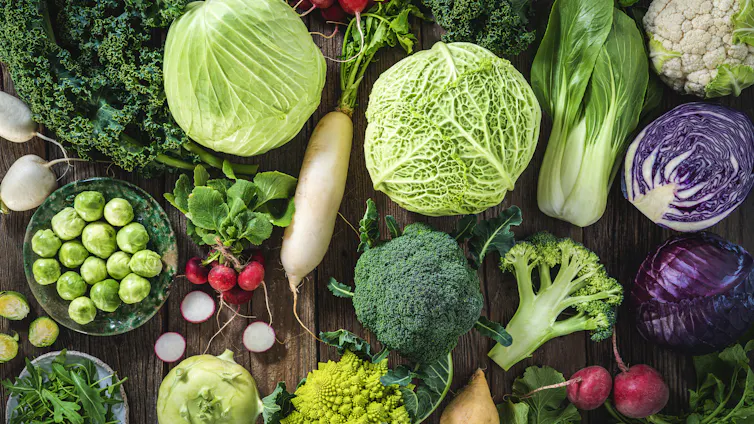
The diet promotes more vegetables, fruits, whole grains, legumes and nuts, with only modest amounts of meat, fish, poultry and dairy.
If you imagine a plate, half would be filled with vegetables and fruit (with more vegetables than fruit). Most of the remaining half would be whole grains and plant proteins. There’s room for small amounts of animal products and healthy fats, but very little added sugar. Notably, butter doesn’t get a mention.
The most contentious aspect is the commission’s recommendation on meat: just 14 grams per day of red meat and 29 grams per day of poultry – that’s roughly one small steak, one lamb chop, or two chicken drumsticks per week.
New Zealand’s traditional diet is a long way off this recommendation. But my recent study of teenage girls across the country suggests a shift is underway, with most embracing a predominantly plant-based diet.
How we know what’s best to eat
Many factors influence food choices – hunger, emotions, health, culture, media, taste, habits and family traditions.
Evidence-based dietary guidance, such as national food and nutrition guidelines, also plays a role.
In New Zealand, people may be familiar with the “5+ a day” message promoting fruit and vegetable consumption. That recommendation has since shifted to “7+ a day” as new evidence has emerged.
Over the past decade, nutritional guidelines have increasingly incorporated environmental sustainability, acknowledging that around 30% of global emissions come from growing, processing and transporting food.
The EAT-Lancet Commission took this sustainability focus further in its first release of the planetary health diet in 2019. It argued that by changing what we eat, reducing food waste and improving food production systems, we could feed a growing global population while minimising environmental damage.
Less meat is a win-win
This approach is a significant departure from traditional diets in Aotearoa New Zealand. The British-influenced “meat and three veg” (often with potatoes as one of the vegetables) and the Māori hāngi of pork, seafood, kumara and local greens don’t align neatly with the EAT-Lancet recommendations.
One criticism of the original report was its limited consideration of indigenous food systems. In my view, the minimal inclusion of starchy vegetables such as potatoes, cassava, kumara, maize and millet is hard to justify. These are staple foods – affordable, widely available and important sources of energy for many communities.
But most New Zealand adults consume nearly twice the recommended amount of protein. Reducing meat is therefore unlikely to lead to inadequate protein intakes.
Currently, about 40% of New Zealanders’ protein comes from animal sources (meat, dairy, fish). The remaining 60% comes from plants.
The belief that only animal proteins are of high quality – due to their amino acid profile and digestibility – is outdated. It’s a common misconception that some amino acid are only available through meat. Plants contain all essential amino acids, albeit in varying proportions.
For most adults, a diet with smaller amounts of meat would be a win-win: better for their health and better for the planet.
So, should New Zealand embrace the planetary health diet?
In many ways, we already are. My study of teenage girls found those following an omnivorous diet got 69% of their energy from plant-based foods (ranging from 43% to 92%), while vegetarians averaged 83% (ranging from 51% to 100%).
However, New Zealanders still consume more saturated fat than recommended and not enough dietary fibre. Shifting further toward the planetary health diet could help address these imbalances and reduce the risk of premature death from heart disease and cancer, our leading causes of mortality.
A diet for people and the planet
Perhaps unsurprisingly, the meat industry has been pushing back against the commission’s recommendations ever since the first release of the planetary health diet.
A recent report published by the Changing Markets Foundation identifies a network of influential pro-meat voices in industry, academia and governments actively working to discredit the commission’s findings.
Some nutrition academics have raised concerns about the relatively low quantity of meat and fish. Some experts argue the low amount of meat may not meet the nutritional needs of certain groups such as pregnant women and young children, who would benefit from the iron and zinc found in red meat because it is easier to absorb than from vegetable sources.
Adding to the complexity is the global obsession with protein – often associated with meat. While fat and carbohydrates have been vilified, protein enjoys a nutritional halo.
The updated guidelines place greater emphasis on environmental sustainability and, importantly, acknowledge the need to respect and empower diverse food cultures and uphold the universal human right to food.
As we face the twin challenges of climate change and rising rates of diet-related disease, I argue the planetary health diet offers a recipe for a healthier, more sustainable future.
It’s not about eliminating entire food groups or enforcing a one-size-fits-all approach. Rather, it’s about making thoughtful, evidence-based choices that nourish both people and the planet.
Sheila Skeaff, Professor of Human Nutrition, University of Otago
This article is republished from The Conversation under a Creative Commons license. Read the original article.
Don’t Forget…
Did you arrive here from our newsletter? Don’t forget to return to the email to continue learning!
Recommended
Learn to Age Gracefully
Join the 98k+ American women taking control of their health & aging with our 100% free (and fun!) daily emails:
-
Severe Complications for Pregnant Veterans Nearly Doubled in the Last Decade, a GAO Report Finds
10almonds is reader-supported. We may, at no cost to you, receive a portion of sales if you purchase a product through a link in this article.
ProPublica is a Pulitzer Prize-winning investigative newsroom. Sign up for The Big Story newsletter to receive stories like this one in your inbox.
Series: Post-Roe America:Abortion Access Divides the Nation
After the Supreme Court overturned Roe v. Wade, ending nearly 50 years of federal protection for abortion, some states began enforcing strict abortion bans while others became new havens for the procedure. ProPublica is investigating how sweeping changes to reproductive health care access in America are affecting people, institutions and governments.
Over the past decade, the rate of veterans suffering severe pregnancy complications has risen dramatically, a new federal report found.
Veterans have raced to the hospital with dangerous infections, kidney failure, aneurysms or blood loss. They’ve required hysterectomies, breathing machines and blood transfusions to save their lives. Between 2011 and 2020, 13 veterans died after such complications.
The report found that among people getting health care benefits through the Department of Veterans Affairs, the rate of severe complications nearly doubled during that time, from about 93 per 10,000 hospitalizations in 2011 to just over 184 per 10,000 hospitalizations in 2020. Black veterans had the highest rates.
The report, which was put together by the Government Accountability Office, also made recommendations for reducing the problem, which focus on conducting more routine screenings throughout pregnancy and in the postpartum period.
“It is imperative that the VA help ensure veterans have the healthiest pregnancy outcomes possible,” the report said, highlighting the increasing number of veterans using the agency’s maternity benefits as well as the troublesome complication rates faced by Black women.
The report’s findings are an unfortunate trend, said Alyssa Hundrup, director of health care at the GAO. The office analyzed data on 40,000 hospitalizations related to deliveries paid for by the VA. It captures a time period before 21 states banned or greatly restricted abortion and the military was thrust into a political battle over whether it would pay for active service members to travel for abortion care if a pregnancy was a risk to their health.
Hundrup, who led the review, said the analysis included hospital records from days after delivery to a year postpartum. The report was mandated after Congress passed a law in 2021 that aimed to address the maternal health crisis among veterans. The law led to a $15 million investment in maternity care coordination programs for veterans.
The report recommended that the VA analyze and collect more data on severe complications as well as data on the mental health, race and ethnicity of veterans who experience complications to understand the causes behind the increase and the reasons for the disparity. The report also states that oversight is needed to ensure screenings are being completed.
Studies show there’s a connection between mental health conditions and pregnancy-related complications, VA officials said.
The report recommended expanding the screening questions that providers ask patients at appointments to glean more information about their mental health, including anxiety and PTSD symptoms. It urged the VA to review the data more regularly.
“You don’t know what you don’t measure,” Hundrup said in an interview with ProPublica.
The VA health system, which historically served a male population, does not provide maternity care at its facilities. Instead, the agency has outsourced maternity care. But when patients were treated by those providers, the VA failed to track whether they were getting screened for other health issues and mental health problems.
Officials hope the improved data collection will help the VA study underlying issues that may lead to complications. For example, do higher rates of anxiety have a connection to rates of high blood pressure in pregnant people?
VA officials are working with a maternal health review committee to monitor the data as it is gathered. The agency recently conducted its first review of data going back five years about pregnancy-related complications, said Dr. Amanda Johnson, acting head of the VA’s Office of Women’s Health, who is overseeing the implementation of the report’s recommendations.
The VA has created a dashboard to monitor pregnant veterans’ health outcomes. The VA’s data analysis team will also examine the impact of veterans’ ages on complications and whether they differ for people who live in urban and rural areas.
VA officials will begin to review mental health screenings conducted by maternal care coordinators in March. The coordinators advocate for veterans, helping them between health care visits, whether their providers are inside or outside the VA.
Johnson said that reducing racial and ethnic disparities is a priority for the agency. In 2018, ProPublica published “Lost Mothers,” a series that shed light on the country’s maternal health crisis. Studies have shown that in the general population, Black women are three times more likely than white women to die from pregnancy-related complications. While deaths made up only a small portion of the bad outcomes for Black veterans cited in the report, VA care could not spare them from elevated rates of severe complications. Johnson said the maternal health crisis also persists within the VA.
“There is a disparity,” Johnson said. “We are not immune to that.”
Research shows pregnant people who have used the VA’s coverage have higher rates of trauma and mental conditions that can increase their risks of complications and bad outcomes.
This may be because many people who join the military enter it having already faced trauma, said Dr. Laura Miller, a psychiatrist and the medical director of reproductive mental health at the VA.
She said veterans with PTSD have higher rates of complications such as preeclampsia, a potentially fatal condition related to high blood pressure, gestational diabetes and postpartum depression. If untreated during pregnancy, depression also increases the likelihood of preterm birth and lingering problems for babies.
Hundrup said she hopes this proactive work will improve maternal health.
“We want these numbers trending in the other direction,” Hundrup said.
Share This Post
-
The Longevity Project – by Dr. Howard Friedman & Dr. Leslie Martin
10almonds is reader-supported. We may, at no cost to you, receive a portion of sales if you purchase a product through a link in this article.
Most books on the topic of longevity focus on such things as diet and exercise, and indeed, those are of course important things. But what of psychological and sociological factors?
Dr. Friedman and Dr. Martin look at a landmark longitudinal study, following a large group of subjects from childhood into old age. Looking at many lifestyle factors and life events, they crunched the numbers to see what things really made the biggest impact on healthy longevity.
A strength of the book is that this study had a huge amount of data—a limitation of the book is that it often avoids giving that concrete data, preferring to say “many”, “a majority”, “a large minority”, “some”, and so forth.
However, the conclusions from the data seem clear, and include many observations such as:
- conscientiousness is a characteristic that not only promotes healthy long life, but also can be acquired as time goes by (some “carefree” children became “conscientious” adults)
- resilience is a characteristic that promotes healthy long life—but tends to only be “unlocked” by adversity
- men tend to live longer if married—women, not so much
- religion and spirituality are not big factors in healthy longevity—but social connections (that may or may not come with such) do make a big difference
Bottom line: if you’d like to know which of your decisions are affecting your healthy longevity (beyond the obvious diet, exercise, etc), this is a great book for collating that information and presenting, in essence, a guideline for a long healthy life.
Click here to check out The Longevity Project and see how it applies to your life!
Share This Post
-
The Age-Proof Brain – by Dr. Marc Milstein
10almonds is reader-supported. We may, at no cost to you, receive a portion of sales if you purchase a product through a link in this article.
Biological aging is not truly just one thing, but rather the amalgam of many things intersecting—and most of them are modifiable. The cells of your body neither know nor care how many times you have flown around the sun; they just respond to the stimuli they’re given.
Which is what fuels this book. The idea is to have a brain that is less-assailed by the things that would make it age, and more rejuvenated by the things that can make it biologically younger.
Dr. Milstein doesn’t neglect the rest of the body, and indeed notes the brain’s connections with the immune system, the heart, the gut, and more. But everything in this book is done with the brain in mind and its good health as the top priority outcome of all the things he advises.
On which note, yes, there is plenty of practical, implementable advice here. For a book that is consistently full of study paper citations, he does take care to make everything useful to the reader, and makes everything as easy as possible for the layperson along the way.
Bottom line: if you would like your brain to age less, this is an excellent, very evidence-based, guidebook.
Click here to check out The Age-Proof Brain, and age-proof your brain!
Share This Post
Related Posts
-
Professional-Style Dental Cleaning At Home?
10almonds is reader-supported. We may, at no cost to you, receive a portion of sales if you purchase a product through a link in this article.
You know the scene: your dentist is rummaging around inside your mouth with an implement that looks like a medieval torture device; you wince at a sudden sharp pain, only to be told “if you flossed, you wouldn’t be bleeding now”.
For most of us, going to the dentist isn’t near the top of our “favorite things to do” list, but it is of course a necessity of (healthy) life.
So, what can we do to minimize suffering in the dentist’s chair?
First, the basics
Of course, good oral hygiene is the absolute baseline, but with so many choices out there, which is best? We examined an array of options in this three-part series:
- Toothpastes & Mouthwashes: Which Help And Which Harm?
- Flossing Without Flossing?
- Less Common Oral Hygiene Options ← we recommend the miswak! Not only does it clean the teeth as well as or better than traditional brushing, but also it changes the composition of saliva to improve the oral microbiome, effectively turning your saliva into a biological mouthwash that kills unwanted microbes and is comfortable for the ones that should be there.
In fact, caring for the composition of one’s saliva, and thus one’s oral microbiome, is so important that we did a main feature on that, a little later:
Make Your Saliva Better For Your Teeth ← this is especially important if you take any meds that affect the composition of your saliva (scroll down to the table of meds). Your medications’ leaflets won’t tell you that it does that directly, but they will list “dry mouth” as one of the potential side effects (and you’ll probably know if you have a medication that gives you a dry mouth).
Next, level up
For this one, we’ll drop some links to some videos we’ve featured (for those who prefer text, worry not, your faithful writer has added text-based overviews):
- How To Regrow Receding Gums
- Tooth Remineralization: How To Heal Your Teeth Naturally
- Tartar Removal At Home & How To Prevent Tartar
Now, that last one sounds slightly more exciting than it is—it is about using chemical processes to gradually lessen the tartar over time, with a six-month timeframe.
So, what if you want to do one better than that?
Finally… Buckle up, this one’s fun
Ok, so “fun” and “dental care” don’t usually go hand-in-hand, and maybe your sense of fun differs from this writer’s, but hey. The thing is, we’re going to get hands-on with dental tools.
Specifically, these dental tools:
👆 these are literally the tools this writer has; if you look in the specula (the round mirror bits), you can see the reflection of the fluffy gray bathrobe I was wearing when I took the picture!
You can get tools like these easily online; here’s an example product on Amazon; do also shop around of course, and we recommend checking the reviews to ensure good quality.
Writer’s story on why I have these: once upon a time, a wisdom tooth came through at 45°, ploughing through the molar next to it, which then needed removing.
However, my teeth have the interesting anatomical quirk that I have hooked/barbed roots, which does not make tooth extraction easy; it had to come out sidewise, and the process was somewhat bungled by an inexperienced dental surgeon.
When the anesthetic wore off, it was the most pain I’ve ever been in in my life.
After that, I wasn’t a very regular returner to the dentist, and in 2013, I fell into a very deep depression for unrelated reasons, and during that period, I got some plaque/tartar buildup on some of my teeth due to lack of care, that then just stayed until I decided to take care of it more recently, which I am happy to say, I’ve now done (my teeth are the happiest and healthiest they’ve ever been), and I’m going to share how, with you.
So, here’s how to do it… First, you’ll need those tools, of course.
You will also want a good quality backlit magnifying mirror. Again, here’s an example product on Amazon ← this is the exact kind this writer has, and it’s very good.
You may be thinking: “wait a minute, this is scary, those are dangerous and I’m not a dentist!”
If so, then a few quick things to bear in mind:
- If you’re not comfortable doing it, don’t do it. As ever, our medical/legal disclaimer applies, and we share information for your interest only, and not as an exhortation to take any particular action. By all means confer with your dentist, too, and see whether they support the idea.
- These things do look scarier than they are once you get used to them. Do you use metal silverware when eating? Technically you could stab yourself with a fork any time, or damage your teeth with it, but when was the last time you did that?
- With regard to manual dexterity, if you have the manual dexterity required to paint your nails, floss your teeth, sew by hand, or write with a pen, then you have the manual dexterity to do this, too.
Now, about the tools:
- Speculum / magnifying speculum: the one with the mirror. This is useful for looking at the backs of teeth.
- Tweezers: the one with the gold grip in the photo above. You probably won’t need to use these, but we’re sure you know how to use tweezers in general.
- Dental explorer: the one with the big wicked-looking hook on one end, and a tiny (almost invisible in the photo) hook on the other end. This is for examining cavities, not for manipulating things. Best leave that to your dentist if you have cavities.
- Dental pick: this is the one to the right of the dental explorer, and it is for cleaning in the crevices between teeth. One end is quite blunt; the other is pointier, and you can choose which end to use depending on what fits into the shape of the crevice between your teeth.
- Dental scraper: this is the one with chisel ends. One end curves very slightly to the left, the other, very slightly to the right. This is for ergonomics depending on which hand you’re using, and which side you’re scraping (you’ll become very aware that your teeth, even if they look straight, curve very slightly at the edges.
You’ll be using these last two for the actual tartar removal, selecting the tool appropriate to cleaning the flat surface of a tooth, or the crevice where the teeth meet (not like flossing! That part, yes, but under no circumstances is this thing going all the way through to the other side, it’s just for getting into to nook that the scraper can’t so easily clean, that’s all).
A word on using metal against your teeth: a scary prospect, initially! However…
While steel is indeed harder than the enamel of your teeth, the enamel of your teeth is much harder than the plaque/tartar/calculus that you will be removing. Therefore, the technique to use is very gently scrape, starting as gently as humanly possible until you get a feel for it.
Unlike the dentist, you will have an advantage here in that you have biofeedback, and bone conduction of the sounds in your mouth, so you can exercise much more restraint than your dentist can. With the correct minimum of pressure, the tool should glide smoothly down enamel, but when it’s scraping tartar, it should make a very fine sandpapery noise.
This is why “or write with a pen” was one of the skills we mentioned earlier; it’s the same thing; you don’t press with a pen so hard that it goes through the paper, so don’t press so hard with the tool that it damages your enamel, that’s all.
Because of the differential in hardness between the tartar and the enamel, it’s really very easy to remove the tartar without harming the enamel, provided one is gentle.
Final word of warning; we’ll repeat: If you’re not comfortable doing it, don’t do it. As ever, our medical/legal disclaimer applies, and we share information for your interest only, and not as an exhortation to take any particular action. By all means confer with your dentist, too, and see whether they support the idea.
Also, while this kind of cleaning can be done safely at home, we recommend against doing anything more complicated than that.
See for example: Can You Repair Your Own Teeth At Home? ← the short answer is “no”, or not beyond tooth remineralization, anyway, and kits that say otherwise are potentially misleading, or stop-gap solutions at best.
One last time: always consult with a professional and get their advice (ours is not advice; it’s just information).
Take care!
Don’t Forget…
Did you arrive here from our newsletter? Don’t forget to return to the email to continue learning!
Learn to Age Gracefully
Join the 98k+ American women taking control of their health & aging with our 100% free (and fun!) daily emails:
-
Physio at 3 months old – or even earlier – can really help babies with cerebral palsy
10almonds is reader-supported. We may, at no cost to you, receive a portion of sales if you purchase a product through a link in this article.
Physiotherapy isn’t just for adults recovering from injuries. Physiotherapists can help babies and children, too – including babies with, or at high risk of, cerebral palsy.
Research has shown physiotherapy improves their physical and cognitive outcomes.
freestocks.org/Pexels Cerebral palsy is complex
Cerebral palsy is a lifelong neurodevelopmental condition. It can affect the way you move and function.
It is caused by injury or a difference in development of the fetal or infant brain.
Each person with cerebral palsy experiences it in their own unique way.
This includes:
- the parts of their body affected
- how their body moves (for example, whether they have stiffness, involuntary movements or trouble with coordination)
- and how their motor impairments, or other issues, affect the way they move around, communicate and play.
The causes of cerebral palsy can be complex. It’s often due to a range of factors, including genetic and birth-related issues.
Early detection can mean early intervention
Until recently, many medical professionals adopted a “wait-and-see” approach.
However, we now have evidence-based tools to help identify babies most at risk of cerebral palsy – even those as young as three months.
After five months, if a baby shows movement difficulties (for example, using one side of their body more than the other or not being able to sit independently after nine months), an MRI and other tests can help your doctor understand more.
Early detection of cerebral palsy provides an opportunity for early intervention.
Some researchers talk about the seven “e-words” of physiotherapy intervention for babies with celebral palsy: earlier, engagement, exploration, enriched environments, experiences, everyday and exercise.
Even very young babies can be good candidates for physio. Photo by Kelly Sikkema on Unsplash Earlier intervention
Where intervention previously often started only around 19 months, now intervention can begin much earlier.
Some babies start physiotherapy as young as three months old once identified as being “high risk” for a diagnosis of cerebral palsy. Premature babies may begin physiotherapy while still in hospital.
Unfortunately, however, not all families have easy access to early intervention treatments. Much depends on where you live.
NDIS support is technically available but it can often take families months to be accepted for funding.
Engagement is key
Engagement refers to when babies deliberately participate in an activity or interact with others. This might be as simple as encouraging infants to look at and focus on a toy the baby finds interesting, or to move their body towards their caregiver’s face.
Research shows when infants are engaged in play, it helps make connections about how to move their body.
Physiotherapists can help parents learn how to engage with and play with their babies, even when babies are very young.
Exploration builds moving, playing and thinking skills
Exploration is how babies learn about and interact with the world.
Physiotherapists can help infants to explore movement, whether this is supporting them to reach for a toy or crawl down a hallway.
Babies and children with cerebral palsy can find it harder than their peers to explore their environments. Research has shown supporting infants and young children to explore their environment, including with mini power wheelchairs, can improve their long-term mobility, social skills and independence.
Enriched environments help challenge babies
Infants love to interact with spaces that are not too difficult to navigate, but also not too easy.
Physiotherapists and families can come up with ideas together about how to modify the environment in the home to help a baby with cerebral palsy successfully play and explore.
This could, for instance, include adjusting the height of toys on a baby play gym to challenge babies to successfully reach and grasp toys above them.
Experiences help babies learn to play, move and communicate
Every infant learns in their own way from doing, seeing, and feeling. These experiences shape the neural pathways in our brains throughout our life, but particularly in the first few years. Our brains’ ability to adapt to experiences is called neuroplasticity.
Physiotherapists can help families harness this neuroplasticity by identifying meaningful experiences that help their baby learn to move, play and explore.
Babies with cerebral palsy benefit from a combination of repeating motivating experiences (such as repeatedly rolling for a toy of interest) and practising new skills in a variety of environments (such as rolling on different surfaces or towards a variety of toys).
Everyday intervention
Physiotherapists work with families to find ways to support their infant’s development in everyday life. This will look different for every family.
Some prefer more structured ideas for activities; they might want to know how many times and how long they could help their baby sit using specific handling techniques.
Others prefer ideas on how to integrate therapy ideas into their everyday life by, for instance, picking their baby up via their side to help develop their head control.
Exercise – for all ages
Exercise helps with everything from heart and gastrointestinal health to bone health.
Infants with movement difficulties are at risk of more sedentary time. This increases the risk of cardiovascular disease and obesity. The Australian government recommends at least three hours of physical activity per day (including no more than one hour at a time of inactivity or restraint) for children aged between zero and five.
However, it can be really difficult for young children with cerebral palsy to meet these recommendations.
Physiotherapy can help. This might include:
- helping a baby play in physically challenging positions (such as tummy time) for longer periods each time
- supervised rough and tumble play with siblings
- encouraging babies to explore different and more challenging environments.
If you have concerns about your baby’s movement, talk to your GP or child health nurse.
Chelsea Mobbs, Lecturer in Physiotherapy, University of Southern Queensland
This article is republished from The Conversation under a Creative Commons license. Read the original article.
Don’t Forget…
Did you arrive here from our newsletter? Don’t forget to return to the email to continue learning!
Learn to Age Gracefully
Join the 98k+ American women taking control of their health & aging with our 100% free (and fun!) daily emails:
-
Even More Reasons To Enjoy Coffee!
10almonds is reader-supported. We may, at no cost to you, receive a portion of sales if you purchase a product through a link in this article.
Is this the most healthful drink available? Well, the scope of that question is broad, but coffee sure is a strong contender:
Molecular power
Coffee’s health benefits come from its wide array of chemical properties, most of which are beneficial, and those which aren’t solely beneficial (like caffeine and diterpenes) have their pros and cons.
We have written before about the health benefits (and risks) of coffee; for most people, the benefits far outweigh the risks, but individual cases may vary:
The Bitter Truth About Coffee (or is it?) ← this is a mythbusting edition
There are also gut health benefits from drinking coffee, and what’s good for our gut is invariably good for our heart and brain:
Coffee & Your Gut ← gut bacteria do not, by the way, have a preference about how you make your coffee or whether it is caffeinated or not
But that’s quite general and mostly large-scale stuff.
Researchers (Dr. Yifei Zhang et al.) have outlined what moves coffee from the category of merely a beverage, into being (in her words) a “targetted nutritional interventional agent”.
The premise that Dr. Zhang and her team posit, is that coffee acts as a coordinated multi-compound system rather than a single-molecule intervention, with (take a deep breath) alkaloids, polyphenols, diterpenes, and Maillard-reaction products interacting across antioxidant, anti-inflammatory, metabolic, and neuroprotective pathways.
That’s a lot!
Before we get into each of them, it’s worth noting that roasting alters the chemical profile by reducing carbohydrates and nitrogenous compounds, increasing lipids, and generating melanoidins that may make up one-quarter of the roasted bean mass. So for now, just bear that in mind, and we’ll touch on it sometimes later when relevant.
In each case, we’ll take the benefits (and in some cases drawbacks) directly from the paper, and then present some links to easier reading on each:
- Alkaloids: caffeine and trigonelline influence neural, metabolic, and inflammatory pathways, with caffeine antagonizing adenosine A1/A2A receptors, inhibiting PDE4/5, stimulating the CNS, and showing protective associations against Parkinson’s disease; trigonelline shows potential benefits for Alzheimer’s disease, Parkinson’s disease, and depression.
- In other words, it’s a safe stimulant and neuroprotectant. For that about the safety of caffeine as a stimulant, that is not an absolute, but it does hold true in most cases. See for example: Caffeine: Cognitive Enhancer Or Brain-Wrecker?
- See also: Green Coffee Bean Extract: Coffee Benefits Without The Coffee? ← where we discuss this in more detail, and offer a caffeine-free option (indeed, a coffee free option, in the sense of coffee as a drink).
- Polyphenols: chlorogenic acids provide antioxidant and metabolic regulation, activating Nrf2, lowering oxidative stress, and moderating postprandial glycemia, though roasting—especially dark roasting—reduces CGA content.
- See also: Enjoy Bitter Foods For Your Heart & Brain
- For a more comprehensive treatment, you might like to consider: 21 Most Beneficial Polyphenols & What Foods Have Them ← coffee has many!
- That about “moderating postprandial glycemia” means it lowers blood sugar levels after eating, largely because of Another Benefit To Coffee: Insulin Sensitivity!
- Diterpenes: cafestol and kahweol show mixed effects, including LDL-raising activity that depends on brewing method (filters remove diterpenes), alongside hepatoprotective, anti-inflammatory, and potential anticancer roles.
- “Hepatoprotective” means it protects your liver
- We wrote a little more about diterpenes here, focusing on the heart-negative effects, e.g. that LDL-raising activity: Make Your Coffee Heart-Healthier!
- Here, too: Machine-Dispensed Coffee & Heart Health
- Maillard products: melanoidins offer antioxidant and metal-chelating effects, while roasting also forms acrylamide, a Group 2A carcinogen found at higher levels in dark roasts, though typical coffee intake remains below regulatory concern.
- You can read more about acrylamide, here: Are You Eating AGEs? ← advanced glycation end-products (AGEs) are far worse than acrylamide, but we discuss both here, and the chemical route to them is the same
You can read the paper in full, here: Transforming coffee from an empirical beverage to a targeted nutritional intervention: health effects of coffee’s core functional components on chronic diseases
And more!
There are other benefits whose molecular mechanisms are not yet fully understood, for example:
Enjoy!
Don’t Forget…
Did you arrive here from our newsletter? Don’t forget to return to the email to continue learning!
Learn to Age Gracefully
Join the 98k+ American women taking control of their health & aging with our 100% free (and fun!) daily emails:
- Alkaloids: caffeine and trigonelline influence neural, metabolic, and inflammatory pathways, with caffeine antagonizing adenosine A1/A2A receptors, inhibiting PDE4/5, stimulating the CNS, and showing protective associations against Parkinson’s disease; trigonelline shows potential benefits for Alzheimer’s disease, Parkinson’s disease, and depression.


