Dangers Of Root Canals And Crowns, &  What To Do Instead

10almonds is reader-supported. We may, at no cost to you, receive a portion of sales if you purchase a product through a link in this article.

Dr. Michelle Jorgensen, a dentist, tells us that it’s a lot rarer than people think to actually need a crown or a root canal; there are ways of avoiding such:

The tooth, the whole tooth, and nothing but the tooth?

First, some of the problems with the treatments that are most popular, especially in the US:

Problems with root canals:

  • Involves cleaning and filling the tooth’s main canal but leaves microtubules that can harbor dead tissue and attract bacteria.
  • This can lead to infections, often undetected for a long time due to the nerve removal, potentially harming overall health and weakening the tooth.
  • Root canals often result in brittle teeth that can break, necessitating crowns.

And then…

Problems with crowns:

  • A crown requires significant removal of tooth structure (up to 1.5 mm of enamel), making the tooth more vulnerable and sensitive.
  • Crowns can also lead to new cavities underneath due to weak bonding to dentin.
  • The cycle often leads from a healthy tooth to fillings, crowns, root canals, and eventual extraction (and then, perhaps, an implant in its place). That’s great for the dentist, but not so great for you.

Biomimetic dentistry the exciting name currently being used for what has been more prosaically called “conservative restorative dentistry”, which in turn has also been known by other names in recent decades, and its goal is to strengthen and preserve natural teeth as much as possible.

Methods it uses:

  • Treats affected but still living teeth with non-invasive procedures.
  • Uses ozone treatment to kill bacteria in deep cavities, avoiding direct nerve exposure.
  • Applies conservative partial restorations like onlays instead of full crowns.

Benefits of this approach:

  • Preserves enamel, minimizes trauma, and reduces the risk of tooth death.
  • Maintains long-term tooth structure and health.
  • 95% success rate in saving affected teeth without resorting to root canals.

In short, Dr. Jorgensen says that 60–80% of traditional crowns and root canals can be avoided. Which is surely a good thing.

For more on all of this, enjoy:

Click Here If The Embedded Video Doesn’t Load Automatically!

Want to learn more?

You might also like:

Tooth Remineralization: How To Heal Your Teeth Naturally

Take care!

Don’t Forget…

Did you arrive here from our newsletter? Don’t forget to return to the email to continue learning!

Learn to Age Gracefully

Join the 98k+ American women taking control of their health & aging with our 100% free (and fun!) daily emails:

  • 3 Surprises: Yoga, Nut Milk, & Gluten

    10almonds is reader-supported. We may, at no cost to you, receive a portion of sales if you purchase a product through a link in this article.

    This week in the world of health science news, not everything is as it might seem…

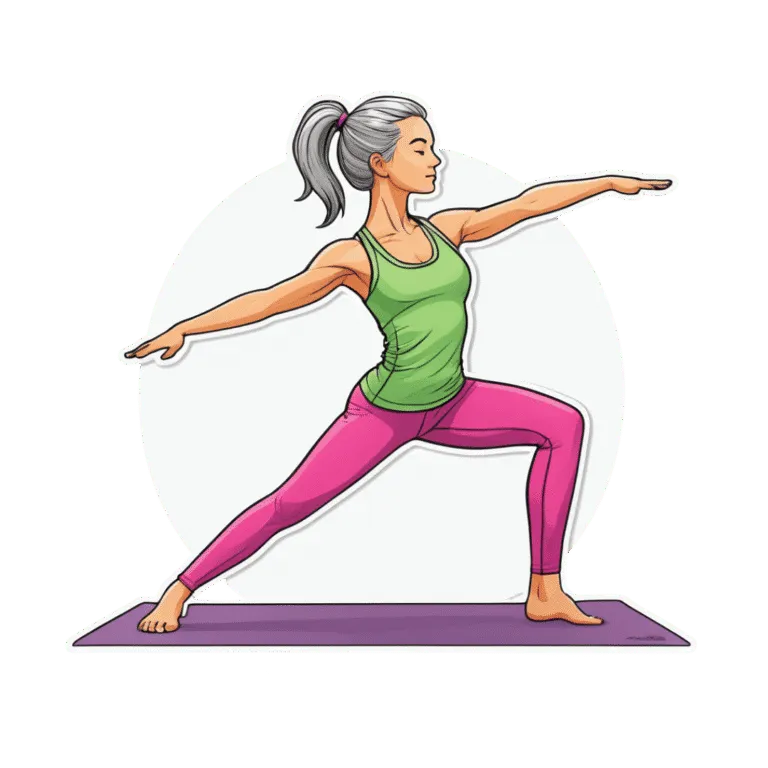
    Yoga: not so good for the heart?

    To be clear: it’s not bad for the health either.

    Researchers (Dr. Poovitha Paramashiva et al.) found that yoga does, on balance, improve vascular health somewhat, but is significantly less effective than other structured exercise such as tai chi, Pilates, or HIIT.

    One of the notable problems is that prolonged sitting stiffens arteries—sometimes described as “the new smoking”, which steals years from vascular health.

    Of course, not every kind of yoga involves prolonged sitting, and some involve more movement than others. Dr. Paramashiva and her team conclude that yoga has many benefits, and/but should be supplemented with more dynamic exercise for full heart protection.

    Read in full: Yoga isn’t as heart-healthy as you think, new study reveals

    Related: Which Style Of Yoga Is Best For You?

    Nut milks: not a poor imitation

    Often thought it as poor imitations of milk from other mammals such as cows, nut milks have, on balance, more to offer healthwise.

    Nut milks provide healthy fats with a much better lipids profile than cows’ milk, and all are usually fortified with calcium, vitamin D, and often even vitamin B12.

    When it comes to fermented products (kefir, yogurts, cheeses), lactic acid bacteria improve safety, texture, antioxidant activity, and mineral bioavailability while producing bioactive peptides and probiotics; some strains also add natural thickening and prebiotic effects. All of this goes for plant-based products just the same as animal-based products.

    In terms of safety, in all cases traditional heat treatments (HTST, UHT) extend shelf life; advanced non-thermal methods (HPH, UHPH, HHP, PEF, HC, ohmic heating) improve microbial safety while preserving flavor and nutrients. In any case, you will certainly not get bird flu from nut milk, either way.

    One thing animal-based dairy products do have over nut-based equivalents is that they are usually higher in protein, so that’s one thing in their favor, to perhaps set against the usually poor lipids profiles in animal milks.

    Read in full: Can nut-based milks match dairy for safety, nutrition and flavor?

    Related: Which Plant Milk?

    The other side of gluten

    Everybody these days knows about the possibility of food allergies, sensitivities, and intolerances, and gluten is high on the public awareness list.

    However, sometimes one thing can be easily mistaken for another, and assuming a gluten sensitivity or similar can lead one to miss the real problem—which could be a matter of a serious medical condition going undiagnosed, or it could be like one commenter mentioned under the video we shared today, saying:

    ❝I think my biggest mistake was deciding my gut issues were gluten sensitivity rather than “crap food” sensitivity. Most GF products are highly processed so now I’m back on wheat at least I can eat real bread, sourdough wholemeal with added seeds.❞

    So that’s something that can happen.

    Furthermore, gluten may be better than merely harmless! As the below-linked science shows, gluten peptides can act as antioxidants, lower blood pressure, reduce cholesterol, improve blood sugar control, and favorably modulate immune function. Some opioid-like peptides (exorphins) can even influence mood, appetite, and gut function.

    This latter is in part because fermentation with lactic acid bacteria and fungal proteases (all of which normally live in our gut) can reduce harmful gluten fragments while releasing beneficial peptides.

    And if you do have a sensitivity? Protease supplements (like latiglutenase) aim to break down gluten in the gut to protect sensitive individuals from accidental exposure, but clinical results remain inconsistent, so don’t count on that one just yet.

    Similarly, in cases of Celiac disease, enzyme-based methods, such as prolyl endopeptidases, are being tested to neutralize toxic peptides—but this is a work in progress and the science is young so far.

    Read in full: How gluten harms some people but helps others

    Related: Why Going Gluten-Free Could Be A Bad Idea

    Take care!

    Share This Post

  • Pine Nuts vs Pecans – Which is Healthier?

    10almonds is reader-supported. We may, at no cost to you, receive a portion of sales if you purchase a product through a link in this article.

    Our Verdict

    When comparing pine nuts to pecans, we picked the pine nuts.

    Why?

    Both have their merits!

    In terms of macros, pine nuts have more protein while pecans have more fiber. They’re about equal on fats, although pine nuts have more polyunsaturated fat and pecans have more monounsaturated fat, of which, both are healthy. They’re also about equal on carbs. So really it comes down to the subjective choice between prioritizing protein and prioritizing fiber. On principle, we pick fiber, which gives the win to pecans, but your preference in this regard may differ; prioritizing the protein would give the win to pine nuts.

    In the category of vitamins, pine nuts have more of vitamins B2, B3, B9, E, K, and choline, while pecans have more of vitamins A, B1, B5, B6, and C. Thus, a 6:5 marginal win for pine nuts.

    Looking at the minerals, pine nuts have more copper, iron, magnesium, manganese, phosphorus, potassium, and zinc, while pecans have more calcium and selenium. An easy win for pine nuts this time.

    Adding up the sections makes for a win for pine nuts, but of course, enjoy either or (preferably) both; diversity is good!

    Want to learn more?

    You might like to read:

    Why You Should Diversify Your Nuts

    Enjoy!

    Share This Post

  • A Therapeutic Journey – by Alain de Botton

    10almonds is reader-supported. We may, at no cost to you, receive a portion of sales if you purchase a product through a link in this article.

    We’ve often featured The School of Life’s videos here on 10almonds, and most of those are written by (and often voiced by) Alain de Botton.

    This book lays out the case for mental health being also just health, that no person is perfectly healthy all the time, and sometimes we all need a little help. While he does suggest seeking help from reliable outside sources, he also tells a lot about how we can improve things for ourselves along the way, whether by what we can control in our environment, or just what’s between our ears.

    In the category of limitations, the book is written with the assumption that you are in a position to have access to a therapist of your choice, and in a sufficiently safe and stable life situation that there is a limit to how bad things can get.

    The style is… Alain de Botton’s usual style. Well-written, clear, decisive, instructive, compassionate, insightful, thought-provoking.

    Bottom line: this isn’t a book for absolutely everyone, but if your problems are moderate and your resources are comfortable, then this book has a lot of insights that can make your life more easy-going and joyful, without dropping the seriousness when appropriate.

    Click here to check out A Therapeutic Journey, and perhaps begin one of your own!

    Share This Post

  • How to Fall Back Asleep After Waking Up in the Middle of the Night

    10almonds is reader-supported. We may, at no cost to you, receive a portion of sales if you purchase a product through a link in this article.

    Dr. Michael Bruce, the Sleep Doctor, addresses a common concern: waking up in the middle of the night and struggling to fall back asleep.

    Understanding the Wake-Up

    Firstly, why are we waking up during the night?

    Waking up between 2 AM and 3 AM is said to be normal, and linked to your core body temperature. As your body core temperature drops, to trigger melatonin release, and then rises again, you get into a lighter stage of sleep. This lighter stage of sleep makes you more prone to waking up.

    Note, there are also some medical conditions (such as sleep apnea) that can cause you to wake up during the night.

    But, what can we do about it? Aside from constantly shifting sleeping position (Should I be sleeping on my back? On my left? Right?)

    Avoid the Clock

    The first step is to resist the urge to check the time. It’s easy to be tempted to have a look at the clock, however, doing so can increase anxiety, making it harder to fall back asleep. As Dr. Bruce says, sleep is like love—the less you chase it, the more it comes.

    It may be useful to point your alarm clock (if you still have one of those) the opposite direction to your bed.

    Embracing Non-Sleep Deep Rest (NSDR)

    Whilst this may not help you fall back asleep, it’s worth pointing out that just lying quietly in the dark without moving still offers rejuvenation. This revujenating stage is called Non-Sleep Deep Rest (otherwise known as NSDR)

    If you’re not familiar with NSDR, check out our overview of Andrew Huberman’s opinions on NSDR here.

    So, you can reassure yourself that whilst you may not be asleep, you are still resting.

    Keep Your Heart Rate Down

    To fall back asleep, it’s best if your heart rate is below 60 bpm. So, Dr. Bruce advises avoiding void getting up unnecessarily, as moving around can elevate your heart rate.

    On a similar vain, he introduces the 4-7-8 breathing technique, which is designed to lower your heart rate. The technique is simple:

    • Breathe in for 4 seconds.
    • Hold for 7 seconds.
    • Exhale for 8 seconds.

    Repeat this cycle gently to calm your body and mind.

    As per any of our Video Breakdowns, we only try to capture the most important pieces of information in text; the rest can be garnered from the video itself:

    Wishing you a thorough night’s rest!

    Do you know any other good videos on sleep? Send them to us via email!

    Don’t Forget…

    Did you arrive here from our newsletter? Don’t forget to return to the email to continue learning!

    Learn to Age Gracefully

    Join the 98k+ American women taking control of their health & aging with our 100% free (and fun!) daily emails:

  • Artichoke vs Bell Pepper – Which is Healthier?

    10almonds is reader-supported. We may, at no cost to you, receive a portion of sales if you purchase a product through a link in this article.

    Our Verdict

    When comparing artichoke to bell pepper, we picked the artichoke.

    Why?

    First, you might remember that different color bell peppers have different nutritional profiles. So, you might be wondering why we didn’t specify the color. The reason is: the things that differ from one color to another are important differences between the respective bell peppers, but they make no difference to this comparison, as for any given nutrient that changes from one color to another, it doesn’t change the outcome.

    Now, with that in mind, today’s comparison is pretty straightforward:

    In terms of macros, artichoke has more than 3x the fiber for 2x the carbs, and nearly 4x the protein, making it the clear winner in this category.

    In the category of vitamins, artichoke has more of vitamins B1, B2, B3, B5, B7, B9, K, and choline, while bell pepper has more of vitamins A, B6, C, and E. Another win for artichoke.

    When it comes to minerals, artichoke has more calcium, copper, iron, magnesium, manganese, phosphorus, potassium, selenium, and zinc, while bell pepper is not higher in any minerals. One more win for artichoke.

    In other news, artichoke has a lot more polyphenols; mostly flavones like apigenin and luteolin and phenolic acids like caffeoylquinic acid.

    Adding up the sections makes for an overall win for artichokes, but by all means enjoy either or both; diversity is good!

    Want to learn more?

    You might like:

    Enjoy!

    Don’t Forget…

    Did you arrive here from our newsletter? Don’t forget to return to the email to continue learning!

    Learn to Age Gracefully

    Join the 98k+ American women taking control of their health & aging with our 100% free (and fun!) daily emails:

  • CBOs share their tools and tactics for better vaccine outcomes

    10almonds is reader-supported. We may, at no cost to you, receive a portion of sales if you purchase a product through a link in this article.

    Amidst deep federal program cuts, and the third measles death in just three months, it’s been a difficult week for public health. Health workers are striving to keep the importance of vaccination top of mind in their communities: Vaccination is the most effective way to protect themselves and their loved ones from vaccine preventable diseases like measles, whooping cough, COVID-19, RSV, and the flu.

    But with vaccination rates in decline, especially for children, everyone is at greater risk of getting sick. 

    Over the last few months, community-based organizations working to get more people vaccinated shared with PGN the tactics and tools they use to continue their work.

    Here are some important takeaways from those discussions:

    Invest in deeper listening.

    How often does your CBO hold listening sessions with the people you serve? Whether it’s through polling, sitting down with parent groups, or monitoring your organization’s social media channels—our conversations with health workers from Autism Society of Minnesota, the Somali Parents Autism Network, and the Idaho Immunization Coalition cited the importance of listening as much as possible to understand vaccine sentiment and define what cultural approaches they may need to use. 

    “We consistently hold listening sessions. We do them in English and Spanish if we need to, and we go around—and I’m talking about the southern part of the state—and bring people together,” said Karen Jachimowski Sharpnack, executive director of the Idaho Immunization Coalition.

    “We’ll bring eight or 10 people together, and we’ll spend a couple of hours with them. We feed them and we also pay them to be there. We say, ‘We want to hear from you about what you’re hearing about vaccines, what your views are if you’re vaccinated.’ And these sessions are extremely informational. For one, we learn about the misinformation that goes out there, like immediately. And two, we’re able to then focus [on how to respond]. If we’re hearing this, what kind of media campaign do we need to get together?”

    Ask yourself how can your work be more inclusive?

    Alex Wood, a doula from Michigan who focuses on helping families who are disabled, have chronic illnesses, or have compromised immune systems, emphasized the importance of centering high-risk groups to ensure vaccine equity and easier access for everybody. 

    “The marginalized group that I don’t hear talked about enough are disabled and immunocompromised people, and their access to vaccines. The hesitancy I see in this group is not, ‘Do I get the vaccine?’ but, ‘How do I access it safely?’ she said.

    “The idea that someone with little to no immune system is expected to sit in close quarters while someone sits right there, breathing in their face and refusing to mask, poses a real question for people. Is it worth the risk of getting the disease [from exposure at the appointment] that I’m trying to mitigate harm from by vaccinating? The biggest problem I see is that when people directly ask for access, for support, they’re turned down.”

    Consider your CBO’s role in vaccine advocacy.

    For many CBOs, vaccine outreach in their communities is second nature, but knowing how or if to advocate for vaccine policy change in their state may feel scary. But Rekha Lakshmanan, chief strategy officer at The Immunization Partnership, says it doesn’t have to be.

    “[Health workers] advocate on an everyday basis, and so there really is no mystery to it,” she said. “From a childhood vaccination standpoint, I don’t want us going down a road where all the amazing work everyone has done over the last 50, 60, 70 years supporting public health—you know, supporting families to get their kids vaccinated—to see that completely undone and done in vain. That’s why we all have to really work together and put up a united front that enough is enough.” 

    This article first appeared on Public Good News and is republished here under a Creative Commons Attribution-NoDerivatives 4.0 International License.

    Don’t Forget…

    Did you arrive here from our newsletter? Don’t forget to return to the email to continue learning!

    Learn to Age Gracefully

    Join the 98k+ American women taking control of their health & aging with our 100% free (and fun!) daily emails: