The Brain Alarm Signs That Warn Of Dementia
10almonds is reader-supported. We may, at no cost to you, receive a portion of sales if you purchase a product through a link in this article.

When it comes to predicting age-related cognitive impairment:
First there are genetic factors to take into account (such as the APOE4 gene for Alzheimer’s), as well as things such as age and sex.
When it comes to sex, by the way, what matters here is hormones, which is why [it seems; this as technically as yet unproven with full rigor, but the hypothesis is sound and there is a body of evidence gradually being accumulated to support it] postmenopausal women with untreated menopause get Alzheimer’s at a higher rate and deteriorate more quickly:
Alzheimer’s Sex Differences May Not Be What They Appear
Next, there are obviously modifiable lifestyle factors to take into account, things that will reduce your risk such as getting good sleep, good diet, good exercise, and abstaining from alcohol and smoking, as well as oft-forgotten things such as keeping cognitively active and, equally importantly, socially active:
How To Reduce Your Alzheimer’s Risk
(the article outlines what matters the most in each of the above areas, by the way, so that you can get the most bang-for-buck in terms of lifestyle adjustments)
Lastly (in the category of risk factors), there are things to watch out for in the blood such as hypertension and high cholesterol.
Nipping it in the blood
In new research (so new it is still ongoing, but being at year 2 of a 4-year prospective study, they have published a paper with their results so far), researchers have:
- started with the premise “dementia is preceded by mild cognitive impairment”
- then, asked the question “what are the biometric signs of mild cognitive impairment?”
Using such tools as functional near-infrared spectroscopy (fNIRS) while the participants performed cognitive tasks, they were able to record changes in plasma levels of extracellular vesicles, assessing them with small-particle flow cytometry.
Translating from sciencese: they gave the participants mental tasks, and while they completed them, the researchers scanned their brains and monitored blood flow and the brain’s ability to compensate for any lack of it.
What they found:
- in young adults, blood flow increased, facilitating neurovascular coupling (this is good)
- in older adults, blood flow did not increase as much, but they engaged other areas of the brain to compensate, by what’s called functional connectivity (this is next best)
- in those with mild cognitive impairment, blood flow was reduced, and they did not have the ability to compensate by functional connectivity (this is not good)
They also performed a liquid biopsy, which sounds alarming but it just means they took some blood, and tested this for density of cerebrovascular endothelial extracellular vesicles (CEEVs), which—in more prosaic words—are bits from the cells lining the blood vessels in the brain.
People with mild cognitive impairment had more of these brain bits in their blood than those without.
You can read the paper itself here:
What this means
The science here is obviously still young (being as it is still in progress), but this will likely contribute greatly to early warning signs of dementia, by catching mild cognitive impairment in its early stages, by means of a simple blood test, instead of years of wondering before getting a dementia diagnosis.
And of course, forewarned is forearmed, so if this is something that could be done as a matter of routine upon hitting the age of, say, 65 and then periodically thereafter, it would catch a lot of cases while there’s still more time to turn things around.
As for how to turn things around, well, we imagine you have now read our “How To Reduce Your Alzheimer’s Risk” article linked up top (if not, we recommend checking it out), and there is also…
Do Try This At Home: The 12-Week Brain Fitness Program To Measurably Boost Your Brain
Take care!
When it comes to predicting age-related cognitive impairment:
First there are genetic factors to take into account (such as the APOE4 gene for Alzheimer’s), as well as things such as age and sex.
When it comes to sex, by the way, what matters here is hormones, which is why [it seems; this as technically as yet unproven with full rigor, but the hypothesis is sound and there is a body of evidence gradually being accumulated to support it] postmenopausal women with untreated menopause get Alzheimer’s at a higher rate and deteriorate more quickly:
Alzheimer’s Sex Differences May Not Be What They Appear
Next, there are obviously modifiable lifestyle factors to take into account, things that will reduce your risk such as getting good sleep, good diet, good exercise, and abstaining from alcohol and smoking, as well as oft-forgotten things such as keeping cognitively active and, equally importantly, socially active:
How To Reduce Your Alzheimer’s Risk
(the article outlines what matters the most in each of the above areas, by the way, so that you can get the most bang-for-buck in terms of lifestyle adjustments)
Lastly (in the category of risk factors), there are things to watch out for in the blood such as hypertension and high cholesterol.
Nipping it in the blood
In new research (so new it is still ongoing, but being at year 2 of a 4-year prospective study, they have published a paper with their results so far), researchers have:
- started with the premise “dementia is preceded by mild cognitive impairment”
- then, asked the question “what are the biometric signs of mild cognitive impairment?”
Using such tools as functional near-infrared spectroscopy (fNIRS) while the participants performed cognitive tasks, they were able to record changes in plasma levels of extracellular vesicles, assessing them with small-particle flow cytometry.
Translating from sciencese: they gave the participants mental tasks, and while they completed them, the researchers scanned their brains and monitored blood flow and the brain’s ability to compensate for any lack of it.
What they found:
- in young adults, blood flow increased, facilitating neurovascular coupling (this is good)
- in older adults, blood flow did not increase as much, but they engaged other areas of the brain to compensate, by what’s called functional connectivity (this is next best)
- in those with mild cognitive impairment, blood flow was reduced, and they did not have the ability to compensate by functional connectivity (this is not good)
They also performed a liquid biopsy, which sounds alarming but it just means they took some blood, and tested this for density of cerebrovascular endothelial extracellular vesicles (CEEVs), which—in more prosaic words—are bits from the cells lining the blood vessels in the brain.
People with mild cognitive impairment had more of these brain bits in their blood than those without.
You can read the paper itself here:
What this means
The science here is obviously still young (being as it is still in progress), but this will likely contribute greatly to early warning signs of dementia, by catching mild cognitive impairment in its early stages, by means of a simple blood test, instead of years of wondering before getting a dementia diagnosis.
And of course, forewarned is forearmed, so if this is something that could be done as a matter of routine upon hitting the age of, say, 65 and then periodically thereafter, it would catch a lot of cases while there’s still more time to turn things around.
As for how to turn things around, well, we imagine you have now read our “How To Reduce Your Alzheimer’s Risk” article linked up top (if not, we recommend checking it out), and there is also…
Do Try This At Home: The 12-Week Brain Fitness Program To Measurably Boost Your Brain
Take care!
Don’t Forget…
Did you arrive here from our newsletter? Don’t forget to return to the email to continue learning!
Recommended
Learn to Age Gracefully
Join the 98k+ American women taking control of their health & aging with our 100% free (and fun!) daily emails:
-

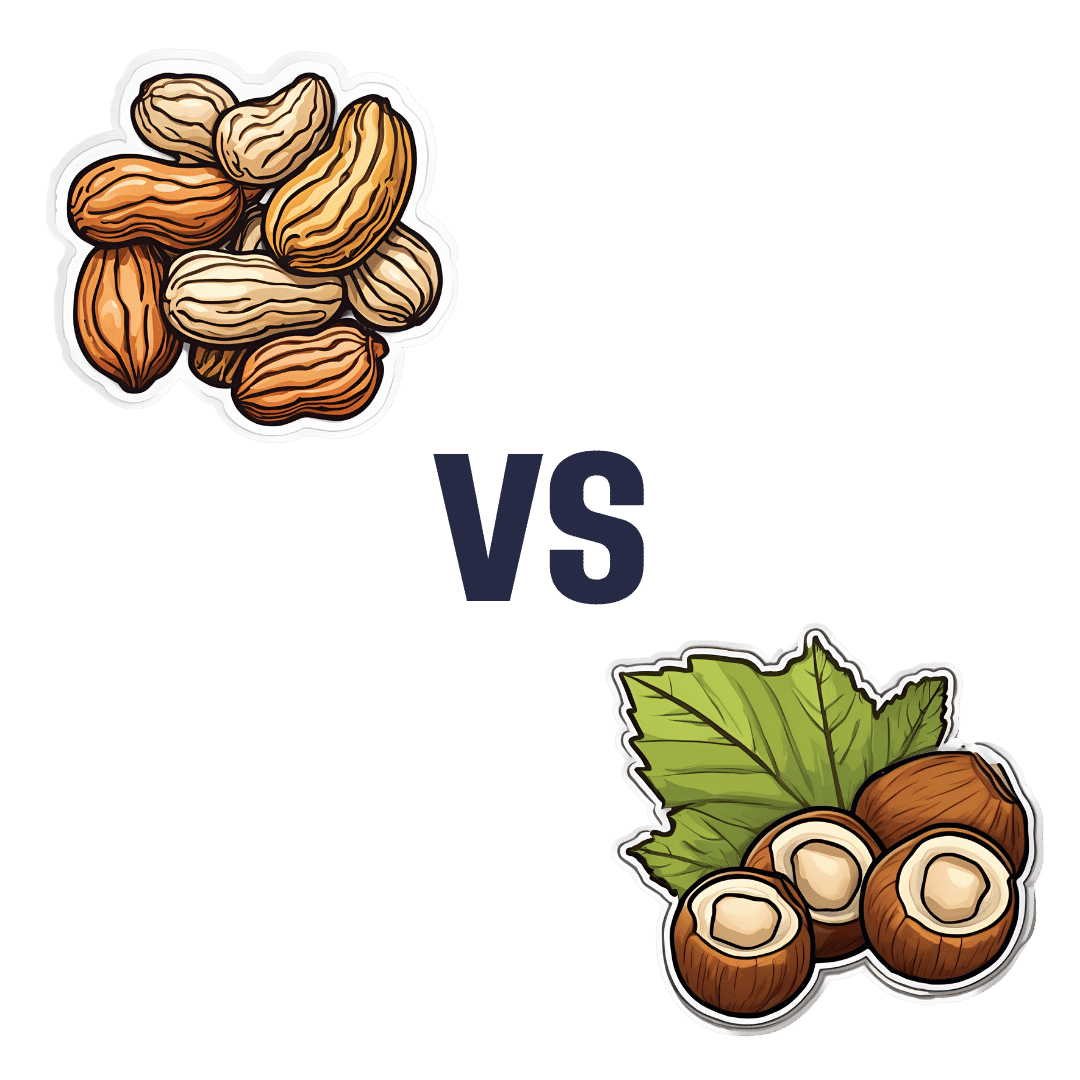
Peanuts vs Hazelnuts – Which is Healthier?

10almonds is reader-supported. We may, at no cost to you, receive a portion of sales if you purchase a product through a link in this article.
Our Verdict
When comparing peanuts to hazelnuts, we picked the hazelnuts.
Why?
It was close!
In terms of macros, peanuts have more protein while hazelnuts have more fiber and fat; the fat is healthy (mostly monounsaturated, some polyunsaturated, and very little saturated; less saturated fat than peanuts), so all in all, we’ll call this category a modest, subjective win for hazelnuts (since it depends on what we consider most important).
In the category of vitamins, peanuts have more of vitamins B2, B3, B5, B9, and choline, while hazelnuts have more of vitamins A, B1, B6, C, E, and K, making this one a marginal win for hazelnuts.
When it comes to minerals, peanuts have more magnesium, phosphorus, selenium, and zinc, while hazelnuts have more calcium, copper, iron, and manganese, so we’re calling it a tie on minerals.
Adding up the sections makes for a very close win for hazelnuts, but by all means enjoy both (unless you are allergic, of course)!
Want to learn more?
You might like to read:
Why You Should Diversify Your Nuts!
Enjoy!
Share This Post
-
Struggle To Deep Squat? It’s Probably This One Fixable Thing Holding You Back
10almonds is reader-supported. We may, at no cost to you, receive a portion of sales if you purchase a product through a link in this article.
Deep squat, Asian squat, Slav squat, resting squat… Whatever we want to call it, many in the West struggle with it.
Nevertheless, this struggle is entirely circumstantial, very fixable, and definitely not some kind of immutable law of the universe:
A strong foundation
A proper deep squat relies on four main factors:
- Ankle dorsiflexion allows the toes to pull toward the shin.
- Hip flexion and external rotation bring the thighs close to the torso while slightly rotating outward.
- Knee flexion ensures the thighs and calves make contact.
- Maintaining the center of mass over the midfoot is essential for balance.
Correspondingly, the reason for struggling can be a case of…
- Limited ankle mobility, which prevents the knees from moving forward, shifting weight backward.
- Tight glutes and weak hip flexors making it hard to bring the torso close to the thighs, often causing people to fall backward.
- Quad tightness can also restrict depth if the thighs cannot meet the calves.
- Proportionally longer femurs than average can cause extra difficulty as the pelvis shifts further back, requiring more knee travel for balance.
However, we said “one thing”, not “four things”, so what’s the deal?
For most people, we are told in this video, ankle mobility is the biggest limiting factor in achieving a deep squat. Thus, she recommends working on that, and (at the end of this video) links to another video with specifically ankle exercises.
For all of this plus visual demonstrations, enjoy:
Click Here If The Embedded Video Doesn’t Load Automatically!
Want to learn more?
You might also like:
The Secret To Better Squats: Foot, Knee, & Ankle Mobility
Take care!
Share This Post
-

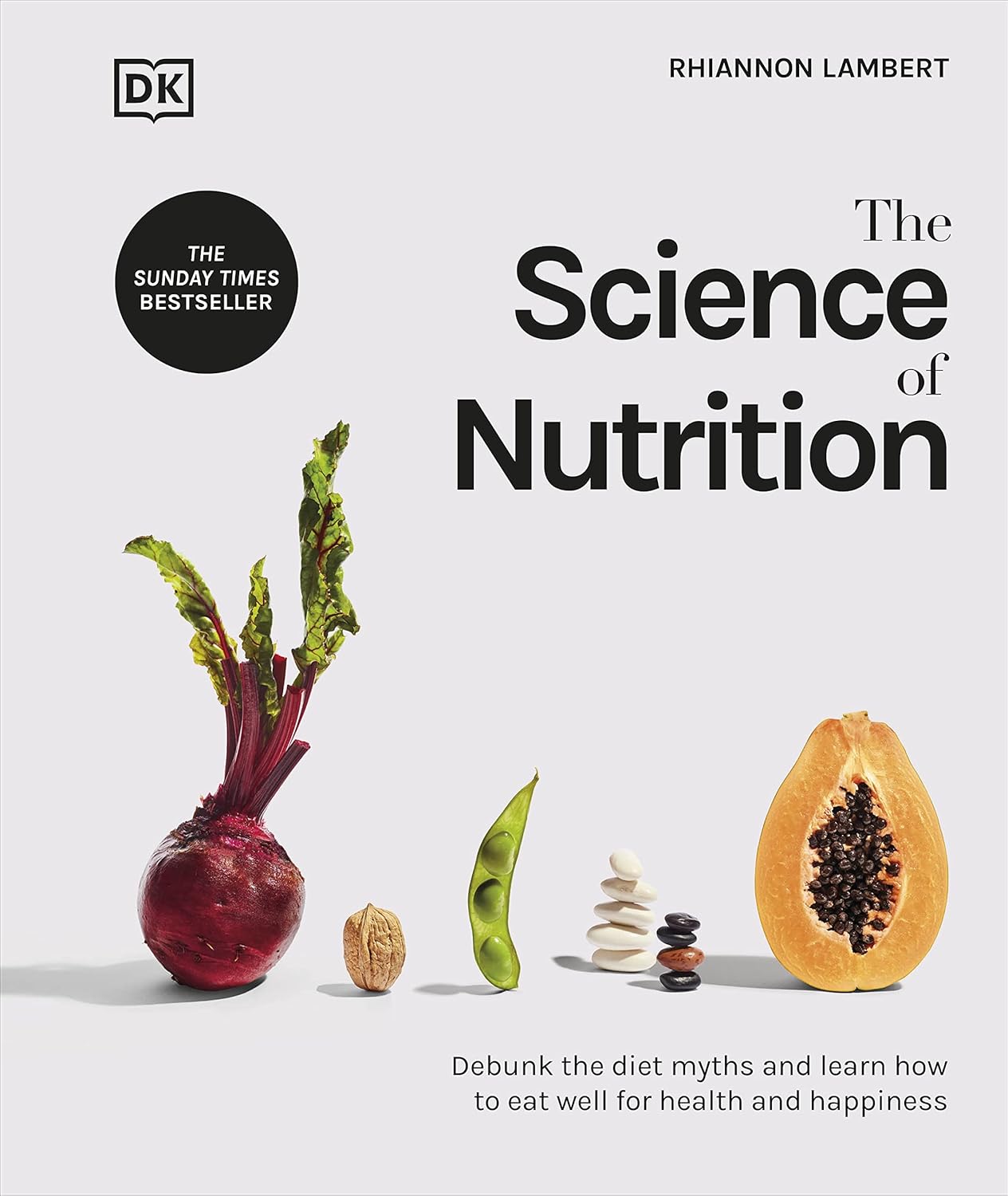
The Science of Nutrition – by Rhiannon Lambert
10almonds is reader-supported. We may, at no cost to you, receive a portion of sales if you purchase a product through a link in this article.
While there are a lot of conflicting dietary approaches out there, the science itself is actually fairly cohesive in most regards. This book does a lot of what we do here at 10almonds, and presents the science in a clear fashion without having any particular agenda to push.
The author is a nutritionist (BSc, MSc, RNutr) and therefore provides an up-to-date evidence-based approach for eating.
As a result, the only part of this book that brings it down in this reviewer’s opinion is the section on Intermittent Fasting. Being not strictly about nutrition, she has less expertise on that topic, and it shows.
The information is largely presented in double-page spreads each answering a particular question. Because of this, and the fact there are colorful graphic representations of information too, we do recommend the print version over Kindle*.
Bottom line: if you like the notion of real science being presented in a clear and simple fashion (we like to think our subscribers do!), then you’ll surely enjoy this book.
Click here to check out the Science of Nutrition, and get a clear overview!
*Writer’s note: I realize I’ve two days in a row recommended this (yesterday because there are checkboxes to check, worksheets to complete, etc), but it’s not a new trend; just how it happened to be with these two books. I love my Kindle dearly, but sometimes print has the edge for one reason or another!
Share This Post

Related Posts
-
The Pills That Reduce Alcohol Consumption
10almonds is reader-supported. We may, at no cost to you, receive a portion of sales if you purchase a product through a link in this article.
Alcohol is, of course, unhealthy. Not even the famous “small glass of red” is recommended:
Can We Drink To Good Health? ← this was mostly about the purported heart health benefits, and the answer to the question is: no, we cannot, and as WHO has declared, “the only safe amount of alcohol is zero”)
See also: How Much Alcohol Does It Take To Increase Cancer Risk? ← the answer is “any” (although, the risk is dose-dependent, so if not abstaining completely, less is still better than more)
A lot of why people think that moderate drinking is healthy, that widespread popular belief stems from flawed associative studies that compared the following two categories of people:
- non-drinkers, including many former heavy drinkers who stopped because they realized the harm they were doing to themselves
- light drinkers, who have been able to continue drinking because of their otherwise good health
In other words, they looked at now-teetotal former alcoholics whose health was ruined by drinking and concluded “aha, non-drinkers have bad health; clearly some drinking is best”.
You can read more about this and how that flawed research was later disproven once the confounding variables were removed, here: Are You Making This Alcohol Mistake?
Drugs to the rescue!
“Take drugs to reduce the consumption of alcohol (another drug)” may seem like odd advice, but we’re not talking narcotics here.
Although! The drugs in question are active on the dopamine system, so yes, it is actually rather relevant. In other words, they reduce alcohol cravings (and thus, alcohol consumption), by improving dopamine signalling, which means people are less likely to reach for a bottle to self-medicate in order to try to get certain parts of the brain to light up.
Here some readers may be thinking “but I’m not trying to self-medicate; I just like enjoying the drink”, and if that’s you, then well, consider double-checking, for example:
The Alcohol Experiment – by Annie Grace ← it’s a 30-day no-alcohol challenge. If it’s not a dependency, you can do it no problem, right? Compare how willing you are (or not) to do this challenge, compared to, say, abstaining from some other thing that you frequently enjoy but isn’t addictive.
For example, this writer drinks, on average, 6 cups of spearmint tea per day. I love it. But it’s not addictive, and if challenged to skip it, I wouldn’t be counting the days or having to plan coping strategies.
So, with the knowledge in mind that alcohol is indeed addictive and does hijack dopamine circuitry (and more), a team of researchers (Dr. Andrea de Bejczy et al.) investigated the combination of two existing medications (varenicline, for smoking cessation, and bupropion, an antidepressant that works on the dopamine system) in treating alcohol use disorder.
The study
It was respectably large (n=384) 13-week randomized controlled trial, with adults aged 25–70 years with moderate-to-severe alcohol use disorder. About two thirds of the participants were male, the rest were female.
As for how effective it was: compared to placebo, the combination of both drugs reduced a blood alcohol biomarker (B-PEth) by about 39% and the percentage of self-reported heavy drinking days by about 31%.
It’s worthy of note also that actually varenicline achieved this reduction when tested alone, too; adding buproprion didn’t increase the effectiveness but did decrease the side effects:
❝Nausea is a well-known and troublesome side effect of treatment with varenicline. It was surprising but very encouraging to see that nausea decreased when bupropion was added. The fact that the combination treatment is more tolerable for patients increases the chances that they will complete the full course of treatment❞
~ Dr. Andrea de Bejczy
You can read the paper in full, here: Efficacy and safety of varenicline and bupropion, in combination and alone, for alcohol use disorder: a randomized, double-blind, placebo-controlled multicentre trial
And if you’d prefer a drug-free approach, check out: Rethinking Drinking: How To Reduce Or Quit Alcohol
Worried you’ve already done too much harm?
It’s never too early to quit drinking, but it’s also never too late:
What Happens To Your Body When You Stop Drinking Alcohol ← for a detailed timeline which parts of your body recover when
Take care!
Don’t Forget…
Did you arrive here from our newsletter? Don’t forget to return to the email to continue learning!
Learn to Age Gracefully
Join the 98k+ American women taking control of their health & aging with our 100% free (and fun!) daily emails:
-
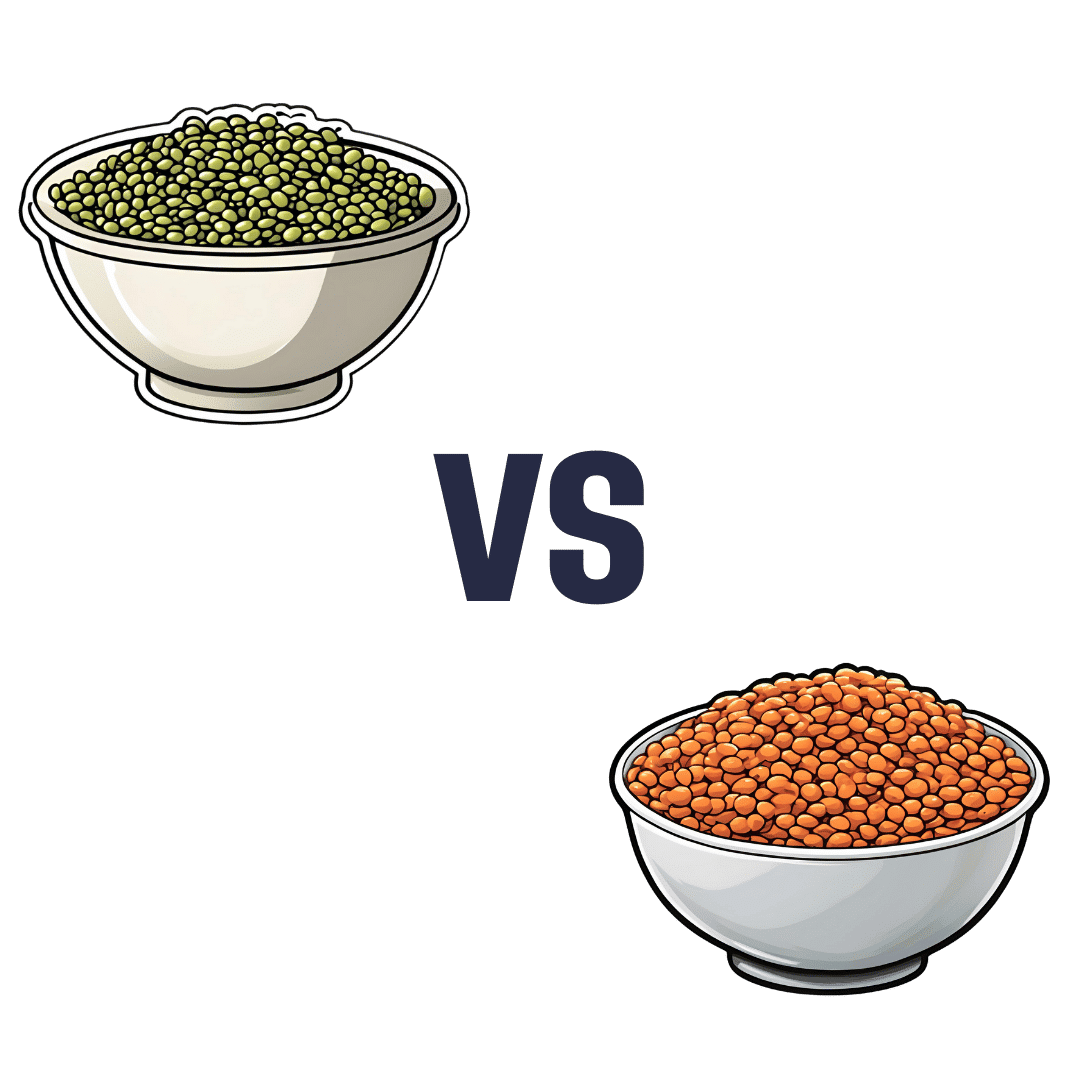
Mung Beans vs Red Lentils – Which is Healthier?
10almonds is reader-supported. We may, at no cost to you, receive a portion of sales if you purchase a product through a link in this article.
Our Verdict
When comparing mung beans to red lentils, we picked the lentils.
Why?
Both are great! But the lentils win on overall nutritional density.
In terms of macros, they have approximately the same carbs and fiber, and are both low glycemic index foods. The deciding factor is that the lentils have slightly more protein—but it’s not a huge difference; both are very good sources of protein.
In the category of vitamins, mung beans have more of vitamins A, E, and K, while red lentils have more of vitamins B1, B2, B3, B5, B6, B9, C, and choline. An easy win for lentils.
When it comes to minerals, again both are great, but mung beans have more calcium and magnesium (hence the green color) while red lentils have more copper, iron, manganese, phosphorus, potassium, selenium, and zinc. Another clear win for lentils.
Polyphenols are also a worthy category to note here; both have plenty, but red lentils have more, especially flavonols, anthocyanidins, proanthocyanidins, and anthocyanins (whence the red color).
In short: enjoy both, because diversity is almost always best. But if you’re picking one, red lentils are the most nutritious of the two.
Want to learn more?
You might like to read:
Sprout Your Seeds, Grains, Beans, Etc
Take care!
Don’t Forget…
Did you arrive here from our newsletter? Don’t forget to return to the email to continue learning!
Learn to Age Gracefully
Join the 98k+ American women taking control of their health & aging with our 100% free (and fun!) daily emails:
-

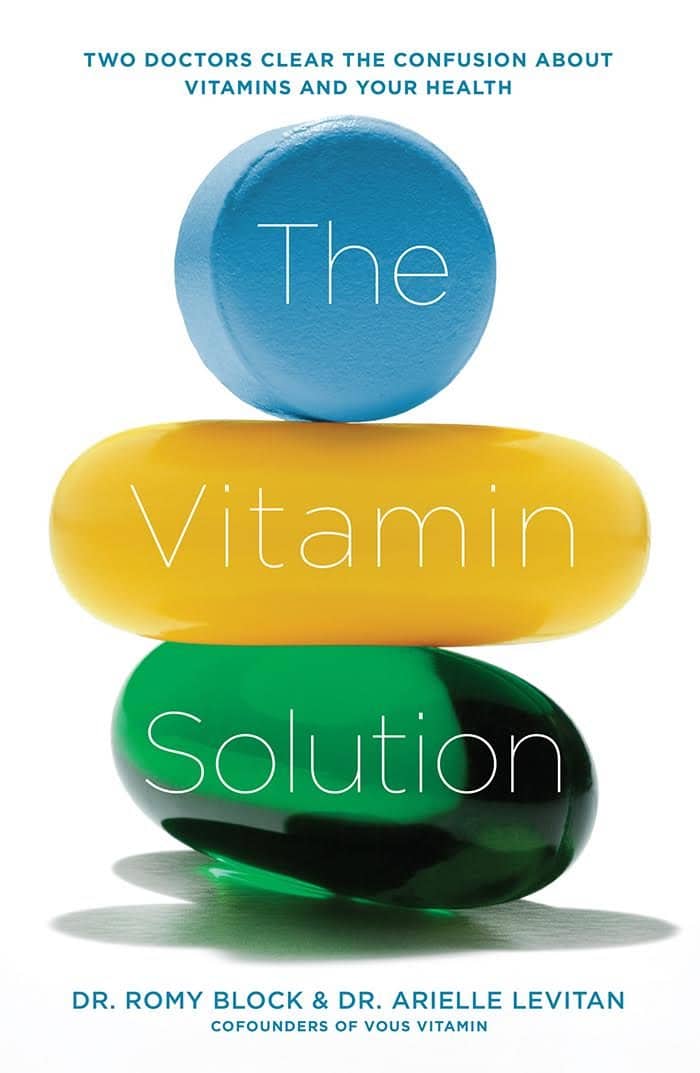
The Vitamin Solution – by Dr. Romy Block & Dr. Arielle Levitan
10almonds is reader-supported. We may, at no cost to you, receive a portion of sales if you purchase a product through a link in this article.
A quick note: it would be remiss of us not to mention that the authors of this book are also the founders of a vitamin company, thus presenting a potential conflict of interest.
That said… In this reviewer’s opinion, the book does seem balanced and objective, regardless.
We talk a lot about supplements here at 10almonds, especially in our Monday Research Review editions. And yesterday, we featured a book by a doctor who hates supplements. Today, we feature a book by two doctors who have made them their business.
The authors cover all the most common vitamins and minerals popularly enjoyed as supplements, and examine:
- why people take them
- factors affecting whether they help
- problems that can arise
- complicating factors
The “complicating factors” include, for example, the way many vitamins and/or minerals interplay with each other, either by requiring the presence of another, or else competing for resources for absorption, or needing to be delicately balanced on pain of diverse woes.
This is the greatest value of the book, perhaps; it’s where most people go wrong with supplementation, if they go wrong.
While both authors are medical doctors, Dr. Romy Block is an endocrinologist specifically, and she clearly brought a lot of extra attention to relevant metabolic/thyroid issues, and how vitamins and minerals (such as thiamin and iron) can improve or sabotage such, depending on various factors that she explains. Informative, and so far as this reviewer could see, objective and well-balanced.
Bottom line: supplementation is a vast and complex topic, but this book does a fine job of demystifying and simplifying it in a clear and objective fashion, without resorting to either scaremongering or hype.
Click here to check out The Vitamin Solution, and upgrade your knowledge!
Don’t Forget…
Did you arrive here from our newsletter? Don’t forget to return to the email to continue learning!
Learn to Age Gracefully
Join the 98k+ American women taking control of their health & aging with our 100% free (and fun!) daily emails: