

What’s the difference between medical abortion and surgical abortion?

10almonds is reader-supported. We may, at no cost to you, receive a portion of sales if you purchase a product through a link in this article.

In Australia, around one in four people who are able to get pregnant will have a medical or surgical abortion in their lifetime.

Both options are safe, legal and effective. The choice between them usually comes down to personal preference and availability.

So, what’s the difference?
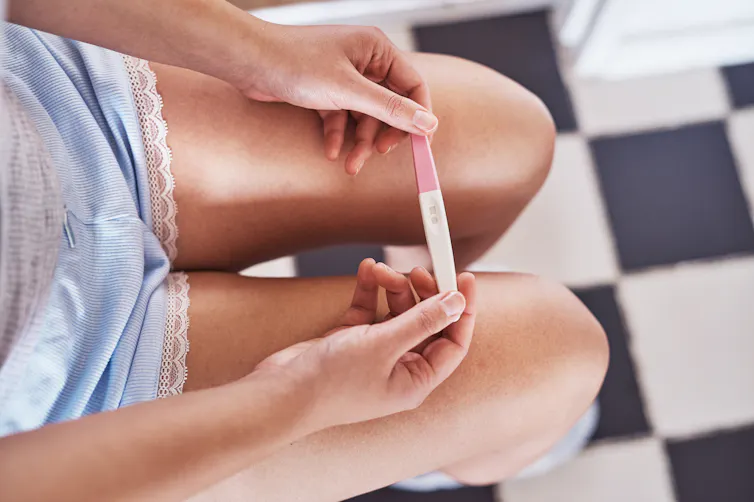
PeopleImages.com – Yuri A/Shutterstock

What is a medical abortion?

A medical abortion involves taking two types of tablets, sold together in Australia as MS2Step.

The first tablet, mifepristone, stops the hormone progesterone, which is needed for pregnancy. This causes the lining of the uterus to break down and stops the embryo from growing.

After taking mifepristone, you wait 36–48 hours before taking the second tablet, misoprostol. Misoprostol makes the cervix (the opening of the uterus) softer and starts contractions to expel the pregnancy.

It’s normal to have strong pain and heavy bleeding with clots after taking misoprostol. Pain relief including ibuprofen and paracetamol can help.

After two to six hours, the bleeding and pain usually become like a normal period, although this may last between two to six weeks.

Haemorrhage after a medical abortion is rare (occurring in fewer than 1% of abortions). But you should seek help if bleeding remains heavy (if you soak two pads per hour for two consecutive hours) or if you have have signs of infection (such as a fever, increasing abdominal pain or smelly vaginal discharge).

Do I have to go to hospital?

It is legal to have a medical abortion outside of a hospital up to nine weeks of pregnancy.

Depending on state or territory law, the medication can be prescribed by a qualified health-care provider such as a GP, nurse practitioner or endorsed midwife. These clinicians often work in GP surgeries or sexual and reproductive health clinics and they may use telehealth.

Medical abortions also occur after nine weeks of pregnancy, but these are done in hospitals and overseen by doctors alongside nurses or midwives.

Medical abortions after 20 weeks are done by taking medications to start early labour in a maternity unit. Often, medications are first given to stop the foetal heartbeat so it is not born alive. Then, other medications are given to manage pain.

These types of abortions are very rare. They may be used when an obstacle has prevented someone accessing an abortion earlier, continuing with the pregnancy is dangerous for the pregnant person’s health or if there is a serious problem with the foetus.

Pharmacist talks to a woman at the counter.
Medical abortions in Australia involve taking two tablets, usually around two days apart. PeopleImages.com – Yuri A/Shutterstock

What is a surgical abortion?

Surgical abortions are performed in an operating unit, usually with sedation, so you will not remember the procedure. Surgical abortions are sometimes preferred over medical abortions because they are quicker. But the decision should be between you and your health-care provider.

In the first 12–14 weeks of pregnancy, a surgical abortion takes less than 15 minutes and patients are usually discharged a few hours after the procedure.

Medications may be given before surgery to soften and open the cervix and to ease pain. During the procedure, the cervix is gently stretched open and the contents of the uterus are removed with a small tube. This procedure is carried out by trained doctors with the assistance of nurses.

Surgical abortions after 12–14 weeks are more complex and are performed by specially trained doctors. Similar to medical abortions, medications may be given first to stop the foetal heartbeat.

It is normal to experience some cramping and bleeding after a surgical abortion, which can last about two weeks. However, like medical abortion, you should seek help for heavy bleeding or signs of infection.

Do I need an ultrasound?

It used to be common before an abortion to have an ultrasound scan to check how far along the pregnancy was and to make sure it was not ectopic (outside the uterus).

However, this is no longer recommended in the early stages of pregnancy (up to 14 weeks) if it delays access to abortion. If the date of the last menstrual period is known and there are no other concerning symptoms, an ultrasound scan may not be necessary.

This means people can access medical abortion much sooner, even from the first day of a missed period, without waiting for the embryo to be big enough to be seen on an ultrasound scan. This is called “very early medical abortion”.

Before and after care

Before having an abortion, a health-care provider will explain common side effects and when to seek urgent medical attention. For people who want it, many types of contraception can be started the day of abortion.

Young woman talks to a doctor.
Your health-care provider will help you understand your options, including whether you want to start contraception. PowerUp/Shutterstock

Even though the success rate of medical abortion is very high (over 95%) it is routine to make sure the person is no longer pregnant.

This is usually done two to three weeks after taking the first tablet mifepristone, either by a low-sensitivity urine pregnancy test (which you can do at home) or a blood test.

In the rare case a medical abortion has not worked, a surgical abortion can be done.

Sometimes after a medical or surgical abortion, tissue is left behind in the uterus. If this happens you may need another dose of misoprostol (the second tablet) or a surgical procedure to remove the tissue.

Some people may also seek support-based counselling or peer support to help them work through the emotions that might accompany having an abortion.

Understanding the differences and similarities between medical and surgical abortions can help individuals make informed decisions about their reproductive health.

It’s important to speak with an unbiased health-care provider to discuss the best option for your circumstances and to ensure you receive the necessary follow-up care and support.

Lydia Mainey, Senior Nursing Lecturer, CQUniversity Australia

This article is republished from The Conversation under a Creative Commons license. Read the original article.

Don’t Forget…

Did you arrive here from our newsletter? Don’t forget to return to the email to continue learning!

Learn to Age Gracefully

Join the 98k+ American women taking control of their health & aging with our 100% free (and fun!) daily emails:

  • Can you get sunburnt or UV skin damage through car or home windows?

    10almonds is reader-supported. We may, at no cost to you, receive a portion of sales if you purchase a product through a link in this article.

    When you’re in a car, train or bus, do you choose a seat to avoid being in the sun or do you like the sunny side?

    You can definitely feel the sun’s heat through a window. But can you get sunburn or skin damage when in your car or inside with the windows closed?

    Let’s look at how much UV (ultraviolet) radiation passes through different types of glass, how tinting can help block UV, and whether we need sunscreen when driving or indoors.

    Zac Harris/Unsplash

    What’s the difference between UVA and UVB?

    Of the total UV radiation that reaches Earth, about 95% is UVA and 5% is UVB.

    UVB only reaches the upper layers of our skin but is the major cause of sunburn, cataracts and skin cancer.

    UVA penetrates deeper into our skin and causes cell damage that leads to skin cancer.

    Graphic showing UVA and UVB penetrating skin
    UVA penetrates deeper than UVB. Shutterstock/solar22

    Glass blocks UVA and UVB radiation differently

    All glass used in house, office and car windows completely blocks UVB from passing through.

    But only laminated glass can completely block UVA. UVA can pass through other glass used in car, house and office windows and cause skin damage, increasing the risk of cancer.

    Car windscreens block UVA, but the side and rear windows don’t

    A car’s front windscreen lets in lots of sunshine and light. Luckily it blocks 98% of UVA radiation because it is made of two layers of laminated glass.

    But the side and rear car windows are made of tempered glass, which doesn’t completely block UVA. A study of 29 cars found a range from 4% to almost 56% of UVA passed through the side and rear windows.

    The UVA protection was not related to the car’s age or cost, but to the type of glass, its colour and whether it has been tinted or coated in a protective film. Grey or bronze coloured glass, and window tinting, all increase UVA protection. Window tinting blocks around 95% of UVA radiation.

    In a separate study from Saudi Arabia, researchers fitted drivers with a wearable radiation monitor. They found drivers were exposed to UV index ratings up to 3.5. (In Australia, sun protection is generally recommended when the UV index is 3 or above – at this level it takes pale skin about 20 minutes to burn.)

    So if you have your windows tinted, you should not have to wear sunscreen in the car. But without tinted windows, you can accumulate skin damage.

    UV exposure while driving increases skin cancer risk

    Many people spend a lot of time in the car – for work, commuting, holiday travel and general transport. Repeated UVA radiation exposure through car side windows might go unnoticed, but it can affect our skin.

    Indeed, skin cancer is more common on the driver’s side of the body. A study in the United States (where drivers sit on the left side) found more skin cancers on the left than the right side for the face, scalp, arm and leg, including 20 times more for the arm.

    Another US study found this effect was higher in men. For melanoma in situ, an early form of melanoma, 74% of these cancers were on the on the left versus 26% on the right.

    Earlier Australian studies reported more skin damage and more skin cancer on the right side.

    Cataracts and other eye damage are also more common on the driver’s side of the body.

    What about UV exposure through home or office windows?

    We see UV damage from sunlight through our home windows in faded materials, furniture or plastics.

    Most glass used in residential windows lets a lot of UVA pass through, between 45 and 75%.

    Woman looks out of sunny window
    Residential windows can let varied amounts of UVA through. Sherman Trotz/Pexels

    Single-pane glass lets through the most UVA, while thicker, tinted or coated glass blocks more UVA.

    The best options are laminated glass, or double-glazed, tinted windows that allow less than 1% of UVA through.

    Skylights are made from laminated glass, which completely stops UVA from passing through.

    Most office and commercial window glass has better UVA protection than residential windows, allowing less than 25% of UVA transmission. These windows are usually double-glazed and tinted, with reflective properties or UV-absorbent chemicals.

    Some smart windows that reduce heat using chemical treatments to darken the glass can also block UVA.

    So when should you wear sunscreen and sunglasses?

    The biggest risk with skin damage while driving is having the windows down or your arm out the window in direct sun. Even untinted windows will reduce UVA exposure to some extent, so it’s better to have the car window up.

    For home windows, window films or tint can increase UVA protection of single pane glass. UVA blocking by glass is similar to protection by sunscreen.

    When you need to use sunscreen depends on your skin type, latitude and time of the year. In a car without tinted windows, you could burn after one hour in the middle of the day in summer, and two hours in the middle of a winter’s day.

    But in the middle of the day next to a home window that allows more UVA to pass through, it could take only 30 minutes to burn in summer and one hour in winter.

    When the UV index is above three, it is recommended you wear protective sunglasses while driving or next to a sunny window to avoid eye damage.

    Theresa Larkin, Associate Professor of Medical Sciences, University of Wollongong

    This article is republished from The Conversation under a Creative Commons license. Read the original article.

    Share This Post

  • Yoga Safety: Simple Guidelines

    10almonds is reader-supported. We may, at no cost to you, receive a portion of sales if you purchase a product through a link in this article.

    It’s Q&A Day at 10almonds!

    Have a question or a request? You can always hit “reply” to any of our emails, or use the feedback widget at the bottom!

    In cases where we’ve already covered something, we might link to what we wrote before, but will always be happy to revisit any of our topics again in the future too—there’s always more to say!

    As ever: if the question/request can be answered briefly, we’ll do it here in our Q&A Thursday edition. If not, we’ll make a main feature of it shortly afterwards!

    So, no question/request too big or small

    ❝I was wondering whether there were very simple, clear bullet points or instructions on things to be wary of in Yoga.❞

    That’s quite a large topic, and not one that lends itself well to being conveyed in bullet points, but first we’ll share the article you sent us when sending this question:

    Tips for Avoiding Yoga Injuries

    …and next we’ll recommend the YouTube channel @livinleggings, whose videos we feature here from time to time. She (Liv) has a lot of good videos on problems/mistakes/injuries to avoid.

    Here’s a great one to get you started:

    Share This Post

  • Hearing voices is common and can be distressing. Virtual reality might help us meet and ‘treat’ them

    10almonds is reader-supported. We may, at no cost to you, receive a portion of sales if you purchase a product through a link in this article.

    Have you ever heard something that others cannot – such as your name being called? Hearing voices or other noises that aren’t there is very common. About 10% of people report experiencing auditory hallucinations at some point in their life.

    The experience of hearing voices can be very different from person to person, and can change over time. They might be the voice of someone familiar or unknown. There might be many voices, or just one or two. They can be loud or quiet like a whisper.

    For some people these experiences are positive. They might represent a spiritual or supernatural experience they welcome or a comforting presence. But for others these experiences are distressing. Voices can be intrusive, negative, critical or threatening. Difficult voices can make a person feel worried, frightened, embarrassed or frustrated. They can also make it hard to concentrate, be around other people and get in the way of day-to-day activities.

    Although not everyone who hears voices has a mental health problem, these experiences are much more common in people who do. They have been considered a hallmark symptom of schizophrenia, which affects about 24 million people worldwide.

    However, such experiences are also common in other mental health problems, particularly in mood- and trauma-related disorders (such as bipolar disorder or depression and post-traumatic stress disorder) where as many as half of people may experience them.

    Rawpixel/Shutterstock

    Why do people hear voices?

    It is unclear exactly why people hear voices but exposure to prolonged stress, trauma or depression can increase the chances.

    Some research suggests people who hear voices might have brains that are “wired” differently, particularly between the hearing and speaking parts of the brain. This may mean parts of our inner speech can be experienced as external voices. So, having the thought “you are useless” when something goes wrong might be experienced as an external person speaking the words.

    Other research suggests it may relate to how our brains use past experiences as a template to make sense of and make predictions about the world. Sometimes those templates can be so strong they lead to errors in how we experience what is going on around us, including hearing things our brain is “expecting” rather than what is really happening.

    What is clear is that when people tell us they are hearing voices, they really are! Their brain perceives voice experiences as if someone were talking in the room. We could think of this “mistake” as working a bit like being susceptible to common optical tricks or visual illusions.

    man's head with image of brain scan superimposed
    There may be differences in the brains of people who hear voices. Triff/Shutterstock

    Coping with hearing voices

    When hearing voices is getting in the way of life, treatment guidelines recommend the use of medications. But roughly a third of people will experience ongoing distress. As such, treatment guidelines also recommend the use of psychological therapies such as cognitive behavioural therapy.

    The next generation of psychological therapies are beginning to use digital technologies and virtual reality offers a promising new medium.

    Avatar therapy allows a person to create a virtual representation of the voice or voices, which looks and sounds like what they are experiencing. This can help people regain power in the “relationship” as they interact with the voice character, supported by a therapist.

    Jason’s experience

    Aged 53, Jason (not his real name) had struggled with persistent voices since his early 20s. Antipsychotic medication had helped him to some extent over the years, but he was still living with distressing voices. Jason tried out avatar therapy as part of a research trial.

    He was initially unable to stand up to the voices, but he slowly gained confidence and tested out different ways of responding to the avatar and voices with his therapist’s support.

    Jason became more able to set boundaries, such as not listening to them for periods throughout the day. He also felt more able to challenge what they said and make his own choices.

    Over a couple of months, Jason started to experience some breaks from the voices each day and his relationship with them started to change. They were no longer like bullies, but more like critical friends pointing out things he could consider or be aware of.

    A digital image of a man's face with settings to right to shape voice characteristics
    A screenshot from HekaVR, the software used in the Australian AMETHYST trial. HekaVR, CC BY-ND

    Gaining recognition

    Following promising results overseas and its recommendation by the United Kingdom’s National Institute for Health and Care Excellence, our team has begun adapting the therapy for an Australian context.

    We are trialling delivering avatar therapy from our specialist voices clinic via telehealth. We are also testing whether avatar therapy is more effective than the current standard therapy for hearing voices, based on cognitive behavioural therapy.

    As only a minority of people with psychosis receive specialist psychological therapy for hearing voices, we hope our trial will support scaling up these new treatments to be available more routinely across the country.

    We would like to acknowledge the advice and input of Dr Nadine Keen (consultant clinical psychologist at South London and Maudsley NHS Foundation Trust, UK) on this article.

    Leila Jameel, Trial Co-ordinator and Research Therapist, Swinburne University of Technology; Imogen Bell, Senior Research Fellow and Psychologist, The University of Melbourne; Neil Thomas, Professor of Clinical Psychology, Swinburne University of Technology, and Rachel Brand, Senior Lecturer in Clinical Psychology, University of the Sunshine Coast

    This article is republished from The Conversation under a Creative Commons license. Read the original article.

    Share This Post

  • Avocado vs Smoked Salmon – Which is Healthier?

    10almonds is reader-supported. We may, at no cost to you, receive a portion of sales if you purchase a product through a link in this article.

    Our Verdict

    When comparing avocado to smoked salmon, we picked the avocado.

    Why?

    In terms of macros, these are quite dissimilar, despite often fulfilling a similar culinary role; avocado has a lot of fiber (salmon has none) while salmon has a lot of protein (avocado has quite little). So far, so tied. When we look at fats, it gets interesting, because people often assume that all fish are fatty, and it’s not so; salmon are a rather lean fish, while avocado, meanwhile, is famously oily for a plant. This means that proportionally, salmon has more saturated fat, though avocado has more in total; avocado also has much more monounsaturated fat (proportionally and in total), while both foods have approximately equal omega-3. All in all, notwithstanding their many differences, the pros and cons are balanced, we we declare this category a tie.

    In the category of vitamins, avocado has more of vitamins B1, B2, B5, B9, C, E, and K, while salmon has more of vitamins A, B3, B12, D, and choline. Superficially that’s a 7:5 win for avocado already, but it’s worth mentioning that avocados have a huge margin of difference when it comes to vitamins B9 and K (with more than 40x the vitamin B9, and more than 210x the vitamin K), which puts the result even further in avocado’s favor. So, a very clear win for avocado here.

    When it comes to minerals, avocado has more magnesium, manganese, potassium, and zinc, while salmon has more copper, iron, phosphorus, and selenium. That’d be a 4:4 tie, but salmon also has around 100x the sodium, which makes this category a win for avocado.

    In terms of phytochemicals, avocado has some beneficial flavonols, while salmon has nothing because, well, it’s not plant. That said, the numbers are very low for avocado, sufficient that for practical purposes, we could call this round a tie, even if the win should technically go to avocado.

    There are a couple of extra things that salmon normally has that avocado doesn’t: salmon usually contains antibiotics and heavy metals. If it’s farmed, it’ll be super high in antibiotics (that’s very bad) unless the company has clear outside testing certifications attesting to the contrary; if it’s wild-caught, then antibiotics levels can be expected to be relatively lower, though antibiotic pollution levels are rising in rivers and the coastal waters they discharge into. Please also do not fall for greenwashing; a “clean” aesthetic does not mean the product is free from contaminants (and almost no fish will be completely free from heavy metals these days). Needless to say, both of these things count against salmon, and thus mean an extra point or two for avocado in comparison.

    Adding up the sections makes a clear overall win for avocado, but as we say, both have their merits, so do enjoy either or both!

    Want to learn more?

    You might like:

    Farmed Fish vs Wild Caught: Important Differences

    Enjoy!

    Don’t Forget…

    Did you arrive here from our newsletter? Don’t forget to return to the email to continue learning!

    Learn to Age Gracefully

    Join the 98k+ American women taking control of their health & aging with our 100% free (and fun!) daily emails:

  • How Stress Causes Physical Pain: The Brain–Body Connection Explained Simply

    10almonds is reader-supported. We may, at no cost to you, receive a portion of sales if you purchase a product through a link in this article.

    Dr. Amy Konvalin talks us through why it happens and what to do about it (besides just “manage stress”!):

    It’s about signalling

    Stress has a lot of effects when it comes to pain-signalling: it changes nervous system activity, increases cortisol, activates the fight-or-flight response, raises muscle tension, and can also excite inflammatory pathways, all of which can magnify existing pain even when there is a real biomechanical injury underneath.

    • First, understand the pain cycle: irritation or injury sends signals to the brain, the brain interprets them as pain, and muscles tighten in response, which can worsen irritation, reduce movement, trap inflammatory chemicals, and create a repeating cycle where pain becomes increasingly widespread and sensitive.
    • Next, what to do about it: because stress often causes shallow breathing (using your neck and shoulder muscles instead of your diaphragm), increasing tension, this means that deep diaphragmatic breathing can help by activating the vagus nerve, helping to shift the body out of fight-or-flight mode, improve regulation of inflammation, and reduce pain sensitivity.

    In practical terms, lowering pain intensity even slightly can help people identify which activities truly aggravate symptoms, as shown in the example of a patient who only recognized prolonged desk sitting as a trigger after her overall pain level decreased through treatment, breathing work, and lifestyle adjustments.

    One final note before we move on: pain is processed in the brain, so in that sense all pain is “in your head,” but that doesn’t mean it is imaginary or emotionally fabricated, because stress can biologically amplify real physical pain through nervous system and inflammatory mechanisms.

    For more on all of this, enjoy:

    Click Here If The Embedded Video Doesn’t Load Automatically!

    Want to learn more?

    You might also like:

    Stop Pain Spreading

    Take care!

    Don’t Forget…

    Did you arrive here from our newsletter? Don’t forget to return to the email to continue learning!

    Learn to Age Gracefully

    Join the 98k+ American women taking control of their health & aging with our 100% free (and fun!) daily emails:

  • How Are You, Really? And How Old Is Your Heart?

    10almonds is reader-supported. We may, at no cost to you, receive a portion of sales if you purchase a product through a link in this article.

    How Are You, Really? The Free NHS Health Test

    We took this surprisingly incisive 10-minute test from the UK’s famous National Health Service—the test is part of the “Better Health” programme, a free-to-all (yes, even those from/in other countries) initiative aimed at keeping people healthy enough to have less need of medical attention.

    As one person who took the test wrote:

    ❝I didn’t expect that a government initiative would have me talking about how I need to keep myself going to be there for the people I love, let alone that a rapid-pace multiple-choice test would elicit these responses and give personalized replies in turn, but here we are❞

    It goes beyond covering the usual bases, in that it also looks at what’s most important to you, and why, and what might keep you from doing the things you want/need to do for your health, AND how those obstacles can be overcome.

    Pretty impressive for a 10-minute test!

    Is Your Health Above Average Already? Take the Free 10-minute NHS test now!

    How old are you, in your heart?

    Poetic answers notwithstanding (this writer sometimes feels so old, and yet also much younger than she is), there’s a biological answer here, too.

    Again free for the use of all*, here’s a heart age calculator.

    *It is suitable for you if you are aged 30–95, and do not have a known complicating cardiovascular disease.

    It will ask you your (UK) postcode; just leave that field blank if you’re not in the UK; it’ll be fine.

    How Old Are You, In Your Heart? Take the Free 10-minute NHS test now!

    (Neither test requires logging into anything, and they do not ask for your email address. The tests are right there on the page, and they give the answers right there on the page, immediately)

    Don’t Forget…

    Did you arrive here from our newsletter? Don’t forget to return to the email to continue learning!

    Learn to Age Gracefully

    Join the 98k+ American women taking control of their health & aging with our 100% free (and fun!) daily emails: