
What Most People Are Missing When Trying To Touch Their Toes

10almonds is reader-supported. We may, at no cost to you, receive a portion of sales if you purchase a product through a link in this article.

Touching your toes is considered an important measure of flexibility… And it is!

However…

The unseen parts

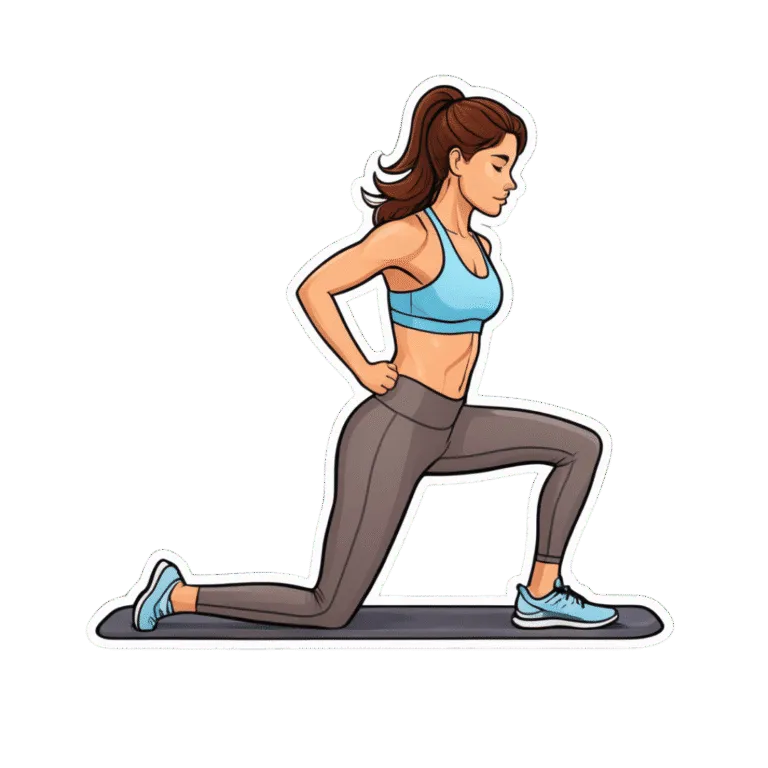
It isn’t just about flexibility—it’s also about posture, and strong body mechanics. And that’s the reason that many people fail despite sustained periods of trying. So instead of just stretching and hoping and stretching and hoping, take the necessary extra step of including exercises like these in your routine:

  • Seated forward fold with band: sit with your legs straight and toes pointed up; loop a band around your feet, keep your back straight, and gently pull yourself forwards.
  • Downward dog heel pedal: start in downward dog with your feet hip-width apart and hips lifted high, and then alternately bend each knee while pressing the opposite heel towards the floor.
  • Standing pancake (closed hips): stand with your legs wider than shoulder-width and your toes pointing straight forwards; hinge from your hips to fold your torso downwards, reaching towards the floor or your ankles (while keeping your legs straight and hips square.
  • Jefferson curl: stand on a small box or step with light weights in your hands; tuck your chin to your chest and roll your spine down one vertebra at a time, letting the weights gently pull you deeper. Pause at the bottom, then slowly reverse the movement to return upright—this strengthens spinal control and stretches your entire posterior chain.

For more on all of this plus visual demonstrations, enjoy:

Click Here If The Embedded Video Doesn’t Load Automatically!

Want to learn more?

You might also like:

Can’t Do The Middle Splits? Two Anatomy Tricks To Get You Deeper In Seconds

Take care!

Don’t Forget…

Did you arrive here from our newsletter? Don’t forget to return to the email to continue learning!
Learn to Age Gracefully

Join the 98k+ American women taking control of their health & aging with our 100% free (and fun!) daily emails:

  • What To Say When You Talk To Your Self – by Dr. Shad Helmstetter

    10almonds is reader-supported. We may, at no cost to you, receive a portion of sales if you purchase a product through a link in this article.

    It’s sometimes said that your brain, and by extension the rest of your body, is listening to everything you say—including, of course, what you say just in your head.

    So, how can we best make use of that? Dr. Helmstetter covers a lot more than just “be nice to yourself”, and discusses how to change habits and rewire attitude, solve problems and overcome personal growth stasis, and also how to navigate the nuances of situational self-talk, while keeping to the principle that “if it isn’t simple, it won’t work”.

    The style is a little more personal than one might expect; notwithstanding the title being about what to say when you talk to yourself, the pronoun “I” is the one the author uses rather more than “you”, giving many examples of how he has done things, and telling stories involving himself. This is all illustrative and helpful, so it’s not a problem, just an interesting choice that may alienate some readers.

    In the category of subjective criticism, the book is quite repetitive; it seems Dr. Helmstetter goes for the P. T. Barnum approach of “tell them what you’re going to tell them, tell them, and then tell them what you’ve told them”, and repeats a few extra times to be sure. So, for those who find that repetition indeed helps learning, this book will very much fulfil that preference.

    Bottom line: if you’d like to improve your self-talk to re-write your brain for the better, then this book will walk you through the processes very thoroughly indeed.

    Click here to check out What To Say When You Talk To Your Self, and rewire yourself!

    Share This Post

  • Gluten Sensitivity May Not Be About The Gluten

    10almonds is reader-supported. We may, at no cost to you, receive a portion of sales if you purchase a product through a link in this article.

    When it comes to understanding of how gluten affects different people’s bodies, there’s a lot that’s not well-understood.

    By this we mean: there’s a lot that’s not well-understood by science, and there’s even more that’s not well-understood by people in general.

    We did some demystification, covering such things as celiac disease and the differences between an allergy, intolerance, and sensitivity, here:

    Gluten: What’s The Truth?

    And now…

    A new culprit arises

    Well, actually a moderately well-known culprit, just, not usually associated with this.

    Researchers (Dr. Jessica Biesiekierski et al.) found that non-celiac gluten sensitivity (NCGS) appears to be driven by gut–brain interactions rather than gluten itself.

    You may be thinking: “yes, but the gut is reacting to the gluten, right?”

    A very reasonable assumption! And the answer is: no

    As Dr. Biesiekierski put it:

    ❝Contrary to popular belief, most people with NCGS aren’t reacting to gluten. Our findings show that symptoms are more often triggered by fermentable carbohydrates, commonly known as FODMAPs, by other wheat components or by people’s expectations and prior experiences with food.❞

    As for how she and her team figured this out, they did the largest combined analysis of its kind that’s ever been done on this topic, and found:

    ❝Across recent studies, people with IBS who believe they’re gluten-sensitive react similarly to gluten, wheat, and placebo.

    This suggests that how people anticipate and interpret gut sensations can strongly influence their symptoms.

    Taken together, this redefines NCGS as part of the gut–brain interaction spectrum, closer to conditions like irritable bowel syndrome, rather than a distinct gluten disorder.❞

    You can find the paper itself, here: Non-coeliac gluten sensitivitywhere you can also read the insights of Dr. Daisy Jonkers and other researchers!

    If you do want to avoid FODMAPs while still getting enough other important plant nutrients, see: Fruit, Fiber, & Leafy Greens… On A Low-FODMAP Diet!

    So, with this in mind, one might wonder: is there any harm in going gluten-free as well just to be on the safe side?

    And yes, there may be issues! See: Why Going Gluten-Free Could Be A Bad Idea

    And as for grains in general (for most people) enjoying whole grains remains a very good idea:

    3 servings (each being 90g, or about ½ cup) of whole grains per day is associated with a 22% reduction in risk of heart disease, 5% reduction in all-cause mortality, and a lot of benefits across a lot of other disease risks:

    ❝This meta-analysis provides further evidence that whole grain intake is associated with a reduced risk of coronary heart disease, cardiovascular disease, and total cancer, and mortality from all causes, respiratory diseases, infectious diseases, diabetes, and all non-cardiovascular, non-cancer causes.

    These findings support dietary guidelines that recommend increased intake of whole grain to reduce the risk of chronic diseases and premature mortality.❞

    ~ Dr. Dagfinn Aune et al.

    Read in full: Whole grain consumption and risk of cardiovascular disease, cancer, and all cause and cause specific mortality: systematic review and dose-response meta-analysis of prospective studies

    We’d like to give a lot more sources for the same findings, as well as papers for all the individual claims, but frankly, there are so many that there isn’t room. Suffice it to say, this is neither controversial nor uncertain; these benefits are well-established.

    Want to learn more?

    Here’s a guest article written by none other than Dr. Jessica Biesiekierski, the lead researcher on the first study we linked today:

    Your gluten sensitivity might be something else entirely, new study shows

    Take care!

    Share This Post

  • Body Language (In The Real World)

    10almonds is reader-supported. We may, at no cost to you, receive a portion of sales if you purchase a product through a link in this article.

    Forget What You Think You Know About Body Language

    …unless it’s about a specific person whose habits and mannerisms you know intimately, in which case, you probably have enough personal data stored up to actually recognize patterns à la “when my spouse does this, then…”, and probably do know what’s going on.

    For everyone else… our body language can be as unique as our idiolect

    What’s an idiolect? It’s any one given person’s way of speaking/writing, in their natural state (i.e. without having to adjust their style for some reason, for example in a public-facing role at work, where style often becomes much narrower and more consciously-chosen).

    Extreme example first

    To give an extreme example of how non-verbal communication can be very different than a person thinks, there’s an anecdote floating around the web of someone whose non-verbal autistic kid would, when he liked someone who was visiting the house, hide their shoes when they were about to leave, to cause them to stay longer. Then one day some relative visited and when she suggested that she “should be going sometime soon”, he hurried to bring her her shoes. She left, happy that the kid liked her (he did not).

    The above misunderstanding happened because the visitor had the previous life experience of “a person who brings me things is being helpful, and if they do it of their own free will, it’s because they like me”.

    In other words…

    Generalizations are often sound… In general

    …which does not help us when dealing with individuals, which as it turns out, everyone is.

    Clenched fists = tense and angry… Except when it’s just what’s comfortable for someone, or they have circulation issues, or this, or that, or the other.

    Pacing = agitated… Except when it’s just someone who finds the body in motion more comfortable

    Relaxed arms and hands = at ease and unthreatening… Unless it’s a practitioner of various martial arts for whom that is their default ready-for-action state.

    Folded arms = closed-off, cold, distant… Or it was just somewhere to put one’s hands.

    Lack of eye contact = deceitful, hiding something… Unless it’s actually for any one of a wide number of reasons, which brings us to our next section:

    A liar’s “tells”

    Again, if you know someone intimately and know what signs are associated with deceit in them, then great, that’s a thing you know. But for people in general…

    A lot of what is repeated about “how to know if someone is lying” has seeped into public consciousness from “what police use to justify their belief that someone is lying”.

    This is why many of the traditional “this person is lying” signs are based around behaviors that show up when in fact “this person is afraid, under pressure, and talking to an authority figure who has the power to ruin their life”:

    Research on Non-verbal Signs of Lies and Deceit: A Blind Alley

    But what about eye-accessing cues? They have science to them, right?

    For any unfamiliar: this is about the theory that when we are accessing different parts of our mind (such as memory or creativity, thus truthfulness or lying), our eyes move one way or another according to what faculty we’re accessing.

    Does it work? No

    But, if you carefully calibrate it for a specific person, such as by asking them questions along the lines of “describe your front door” or “describe your ideal holiday”, to see which ways they look for recall or creativity… Then also no:

    The Eyes Don’t Have It: Lie Detection and Neuro-Linguistic Programming

    How can we know what non-verbal communication means, then?

    With strangers? We can’t, simply. It’s on us to be open-minded, with a healthy balance of optimism and wariness.

    With people we know? We can build up a picture over time, learn the person’s patterns. Best of all, we can ask them. In the moment, and in general.

    For more on optimizing interpersonal communication, check out:

    Save Time With Better Communication

    …and the flipside of that:

    The Problem With Active Listening (And How To Do It Better)

    Take care!

    Share This Post

  • Unbreakable: A Woman’s Guide to Aging with Power – by Dr. Vonda Wright

    10almonds is reader-supported. We may, at no cost to you, receive a portion of sales if you purchase a product through a link in this article.

    The author, an orthopedic surgeon and longevity specialist, puts the focus on a) women b) musculoskeletal health.

    Because, while when thinking about hormones and health a lot of people focus on visible things like hair and nails and such, when it comes to the effects of untreated menopause, let’s face it: more people die from the consequences of a broken hip than from a broken nail.

    So, she wants us to avoid the train of sarcopenia → osteopenia → osteoporosis → fractures → infections → death, by reducing our risk factors early, and staying more robust and biologically younger.

    She advises doing this in four main ways:

    • Exercise: because stronger muscles mean stronger bones, and the impact on metabolic health is important too
    • Nutrition: nourishing our muscles and bones, looking after our gut microbiome, and eliminating inflammation
    • Supplements: mostly things we can’t reasonably get from diet, such as senolytics that tackle aging on a cellular level
    • Lifestyle: in ways not already covered by the above three methods, so now we’re adding such things as sleep, stress management, and so forth.
      • This may sound like an optional add-on, but the reality is that our body can’t do the other things properly if we don’t also have this in hand.

    With these things in order, she argues, we can reasonably expect to go from strength to strength, rather than the decline that most people experience in later years.

    The style is light and personable easy-reading pop-science, with minimal jargon, and any necessary terms explained. After a respectable bibliography, there are also appendices with exercise protocols, recipes, and a how-to guide for managing pain and injury.

    Bottom line: if you are a woman and/or care about a woman, the contents of this book are something you should know inside-out, because it’s that important.

    Click here to check out Unbreakable, and make yourself as unbreakable as humanly possible!

    Don’t Forget…

    Did you arrive here from our newsletter? Don’t forget to return to the email to continue learning!

    Learn to Age Gracefully

    Join the 98k+ American women taking control of their health & aging with our 100% free (and fun!) daily emails:

  • Younger For Life – by Dr. Anthony Youn

    10almonds is reader-supported. We may, at no cost to you, receive a portion of sales if you purchase a product through a link in this article.

    We’ve reviewed anti-aging books before, so what makes this one different? Mostly, it’s the very practical focus.

    Which is not to say there’s not also good science in here; there is. But the focus is on what everything means for the reader, not what happened with a certain cohort of lab mice. Instead, he looks at the causes of aging, the process of aging, and what interventions to implement to address those, and reverse many of them.

    Some parts are more general lifestyle interventions that 10almonds readers will know well already, but other parts are very specific advices, protocols, and regimes; in particular his skincare section is well worth reading. As for nutrition, there’s even a respectable recipes section, so this book does have it all!

    The final section of the book is dedicated to plastic surgeries (the author is a plastic surgeon who believes that most people should not need those, and would do well to stick to the advices in the rest of the book). We suspect this last part of the book will be of least interest to 10almonds readers.

    Bottom line: if you’re of the view that getting older should come with as little as possible physical deterioration along the way, then this book can help a lot with that.

    Click here to check out Younger For Life, and feel great!

    Don’t Forget…

    Did you arrive here from our newsletter? Don’t forget to return to the email to continue learning!

    Learn to Age Gracefully

    Join the 98k+ American women taking control of their health & aging with our 100% free (and fun!) daily emails:

  • Are berries safe to eat? How worried should I be about the pesticide dimethoate?

    10almonds is reader-supported. We may, at no cost to you, receive a portion of sales if you purchase a product through a link in this article.

    Australia’s regulator has suspended use of a common pesticide used on blueberries, raspberries and blackberries known as dimethoate.

    But this year-long suspension isn’t due to any new information about the pesticide itself. Rather, the Australian Pesticides and Veterinary Medicines Authority (APVMA) says it’s because we’re eating more berries so our potential exposure has increased.

    In particular, it says children aged two to six years may be at increased risk of exceeding maximum limits.

    Here’s what we know about dimethoate and whether berries are still safe to eat. https://www.youtube.com/embed/dds_-BiSng4?wmode=transparent&start=0

    Alexander Sinn/Unsplash

    What is dimethoate?

    Dimethoate is a pesticide that has been used in Australia since 1956. It belongs to a class of pesticides that inhibits the enzyme acetylcholinesterase. This prevents the breakdown of a key neurotransmitter (chemical messenger) and so paralyses an insect’s nervous system, killing it.

    Mammals, including humans, also have the enzyme acetylcholinesterase, and can be poisoned by this class of pesticide.

    So careful regulation of both application of dimethoate and levels of dimethoate residues on food are required so we are not exposed to harmful levels.

    The amount of maximum permissible residues depends, in turn, on how much someone is exposed to from their food.

    To do this, you need to have estimates of how much residue is on food and how much food we eat.

    How much is too much?

    The APVMA has a maximum limit for how much dimethoate we should be exposed to from our food. This is known as the acute reference dose (or ARfD), which is 0.02 milligrams per kilogram of body weight.

    This maximum dose includes a safety factor of ten. In other words, the maximum dose allowed is ten times lower than the lowest dose that has no effect.

    This dose was set in 2017. But it is consistent with current World Health Organization limits and Canadian regulations. Australia’s maximum dose is lower than limits from the United States Environmental Protection Agency.

    So, what’s changed?

    But our dietary habits have changed. Australian consumption of blueberries, blackberries and raspberries has increased substantially since the APVMA last assessed dimethoate. Consumption is up 285–962% compared to levels considered for its 2017 assessment.

    Eating more berries is a good thing. But this means that current trace levels of dimethoate on berries (0.0033 micrograms per kilogram of body weight per day for a toddler) might potentially exceed the maximum limit for children aged two to six years.

    The APVMA states:

    The level of residues detected are unlikely to pose a serious risk to human health, but has proposed suspension of these specific dimethoate products as a precautionary measure.

    What can you do?

    Don’t give up on berries. Eating berries is an important part of a balanced diet. And the APVMA is at pains to emphasise the risk of harm is low.

    The simplest approach is to wash your berries. You should be washing fruit and vegetables anyway. Washing helps get rid of soil, and potentially harmful microorganisms.

    Washing berries will not remove all dimethoate, but can substantially reduce the levels so you can continue to enjoy them and their benefits.

    Ian Musgrave, Senior Lecturer in Pharmacology, University of Adelaide

    This article is republished from The Conversation under a Creative Commons license. Read the original article.

    Don’t Forget…

    Did you arrive here from our newsletter? Don’t forget to return to the email to continue learning!

    Learn to Age Gracefully

    Join the 98k+ American women taking control of their health & aging with our 100% free (and fun!) daily emails: