Dual-Task, High-Velocity Training For The Brain

10almonds is reader-supported. We may, at no cost to you, receive a portion of sales if you purchase a product through a link in this article.

…and other items from this week’s health news:

Body & brain

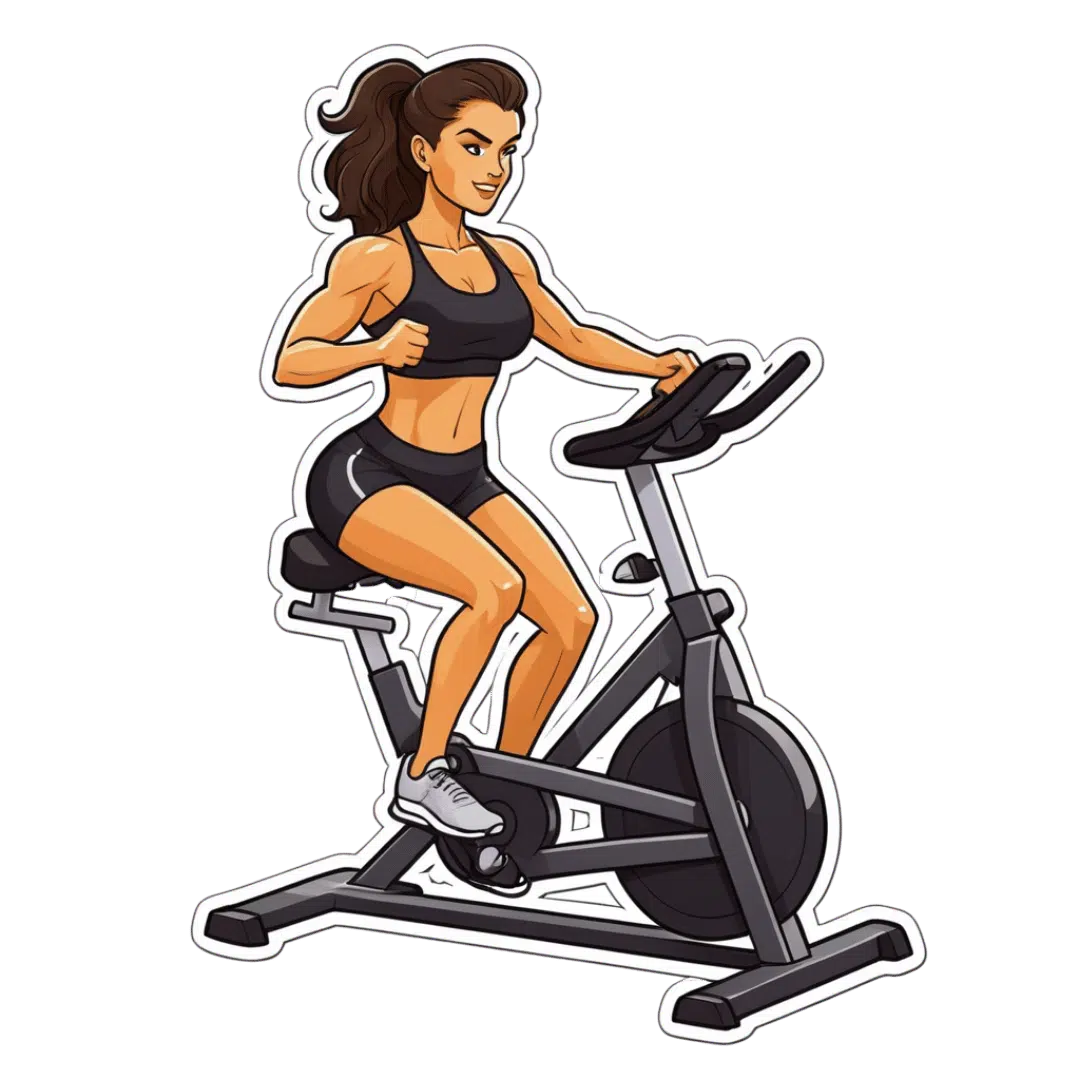
The research question posed by Dr. Rachel Duckham et al: can long-term dual-task high-velocity functional power training improve cognitive function in older adults, compared with usual care?

First you may be wondering, what’s that? So, it’s group-based dual-task functional power training performed twice weekly, combining high-velocity resistance movements with simultaneous cognitive and/or motor tasks.

Here’s what they found:

  • Short-term effects: after the 6-month supervised phase, the intervention improved choice reaction time, attention, and psychomotor-attention compared with usual care.
  • Long-term effects: at 12 and 18 months, benefits extended to visual learning and learning-working memory in the intervention group.
  • Control group finding: the usual care group showed a slight, lesser improvement in executive function at 18 months.

In short, the answer is: yes, yes it can!

Read in full: Can dual-task high-velocity exercise training improve cognitive function in older adults? Secondary analysis of an 18-month cluster randomized controlled trial

Related: A Surprising Extra Way Exercise Fights Dementia

The downstream effects of vaccines

Vaccines have a single, simple purpose: reduce the incidence of the diseases they are created to vaccinate against, especially in the most vulnerable demographics. For example, RSV, flu, pneumococcal, and COVID vaccines primarily reduce infection, hospitalization, and disease severity in populations with higher baseline risk.

However, Dr. Stefania Maggi, geriatrician and senior fellow at the Institute of Neuroscience at the National Research Council in Padua, has shown how vaccines have “downstream effects” and, in her words, “are key tools to promote healthy aging and prevent physical and cognitive decline.”

For example her research found reduced dementia risk after vaccination for multiple diseases, including shingles, flu, pneumococcal disease, and Tdap (Tetanus, diphtheria, and polio).

This was a large-scale meta-analysis, and across 21 studies with more than 104 million participants, shingles vaccination was associated with a 24% reduction in dementia risk, flu with 13%, pneumococcal with a 36% reduction in Alzheimer’s risk, and Tdap with about a one-third reduction.

There are other downstream benefits too, for example decades of data link flu shots in older adults to lower risks of hospitalization for heart failure, pneumonia, heart attack, and stroke.

Read in full: Vaccines are helping older people more than we knew

Related: Vaccine Mythbusting

US officially leave the WHO

At the end of a process that we wrote about on January 24 last year (after Trump initiated the process of leaving via an executive order, accusing the World Health Organization of being too China-centric in the wake of the first flushes of the COVID pandemic, when multiple studies indicated that delayed lockdowns and politicized avoidance of public health measures worsened American health outcomes and especially mortality in the United States), the US has now officially withdrawn from the WHO as of 23 January 2026.

On the one hand, this has caused economic problems all around, including the US is/was several years behind on payments, with arrears estimated at $260m that Washington says it will not pay. Also, it has of course caused a lot of job losses across the US.

On the other hand, US officials said they would rely on bilateral relationships, NGOs, and faith-based groups for disease surveillance and global health work, but provided no concrete details. Those same US officials were also unsure whether the country would continue participating in global information sharing and development of the annual influenza vaccine.

Read in full: US officially leaves World Health Organization

Related: Stop The World… “US vs Them”?

Take care!

Don’t Forget…

Did you arrive here from our newsletter? Don’t forget to return to the email to continue learning!

  • The Gut-Healthiest Yogurt
    Delve into delicious yogurt enriched with fiber, probiotics, and polyphenols – a delectable and nutritious treat anytime, with easy-to-follow steps! Enjoy the perfect healthful snack.

Learn to Age Gracefully

Join the 98k+ American women taking control of their health & aging with our 100% free (and fun!) daily emails:

  • Gum disease, decay, missing teeth: why people with mental illness have poorer oral health

    10almonds is reader-supported. We may, at no cost to you, receive a portion of sales if you purchase a product through a link in this article.

    People with poor mental health face many challenges. One that’s perhaps lesser known is that they’re more likely than the overall population to have poor oral health.

    Research has shown people with serious mental illness are four times more likely than the general population to have gum disease. They’re nearly three times more likely to have lost all their teeth due to problems such as gum disease and tooth decay.

    Serious mental illnesses include major depressive disorder, bipolar disorder and psychotic disorders such as schizophrenia. These conditions affect about 800,000 Australians.

    People living with schizophrenia have, on average, eight more teeth that are decayed, missing or filled than the general population.

    So why does this link exist? And what can we do to address the problem?

    mihailomilovanovic/Getty Images

    Why is this a problem?

    Oral health problems are expensive to fix and can make it hard for people to eat, socialise, work or even just smile.

    What’s more, dental issues can land people in hospital. Our research shows dental conditions are the third most common reason for preventable hospital admissions among people with serious mental illness.

    Meanwhile, poor oral health is linked with long-term health conditions such as diabetes, heart disease, some cancers, and even cognitive problems. This is because the bacteria associated with gum diseases can cause inflammation throughout the body, which affects other systems in the body.

    Why are mental health and oral health linked?

    Poor mental and oral health share common risk factors. Social factors such as isolation, unemployment and housing insecurity can worsen both oral and mental health.

    For example, unemployment increases the risk of oral disease. This can be due to financial difficulties, reduced access to oral health care, or potential changes to diet and hygiene practices.

    At the same time, oral disease can increase barriers to finding employment, due to stigma, discrimination, dental pain and associated long-term health conditions.

    It’s clear the relationship between oral health and mental health goes both ways. Dental disease can reduce self-esteem and increase psychological distress. Meanwhile, symptoms of mental health conditions, such as low motivation, can make engaging in good oral health practices, including brushing, flossing, and visiting the dentist, more difficult.

    And like many people, those with serious mental illness can experience significant anxiety about going to the dentist. They may also have experienced trauma in the past, which can make visiting a dental clinic a frightening experience.

    Separately, poor oral health can be made worse by some medications for mental health conditions. Certain medications can interfere with saliva production, reducing the protective barrier that covers the teeth. Some may also increase sugar cravings, which heightens the risk of tooth decay.

    A woman sits on the edge of a bed with her head in her hand.
    Some medications people take for mental health conditions can affect oral health. Gladskikh Tatiana/Shutterstock

    Our research

    In a recent study, we interviewed young people with mental illness. Our findings show the significant personal costs of dental disease among people with mental illness, and highlight the relationship between oral and mental health.

    Smiling is one of our best ways to communicate, but we found people with serious mental illness were sometimes embarrassed and ashamed to smile due to poor oral health.

    One participant told us:

    [poor oral health is] not only [about] the physical aspects of restricting how you eat, but it’s also about your mental health in terms of your self-esteem, your self-confidence, and basic wellbeing, which sort of drives me to become more isolated.

    Another said:

    for me, it was that serious fear of – God my teeth are looking really crap, and in the past they’ve [dental practitioners] asked, “Hey, you’ve missed this spot; what’s happening?”. How do I explain to them, hey, I’ve had some really shitty stuff happening and I have a very serious episode of depression?

    What can we do?

    Another of our recent studies focused on improving oral health awareness and behaviours among young adults experiencing mental health difficulties. We found a brief online oral health education program improved participants’ oral health knowledge and attitudes.

    Improving oral health can result in improved mental wellbeing, self-esteem and quality of life. But achieving this isn’t always easy.

    Limited Medicare coverage for dental care means oral diseases are frequently treated late, particularly among people with mental illness. By this time, more invasive treatments, such as removal of teeth, are often required.

    It’s crucial the health system takes a holistic approach to caring for people experiencing serious mental illness. That means we have mental health staff who ask questions about oral health, and dental practitioners who are trained to manage the unique oral health needs of people with serious mental illness.

    It also means increasing government funding for oral health services – promotion, prevention and improved interdisciplinary care. This includes better collaboration between oral health, mental health, and peer and informal support sectors.

    Bonnie Clough, Senior Lecturer, School of Applied Psychology, Griffith University; Amanda Wheeler, Professor of Mental Health, Griffith University; Caroline Victoria Robertson, Research Fellow, Griffith Research Centre for Mental Health, Griffith University; Santosh Tadakamadla, Professor & Head of Dentistry and Oral Health, La Trobe University, and Steve Kisely, Professor, School of Medicine, The University of Queensland

    This article is republished from The Conversation under a Creative Commons license. Read the original article.

    Share This Post

  • Anti-Inflammatory Cookbook for Beginners – by Melissa Jefferson

    10almonds is reader-supported. We may, at no cost to you, receive a portion of sales if you purchase a product through a link in this article.

    For some of us, avoiding inflammatory food is a particularly important consideration. For all of us, it should be anyway.

    Sometimes, we know what’s good against inflammation, and we know what’s bad for inflammation… but we might struggle to come up with full meals of just-the-good, especially if we want to not repeat meals every day!

    The subtitle is slightly misleading! It says “Countless Easy and Delicious Recipes”, but this depends on your counting ability. Melissa Jefferson gives us 150 anti-inflammatory recipes, which can be combined for a 12-week meal plan. We think that’s enough to at least call it “many”, though.

    First comes an introduction to inflammation, inflammatory diseases, and a general overview of what to eat / what to avoid. After that, the main part of the book is divided into sections:

    • Breakfasts (20)
    • Soups (15)
    • Beans & Grains (20)
    • Meat (20)
    • Fish (20)
    • Vegetables (20)
    • Sides (15)
    • Snacks (10)
    • Desserts (10)

    If you’ve a knowledge of anti-inflammation diet already, you may be wondering how “Meat” and “Desserts” works.

    • The meat section is a matter of going light on the meat and generally favoring white meats, and certainly unprocessed.
    • Of course, if you are vegetarian or vegan, substitutions may be in order anyway.

    As for the dessert section? A key factor is that fruits and chocolate are anti-inflammatory foods! Just a matter of not having desserts full of sugar, flour, etc.

    The recipes themselves are simple and to-the-point, with ingredients, method, and nutritional values. Just the way we like it.

    All in all, a fine addition to absolutely anyone’s kitchen library… And doubly so if you have a particular reason to focus on avoiding/reducing inflammation!

    Get your copy of “Anti-Inflammatory Cookbook for Beginners” from Amazon today!

    Share This Post

  • Are You Taking PIMs?

    10almonds is reader-supported. We may, at no cost to you, receive a portion of sales if you purchase a product through a link in this article.

    Getting Off The Overmedication Train

    The older we get, the more likely we are to be on more medications. It’s easy to assume that this is because, much like the ailments they treat, we accumulate them over time. And superficially at least, that’s what happens.

    And yet, almost half of people over 65 in Canada are taking “potentially inappropriate medications”, or PIMs—in other words, medications that are not needed and perhaps harmful. This categorization includes medications where the iatrogenic harms (side effects, risks) outweigh the benefits, and/or there’s a safer more effective medication available to do the job.

    See: The cost of potentially inappropriate medications for older adults in Canada: A comparative cross-sectional study

    You may be wondering: what does this mean for the US?

    Well, we don’t have the figures for the US because we’re working from Canadian research today, but given the differences between the two country’s healthcare systems (mostly socialized in Canada and mostly private in the US), it seems a fair hypothesis that if it’s almost half in Canada, it’s probably more than half in the US. Socialized healthcare systems are generally quite thrifty and seek to spend less on healthcare, while private healthcare systems are generally keen to upsell to new products/services.

    The three top categories of PIMs according to the above study:

    1. Gabapentinoids (anticonvulsants also used to treat neuropathic pain)
    2. Proton pump inhibitors (PPIs)
    3. Antipsychotics (especially, to people without psychosis)

    …but those are just the top of the list; there are many many more.

    The list continues: opioids, anticholinergics, sulfonlyurea, NSAIDs, benzodiazepines and related rugs, and cholinesterase inhibitors. That’s where the Canadian study cuts off (although it also includes “others” just before NSAIDs), but still, you guessed it, there are more (we’re willing to bet statins weigh heavily in the “others” section, for a start).

    There are two likely main causes of overmedication:

    The side effect train

    This is where a patient has a condition and is prescribed drug A, which has some undesired side effects, so the patient is prescribed drug B to treat those. However, that drug also has some unwanted side effects of its own, so the patient is prescribed drug C to treat those. And so on.

    For a real-life rundown of how this can play out, check out the case study in:

    The Hidden Complexities of Statins and Cardiovascular Disease (CVD)

    The convenience factor

    No, not convenient for you. Convenient for others. Convenient for the doctor if it gets you out of their office (socialized healthcare) or because it was easy to sell (private healthcare). Convenient for the staff in a hospital or other care facility.

    This latter is what happens when, for example, a patient is being too much trouble, so the staff give them promazine “to help them settle down”, notwithstanding that promazine is, besides being a sedative, also an antipsychotic whose common side effects include amenorrhea, arrhythmias, constipation, drowsiness and dizziness, dry mouth, impotence, tiredness, galactorrhoea, gynecomastia, hyperglycemia, insomnia, hypotension, seizures, tremor, vomiting and weight gain.

    This kind of thing (and worse) happens more often towards the end of a patient’s life; indeed, sometimes precipitating that end, whether you want it or not:

    Mortality, Palliative Care, & Euthanasia

    How to avoid it

    Good practice is to be “open-mindedly skeptical” about any medication. By this we mean, don’t reject it out of hand, but do ask questions about it.

    Ask your prescriber not only what it’s for and what it’ll do, but also what the side effects and risks are, and an important question that many people don’t think to ask, and for which doctors thus don’t often have a well-prepared smooth-selling reply, “what will happen if I don’t take this?”

    And look up unbiased neutral information about it, from reliable sources (Drugs.com and The BNF are good reference guides for this—and if it’s important to you, check both, in case of any disagreement, as they function under completely different regulatory bodies, the former being American and the latter being British. So if they both agree, it’s surely accurate, according to best current science).

    Also: when you are on a medication, keep a journal of your symptoms, as well as a log of your vitals (heart rate, blood pressure, weight, sleep etc) so you know what the medication seems to be helping or harming, and be sure to have a regular meds review with your doctor to check everything’s still right for you. And don’t be afraid to seek a second opinion if you still have doubts.

    Want to know more?

    For a more in-depth exploration than we have room for here, check out this book that we reviewed not long back:

    To Medicate or Not? That is the Question! – by Dr. Asha Bohannon

    Take care!

    Share This Post

  • The Rest Revolution: – by Amanda Littlejohn

    10almonds is reader-supported. We may, at no cost to you, receive a portion of sales if you purchase a product through a link in this article.

    Whether you are working all hours around the clock, or retired and now expected to tend to everyone else’s needs as well as your own increasing amount of time spent on medical appointments and the like, as a general rule the world commonly asks of us more than we are reasonably able to give. And yet so often, we try anyway.

    This book covers where this societal push came from, and why it’s been perpetuated despite ultimately serving very few people’s interests. How it results in “back-burnering” things that matter, and how we can recalibrate to put what matters back on the front burner.

    Ultimately, she argues, overworking is not even best for personal productivity (because of burnout and diminishing marginal returns on the way to burnout), and thus neither is it even best for achieving personal ambitions. Her prescribed antidote for this covers realigning our time and space, restoring our connections where they are important, and—yes, we can still be productive—working with what we find is working for us, rather than what isn’t.

    The style is personal at the same time as being delivered with professional skill and clarity.

    Bottom line: if ever you feel like you’re not enough for all that is expected (or “needed”) of you, this book may be an important reset-point.

    Click here to check out The Rest Revolution, and reclaim your energy!

    Don’t Forget…

    Did you arrive here from our newsletter? Don’t forget to return to the email to continue learning!

    Learn to Age Gracefully

    Join the 98k+ American women taking control of their health & aging with our 100% free (and fun!) daily emails:

  • Cannabis & Heart Attacks

    10almonds is reader-supported. We may, at no cost to you, receive a portion of sales if you purchase a product through a link in this article.

    For many, cannabis use has taken the place that alcohol used to have when it comes to wanting a “downer”, that is to say, a drug that relaxes us as opposed to stimulating us.

    Indeed, it is generally considered safer than alcohol ← however this is not a strong claim, because alcohol is much more dangerous than one would think given its ubiquity and (in many places, at least) social acceptability.

    We’ve talked a bit about cannabis use before, in its various forms, for example:

    Cannabis Myths vs Reality ← a very good starting point for the curious

    And one specifically about the use of THC gummies (THC is the psychoactive compound in cannabis, i.e. it’s the chemical that gets people high, as opposed to CBD, which is not psychoactive) as a sleep aid:

    Sweet Dreams Are Made of THC (Or Are They?)

    And for those skipping the THC, we’ve also written about CBD use, including:

    CBD Oil: What Does The Science Say? and Do CBD Gummies Work?

    So, about cannabis and heart attacks

    Alcohol is a relaxant, and yet it can contribute to heart disease (amongst many other things, of course):

    Can We Drink To Good Health? ← this is mostly about red wine’s putative heart health benefits, how the idea got popularized, and how it doesn’t stand up to scrutiny when actually looking at the evidence.

    And cannabis, another relaxant? Not so good either!

    New research has shown that cannabis users have a higher risk of heart attacks, even among younger and otherwise healthy individuals. This is based on analyzing data from 4,636,628 relatively healthy adults.

    Specifically, the data showed that even young healthy cannabis users get:

    • Sixfold increased risk of heart attack
    • Fourfold increased risk of ischemic stroke
    • Threefold increased risk of cardiovascular death, heart attack, or stroke

    We mention the otherwise “relatively healthy” nature of the participants, because it’s important to note that less healthy people (who were perhaps using cannabis to self-medicate for some serious condition) were not included in the dataset, as it’d skew the data unhelpfully and it’d make the risk look a lot higher than the risk levels we mentioned above.

    The mechanisms by which cannabis affects heart health are not fully understood, but hypotheses include:

    • Disrupting heart rhythm regulation
    • Increasing oxygen demand in the heart muscle
    • Causing endothelial dysfunction, which affects blood vessel function

    Further, heart attack risk peaked one hour after cannabis use, and while this doesn’t prove causality, it certainly doesn’t make cannabis look safe.

    You can read the paper in its entirety here:

    Myocardial Infarction and Cardiovascular Risks Associated with Cannabis Use: A Multicenter Retrospective Study

    Want a safer way to relax?

    We recommend:

    Enjoy!

    Don’t Forget…

    Did you arrive here from our newsletter? Don’t forget to return to the email to continue learning!

    Learn to Age Gracefully

    Join the 98k+ American women taking control of their health & aging with our 100% free (and fun!) daily emails:

  • No, your aches and pains don’t get worse in the cold. So why do we think they do?

    10almonds is reader-supported. We may, at no cost to you, receive a portion of sales if you purchase a product through a link in this article.

    It’s cold and wet outside. As you get out of bed, you can feel it in your bones. Your right knee is flaring up again. That’ll make it harder for you to walk the dog or go to the gym. You think it must be because of the weather.

    It’s a common idea, but a myth.

    When we looked at the evidence, we found no direct link between most common aches and pains and the weather. In the first study of its kind, we found no direct link between the temperature or humidity with most joint or muscle aches and pains.

    So why are so many of us convinced the weather’s to blame? Here’s what we think is really going on.

    fongbeerredhot/Shutterstock

    Weather can be linked to your health

    The weather is often associated with the risk of new and ongoing health conditions. For example, cold temperatures may worsen asthma symptoms. Hot temperatures increase the risk of heart problems, such as arrhythmia (irregular heartbeat), cardiac arrest and coronary heart disease.

    Many people are also convinced the weather is linked to their aches and pains. For example, two in every three people with knee, hip or hand osteoarthritis say cold temperatures trigger their symptoms.

    Musculoskeletal conditions affect more than seven million Australians. So we set out to find out whether weather is really the culprit behind winter flare-ups.

    What we did

    Very few studies have been specifically and appropriately designed to look for any direct link between weather changes and joint or muscle pain. And ours is the first to evaluate data from these particular studies.

    We looked at data from more than 15,000 people from around the world. Together, these people reported more than 28,000 episodes of pain, mostly back pain, knee or hip osteoarthritis. People with rheumatoid arthritis and gout were also included.

    We then compared the frequency of those pain reports between different types of weather: hot or cold, humid or dry, rainy, windy, as well as some combinations (for example, hot and humid versus cold and dry).

    Female construction worker clutching back in pain on worksite on cloudy day
    Bad back on a cold day? We wanted to know if the weather was really to blame. Pearl PhotoPix/Shutterstock

    What we found

    We found changes in air temperature, humidity, air pressure and rainfall do not increase the risk of knee, hip or lower back pain symptoms and are not associated with people seeking care for a new episode of arthritis.

    The results of this study suggest we do not experience joint or muscle pain flare-ups as a result of changes in the weather, and a cold day will not increase our risk of having knee or back pain.

    In order words, there is no direct link between the weather and back, knee or hip pain, nor will it give you arthritis.

    It is important to note, though, that very cold air temperatures (under 10°C) were rarely studied so we cannot make conclusions about worsening symptoms in more extreme changes in the weather.

    The only exception to our findings was for gout, an inflammatory type of arthritis that can come and go. Here, pain increased in warmer, dry conditions.

    Gout has a very different underlying biological mechanism to back pain or knee and hip osteoarthritis, which may explain our results. The combination of warm and dry weather may lead to increased dehydration and consequently increased concentration of uric acid in the blood, and deposition of uric acid crystals in the joint in people with gout, resulting in a flare-up.

    Why do people blame the weather?

    The weather can influence other factors and behaviours that consequently shape how we perceive and manage pain.

    For example, some people may change their physical activity routine during winter, choosing the couch over the gym. And we know prolonged sitting, for instance, is directly linked to worse back pain. Others may change their sleep routine or sleep less well when it is either too cold or too warm. Once again, a bad night’s sleep can trigger your back and knee pain.

    Likewise, changes in mood, often experienced in cold weather, trigger increases in both back and knee pain.

    So these changes in behaviour over winter may contribute to more aches and pains, and not the weather itself.

    Believing our pain will feel worse in winter (even if this is not the case) may also make us feel worse in winter. This is known as the nocebo effect.

    Older woman sitting reading book next to wood fire
    When it’s cold outside, we may be less active. Anna Nass/Shutterstock

    What to do about winter aches and pains?

    It’s best to focus on risk factors for pain you can control and modify, rather than ones you can’t (such as the weather).

    You can:

    • become more physically active. This winter, and throughout the year, aim to walk more, or talk to your health-care provider about gentle exercises you can safely do at home, with a physiotherapist, personal trainer or at the pool
    • lose weight if obese or overweight, as this is linked to lower levels of joint pain and better physical function
    • keep your body warm in winter if you feel some muscle tension in uncomfortably cold conditions. Also ensure your bedroom is nice and warm as we tend to sleep less well in cold rooms
    • maintain a healthy diet and avoid smoking or drinking high levels of alcohol. These are among key lifestyle recommendations to better manage many types of arthritis and musculoskeletal conditions. For people with back pain, for example, a healthy lifestyle is linked with higher levels of physical function.

    Manuela Ferreira, Professor of Musculoskeletal Health, Head of Musculoskeletal Program, George Institute for Global Health and Leticia Deveza, Rheumatologist and Research Fellow, University of Sydney

    This article is republished from The Conversation under a Creative Commons license. Read the original article.

    Don’t Forget…

    Did you arrive here from our newsletter? Don’t forget to return to the email to continue learning!

    Learn to Age Gracefully

    Join the 98k+ American women taking control of their health & aging with our 100% free (and fun!) daily emails: