

How A Broken Heart Affects Your Body
10almonds is reader-supported. We may, at no cost to you, receive a portion of sales if you purchase a product through a link in this article.

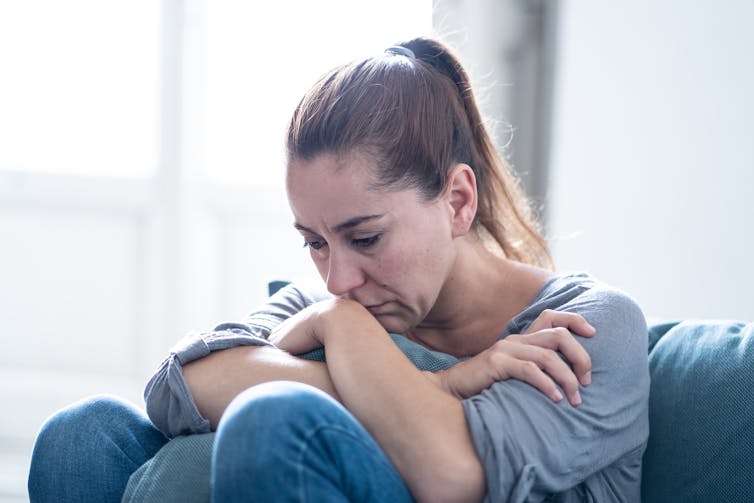
Grief is not just in your head—where there are emotions there are neurotransmitters, where there are neurotransmitters there are systemic effects, and that’s without getting started on the behavioral changes that can impact health.
And yes, one can die of it:
At the heart of the matter
Studies of older couples have found that the surviving spouse’s risk of death can increase by up to 90% during the first 3 months after their partner dies, with some couples dying only days or weeks apart.
There are various possible reasons: severe grief and depression are linked to higher levels of inflammatory proteins, which may weaken your immune system, while depression can also make it harder to maintain everyday health habits
It can also be possible that the longing to be with one’s partner has a logical direction to take, when one’s beloved is dead (writer’s note: as a widow, I know that feeling, and in the worst of my grief it was stronger than I care to put into words, but I also had an important reason to live, hence still being around to write about it).
Back to more biological threats, sometimes even they can be quite dramatic: takotsubo cardiomyopathy, also called stress cardiomyopathy or broken heart syndrome, is a condition in which intense emotions can directly threaten your life; Japanese doctors first described the condition in 1990, naming it after a Japanese octopus trap because the left ventricle balloons into a similar shape. It then fills with pooled blood and expands, reducing its ability to pump blood effectively.
For that one, postmenopausal women appear to be at the greatest risk, likely because of declining estrogen levels, since estrogen is cardioprotective.
Most people survive it, but it has around a 5% incident rate of (usually fatal) cardiac arrest.
For more on all of this, enjoy:
Click Here If The Embedded Video Doesn’t Load Automatically!
Want to learn more?
You might also like:
What Grief Does To Your Body (And How To Manage It) ← our own main feature on this topic
Take care!
Don’t Forget…
Did you arrive here from our newsletter? Don’t forget to return to the email to continue learning!
Recommended

Learn to Age Gracefully
Join the 98k+ American women taking control of their health & aging with our 100% free (and fun!) daily emails:
-

Elon Musk says ketamine can get you out of a ‘negative frame of mind’. What does the research say?

10almonds is reader-supported. We may, at no cost to you, receive a portion of sales if you purchase a product through a link in this article.
X owner Elon Musk recently described using small amounts of ketamine “once every other week” to manage the “chemical tides” that cause his depression. He says it’s helpful to get out of a “negative frame of mind”.
This has caused a range of reactions in the media, including on X (formerly Twitter), from strong support for Musk’s choice of treatment, to allegations he has a drug problem.
But what exactly is ketamine? And what is its role in the treatment of depression?
It was first used as an anaesthetic
Ketamine is a dissociative anaesthetic used in surgery and to relieve pain.
At certain doses, people are awake but are disconnected from their bodies. This makes it useful for paramedics, for example, who can continue to talk to injured patients while the drug blocks pain but without affecting the person’s breathing or blood flow.
Ketamine is also used to sedate animals in veterinary practice.
Ketamine is a mixture of two molecules, usually referred to a S-Ketamine and R-Ketamine.
S-Ketamine, or esketamine, is stronger than R-Ketamine and was approved in 2019 in the United States under the drug name Spravato for serious and long-term depression that has not responded to at least two other types of treatments.
Ketamine is thought to change chemicals in the brain that affect mood.
While the exact way ketamine works on the brain is not known, scientists think it changes the amount of the neurotransmitter glutamate and therefore changes symptoms of depression.How was it developed?
Ketamine was first synthesised by chemists at the Parke Davis pharmaceutical company in Michigan in the United States as an anaesthetic. It was tested on a group of prisoners at Jackson Prison in Michigan in 1964 and found to be fast acting with few side effects.
The US Food and Drug Administration approved ketamine as a general anaesthetic in 1970. It is now on the World Health Organization’s core list of essential medicines for health systems worldwide as an anaesthetic drug.
In 1994, following patient reports of improved depression symptoms after surgery where ketamine was used as the anaesthetic, researchers began studying the effects of low doses of ketamine on depression.

Researchers have been investigating ketamine for depression for 30 years.
SB Arts Media/ShutterstockThe first clinical trial results were published in 2000. In the trial, seven people were given either intravenous ketamine or a salt solution over two days. Like the earlier case studies, ketamine was found to reduce symptoms of depression quickly, often within hours and the effects lasted up to seven days.
Over the past 20 years, researchers have studied the effects of ketamine on treatment resistant depression, bipolar disorder, post-traumatic sress disorder obsessive-compulsive disorder, eating disorders and for reducing substance use, with generally positive results.
One study in a community clinic providing ketamine intravenous therapy for depression and anxiety found the majority of patients reported improved depression symptoms eight weeks after starting regular treatment.
While this might sound like a lot of research, it’s not. A recent review of randomised controlled trials conducted up to April 2023 looking at the effects of ketamine for treating depression found only 49 studies involving a total of 3,299 patients worldwide. In comparison, in 2021 alone, there were 1,489 studies being conducted on cancer drugs.
Is ketamine prescribed in Australia?
Even though the research results on ketamine’s effectiveness are encouraging, scientists still don’t really know how it works. That’s why it’s not readily available from GPs in Australia as a standard depression treatment. Instead, ketamine is mostly used in specialised clinics and research centres.
However, the clinical use of ketamine is increasing. Spravato nasal spray was approved by the Australian Therapuetic Goods Administration (TGA) in 2021. It must be administered under the direct supervision of a health-care professional, usually a psychiatrist.
Spravato dosage and frequency varies for each person. People usually start with three to six doses over several weeks to see how it works, moving to fortnightly treatment as a maintenance dose. The nasal spray costs between A$600 and $900 per dose, which will significantly limit many people’s access to the drug.
Ketamine can be prescribed “off-label” by GPs in Australia who can prescribe schedule 8 drugs. This means it is up to the GP to assess the person and their medication needs. But experts in the drug recommend caution because of the lack of research into negative side-effects and longer-term effects.
What about its illicit use?
Concern about use and misuse of ketamine is heightened by highly publicised deaths connected to the drug.
Ketamine has been used as a recreational drug since the 1970s. People report it makes them feel euphoric, trance-like, floating and dreamy. However, the amounts used recreationally are typically higher than those used to treat depression.
Information about deaths due to ketamine is limited. Those that are reported are due to accidents or ketamine combined with other drugs. No deaths have been reported in treatment settings.
Reducing stigma
Depression is the third leading cause of disability worldwide and effective treatments are needed.
Seeking medical advice about treatment for depression is wiser than taking Musk’s advice on which drugs to use.
However, Musk’s public discussion of his mental health challenges and experiences of treatment has the potential to reduce stigma around depression and help-seeking for mental health conditions.
Clarification: this article previously referred to a systematic review looking at oral ketamine to treat depression. The article has been updated to instead cite a review that encompasses other routes of administration as well, such as intravenous and intranasal ketamine.

Julaine Allan, Associate Professor, Mental Health and Addiction, Rural Health Research Institute, Charles Sturt University
This article is republished from The Conversation under a Creative Commons license. Read the original article.
Share This Post
-

Healing The Modern Brain – by Dr. Drew Ramsey
10almonds is reader-supported. We may, at no cost to you, receive a portion of sales if you purchase a product through a link in this article.
We previously reviewed Dr. Ramsey’s Eat To Beat Depression & Anxiety, and this time [it briefly covers that ground again, and then] it’s more about comprehensive brain health and mental fitness.
He tackles this in a methodical fashion, first briefly covering the need for mental fitness, and the obstacles to same, before the main part of the book—which covers the “how”.
The “how” in question is multifaceted, and the “nine tenets” mentioned in the subtitle cover very obvious things like diet, exercise, sleep, etc, as well as less obvious yet very important things like connection, engagement, purpose, and so forth, and some things that don’t get talked about much at all elsewhere, such as the processes of grounding and unburdening, as he describes them.
The style is mostly narrative with many anecdotes to illustrate points, but with practical advice woven throughout also, all very readable. There’s a respectable bibliography at the back.
Bottom line: if you’d like your brain health to get gradually better instead of gradually worse, this book can help set you on the right track.
Click here to check out Healing The Modern Brain, and heal your modern brain!
Share This Post
-

Glucose Revolution – by Jessie Inchauspé
10almonds is reader-supported. We may, at no cost to you, receive a portion of sales if you purchase a product through a link in this article.
While we all know that keeping balanced blood sugars is important for all us (be we diabetic, pre-diabetic, or not at all), it can be a mystifying topic!
Beyond a generic “sugar is bad”…
- What does it all mean and how does it all work?
- Should we go low-carb?
- What’s the deal with fruit?
- Carbs or protein for breakfast?
- Is “quick energy” ever a good thing?
- How do starches weigh in again?
It’s all so confusing!
Happily, Jessie Inchauspé has the incredible trifecta of qualifications to help us: she’s a biochemist, a keen cook, and a great educator. What we mean by this latter is:
Instead of dry textbook explanations, or “trust me” hand-waives, she explains biochemistry in a clear, simple, digestible (if you’ll pardon the pun) way with very helpful diagrams what things cause (or flatten) blood sugar spikes and how and why. If you read this book, you will understand, without guesswork or gaps, exactly what is happening on a physical level, and why and how her “10 hacks” work.
Her “10 hacks” are explained so thoroughly that each gets a chapter of its own, but we’ll not keep them a mystery from you meanwhile, they are:
- Eat foods in the right order
- Add a green starter to your meals
- Stop counting calories
- Flatten your breakfast curve
- Have any type of sugar you like—they’re all the same
- Pick dessert over a sweet snack
- Reach for the vinegar before you eat
- After you eat, move
- If you have to snack, go savoury
- Put some clothes on your carbs
She then finishes up with a collection of handy cheat-sheets and some of her own recipes.
Bottom line: this isn’t just a “how-to” book. It gives the how-to, yes, but it also gives such good explanations that you’ll never be confused again by what’s going on in your glucose-related health.
Share This Post



Related Posts
-

The Plant-Based Diet Revolution – by Dr. Alan Desomond
10almonds is reader-supported. We may, at no cost to you, receive a portion of sales if you purchase a product through a link in this article.
Is this just another gut-healthy cooking guide? Not entirely…
For a start, it’s not just about giving you a healthy gut; it also covers a healthy heart and a healthy brain. There’s lots of science in here!
It’s also aimed as a transitional guide to eating more plants and fewer animal products, if you so choose. And if you don’t so choose, at least having the flexibility to cook both ways.
The recipes themselves (organized into basics, breakfasts, lunches, mains, desserts) are clear and easy while also being calculated to please readers (and their families) who are used to eating more meat. There are, for instance, plenty of healthy proteins, healthy fats, and comfort foods.
The “28 days” of the title refers to a meal plan using the recipes from the book; it’s not a big feature of the book though, so use it or don’t, but the cooking advice itself is more than worth the price of the book and the recipes are certainly great.
Bottom line: if you’re thinking of taking a “Meatless Mondays” approach to making your diet healthier, this book can help you do that in style!
Click here to check out The Plant-Based Diet Revolution, and upgrade your culinary repertoire!
Don’t Forget…
Did you arrive here from our newsletter? Don’t forget to return to the email to continue learning!
Learn to Age Gracefully
Join the 98k+ American women taking control of their health & aging with our 100% free (and fun!) daily emails:
-

How Much THC Is Safe?
10almonds is reader-supported. We may, at no cost to you, receive a portion of sales if you purchase a product through a link in this article.
It’s Q&A Day at 10almonds!
Have a question or a request? We love to hear from you!
In cases where we’ve already covered something, we might link to what we wrote before, but will always be happy to revisit any of our topics again in the future too—there’s always more to say!
No question/request too big or small 😎
❝What dose of THC is safe, is there a safe limit or is it more about using it too frequently?❞
Fantastic questions, and science is starting to catch up on these things! We say “catch up”, as research in the US in particular was held up for a long time due to the “war on drugs”, which didn’t really reduce drug usage, but it sure did cramp science.
Now, bad news first:
❝Although the only way of ensuring no harm from cannabis is to not use at all, people who use cannabis could benefit from accurate information regarding their risk❞
For more on that, see: Lower-Risk Cannabis Use Guidelines (LRCUG) for reducing health harms from non-medical cannabis use: A comprehensive evidence and recommendations update
This is a little similar the World Health Organization’s declaration that the only safe amount of alcohol is zero: WHO: No level of alcohol consumption is safe for our health, and for more on the relative risks of alcohol vs THC, see our previous article on that topic:
More recently, researchers (Dr. Rachel Thorn et al.) have proposed cannabis “units” based on THC content, similar to alcohol units, to help people monitor use and reduce harm.
- How the unit works: one standard THC unit equals 5 mg of THC, shifting focus from how often cannabis is used to how much psychoactive substance is actually consumed.
- Safer-use threshold for adults: the study suggests adults shouldn’t exceed 8 THC units per week.
- Please note that this does not say “safe”, it says “safer”, i.e. it is relatively less unsafe than…
- Higher-risk levels: risk of more severe cannabis use disorder, which rises above about 13 THC units per week in adults.
This numbers are based on a longitudinal study that followed 150 cannabis users over 12 months, and in the study sample…
- 80% of adults using below 8 THC units did not meet criteria for cannabis use disorder
- 70% of adults using above this level did meet the criteria for cannabis use disorder
That’s not an arbitrary distinction; cannabis use disorder is characterized by impaired control, cravings, and interference with work, family, or social functioning, and affects an estimated 22% of regular users.
You can read more about that, here: What is cannabis use disorder? And how do you know if you have a problem?
And, for that matter: Cannabis & Mental Health: Good Or Bad?
As for the study itself, here it is for you: Estimating thresholds for risk of cannabis use disorder using standard delta-9-tetrahydrocannabinol (THC) units
So, what does this mean for medical usage?
There can be tradeoffs.
For example, another team of researchers (Dr. Danielle Haley et al.) found that states legalizing cannabis for both medical and adult recreational use saw a 9-to-11-percentage-point decline in daily opioid use.
This is important, because as she points out, increased access to regulated cannabis allows for substitution away from an unstable and toxic opioid supply, lowering overdose risk in a population where opioids account for more than 75% of fatal overdoses in the US.
Further,
❝The magnitude of decrease in opioid use that we observed among a population that is experienced with opioid use and likely to experience unpleasant withdrawal symptoms after reducing this use is very profound and important❞
Here’s a pop-science article about that, and you can also click through to the study itself:
Cannabis legalization may lead to a decline in daily opioid use
Want to learn more?
Check out:
Take care!
Don’t Forget…
Did you arrive here from our newsletter? Don’t forget to return to the email to continue learning!
Learn to Age Gracefully
Join the 98k+ American women taking control of their health & aging with our 100% free (and fun!) daily emails:
-
Chicken Skin: Do You Have Keratosis Pilaris, Or Something Else?
10almonds is reader-supported. We may, at no cost to you, receive a portion of sales if you purchase a product through a link in this article.
Dr. Andrea Suarez explains how to stop this from happening:
Keratin, Kerat-out
Dry skin cannot shed keratin properly, so it accumulates around hair follicles, creating small, rough, sandpaper-like bumps. Depending on various conditions (and your baseline skin pigmentation), can be anywhere from pale white (dead skin) through to dark brown. If it’s unusually pink or red, that’s probably inflammation.
Notably, the bumps are dry and rough rather than painful, and any itch is usually mild unless your skin is extremely dry, and there may be no itch at all.
There are some lookalikes, which are either related conditions (like folliculitis) or unrelated (like acne). Here’s what to watch out for.
- Folliculitis: inflamed hair follicles caused by bacteria, yeast, or irritation, often red, tender, itchy, or pus-filled, and commonly triggered by shaving, sweating, or friction.
- Follicular erythema from hair removal: redness around hair follicles that appears shortly after shaving, waxing, or plucking and usually settles within a few days, unlike keratosis pilaris which lingers.
- Eczema (atopic dermatitis): can resemble keratosis pilaris but is typically very itchy, may ooze or weep, and involves inflamed skin beyond the hair follicle itself.
- Pityrosporum folliculitis (fungal acne): uniform, itchy red bumps caused by yeast overgrowth, often worsens with heat, humidity, and sweating, and commonly affects the forehead, chest, and upper back.
- Milia: tiny white keratin-filled cysts that are not linked to a hair follicle, are not inflamed, and do not respond to moisturizers or exfoliating acids.
- Acne: larger, deeper, often painful or pus-filled lesions that may scar or leave dark marks, which is not typical of keratosis pilaris.
So, if it is keratosis pilaris, how to deal with it?
The main thing is consistent use of moisturizers containing keratolytics such as urea, lactic acid, glycolic acid, and/or salicylic acid to smooth skin and improve hydration.
Improvement usually takes 4–6 weeks of regular use, and ongoing maintenance is needed because the condition tends to recur if left unchecked. You can also help reduce its recurrence if you keep showers short and not too hot, pat your skin dry instead of rubbing, moisturize immediately after bathing, and use a humidifier in otherwise dry environments.
When to see a dermatologist: if the bumps are painful, itchy, spreading, or unresponsive to over-the-counter treatments, or if it is unclear what condition is present, then it’s time to let a professional take a look.
For more on all of this plus some visual illustrations, enjoy:
Click Here If The Embedded Video Doesn’t Load Automatically!
Want to learn more?
You might also like:
Beyond Castor: Vegetable Oils That Regenerate Your Skin
Take care!
Don’t Forget…
Did you arrive here from our newsletter? Don’t forget to return to the email to continue learning!
Learn to Age Gracefully
Join the 98k+ American women taking control of their health & aging with our 100% free (and fun!) daily emails:


