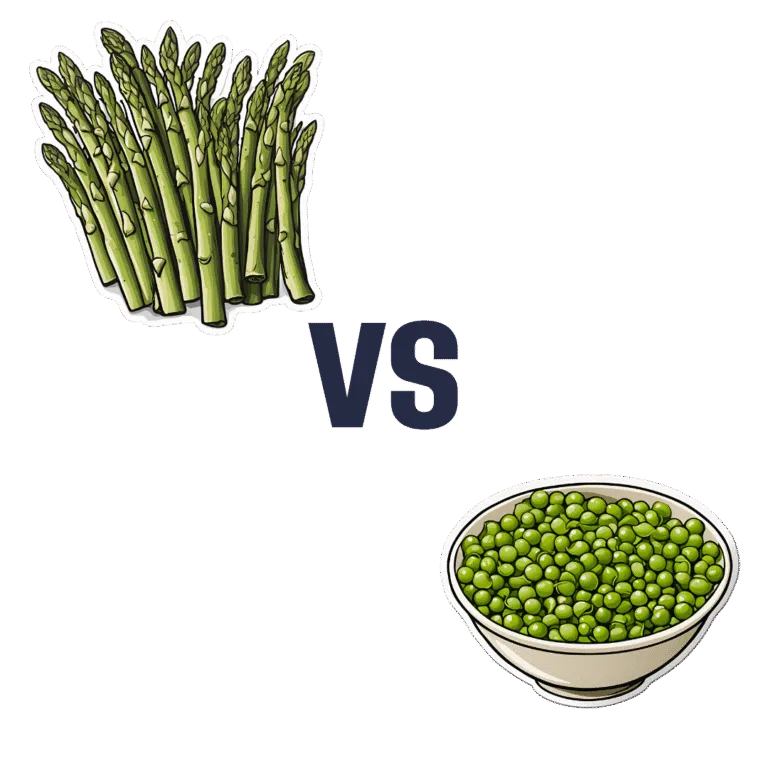
Edamame vs Pinto Beans – Which is Healthier?

10almonds is reader-supported. We may, at no cost to you, receive a portion of sales if you purchase a product through a link in this article.

Our Verdict

When comparing edamame to pinto beans, we picked the edamame.

Why?

Both are great! There are some relevant differences though:

In terms of macros, edamame has slightly more protein while pinto beans have slightly more fiber and more than 4x the carbs. So, which way this one swings will depend on how you feel about those carbs. For simplicity, we’re calling this round a tie.

In the category of vitamins, edamame has more of vitamins B2, B3, B5, B7, B9, C, K, and choline, while pinto beans have more of vitamins B1 and B6, making a clear win for edamame.

When it comes to minerals, edamame has more calcium, copper, magnesium, manganese, phosphorus, and zinc, while pinto beans have more iron and potassium. Another win for edamame.

Adding up the sections makes for an overall win for edamame, but by all means enjoy either or both; diversity is good!

Want to learn more?

You might like:

What’s Your Plant Diversity Score?

Enjoy!

Don’t Forget…

Did you arrive here from our newsletter? Don’t forget to return to the email to continue learning!

Learn to Age Gracefully

Join the 98k+ American women taking control of their health & aging with our 100% free (and fun!) daily emails:

  • Rebounder vs Vibration Plate

    10almonds is reader-supported. We may, at no cost to you, receive a portion of sales if you purchase a product through a link in this article.

    Both have science for an array of often-overlapping benefits.

    But which is best, if you’re going to go for one or the other?

    Which is best?

    Firstly, let’s look and how each works:

    • Rebounding uses a mini trampoline for workouts, can reach around 70% of max heart rate, giving a cardio session as well as providing the rapid gravitational shifts to improve lymphatic drainage.
    • Vibration plate delivers up-and-down, side-to-side, and oscillating vibrations, stimulating blood (and lymph) flow, but providing a more relaxed, minimal-exercise experience.

    Now, system by system, according to not just her experience, but also various papers she cites in the video:

    • Cardiovascular fitness: rebounding improves VO₂ max, lowers blood pressure, and boosts cholesterol markers; vibration plates modestly lower blood pressure and arterial stiffness.
    • Musculoskeletal health: rebounding strengthens legs and core with low joint impact; vibration plates trigger reflex contractions, aiding strength especially in older adults, and those with mobility issues.
    • Bone density specifically: evidence is stronger for vibration plates than rebounding, though trampolines may still support balance and stability.
    • Athletic performance: rebounding sharpens balance and neuromuscular control; vibration plate effects for athletes are small and inconsistent.
    • Metabolic health: rebounding burns more calories, builds muscle, improves insulin sensitivity, and reduces fat mass; vibration plates help regulate blood sugar spikes and improve lipid profiles.
    • Lymphatic drainage: limited research, but both are often reported anecdotally to reduce fluid retention and support lymph movement.

    Want one? Here for your convenience are example products on Amazon: Rebounder | Vibration Plate ← currently half price at time of writing, for a top-of-the-range vibration plate with 98% five-star reviews!

    For more on all of this, plus more direct references to the science that’s been done, enjoy:

    Click Here If The Embedded Video Doesn’t Load Automatically!

    Want to learn more?

    You might also like:

    Take care!

    Share This Post

  • How To Nap Like A Pro (No More “Sleep Hangovers”!)

    10almonds is reader-supported. We may, at no cost to you, receive a portion of sales if you purchase a product through a link in this article.

    How To Be An Expert Nap-Artist

    There’s a lot of science to say that napping can bring us health benefits—but mistiming it can just make us more tired. So, how to get some refreshing shut-eye, without ending up with a case of the midday melatonin blues?

    First, why do we want to nap?

    Well, maybe we’re just tired, but there are specific benefits even if we’re not. For example:

    What can go wrong?

    There are two main things that can go wrong, physiologically speaking:

    1. We can overdo it, and not sleep well at night
    2. We can awake groggy and confused and tired

    The first is self-explanatory—it messes with the circadian rhythm. For this reason, we should not sleep more than 90 minutes during the day. If that seems like a lot, and maybe you’ve heard that we shouldn’t sleep more than half an hour, there is science here, so read on…

    The second is a matter of sleep cycles. Our brain naturally organizes our sleep into multiples of 20-minute segments, with a slight break of a few minutes between each. Consequently, naps should be:

    • 25ish minutes
    • 40–45 minutes
    • 90ish minutes

    If you wake up mid-cycle—for example, because your alarm went off, or someone disturbed you, or even because you needed to pee, you will be groggy, disoriented, and exhausted.

    For this reason, a nap of one hour (a common choice, since people like “round” numbers) is a recipe for disaster, and will only work if you take 15 minutes to fall asleep. In which case, it’d really be a nap of 45 minutes, made up of two 20-minute sleep cycles.

    Some interruptions are better/worse than others

    If you’re in light or REM sleep, a disruption will leave you not very refreshed, but not wiped out either. And as a bonus, if you’re interrupted during a REM cycle, you’re more likely to remember your dreams.

    If you’re in deep sleep, a disruption will leave you with what feels like an incredible hangover, minus the headache, and you’ll be far more tired than you were before you started the nap.

    The best way to nap

    Taking these factors into account, one of the “safest” ways to nap is to set your alarm for the top end of the time-bracket above the one you actually want to nap for (e.g., if you want to nap for 25ish minutes, set your alarm for 45).

    Unless you’re very sleep-deprived, you’ll probably wake up briefly after 20–25 minutes of sleep. This may seem like nearer 30 minutes, if it took you some minutes to fall asleep!

    If you don’t wake up then, or otherwise fail to get up, your alarm will catch you later at what will hopefully be between your next sleep cycles, or at the very least not right in the middle of one.

    When you wake up from a nap before your alarm, get up. This is not the time for “5 more minutes” because “5 more minutes” will never, ever, be refreshing.

    Rest well!

    Share This Post

  • How Not to Diet – by Dr. Michael Greger

    10almonds is reader-supported. We may, at no cost to you, receive a portion of sales if you purchase a product through a link in this article.

    We’ve talked before about Dr. Greger’s famous “How Not To Die” book, and we love it and recommend it… But… It is, primarily, a large, dry textbook. Full of incredibly good science and information about what is statistically most likely to kill us and how to avoid that… but it’s not the most accessible.

    How Not To Diet“, on the other hand, is a diet book, is very readable, and assumes the reader would simply like to know how to healthily lose weight.

    By focussing on this one problem, rather than the many (admittedly important) mortality risks, the reading is a lot easier and lighter. And, because it’s still Dr. Greger advocating for the same diet, you’ll still get to reduce all those all-cause mortality risks. You won’t be reading about them in this book; it will now just be a happy side effect.

    While in “How Not To Die”, Dr. Greger looked at what was killing people and then tackled those problems, here he’s taken the same approach to just one problem… Obesity.

    So, he looks at what is causing people to be overweight, and methodically tackles those problems.

    We’ll not list them all here—there are many, and this is a book review, not a book summary. But suffice it to say, the work is comprehensive.

    Bottom line: this book methodically and clinically (lots of science!) looks at what makes us overweight… And tackles those problems one by one, giving us a diet optimized for good health and weight loss. If you’d like to shed a few pounds in a healthy, sustainable way (that just happens to significantly reduce mortality risk from other causes too) then this is a great book for you!

    Click here to check out “How Not To Diet” on Amazon and get healthy for life!

    Share This Post

  • Kiwi vs Orange – Which is Healthier?

    10almonds is reader-supported. We may, at no cost to you, receive a portion of sales if you purchase a product through a link in this article.

    Our Verdict

    When comparing kiwi to orange, we picked the kiwi.

    Why?

    It’s close! But…

    In terms of macros, kiwi has slightly more fiber, carbs, and protein. The differences are small across the board, but by the numbers, it’s a small win for kiwi in this category.

    In the category of vitamins, kiwi has more of vitamins B3, B6, C, E, and K, while oranges have more of vitamins A, B1, B2, B5, and B9. Nominally a tie, though it’s worth noting that the margin for vitamin K is very large (kiwi has, appropriately enough, more than 8x the vitamin K).

    When it comes to minerals, kiwi has more copper, iron, magnesium, manganese, phosphorus, potassium, and zinc, while oranges have more calcium and selenium. A clear win for kiwi on this one.

    Adding up the sections makes for a clear overall win for kiwi, plus it has some extra phytochemical goodness going on; see the link below! Meanwhile, do still enjoy either or both; diversity is good!

    Want to learn more?

    You might like:

    Top 8 Fruits That Prevent & Kill Cancer ← kiwi is top of the list! It has some cool properties, as you’ll see, killing cancer cells while sparing healthy ones.

    Enjoy!

    Don’t Forget…

    Did you arrive here from our newsletter? Don’t forget to return to the email to continue learning!

    Learn to Age Gracefully

    Join the 98k+ American women taking control of their health & aging with our 100% free (and fun!) daily emails:

  • How to handle teen ‘big feelings’ as the social media ban kicks in

    10almonds is reader-supported. We may, at no cost to you, receive a portion of sales if you purchase a product through a link in this article.

    Watching your teenager grieve the loss of their social media account can be confronting. Many are genuinely distressed or struggling with the change, and many parents are unsure how to respond.

    Australia’s social media ban, which started this week, means teens under the age of 16, have lost accounts to platforms such as TikTok, Snapchat and Instagram.

    These are the platforms they relied on to talk to friends, find support, follow interests, or decompress after school.

    While some teens feel relieved or not fussed, many are feeling sad, worried, powerless, helpless, disappointed or angry.

    These aren’t signs of entitlement. They’re signs your teen may need support. https://www.youtube.com/embed/u4KrMG6H0zg?wmode=transparent&start=0 A mixed bag: here’s what more than 17,000 teenagers think of the ban.

    Maskot/Getty

    Why losing social media hits some teens hard

    There’s a neurological reason why the loss of social media can hit teens so hard.

    Adolescence is a period of enormous social, neurological and emotional change. Teen brains are wired for peer connection, and their brains become more sensitive to feedback from their peers. Meanwhile the brain regions responsible for impulse control, managing strong emotions and long-term planning are still developing.

    When teens say losing social media feels like being “cut off”, they aren’t being dramatic. Their neurological systems are reacting to a loss of social reinforcement.

    Connect and validate their feelings

    If your teen is upset, the instinct might be to justify the government’s decision or to explain why life offline is healthier. However, advice lands badly when a young person feels unheard. Teens often perceive even well-meaning advice as criticism.

    Accepting their feelings about the changes helps validate their experience. You can say:

    Feeling angry or sad makes total sense. I know you used those sites to stay connected with your friends.

    Losing your account feels huge. It’s a big change to deal with.

    Then pause and listen.

    Or you can sit with them without saying much. Some teens prefer parents to just listen sympathetically.

    Supporting your teen doesn’t mean you agree with their perspective. It means you’re acknowledging their emotional reality. When teens feel understood, they become more open to talking – and eventually, to problem-solving.

    The first two weeks may be the toughest. Some teens may experience grief and withdrawal-like symptoms: boredom, anxiety, irritability, restlessness and a powerful urge to “just check once”.

    Help teens understand these reactions are normal. Social media platforms are designed to keep users hooked.

    Understand the ‘why’ together

    It might help to explore the governement’s concerns about social media with your teen – but not as a lecture. The ban isn’t about social media being inherently bad, but about how platforms are designed.

    You can talk about algorithms maximising engagement using the same mechanisms as gambling to encourage dependence and addiction. Or you can talk about how feeds are personalised to keep users scrolling for longer.

    Ask your teen what they think about these concerns. This isn’t about convincing them the ban is right, but developing their awareness of how digital platforms work. This prepares them for use when they’re older.

    Help teens rebuild what social media gave them

    To support your teen, it helps to understand the function social media played in their life. Was it to:

    • connect with friends?
    • find community around a niche interest or identity?
    • share creative work, or find outlets for self-expression?
    • de-stress after a busy day?
    • know what others are talking about?

    Once you understand this, you can help them find alternatives that genuinely meet their needs. They might be able to maintain:

    • connection by organising a get-together, make FaceTime calls, join clubs, or have group chats on allowed platforms
    • creativity by finding other outlets such as photography, video-making, music, writing, art, or gaming communities with safe age settings
    • relaxation by reading, exercise, podcasts, nature time, shows you can watch together.

    Many teens won’t immediately know what they want to try. They may need time and space to have their feelings first. Once they are ready, inviting them to brainstorm a few options (without pressuring them) can help.

    Problem-solve together, notice efforts

    Once emotions settle, gently shift to collaborative problem-solving. You can ask:

    What’s been the hardest part this week?

    How could we help you stay connected in ways that are allowed?

    What would make this change even a tiny bit easier?

    Let your teen lead. Young people are much more likely to follow through on strategies they helped design.

    Even small signs of coping deserve acknowledgement. You can say:

    I can see you’ve been finding other ways to talk to friends. That takes maturity.

    I’m proud of how open you’ve been about how you’re feeling.

    But if something doesn’t work, treat it like an experiment. You can say:

    OK, that didn’t help as much as we hoped. What else could we try?

    Check in later

    For teens, losing social media isn’t simply losing an app. It can feel like losing a community, a creative outlet, or a place where they felt understood.

    Keep an eye out and offer opportunities to check in with how they are going. This ensures teens don’t navigate this transition alone or become secretive – and that your relationship remains a source of support.


    The eSafety Commissioner website explains why the rules were brought in and how they will work; youth mental health service headspace has seven tips for navigating the social media ban; the Raising Children’s website explains how teens use technology for entertainment; tips for digital wellness and how to draw up a “contract” for use of a child’s first phone are also available.

    Christiane Kehoe, Senior Lecturer in Psychiatry, The University of Melbourne and Elizabeth Westrupp, Associate Professor in Psychology, Deakin University

    This article is republished from The Conversation under a Creative Commons license. Read the original article.

    Don’t Forget…

    Did you arrive here from our newsletter? Don’t forget to return to the email to continue learning!

    Learn to Age Gracefully

    Join the 98k+ American women taking control of their health & aging with our 100% free (and fun!) daily emails:

  • Margarine & Your Heart

    10almonds is reader-supported. We may, at no cost to you, receive a portion of sales if you purchase a product through a link in this article.

    Whether butter or margarine are healthier has been a debate that has raged since the invention of margarine.

    Before 2015, when margarines were filled with now-banned trans fats, that was a strong reason to opt for butter.

    For more information on that, see: A Word About Trans-Fatty Acids (TFAs)when you click this one, you’ll need to scroll down slightly for the bit about trans fats.

    Nowadays, the macronutrient/lipid profiles are generally more similar (although margarine usually has less saturated fat), except one thing that butter has in its favor: more micronutrients. What exactly they are (and how much) depends a lot on the diet and general health of the cows* from whom the milk to make the butter came, but they’re not something found in plant-based butter alternatives at this time.

    *It is easy to think “yes, but grass-fed happy cows who skip gaily through the meadows during the day and the farmer tucks them into bed at night etc produce the best milk, and therefore the best butter”, and that is notionally true (if you’ll pardon the exaggeration of the scene). However…. Most people with a) completely forget about that when shopping b) easily fall for greenwashing; if there’s a picture of a meadow on the packet, it must be well-sourced, right? The truth is that almost all dairy produce in N. America comes from factory farms, so assume it’s that unless you see strong evidence to the contrary.

    See also: What Health Difference Does Pasture-Raised Beef Actually Make? ← the answer is: negligible difference to the meat, though it does improve the micronutrient profiles of the dairy products.

    Nevertheless, because of the saturated fat content, it’s not advisable to use more than a very small amount of either (two tablespoons of butter would put one at the daily limit already, without eating any other saturated fat that day). See also: What’s The Truth? Can Saturated Fats Be Healthy?

    For more on the science of butter vs margarine, check out: Butter vs Margarine ← notwithstanding the title, this wasn’t a “This or That” article, it’s a mythbusting edition article!

    The “Appeal to Nature” fallacy

    Broadly speaking, it is well-established that:

    • a minimally-processed whole-foods plant-based diet is a very healthful way of eating for most* people
    • a diet high in ultra-processed foods is almost** always terrible for the health

    *See: Do We Need Animal Products To Be Healthy? ← for most people no, for some, yes

    **There is nuance here:

    And yet, sometimes what is natural is not what is healthiest, and the “appeal to nature” fallacy is what goes wrong in a person’s logic when thinking “it’s natural, so it must be healthy” or, conversely, “it’s unnatural, so it must be healthy”.

    You know what else is natural? Smallpox. You know what else is unnatural? Refrigeration.

    So, putting assumptions either way aside, it’s been interesting to see some recent science on margarine and similar spreads.

    A team of scientists (Dr. Wendy Hall et al.), examined whether (and if so, how) industrially processed interesterified (IE) fats—common in margarines, spreads, and bakery foods—affect heart health.

    Specifically, IE fats rich in palmitic acid (from palm oil) and stearic acid (from other plant sources) were compared as substitutes for trans fats and animal fats.

    What they checked for: cholesterol, triglycerides, insulin sensitivity, liver fat, inflammation, and blood vessel function were all assessed, over the course of the 6-week trial (which yes, is certainly long enough to establish the impact of dietary choices on those metrics, though of course longer is always better), during which their diets were tailored to include 10% of their daily calories as the fat type being tested.

    What they found: no significant differences were found between the two fat types in blood cholesterol or triglyceride levels, including the total-to-HDL cholesterol ratio (a key indicator of heart disease risk), and no adverse effects were observed on inflammation, insulin resistance, liver fat, or vascular function.

    In the lead researcher’s own words:

    ❝Our findings provide reassuring evidence that industrially processed fats currently used in everyday foods, whether rich in palmitic or stearic acid, are unlikely to have harmful effects on cardiovascular health when consumed in amounts that people could achieve in their everyday diets. ❞

    ~ Dr. Wendy Hall, lead researcher of the study

    And to quote her colleague,

    ❝With the current demonization of everything processed, this research highlights that not all food processing is bad for us.

    The process of interesterification allows the generation of hard fats in place of harmful trans fats, while also enabling manufacturers to reduce the saturated fat content of spreads and foods. Given the widespread use of the process of interesterification of fats and the fearmongering around food processing, this research is timely.❞

    ~ Dr. Sarah Berry, senior author of the study

    Read in full: The effects of consumption of interesterified fats rich in palmitic acid compared with stearic acid on intermediary markers of cardiometabolic disease risk: a randomized controlled trial in healthy adults

    Want to learn more?

    If you want to get back to basics in the healthiest way, consider expanding your knowledge of the various cooking oils at your disposal:

    Butter vs Plant Oils: What The Latest Evidence Shows ← includes a stack of head-to-heads that we’ve done in our “This or That” section, plus some very strong science

    Enjoy!

    Don’t Forget…

    Did you arrive here from our newsletter? Don’t forget to return to the email to continue learning!

    Learn to Age Gracefully

    Join the 98k+ American women taking control of their health & aging with our 100% free (and fun!) daily emails: