
Why Telomeres Shorten, & What Can Be Done About It
10almonds is reader-supported. We may, at no cost to you, receive a portion of sales if you purchase a product through a link in this article.

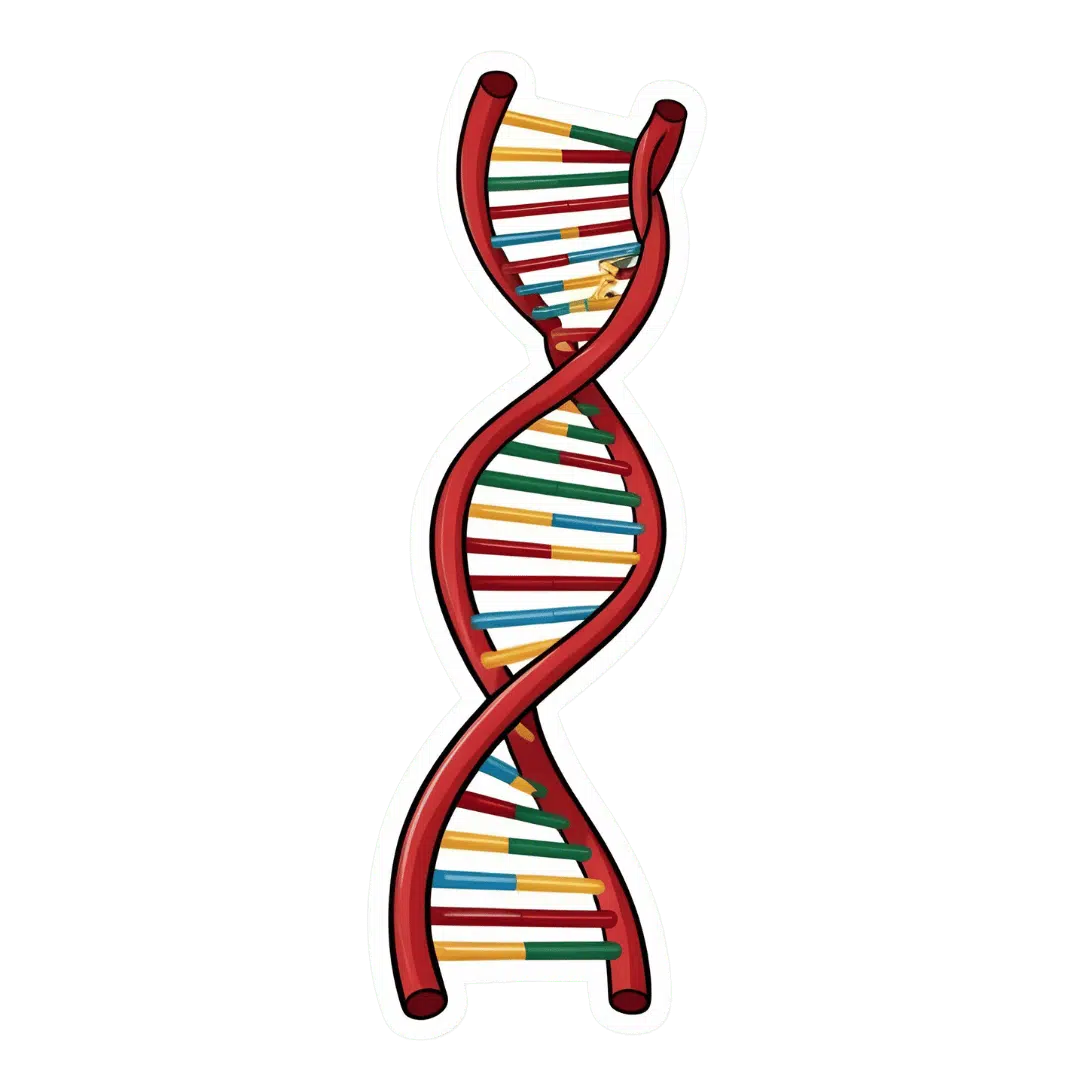
Telomeres are protective caps at the ends of our DNA, similar to the plastic tips on shoelaces (there’s a repeated “junk DNA” string, TTAGGG in humans, kept safe in a sheathe, which made of shelterin, a protein complex).
They prevent our genetic material from becoming damaged or tangled. However, each time a cell divides, telomeres get a little shorter because the copying process isn’t perfect (DNA polymerase can’t replicate everything inside the sheathe, because it is too well-protected).
So, how do we deal with this?
Lacing up for long life
An enzyme called telomerase (discovered as recently as 2009 by Nobel Prize-winning scientists Dr. Elizabeth Blackburn et al.) can rebuild telomeres. It has two main parts: one part1 that makes new DNA and another part2 that acts as a guide. Most cells don’t produce enough telomerase, so telomeres still tend to shrink over time.
1 TERT (Telomerase Reverse Transcriptase), which synthesizes telomeric DNA
2 TERC (Telomerase RNA Component), which serves as a template
When telomeres become too short, cells stop dividing. Some cells may enter a damaged state (e.g. senescent “zombie” cells) or die. In some cases, cells bypass this limit by reactivating telomerase, which can lead to cancer.
Studies on mice show that when telomerase is missing, they age more quickly and struggle to repair tissues. When telomerase is restored, aging effects are reversed. Human research also links short telomeres to age-related diseases like immune system decline and organ damage.
Researchers have already found some ways to slow aging by:
- Activating telomerase (e.g. with small molecules like TA-65).
- Gene therapy to transiently express telomerase.
- Stabilizing TERC RNA component to prevent degradation.
However, increasing telomerase too much could raise the risk of cancer. So, it’s a bit of a juggling act yet.
For more on all of this, enjoy:
Click Here If The Embedded Video Doesn’t Load Automatically!
Want to learn more?
You might also like:
Fisetin: The Anti-Aging Assassin ← kills senescent cells, meaning newer cells are copied rather than older ones, resulting in copied cells with less DNA damage
Take care!
Don’t Forget…
Did you arrive here from our newsletter? Don’t forget to return to the email to continue learning!
Recommended

Learn to Age Gracefully
Join the 98k+ American women taking control of their health & aging with our 100% free (and fun!) daily emails: