
The Keto Diet: Good Or Bad For Intestinal Cancer?

10almonds is reader-supported. We may, at no cost to you, receive a portion of sales if you purchase a product through a link in this article.

The science is clear, and the answer is “yes”:

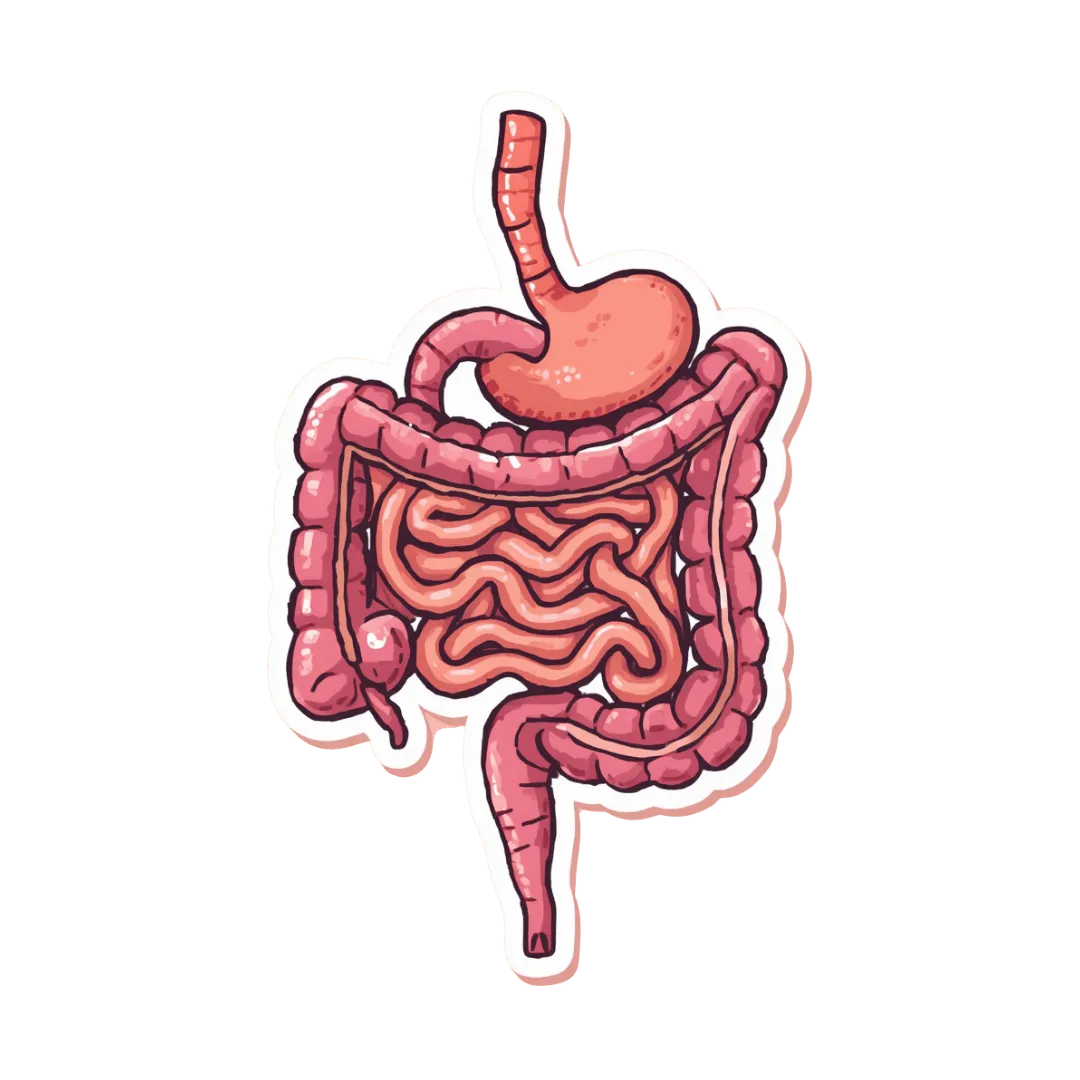
There are two intestines inside of you

You know this, of course. A small intestine and a large intestine. Sometimes it’s easy to get confused which is which, because the small intestine is much longer than the large intestine and by virtue of this also has the greater surface area, but it’s easy to remember at least that there are two of them.

Researchers (Dr. Jessica Shay et al.) investigated the effect of the ketogenic diet on cancers of the intestines, and found:

  • Good news: the ketogenic diet has been found to decrease the risk of cancer of the colon (large intestine)
  • Bad news: the ketogenic diet has been found to increase the risk of cancer of the small intestine

This latter is particularly important to note, because small intestinal cancers have been increasing in recent decades, especially in people with inherited conditions such as familial adenomatous polyposis (FAP).

That said, the mechanism by which this happens is so far only proven in mice (because it’s difficult to do ethically do RCTs of this kind in humans, which means observational studies that can’t prove causality, and also having to wait a lot longer for data because humans live a lot longer than mice).

The mechanism, by the way, is that the ketogenic diet increased fatty acid oxidation, activating PPAR proteins, which stimulated intestinal stem cells to divide more rapidly.

In case this wasn’t clear, yes that does mean that the effects were not caused by ketone bodies such as β-hydroxybutyrate (BHB), but rather, they were driven by how intestinal cells metabolized large amounts of dietary fat. This is an important thing to know since the ketogenic diet works by drastically reducing carbohydrates, the body burns fat instead of glucose for energy, producing ketone bodies such as BHB and acetoacetate.

And, we must nevertheless underline: it’s still very keto-specific, rather than being “just” a matter of the fat alone, because mice on the ketogenic diet developed small intestinal tumors at rates similar to or even higher than mice fed the obesogenic high-fat, high-calorie diet, despite not gaining weight.

Since chemistry continues to be chemistry regardless of species, and those proteins exist in humans too, there is no known reason why this shouldn’t apply to humans also, it’s just, scientists can’t and won’t claim things that aren’t outright proven (and neither can/will we).

You can read the paper in full, here: Ketogenic diet mediates intestinal tumorigenesis through lipids not ketones

These anticancer and (in the other intestine) carcinogenic properties aren’t the only pros and cons of keto, so we’ll link to our main article about other pros and cons, here: Ketogenic Diet: Burning Fat Or Burning Out?

We will also, before moving on, mention a few relevant things we’ve written about since that article, including:

  • How To Dodge The “Keto Flu” ← this is about the unwanted symptoms of being ketosis, something that is a goal in the ketogenic diet, those less favorable symptoms including bad breath, weight loss, appetite loss, increased fatigue and irritability, digestive issues, and insomnia
  • Why Keto Fat Loss Doesn’t Work So Well For Women ← short version is that in response to a drop in carbohydrate intake (even if made of for with fat, calorie-wise) estrogen tries to save us from starving by prioritizing fat storage to outlast the famine we are obviously experiencing
  • The Diets & Supplements That Can Mess Up Your Skin ← keto is in the #1 spot here

Want a more generally healthier diet?

We recommend the Mediterranean diet, which is generally considered the “gold standard” of healthy diets.

See also: Four Ways To Upgrade The Mediterranean

(the above is about keeping to the Mediterranean diet, while tweaking one’s choices within it for a specific extra health focus such as an anti-inflammatory upgrade, a heart-healthy upgrade, a gut-healthy upgrade, and a brain-healthy upgrade)

However, if you’d like a more comprehensive overview of what various diets might do for you, then here you go:

Which Diet? Top Diets Ranked By Experts ← a panel of 69 doctors and nutritionists examine the evidence for 38 diets, and score them in 21 categories (e.g. best for weight loss, best for heart, best against diabetes, best for the liver, etc).

Take care, and enjoy!

Don’t Forget…

Did you arrive here from our newsletter? Don’t forget to return to the email to continue learning!

Learn to Age Gracefully

Join the 98k+ American women taking control of their health & aging with our 100% free (and fun!) daily emails:

  • The Purple Parsnip’s Bioactive Brain Benefits (& more)

    10almonds is reader-supported. We may, at no cost to you, receive a portion of sales if you purchase a product through a link in this article.

    This Root Might Be A Guardian Angel

    Sometimes we go searching for supplements to research; sometimes supplements present themselves for examination! In this case, our attention was grabbed by a headline:

    Angelica gigas extract emerges as a potential treatment for vascular disease

    Angelica who?

    Angelica gigas, also called the purple parsnip (amongst other names), is a flowering plant native to Korea. It has assorted medicinal properties, and in this case, it was its heart-healthy benefits that were making news:

    ❝Ultimately, this study presents clearly evidence that Angelica gigas extract is a promising natural product-based functional food/herbal medicine candidate for preventing or regulating hyperlipidemic cardiovascular complications❞

    Source: Angelica gigas extract inhibits acetylation of eNOS via IRE1α sulfonation/RIDD-SIRT1-mediated posttranslational modification in vascular dysfunction

    But it has a lot more to offer…

    The root has various bioactive metabolites, but the compounds that most studies are most interested in are decursin and decursinol, for their neuroprotective and cognitive enhancement effects:

    ❝[C]rude extracts and isolated components from the root of A. gigas exhibited neuroprotective and cognitive enhancement effects.

    Neuronal damage or death is the most important factor for many neurodegenerative diseases.

    In addition, recent studies have clearly demonstrated the possible mechanisms behind the neuroprotective action of extracts/compounds from the root of A. gigas.❞

    That middle paragraph there? That’s one of the main pathogenic processes of Alzheimer’s, Parkinson’s, Huntington’s, and Multiple Sclerosis.

    Angelica gigas attenuates (reduces the force of) that process:

    ❝The published reports revealed that the extracts and isolated components from the root of A. gigas showed neuroprotective and cognitive enhancement properties through various mechanisms such as anti-apoptosis, antioxidative actions, inhibiting mRNA and protein expressions of inflammatory mediators and regulating a number of signaling pathways.

    In conclusion, the A. gigas root can serve as an effective neuroprotective agent by modulating various pathophysiological processes❞

    Read more: Neuroprotective and Cognitive Enhancement Potentials of Angelica gigas Nakai Root: A Review

    Beyond neuroprotection & cognitive enhancement

    …and also beyond its protection against vascular disease, which is what got our attention…

    Angelica gigas also has antioxidant properties, anti-cancer properties, and general immune-boosting properties.

    We’ve only so much room, so: those links above will take you to example studies for those things, but there are plenty more where they came from, so we’re quite confident in this one.

    Of course, what has antioxidant properties is usually anti-inflammatory, anti-cancer, and anti-aging, because these things are reliant on many of the same processes as each other, with a lot of overlap.

    Where can we get it?

    We don’t sell it, but here’s an example product on Amazon, for your convenience

    Enjoy!

    Share This Post

  • Older Americans Say They Feel Trapped in Medicare Advantage Plans

    10almonds is reader-supported. We may, at no cost to you, receive a portion of sales if you purchase a product through a link in this article.

    In 2016, Richard Timmins went to a free informational seminar to learn more about Medicare coverage.

    “I listened to the insurance agent and, basically, he really promoted Medicare Advantage,” Timmins said. The agent described less expensive and broader coverage offered by the plans, which are funded largely by the government but administered by private insurance companies.

    For Timmins, who is now 76, it made economic sense then to sign up. And his decision was great, for a while.

    Then, three years ago, he noticed a lesion on his right earlobe.

    “I have a family history of melanoma. And so, I was kind of tuned in to that and thinking about that,” Timmins said of the growth, which doctors later diagnosed as malignant melanoma. “It started to grow and started to become rather painful.”

    Timmins, though, discovered that his enrollment in a Premera Blue Cross Medicare Advantage plan would mean a limited network of doctors and the potential need for preapproval, or prior authorization, from the insurer before getting care. The experience, he said, made getting care more difficult, and now he wants to switch back to traditional, government-administered Medicare.

    But he can’t. And he’s not alone.

    “I have very little control over my actual medical care,” he said, adding that he now advises friends not to sign up for the private plans. “I think that people are not understanding what Medicare Advantage is all about.”

    Enrollment in Medicare Advantage plans has grown substantially in the past few decades, enticing more than half of all eligible people, primarily those 65 or older, with low premium costs and perks like dental and vision insurance. And as the private plans’ share of the Medicare patient pie has ballooned to 30.8 million people, so too have concerns about the insurers’ aggressive sales tactics and misleading coverage claims.

    Enrollees, like Timmins, who sign on when they are healthy can find themselves trapped as they grow older and sicker.

    “It’s one of those things that people might like them on the front end because of their low to zero premiums and if they are getting a couple of these extra benefits — the vision, dental, that kind of thing,” said Christine Huberty, a lead benefit specialist supervising attorney for the Greater Wisconsin Agency on Aging Resources.

    “But it’s when they actually need to use it for these bigger issues,” Huberty said, “that’s when people realize, ‘Oh no, this isn’t going to help me at all.’”

    Medicare pays private insurers a fixed amount per Medicare Advantage enrollee and in many cases also pays out bonuses, which the insurers can use to provide supplemental benefits. Huberty said those extra benefits work as an incentive to “get people to join the plan” but that the plans then “restrict the access to so many services and coverage for the bigger stuff.”

    David Meyers, assistant professor of health services, policy, and practice at the Brown University School of Public Health, analyzed a decade of Medicare Advantage enrollment and found that about 50% of beneficiaries — rural and urban — left their contract by the end of five years. Most of those enrollees switched to another Medicare Advantage plan rather than traditional Medicare.

    In the study, Meyers and his co-authors muse that switching plans could be a positive sign of a free marketplace but that it could also signal “unmeasured discontent” with Medicare Advantage.

    “The problem is that once you get into Medicare Advantage, if you have a couple of chronic conditions and you want to leave Medicare Advantage, even if Medicare Advantage isn’t meeting your needs, you might not have any ability to switch back to traditional Medicare,” Meyers said.

    Traditional Medicare can be too expensive for beneficiaries switching back from Medicare Advantage, he said. In traditional Medicare, enrollees pay a monthly premium and, after reaching a deductible, in most cases are expected to pay 20% of the cost of each nonhospital service or item they use. And there is no limit on how much an enrollee may have to pay as part of that 20% coinsurance if they end up using a lot of care, Meyers said.

    To limit what they spend out-of-pocket, traditional Medicare enrollees typically sign up for supplemental insurance, such as employer coverage or a private Medigap policy. If they are low-income, Medicaid may provide that supplemental coverage.

    But, Meyers said, there’s a catch: While beneficiaries who enrolled first in traditional Medicare are guaranteed to qualify for a Medigap policy without pricing based on their medical history, Medigap insurers can deny coverage to beneficiaries transferring from Medicare Advantage plans or base their prices on medical underwriting.

    Only four states — Connecticut, Maine, Massachusetts, and New York — prohibit insurers from denying a Medigap policy if the enrollee has preexisting conditions such as diabetes or heart disease.

    Paul Ginsburg is a former commissioner on the Medicare Payment Advisory Commission, also known as MedPAC. It’s a legislative branch agency that advises Congress on the Medicare program. He said the inability of enrollees to easily switch between Medicare Advantage and traditional Medicare during open enrollment periods is “a real concern in our system; it shouldn’t be that way.”

    The federal government offers specific enrollment periods every year for switching plans. During Medicare’s open enrollment period, from Oct. 15 to Dec. 7, enrollees can switch out of their private plans to traditional, government-administered Medicare.

    Medicare Advantage enrollees can also switch plans or transfer to traditional Medicare during another open enrollment period, from Jan. 1 to March 31.

    “There are a lot of people that say, ‘Hey, I’d love to come back, but I can’t get Medigap anymore, or I’ll have to just pay a lot more,’” said Ginsburg, who is now a professor of health policy at the University of Southern California.

    Timmins is one of those people. The retired veterinarian lives in a rural community on Whidbey Island just north of Seattle. It’s a rugged, idyllic landscape and a popular place for second homes, hiking, and the arts. But it’s also a bit remote.

    While it’s typically harder to find doctors in rural areas, Timmins said he believes his Premera Blue Cross plan made it more challenging to get care for a variety of reasons, including the difficulty of finding and getting in to see specialists.

    Nearly half of Medicare Advantage plan directories contained inaccurate information on what providers were available, according to the most recent federal review. Beginning in 2024, new or expanding Medicare Advantage plans must demonstrate compliance with federal network expectations or their applications could be denied.

    Amanda Lansford, a Premera Blue Cross spokesperson, declined to comment on Timmins’ case. She said the plan meets federal network adequacy requirements as well as travel time and distance standards “to ensure members are not experiencing undue burdens when seeking care.”

    Traditional Medicare allows beneficiaries to go to nearly any doctor or hospital in the U.S., and in most cases enrollees do not need approval to get services.

    Timmins, who recently finished immunotherapy, said he doesn’t think he would be approved for a Medigap policy, “because of my health issue.” And if he were to get into one, Timmins said, it would likely be too expensive.

    For now, Timmins said, he is staying with his Medicare Advantage plan.

    “I’m getting older. More stuff is going to happen.”

    There is also a chance, Timmins said, that his cancer could resurface: “I’m very aware of my mortality.”

    KFF Health News is a national newsroom that produces in-depth journalism about health issues and is one of the core operating programs at KFF—an independent source of health policy research, polling, and journalism. Learn more about KFF.

    Subscribe to KFF Health News’ free Morning Briefing.

    Share This Post

  • Brazil Nuts vs Cashews – Which is Healthier?

    10almonds is reader-supported. We may, at no cost to you, receive a portion of sales if you purchase a product through a link in this article.

    Our Verdict

    When comparing Brazil nuts to cashews, we picked the cashews.

    Why?

    Looking at the macros first, Brazil nuts have more fat and fiber, while cashews have more carbs and protein. So, it really comes down to what you want to prioritize. We’d generally consider fiber the tie-breaker, making this category a subjective marginal win for Brazil nuts—and especially marginal since they are both low glycemic index foods in any case.

    When it comes to vitamins, Brazil nuts have more of vitamins C, E, and choline, while cashews have more of vitamins B2, B3, B5, B6, B7, B9, and K, so while both are great, this category is a clear by-the-numbers win for cashews.

    The category of minerals is an interesting one. Brazil nuts have more calcium, magnesium, phosphorus, and selenium, while cashews have more copper, iron, manganese, and zinc. That would be a 4:4 tie, but let’s take a closer look at those selenium levels:

    • A cup of cashews contains 109% of the RDA of selenium. Your hair will be luscious and shiny.
    • A cup of Brazil nuts contains 10,456% of the RDA of selenium. This is way past the point of selenium toxicity, and your (luscious, shiny) hair will fall out.

    For this reason, it’s recommended to eat no more than 3–4 Brazil nuts per day.

    We consider that a point against Brazil nuts.

    Adding up the section makes for a win for cashews. Of course, enjoy Brazil nuts too if you will, but in careful moderation please!

    Want to learn more?

    You might like to read:

    Why You Should Diversify Your Nuts

    Take care!

    Share This Post

  • Green Tea Can Benefit You (But Watch Out!)

    10almonds is reader-supported. We may, at no cost to you, receive a portion of sales if you purchase a product through a link in this article.

    It’s not breaking news that green tea is healthy in moderation. But there’s a lot that many people don’t know, too.

    A timeless classic, unless…

    Of the various true teas, there are different possible metrics we may go by and different ways we could weight them, but the popular consensus is that green tea offers the strongest and most consistent health benefits, while traditionally brewed tea of any type is broadly safe and beneficial.

    In terms of polyphenols, green tea retains high catechin levels due to minimal fermentation, while black tea contains theaflavins and thearubigins from oxidation; theanine and of course caffeine also contribute to physiological effects, and we’ve written about those in fair detail here:

    As for the rest of the benefits, they are manifold, including:

    • Cardiovascular protection: regular green tea intake—e.g. 2–3 cups per day—is linked to lower cardiovascular and all-cause mortality; polyphenols reduce LDL cholesterol, improve endothelial function, lower blood pressure, and reduce oxidative stress.
    • Anticancer potential: findings in humans are mixed, but meta-analyses support reduced risks of oral, lung (in women), and colon cancers with regular green tea consumption.
    • Weight and metabolic effects: green tea and catechin-rich preparations show modest, consistent reductions in body weight, fat mass, LDL cholesterol, and oxidative stress; cohort studies suggest lower diabetes risk, though other studies have not shown benefits, so in other words, the science is still a work-in-progress on this one.
    • Neuroprotective effects: habitual tea drinking is associated with reduced cognitive decline, better cognitive performance, and lower Alzheimer’s-related biomarkers, with strongest benefits in adults aged 50 to 69. It’s also generally found to be beneficial for stress management.
    • Muscle health benefits in aging: a surprising and much less well-known one, but catechin-rich green tea can help maintain or increase muscle mass and improve grip strength in older adults or those with sarcopenia in general.
    • Inflammation and immunity: tea polyphenols lower inflammatory markers and oxidative stress, help reduce uric acid levels, and show antibacterial and antiviral activity (including against influenza, HPV, and SARS-CoV-2), though most antiviral data come from in vitro studies.

    Rather than bombard you with sources for all of the above, we’ll drop a link to one excellent paper that covers them all:

    Beneficial health effects and possible health concerns of tea consumption: a review

    Wait, what’s that about “and possible health concerns”?

    The problems highlighted by the above-linked studies are threefold, but the good news is that they can all be avoided, so long as you’re aware of them:

    • Brew it yourself: bottled and bubble teas often contain sugars, artificial sweeteners, or preservatives that negate benefits, and to make things worse, processing and storage markedly reduce catechin content. So, just buy tea leaves and brew your own.
    • Check safety/quality certifications: some teas contain pesticide residues, heavy metals, or microplastics; typical exposure is low risk, but long-term heavy consumption could run into problems if the supplier isn’t good.
    • Timing matters for nutrient absorption: generous tea intake can inhibit non-heme iron and calcium absorption, so it’s best to avoid drinking your greens at the same time as eating your greens (leafy greens being good sources of non-heme iron and calcium).

    Some people can also run into other problems that are more person-specific; we touched on that briefly here a few years ago: Green Tea Allergies and Capsules

    Want to learn more?

    As we mentioned up top, the other kinds of teas have their benefits too.

    You can see which is best for what, here: Which Tea Is Best For The Health, By Science?

    Enjoy!

    Don’t Forget…

    Did you arrive here from our newsletter? Don’t forget to return to the email to continue learning!

    Learn to Age Gracefully

    Join the 98k+ American women taking control of their health & aging with our 100% free (and fun!) daily emails:

  • Apple vs Cranberries – Which is Healthier?

    10almonds is reader-supported. We may, at no cost to you, receive a portion of sales if you purchase a product through a link in this article.

    Our Verdict

    When comparing apples to cranberries, we picked the cranberries.

    Why?

    In terms of macros, apples have slightly more carbs while cranberries have slightly more fiber; the differences are modest, but significant enough to call this a slender first-round win for cranberries.

    In the category of vitamins, apples have more of vitamins B1, B2, and B9, while cranberries have more of vitamins B3, B5, C, E, and K, winning this round too.

    Looking at minerals, apples have more potassium, while cranberries have more calcium, copper, iron, magnesium, manganese, selenium, and zinc, winning their third round in a row.

    In other considerations, cranberries have a mixture of good and bad additional properties; you can read about those in the “learn more” section below. But that does mean that this section could nudge it one point either way, depending on your circumstances.

    Adding up the sections does make for a clear overall win for cranberries (so long as the below contraindications don’t apply to you), but by all means enjoy either or both (so long as the below contraindications don’t apply to you), as diversity is best (so long as the below contraindications don’t apply to you)!

    Want to learn more?

    You might like:

    Health Benefits Of Cranberries (But: You’d Better Watch Out) ← cranberries’ bonus properties (including: famously very good at decreasing UTI risk) come with some warnings, including that they may increase the risk of kidney stones if you are prone to such, and also that cranberries have anti-clotting effects, which are great for heart health but can be a risk of you’re on blood thinners or have a bleeding disorder.

    Enjoy!

    Don’t Forget…

    Did you arrive here from our newsletter? Don’t forget to return to the email to continue learning!

    Learn to Age Gracefully

    Join the 98k+ American women taking control of their health & aging with our 100% free (and fun!) daily emails:

  • The Fast-Mimicking Diet

    10almonds is reader-supported. We may, at no cost to you, receive a portion of sales if you purchase a product through a link in this article.

    Live, Fast, Live Long

    This is Dr. Valter Longo. He’s a biogerontologist and cell biologist, whose work has focused on fasting and nutrient response genes, and how we can leverage them against diseases and aging in general.

    We reviewed his book recently:

    The Longevity Diet: Discover The New Science To Slow Aging, Fight Disease, And Manage Your Weight – by Dr. Valter Longo

    What does he want us to know?

    What to eat

    Dr. Longo recommends a mostly plant-based diet (especially vegetables, whole grains, and legumes), but also having some fish. The bulk of our dietary fats, however, he says are best coming from olive oil and nuts.

    He also advises aiming for nutritional density of vitamins and minerals in our diet, and/but supplementing with a multivitamin once every few days to cover any gaps.

    If in doubt choosing between plant-based whole foods, he recommends that we choose those our ancestors will have eaten.

    Read more: Longevity Diet For Adults

    When to eat

    Dr. Longo recommends time-restricted eating within a 12-hour window per day.

    See also: Intermittent Fasting: We Sort The Science From The Hype

    However, he also recommends (additionally or separately; it’s up to us; additionally is better but the point is it still has excellent benefits separately too) his “fast-mimicking diet” (FMD), which involves eating according to what we said in “What to eat”, but restricting it to 750 kcal per day, 5 days in a row, but not necessarily 5 days per week.

    For example, the following was a 3-month study that involved doing this for only one 5-day cycle per month:

    ❝Three FMD cycles reduced body weight, trunk, and total body fat; lowered blood pressure; and decreased insulin-like growth factor 1 (IGF-1). No serious adverse effects were reported.

    A post hoc analysis of subjects from both FMD arms showed that body mass index, blood pressure, fasting glucose, IGF-1, triglycerides, total and low-density lipoprotein cholesterol, and C-reactive protein were more beneficially affected in participants at risk for disease than in subjects who were not at risk.

    Thus, cycles of a 5-day FMD are safe, feasible, and effective in reducing markers/risk factors for aging and age-related diseases.❞

    ~ Dr. Min Wei et al. ← Dr. Longo was

    Note: the introduction mentions FMD in mice, but this is just referencing previous studies. This study is about FMD in humans!

    Read in full: Fasting-mimicking diet and markers/risk factors for aging, diabetes, cancer, and cardiovascular disease

    Want to know more?

    You might like this (text-based) interview with Dr. Longo, with the Health Sciences Academy:

    Eat, fast and live longer? Interview with Professor Valter Longo

    Take care!

    Don’t Forget…

    Did you arrive here from our newsletter? Don’t forget to return to the email to continue learning!

    Learn to Age Gracefully

    Join the 98k+ American women taking control of their health & aging with our 100% free (and fun!) daily emails: