
How long will you live? New evidence says it’s much more about your choices than your genes

10almonds is reader-supported. We may, at no cost to you, receive a portion of sales if you purchase a product through a link in this article.

One of the most enduring questions humans have is how long we’re going to live. With this comes the question of how much of our lifespan is shaped by our environment and choices, and how much is predetermined by our genes.

A study recently published in the prestigious journal Nature Medicine has attempted for the first time to quantify the relative contributions of our environment and lifestyle versus our genetics in how we age and how long we live.

The findings were striking, suggesting our environment and lifestyle play a much greater role than our genes in determining our longevity.
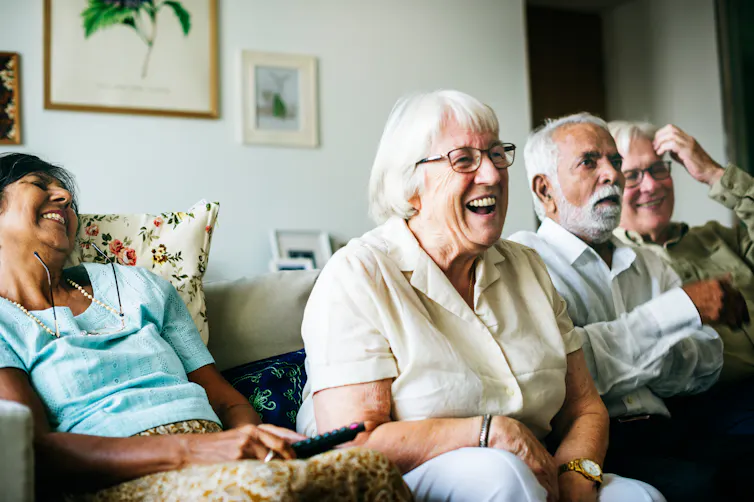
Rawpixel.com/Shutterstock

What the researchers did

This study used data from the UK Biobank, a large database in the United Kingdom that contains in-depth health and lifestyle data from roughly 500,000 people. The data available include genetic information, medical records, imaging and information about lifestyle.

A separate part of the study used data from a subset of more than 45,000 participants whose blood samples underwent something called “proteomic profiling”.

Proteomic profiling is a relatively new technique that looks at how proteins in the body change over time to identify a person’s age at a molecular level. By using this method researchers were able to estimate how quickly an individual’s body was actually ageing. This is called their biological age, as opposed to their chronological age (or years lived).

The researchers assessed 164 environmental exposures as well as participants’ genetic markers for disease. Environmental exposures included lifestyle choices (for example, smoking, physical activity), social factors (for example, living conditions, household income, employment status) and early life factors, such as body weight in childhood.

They then looked for associations between genetics and environment and 22 major age-related diseases (such as coronary artery disease and type 2 diabetes), mortality and biological ageing (as determined by the proteomic profiling).

These analyses allowed the researchers to estimate the relative contributions of environmental factors and genetics to ageing and dying prematurely.

What did they find?

When it came to disease-related mortality, as we would expect, age and sex explained a significant amount (about half) of the variation in how long people lived. The key finding, however, was environmental factors collectively accounted for around 17% of the variation in lifespan, while genetic factors contributed less than 2%.

This finding comes down very clearly on the nurture side in the “nature versus nurture” debate. It suggests environmental factors influence health and longevity to a far greater extent than genetics.

Not unexpectedly, the study showed a different mix of environmental and genetic influences for different diseases. Environmental factors had the greatest impact on lung, heart and liver disease, while genetics played the biggest role in determining a person’s risk of breast, ovarian and prostate cancers, and dementia.

The environmental factors that had the most influence on earlier death and biological ageing included smoking, socioeconomic status, physical activity levels and living conditions.

A man with a small child on his shoulders outdoors.
Genetic factors affected the risk of some diseases more than others. Kleber Cordeiro/Shutterstock

Interestingly, being taller at age ten was found to be associated with a shorter lifespan. Although this may seem surprising, and the reasons are not entirely clear, this aligns with previous research finding taller people are more likely to die earlier.

Carrying more weight at age ten and maternal smoking (if your mother smoked in late pregnancy or when you were a newborn) were also found to shorten lifespan.

Probably the most surprising finding in this study was a lack of association between diet and markers of biological ageing, as determined by the proteomic profiling. This flies in the face of the extensive body of evidence showing the crucial role of dietary patterns in chronic disease risk and longevity.

But there are a number of plausible explanations for this. The first could be a lack of statistical power in the part of the study looking at biological ageing. That is, the number of people studied may have been too small to allow the researchers to see the true impact of diet on ageing.

Second, the dietary data in this study, which was self-reported and only measured at one time point, is likely to have been of relatively poor quality, limiting the researchers’ ability to see associations. And third, as the relationship between diet and longevity is likely to be complex, disentangling dietary effects from other lifestyle factors may be difficult.

So despite this finding, it’s still safe to say the food we eat is one of the most important pillars of health and longevity.

What other limitations do we need to consider?

Key exposures (such as diet) in this study were only measured at a single point in time, and not tracked over time, introducing potential errors into the results.

Also, as this was an observational study, we can’t assume associations found represent causal relationships. For example, just because living with a partner correlated with a longer lifespan, it doesn’t mean this caused a person to live longer. There may be other factors which explain this association.

Finally, it’s possible this study may have underestimated the role of genetics in longevity. It’s important to recognise genetics and environment don’t operate in isolation. Rather, health outcomes are shaped by their interplay, and this study may not have fully captured the complexity of these interactions.

A woman walking with a dog in a field.
This study found environmental factors influence health and longevity to a far greater extent than genetics. Ground Picture/Shutterstock

The future is (largely) in your hands

It’s worth noting there were a number of factors such as household income, home ownership and employment status associated with diseases of ageing in this study that are not necessarily within a person’s control. This highlights the crucial role of addressing the social determinants of health to ensure everyone has the best possible chance of living a long and healthy life.

At the same time, the results offer an empowering message that longevity is largely shaped by the choices we make. This is great news, unless you have good genes and were hoping they would do the heavy lifting.

Ultimately, the results of this study reinforce the notion that while we may inherit certain genetic risks, how we eat, move and engage with the world seems to be more important in determining how healthy we are and how long we live.

Hassan Vally, Associate Professor, Epidemiology, Deakin University

This article is republished from The Conversation under a Creative Commons license. Read the original article.

Don’t Forget…

Did you arrive here from our newsletter? Don’t forget to return to the email to continue learning!

Learn to Age Gracefully

Join the 98k+ American women taking control of their health & aging with our 100% free (and fun!) daily emails:

  • Breakfasting For Health?

    10almonds is reader-supported. We may, at no cost to you, receive a portion of sales if you purchase a product through a link in this article.

    Breakfast Time!

    In yesterday’s newsletter, we asked you for your health-related opinions on the timings of meals.

    But what does the science say?

    Quick recap on intermittent fasting first:

    Today’s article will rely somewhat on at least a basic knowledge of intermittent fasting, what it is, and how and why it works.

    Armed with that knowledge, we can look at when it is good to break the fast (i.e. breakfast) and when it is good to begin the fast (i.e. eat the last meal of the day).

    So, if you’d like a quick refresher on intermittent fasting, here it is:

    Intermittent Fasting: We Sort The Science From The Hype

    And now, onwards!

    One should eat breakfast first thing: True or False?

    True! Give or take one’s definition of “first thing”. We did a main feature about this previously, and you can read a lot about the science of it, and see links to studies:

    The Circadian Rhythm: Far More Than Most People Know

    In case you don’t have time to read that now, we’ll summarize the most relevant-to-today’s-article conclusion:

    The optimal time to breakfast is around 10am (this is based on getting sunlight around 8:30am, so adjust if this is different for you)

    It doesn’t matter when we eat; calories are calories & nutrients are nutrients: True or False?

    Broadly False, for practical purposes. Because, indeed calories are calories and nutrients are nutrients at any hour, but the body will do different things with them depending on where we are in the circadian cycle.

    For example, this study in the Journal of Nutrition found…

    ❝Our results suggest that in relatively healthy adults, eating less frequently, no snacking, consuming breakfast, and eating the largest meal in the morning may be effective methods for preventing long-term weight gain.

    Eating breakfast and lunch 5-6 h apart and making the overnight fast last 18-19 h may be a useful practical strategy.❞

    ~ Dr. Hana Kahleova et al.

    Read in full: Meal Frequency and Timing Are Associated with Changes in Body Mass Index

    We should avoid eating too late at night: True or False?

    False per se, True in the context of the above. Allow us to clarify:

    There is nothing inherently bad about eating late at night; there is no “bonus calorie happy hour” before bed.

    However…

    If we are eating late at night, that makes it difficult to breakfast in the morning (as is ideal) and still maintain a >16hr fasting window as is optimal, per:

    ❝the effects of the main forms of fasting, activating the metabolic switch from glucose to fat and ketones (G-to-K), starting 12-16 h after cessation or strong reduction of food intake

    ~ Dr. Françoise Wilhelmi de Toledo et al.

    Read in full: Unravelling the health effects of fasting: a long road from obesity treatment to healthy life span increase and improved cognition

    So in other words: since the benefits of intermittent fasting start at 12 hours into the fast, you’re not going to get them if you’re breakfasting at 10am and also eating in the evening.

    Summary:

    • It is best to eat breakfast around 10am, generally (ideally after some sunlight and exercise)
    • While there’s nothing wrong with eating in the evening per se, doing so means that a 10am breakfast will eliminate any fasting benefits you might otherwise get
    • If a “one meal a day, and that meal is breakfast” lifestyle doesn’t suit you, then one possible good compromise is to have a large breakfast, and then a smaller meal in the late afternoon / early evening.

    One last tip: the above is good, science-based information. Use it (or don’t), as you see fit. We’re not the boss of you:

    • Maybe you care most about getting the best circadian rhythm benefits, in which case, prioritizing breakfast being a) in the morning and b) the largest meal of the day, is key
    • Maybe you care most about getting the best intermittent fasting benefits, in which case, for many people’s lifestyle, a fine option is skipping eating in the morning, and having one meal in the late afternoon / early evening.

    Take care!

    Share This Post

  • Do women really need more sleep than men? A sleep psychologist explains

    10almonds is reader-supported. We may, at no cost to you, receive a portion of sales if you purchase a product through a link in this article.

    If you spend any time in the wellness corners of TikTok or Instagram, you’ll see claims women need one to two hours more sleep than men.

    But what does the research actually say? And how does this relate to what’s going on in real life?

    As we’ll see, who gets to sleep, and for how long, is a complex mix of biology, psychology and societal expectations. It also depends on how you measure sleep.

    klebercordeiro/Getty

    What does the evidence say?

    Researchers usually measure sleep in two ways:

    • by asking people how much they sleep (known as self-reporting). But people are surprisingly inaccurate at estimating how much sleep they get
    • using objective tools, such as research-grade, wearable sleep trackers or the gold-standard polysomnography, which records brain waves, breathing and movement while you sleep during a sleep study in a lab or clinic.

    Looking at the objective data, well-conducted studies usually show women sleep about 20 minutes more than men.

    One global study of nearly 70,000 people who wore wearable sleep trackers found a consistent, small difference between men and women across age groups. For example, the sleep difference between men and women aged 40–44 was about 23–29 minutes.

    Another large study using polysomnography found women slept about 19 minutes longer than men. In this study, women also spent more time in deep sleep: about 23% of the night compared to about 14% for men. The study also found only men’s quality of sleep declined with age.

    The key caveat to these findings is that our individual sleep needs vary considerably. Women may sleep slightly more on average, just as they are slightly shorter on average. But there is no one-size-fits-all sleep duration, just as there is no universal height.

    Suggesting every woman needs 20 extra minutes (let alone two hours) misses the point. It’s the same as insisting all women should be shorter than all men.

    Even though women tend to sleep a little longer and deeper, they consistently report poorer sleep quality. They’re also about 40% more likely to be diagnosed with insomnia.

    This mismatch between lab findings and the real world is a well-known puzzle in sleep research, and there are many reasons for it.

    For instance, many research studies don’t consider mental health problems, medications, alcohol use and hormonal fluctuations. This filters out the very factors that shape sleep in the real world.

    This mismatch between the lab and the bedroom also reminds us sleep doesn’t happen in a vacuum. Women’s sleep is shaped by a complex mix of biological, psychological and social factors, and this complexity is hard to capture in individual studies.

    Let’s start with biology

    Sleep problems begin to diverge between the sexes around puberty. They spike again during pregnancy, after birth and during perimenopause.

    Fluctuating levels of ovarian hormones, particularly oestrogen and progesterone, seem to explain some of these sex differences in sleep.

    For example, many girls and women report poorer sleep during the premenstrual phase just before their periods, when oestrogen and progesterone begin to fall.

    Perhaps the most well-documented hormonal influence on our sleep is the decline in oestrogen during perimenopause. This is linked to increased sleep disturbances, particularly waking at 3am and struggling to get back to sleep.

    Some health conditions also play a part in women’s sleep health. Thyroid disorders and iron deficiency, for instance, are more common in women and are closely linked to fatigue and disrupted sleep.

    How about psychology?

    Women are at much higher risk of depression, anxiety and trauma-related disorders. These very often accompany sleep problems and fatigue. Cognitive patterns, such as worry and rumination, are also more common in women and known to affect sleep.

    Women are also prescribed antidepressants more often than men, and these medications tend to affect sleep.

    Society also plays a role

    Caregiving and emotional labour still fall disproportionately on women. Government data released this year suggests Australian women perform an average nine more hours of unpaid care and work each week than men.

    While many women manage to put enough time aside for sleep, their opportunities for daytime rest are often scarce. This puts a lot of pressure on sleep to deliver all the restoration women need.

    In my work with patients, we often untangle the threads woven into their experience of fatigue. While poor sleep is the obvious culprit, fatigue can also signal something deeper, such as underlying health issues, emotional strain, or too-high expectations of themselves. Sleep is certainly part of the picture, but it’s rarely the whole story.

    For instance, rates of iron deficiency (which we know is more common in women and linked to sleep problems) are also higher in the reproductive years. This is just as many women are raising children and grappling with the “juggle” and the “mental load”.

    Women in perimenopause are often navigating full-time work, teenagers, ageing parents and 3am hot flashes. These women may have adequate or even high-quality sleep (according to objective measures), but that doesn’t mean they wake feeling restored.

    Most existing research also ignores gender-diverse populations. This limits our understanding of how sleep is shaped not just by biology, but by things such as identity and social context.

    So where does this leave us?

    While women sleep longer and better in the lab, they face more barriers to feeling rested in everyday life.

    So, do women need more sleep than men? On average, yes, a little. But more importantly, women need more support and opportunity to recharge and recover across the day, and at night.

    Amelia Scott, Honorary Affiliate and Clinical Psychologist at the Woolcock Institute of Medical Research, and Macquarie University Research Fellow, Macquarie University

    This article is republished from The Conversation under a Creative Commons license. Read the original article.

    Share This Post

  • Tight Hips? Unlock Deep Squat In 7 Minutes

    10almonds is reader-supported. We may, at no cost to you, receive a portion of sales if you purchase a product through a link in this article.

    Mobility coach Alisa Szyman explains how:

    The building blocks of mobility

    Ideally, spend about 1 minute on each part—you don’t have to go all the way down to start with; that’s what the blocks are for:

    1. Elevated hold: place your feet wide and turned out 45°; hold for 30 seconds and shift from side to side for a deeper stretch.
    2. Hip drill: from the squat, actively push your knees out and in as far as possible.
    3. Hand walk: walk your hands forward while staying in the squat, hold for 5 seconds, then return; alternate arms pressing against opposite knees.
    4. Forward fold: lean forwards and relax completely, clasp your hands, and press your elbows out against your knees for 5 seconds.
    5. Elbow hip prying: repeat pressing your elbows outwards and bringing your knees back in.
    6. Trunk rotation: raise your arms and rotate your torso from side to side to activate your hip flexors, trunk, and back muscles.
    7. Active deep squat: practise lowering yourself into the squat slowly, you can use a wall for support, and then you can use hands on the floor for stability if needed.

    Once comfortable, reduce the elevation gradually (i.e. remove one block at a time, or use a lower stool or such if that’s what you were using) and repeat the same exercises at each level.

    This routine will build strength in your legs, glutes, and hip flexors, as well improving your balance and extending the limits of your flexibility.

    For more on all this plus visual demonstrations, enjoy:

    Click Here If The Embedded Video Doesn’t Load Automatically!

    Want to learn more?

    You might also like:

    The Most Anti-Aging Exercise ← for more on why being able to do this is so important

    Take care!

    Share This Post

  • Better Than BMI

    10almonds is reader-supported. We may, at no cost to you, receive a portion of sales if you purchase a product through a link in this article.

    BMI is a very flawed system, and there are several more useful ways of measuring our bodies. Let’s take a look at them!

    What’s wrong with BMI?

    Oof, what isn’t wrong with BMI?

    In short, it was developed as a demographic-based tool to specifically chart the weight-related health of working-age European white men a little under 200 years ago.

    This means that if you are, perchance, not a working-age European white man in 1830 or so, then it’s not so useful. It’d be like first establishing height norms based on NBA basketball players, and then applying it to the general population, and thus coming to the conclusion that someone who is 6’2″ is very short.

    In long, we did a deep-dive into it here, and in particular what things go dangerously wrong when it’s applied to women, non-white people, athletic people, pregnant people, people under 16 or over 65 and more:

    When BMI Doesn’t Quite Measure Up

    What we usually recommend instead

    For heart disease risk and diabetes risk both, waist circumference is a much more universally reliable indicator. And since those two things tend to affect a lot of other health risks, it becomes an excellent starting point for being aware of many aspects of health.

    Pregnancy will still throw off waist circumference a little (measure below the bump, not around it!), but it will nevertheless be more helpful than BMI even then, as it becomes necessary to just increase the numbers a little, according to gestational month and any confounding factors e.g. twins, triplets, etc. Ask your obstetrician about this, as it’s beyond the scope of our article today!

    As to what’s considered a risk:
    • Waist circumference of more than 35 inches for women
    • Waist circumference of more than 40 inches for men

    These numbers are considered applicable across demographics of age, ethnicity, and lifestyle.

    Source: Waist circumference as a vital sign in clinical practice: a Consensus Statement from the IAS and ICCR Working Group on Visceral Obesity

    Bonus extra measurement based on the above

    Important also is waist to hip ratio.

    How to calculate it:

    1. measure your waist circumference
    2. measure your hip circumference
    3. divide the first measurement by the second one

    Because it’s a ratio, it doesn’t matter what units you use (e.g. inches, cm, etc) so long as you use the same units for both measurements.

    The World Health Organization offers the following chart:

    Health riskWomenMen
    Low0.80 or lower0.95 or lower
    Moderate0.81–0.850.96–1.0
    High0.86 or higher1.1 or higher

    Source: Waist Circumference and Waist-Hip Ratio: Report of a WHO Expert Consultation

    This is especially relevant for cardiovascular disease risk:

    Waist circumference and waist-to-hip ratio as predictors of cardiovascular events: meta-regression analysis of prospective studies

    …and also holds true for all-cause mortality:

    Waist-Hip-Ratio as a Predictor of All-Cause Mortality in High-Functioning Older Adults

    An ancient contender that’s still more useful than BMI

    Remember Archimedes? The (perhaps apocryphal) story of his “Eureka” moment in the bathtub when he realized that water displacement could be used to measure the volume of an irregular shape?

    Just like Archimedes (who, the story goes, had been hired to determine the composition of a crown that might or might not have been pure gold), we can use this method to determine body composition, because we have references for how much a given volume of a given substance will weigh, so combing what we know about a body’s weight and volume will tell us about its composition in ways that neither metric could give us alone.

    Indeed, it’s one of the commonly-mentioned flaws of BMI that muscle weighs more than fat, and Archimedes’ method not only avoids that problem, but also, actually turns that knowledge (muscle weighs more than fat) to our advantage.

    It’s called “hydrostatic weighing” now:

    Hydrostatic Weighing: Evaluation of body composition parameters using various diagnostic methods: A meta analysis study

    You may be wondering: what about bones? Or internal organs?

    The fact is that those are slightly confounding factors that do get in the way of a truly accurate analysis, but the variation in how much one person’s skeleton weighs vs another’s, or one person’s set of organs weigh than another’s, is too small to make an important difference to the health implications.

    Lastly…

    Hydrostatic weighing isn’t the only way to work out how much of our body is made of fat; if you have for example a smart scale at home (like this one) that tells you your body fat percentage, that is an estimate based on bioelectrical impedance analysis.

    It’s less accurate than the hydrostatic method, but easier to do at home!

    As to what percentages are “best”, healthy body fat percentages are (assuming normal hormones) generally considered to be in the range of 20–25% for women and 15–20% for men.

    You can read more about this here:

    Is A Visible Six-Pack Obtainable Regardless Of Genetic Predisposition?

    Take care!

    Don’t Forget…

    Did you arrive here from our newsletter? Don’t forget to return to the email to continue learning!

    Learn to Age Gracefully

    Join the 98k+ American women taking control of their health & aging with our 100% free (and fun!) daily emails:

  • Bell Pepper vs Celery – Which is Healthier?

    10almonds is reader-supported. We may, at no cost to you, receive a portion of sales if you purchase a product through a link in this article.

    Our Verdict

    When comparing bell peppers to celery, we picked the celery.

    Why?

    First, you might remember that different color bell peppers have different nutritional profiles. So, you might be wondering why we didn’t specify the color.

    The reason is: the things that differ from one color to another are important differences between the respective bell peppers, but they make no difference to this comparison, as for any given nutrient that changes from one color to another, it doesn’t change the outcome, because the numbers are still on the same side relative to celery.

    With that in mind…

    It was close!

    In terms of macros, there’s really nothing between them, so the first round’s a tie.

    In the category of vitamins, bell peppers have more of vitamins B1, B3, B6, C, and E, while celery has more of vitamins A, B2, B5, B7, B9, and K, yielding a marginal victory to celery here.

    Looking at minerals, bell peppers have more coper, iron, and manganese, while celery has more calcium, magnesium, phosphorus, potassium, and selenium, winning another round.

    In other considerations, bell peppers have more carotenoids such as lutein, while celery is rather higher in polyphenols, so we’ll call this round a tie.

    Adding up the sections makes for a modest-yet-clear overall win for celery, but by all means enjoy either or both, as diversity is best!

    Want to learn more?

    You might like:

    Enjoy!

    Don’t Forget…

    Did you arrive here from our newsletter? Don’t forget to return to the email to continue learning!

    Learn to Age Gracefully

    Join the 98k+ American women taking control of their health & aging with our 100% free (and fun!) daily emails:

  • Xylitol vs Erythritol – Which is Healthier?

    10almonds is reader-supported. We may, at no cost to you, receive a portion of sales if you purchase a product through a link in this article.

    Our Verdict

    When comparing xylitol to erythritol, we picked the xylitol.

    Why?

    They’re both sugar alcohols, which so far as the body is concerned are neither sugars nor alcohols in the way those words are commonly understood; it’s just a chemical term. The sugars aren’t processed as such by the body and are passed as dietary fiber, and nor is there any intoxicating effect as one might expect from an alcohol.

    In terms of macronutrients, while technically they both have carbs, for all functional purposes they don’t and just have a little fiber.

    In terms of micronutrients, they don’t have any.

    The one thing that sets them apart is their respective safety profiles. Xylitol is prothrombotic and associated with major adverse cardiac events (CI=95, adjusted hazard ratio=1.57, range=1.12-2.21), while erythritol is also prothrombotic and more strongly associated with major adverse cardiac events (CI=95, adjusted hazard ratio=2.21, range=1.20-4.07).

    So, xylitol is bad and erythritol is worse, which means the relatively “healthier” is xylitol. We don’t recommend either, though.

    Studies for both:

    Links for the specific products we compared, in case our assessment hasn’t put you off them:

    Xylitol | Erythritol

    Want to learn more?

    You might like to read:

    Take care!

    Don’t Forget…

    Did you arrive here from our newsletter? Don’t forget to return to the email to continue learning!

    Learn to Age Gracefully

    Join the 98k+ American women taking control of their health & aging with our 100% free (and fun!) daily emails: