
How Do Pain Relievers Work?
10almonds is reader-supported. We may, at no cost to you, receive a portion of sales if you purchase a product through a link in this article.
Different types, different ways:
Shooting the messenger
Pain is not a fault in our body; it evolved for a reason and is there to serve a purpose, namely, letting us know about potential or actual damage to our body. For this reason, people who can’t feel pain are at much greater risk of injury because they may not notice damage to their bodies.
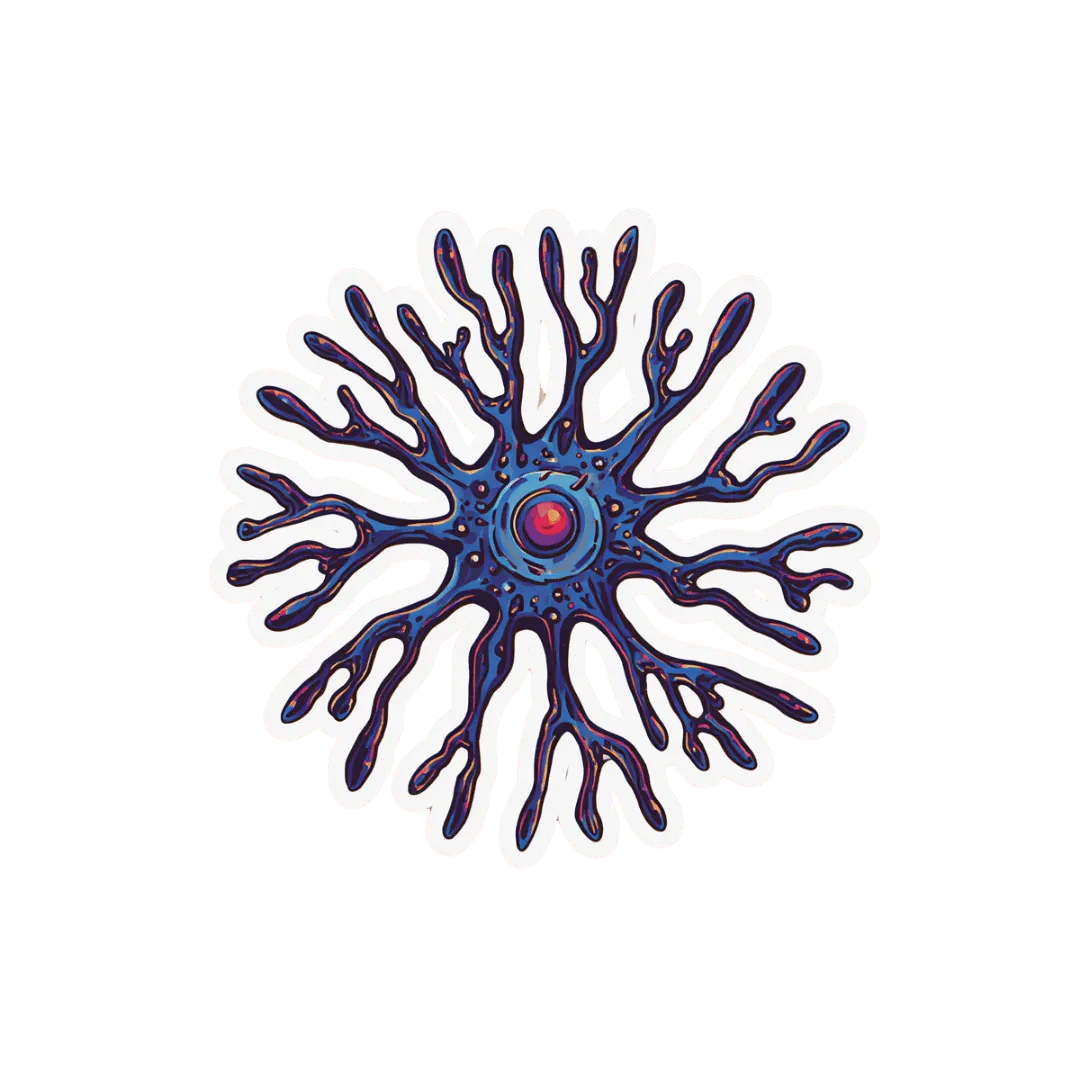
Where pain “comes from”: specialized nerve cells called nociceptors extend from your spinal cord to your skin, muscles, joints, teeth, and some internal organs, transmitting electrical signals to your brain only when something could cause or is causing damage.
In a move as useful as it is unpleasant, injuries increase pain sensitivity, because damaged cells release chemicals* that lower nociceptors’ pain threshold, making even gentle touch painful around an injured area.
*For those who would like more details than just nebulous “chemicals”, we will add the extra information that damaged cells release arachidonic acid, which the enzymes COX-1 and COX-2 convert into prostaglandin H2, the precursor to prostaglandins and related signaling molecules. And pain, as established, is just a matter of signals.
As for some common ones:
- How aspirin works: aspirin permanently (for the life of each given enzyme, anyway, not for your lifetime, unless you die very quickly, of course) disables COX-1 and COX-2 by leaving part of its molecule lodged in each enzyme’s active site, preventing arachidonic acid from entering.
- How ibuprofen works: ibuprofen temporarily occupies the active site of COX-1 and COX-2, blocking arachidonic acid only while the drug remains bound before the enzyme can function again.
- Why these both affect the whole body: aspirin and ibuprofen circulate throughout your bloodstream rather than targeting only painful areas, so they act wherever COX enzymes are present.
You might be wondering why equally common painkiller paracetamol/acetaminophen (as in Tylenol et al.) didn’t get an explanation here, and the answer is that science doesn’t know how it works ๐ There are some hypotheses and there have been some breakthroughs lately (see our “learn more” section for more on that), but simply put, we (humanity) just don’t know yet.
For more on all of this, enjoy:
Click Here If The Embedded Video Doesnโt Load Automatically!
Want to learn more?
You might also like:
How Acetaminophen (Paracetamol) Suppresses Endocannabinoids
Take care!
Don’t Forget…
Did you arrive here from our newsletter? Don’t forget to return to the email to continue learning!
Recommended
Learn to Age Gracefully
Join the 98k+ American women taking control of their health & aging with our 100% free (and fun!) daily emails:
-
Whatโs the difference between physical and chemical sunscreens? And which one should youย choose?
10almonds is reader-supported. We may, at no cost to you, receive a portion of sales if you purchase a product through a link in this article.
Sun exposure can accelerate ageing, cause skin burns, erythema (a skin reaction), skin cancer, melasmas (or sun spots) and other forms of hyperpigmentation โ all triggered by solar ultraviolet radiation.
Approximately 80% of skin cancer cases in people engaged in outdoor activities are preventable by decreasing sun exposure. This can be done in lots of ways including wearing protective clothing or sunscreens.
But not all sunscreens work in the same way. You might have heard of โphysicalโ and โchemicalโ sunscreens. Whatโs the difference and which one is right for you?
How sunscreens are classified
Sunscreens are grouped by their use of active inorganic and organic ultraviolet (UV) filters. Chemical sunscreens use organic filters such as cinnamates (chemically related to cinnamon oil) and benzophenones. Physical sunscreens (sometimes called mineral sunscreens) use inorganic filters such as titanium and zinc oxide.
These filters prevent the effects of UV radiation on the skin.
Organic UV filters are known as chemical filters because the molecules in them change to stop UV radiation reaching the skin. Inorganic UV filters are known as physical filters, because they work through physical means, such as blocking, scattering and reflection of UV radiation to prevent skin damage.
Nano versus micro
The effectiveness of the filters in physical sunscreen depends on factors including the size of the particle, how itโs mixed into the cream or lotion, the amount used and the refraction index (the speed light travels through a substance) of each filter.
When the particle size in physical sunscreens is large, it causes the light to be scattered and reflected more. That means physical sunscreens can be more obvious on the skin, which can reduce their cosmetic appeal.
Nanoparticulate forms of physical sunscreens (with tiny particles smaller than 100 nanometers) can improve the cosmetic appearance of creams on the skin and UV protection, because the particles in this size range absorb more radiation than they reflect. These are sometimes labelled as โinvisibleโ zinc or mineral formulations and are considered safe.
So how do chemical sunscreens work?
Chemical UV filters work by absorbing high-energy UV rays. This leads to the filter molecules interacting with sunlight and changing chemically.
When molecules return to their ground (or lower energy) state, they release energy as heat, distributed all over the skin. This may lead to uncomfortable reactions for people with skin sensitivity.
Generally, UV filters are meant to stay on the epidermis (the first skin layer) surface to protect it from UV radiation. When they enter into the dermis (the connective tissue layer) and bloodstream, this can lead to skin sensitivity and increase the risk of toxicity. The safety profile of chemical UV filters may depend on whether their small molecular size allows them to penetrate the skin.
Chemical sunscreens, compared to physical ones, cause more adverse reactions in the skin because of chemical changes in their molecules. In addition, some chemical filters, such as dibenzoylmethane tend to break down after UV exposure. These degraded products can no longer protect the skin against UV and, if they penetrate the skin, can cause cell damage.
Due to their stability โ that is, how well they retain product integrity and effectiveness when exposed to sunlight โ physical sunscreens may be more suitable for children and people with skin allergies.
Although sunscreen filter ingredients can rarely cause true allergic dermatitis, patients with photodermatoses (where the skin reacts to light) and eczema have higher risk and should take care and seek advice.
What to look for
The best way to check if youโll have a reaction to a physical or chemical sunscreen is to patch test it on a small area of skin.
And the best sunscreen to choose is one that provides broad-spectrum protection, is water and sweat-resistant, has a high sun protection factor (SPF), is easy to apply and has a low allergy risk.
Health authorities recommend sunscreen to prevent sun damage and cancer. Chemical sunscreens have the potential to penetrate the skin and may cause irritation for some people. Physical sunscreens are considered safe and effective and nanoparticulate formulations can increase their appeal and ease of use.
Yousuf Mohammed, Dermatology researcher, The University of Queensland and Khanh Phan, Postdoctoral research associate, Frazer Institute, The University of Queensland
This article is republished from The Conversation under a Creative Commons license. Read the original article.
Share This Post
-
The Small Daily Habits That Add 9+ Years To Life
10almonds is reader-supported. We may, at no cost to you, receive a portion of sales if you purchase a product through a link in this article.
Things that aren’t on the list:
- Springing out of bed for a 5am run every morning
- Getting a divorce
- Drinking 10% of your bodyweight in kale smoothies
- Regular blood transfusions from a team of healthy teenagers
- Cold water plunges
Instead, the actual habits we’re going to talk about today are quite minor things, but they add up to big differences.
First, we were a little silly with the above list, but actually before we move on, let’s examine it:
- Springing out of bed for a 5am run every morning? Can help: The Optimal Morning Routine, Per Neuroscience
- Getting a divorce? Can help: How Relationships Affect The Heart (For Better Or For Worse)
- Drinking 10% of your bodyweight in kale smoothies? Please don’t do that, but kale is good, yes: Brain Food? The Eyes Have It! โ this is about lutein, and dark green leafy vegetables are lutein superstars: A half cup of kale has 50 times more lutein than an egg.
- Regular blood transfusions from a team of healthy teenagers? Eastern European folklore notwithstanding, this one won’t help unless you have a condition that necessitates such (e.g. hematological cancer). We could quibble about some blood-related anti-aging therapies that involve donating parts of blood, but that’d take a whole article that we haven’t written yet. Maybe soon!
- Cold water plunges? Can help (but watch out): Ice Baths: To Dip Or Not To Dip?
The easier list
We’ll not keep it a mystery:
- Move more
- Sit less
- Sleep better
- Eat better
Now, probably none of those things are a shocking surprise, but what recent science has found is that the amount that most people need to improve by (in order to enjoy benefits) is much smaller than previously believed.
Specifically, two large cohort analyses have shown that very small, realistic daily improvements in movement, sitting time, sleep, and diet are associated with serious reductions in mortality risk and notable gains in lifespan and healthspan.
One of them (Dr. Maria Hagstrรถmer et al.) found adding literally just 5 minutes per day of moderate-to-vigorous physical activity and reducing sedentary time by 30 minutes per day could reduce mortality by up to 10%.
You can find that paper here: Deaths potentially averted by small changes in physical activity and sedentary time: an individual participant data meta-analysis of prospective cohort studies
Another (Dr. Dorothea Dumuid et al.) found that sleeping 7.2โ8.0 hours per day, doing more than 42 minutes per day of moderate-to-vigorous exercise, and achieving a diet quality score* of 57.5โ72.5 were associated with an average 9.35 additional years of healthy lifespan, compared to not doing those things.
*The diet quality score (DQS) involves assessing dietary components that make things better or worse, such as intake of vegetables, fruits, grains, fish, other meats, dairy, oils, and sugar-sweetened beverages (ranging 0โ100; higher indicates better quality)
If those changes seem too much, then note also that as little as 5 extra minutes of sleep per day, 1.9 additional minutes of moderate-to-vigorous physical activity per day, and improving by just 5 points in the DQS were associated with 1 extra year of healthy lifespan.
There’s a dose-response relationship here, as larger but still modest combined changesโ24 more minutes of sleep per day, 3.7 more minutes of moderate-to-vigorous physical activity per day, and a 23-point DQS improvementโwere associated with about 4 additional years lived in good health.
You can find that paper here: Minimum combined sleep, physical activity, and nutrition variations associated with lifeSPAN and healthSPAN improvements: a population cohort study
Ok, but how to implement that?
Short answer: little by little!
Long answer: we’ll give our own long answer another day, as we’re out of room for today, but…
You might like these excellent books that we’ve reviewed by Dr. Rangan Chatterjee, who specializes in getting people to do just this:
- The Four Pillar Plan โ by Dr. Rangan Chatterjee
- Feel Better In 5 โ by Dr. Rangan Chatterjee
- Make Change That Lasts โ by Dr. Rangan Chatterjee
Take care!
Share This Post
-
What is mitochondrial donation? And how might it help people have a healthy baby oneย day?
10almonds is reader-supported. We may, at no cost to you, receive a portion of sales if you purchase a product through a link in this article.
Mitochondria are tiny structures in cells that convert the food we eat into the energy our cells need to function.
Mitochondrial disease (or mito for short) is a group of conditions that affect this ability to generate the energy organs require to work properly. There are many different forms of mito and depending on the form, it can disrupt one or more organs and can cause organ failure.
There is no cure for mito. But an IVF procedure called mitochondrial donation now offers hope to families affected by some forms of mito that they can have genetically related children free from mito.
After a law to allow mitochondrial donation in Australia was passed in 2022, scientists are now preparing for a clinical trial to see if mitochondrial donation is safe and works.
Jonathan Borba/Pexels What is mitochondrial disease?
There are two types of mitochondrial disease.
One is caused by faulty genes in the nuclear DNA, the DNA we inherit from both our parents and which makes us who we are.
The other is caused by faulty genes in the mitochondriaโs own DNA. Mito caused by faulty mitochondrial DNA is passed down through the mother. But the risk of disease is unpredictable, so a mother who is only mildly affected can have a child who develops serious disease symptoms.
Mitochondrial disease is the most common inherited metabolic condition affecting one in 5,000 people.
Some people have mild symptoms that progress slowly, while others have severe symptoms that progress rapidly. Mito can affect any organ, but organs that need a lot of energy such as brain, muscle and heart are more often affected than other organs.
Mito that manifests in childhood often involves multiple organs, progresses rapidly, and has poor outcomes. Of all babies born each year in Australia, around 60 will develop life-threatening mitochondrial disease.
What is mitochondrial donation?
Mitochondrial donation is an experimental IVF-based technique that offers people who carry faulty mitochondrial DNA the potential to have genetically related children without passing on the faulty DNA.
It involves removing the nuclear DNA from the egg of someone who carries faulty mitochondrial DNA and inserting it into a healthy egg donated by someone not affected by mito, which has had its nuclear DNA removed.
The donor egg (in blue) has had its nuclear DNA removed. Author provided The resulting egg has the nuclear DNA of the intending parent and functioning mitochondria from the donor. Sperm is then added and this allows the transmission of both intending parentsโ nuclear DNA to the child.
A child born after mitochondrial donation will have genetic material from the three parties involved: nuclear DNA from the intending parents and mitochondrial DNA from the egg donor. As a result the child will likely have a reduced risk of mito, or no risk at all.
The procedure removes the faulty DNA to reduce the chance of it passing on to the baby. Josh Willink/Pexels This highly technical procedure requires specially trained scientists and sophisticated equipment. It also requires both the person with mito and the egg donor to have hormone injections to stimulate the ovaries to produce multiple eggs. The eggs are then retrieved in an ultrasound-guided surgical procedure.
Mitochondrial donation has been pioneered in the United Kingdom where a handful of babies have been born as a result. To date there have been no reports about whether they are free of mito.
Maeveโs Law
After three years of public consultation The Mitochondrial Donation Law Reform (Maeveโs Law) Bill 2021 was passed in the Australian Senate in 2022, making mitochondrial donation legal in a research and clinical trial setting.
Maeveโs law stipulates strict conditions including that clinics need a special licence to perform mitochondrial donation.
To make sure mitochondrial donation works and is safe before itโs introduced into Australian clinical practice, the law also specifies that initial licences will be issued for pre-clinical and clinical trial research and training.
Weโre expecting one such licence to be issued for the mitoHOPE (Healthy Outcomes Pilot and Evaluation) program, which we are part of, to perfect the technique and conduct a clinical trial to make sure mitochondrial donation is safe and effective.
Before starting the trial, a preclinical research and training program will ensure embryologists are trained in โreal-lifeโ clinical conditions and existing mitochondrial donation techniques are refined and improved. To do this, many human eggs are needed.
The need for donor eggs
One of the challenges with mitochondrial donation is sourcing eggs. For the preclinical research and training program, frozen eggs can be used, but for the clinical trial โfreshโ eggs will be needed.
One possible source of frozen eggs is from people who have stored eggs they donโt intend to use.
A recent study looked at data on the outcomes of eggs stored at a Melbourne clinic from 2012 to 2021. Over the ten-year period, 1,132 eggs from 128 patients were discarded. No eggs were donated to research because the clinics where the eggs were stored did not conduct research requiring donor eggs.
However, research shows that among people with stored eggs, the number one choice for what to do with eggs they donโt need is to donate them to research.
This offers hope that, given the opportunity, those who have eggs stored that they donโt intend to use might be willing to donate them to mitochondrial donation preclinical research.
As for the โfreshโ eggs needed in the future clinical trial, this will require individuals to volunteer to have their ovaries stimulated and eggs retrieved to give those people impacted by mito a chance to have a healthy baby. Egg donors may be people who are friends or relatives of those who enter the trial, or it might be people who donโt know someone affected by mito but would like to help them conceive.
At this stage, the aim is to begin enrolling participants in the clinical trial in the next 12 to 18 months. However this may change depending on when the required licences and ethics approvals are granted.
Karin Hammarberg, Senior Research Fellow, Global and Women’s Health, School of Public Health & Preventive Medicine, Monash University; Catherine Mills, Professor of Bioethics, Monash University; Mary Herbert, Professor, Anatomy & Developmental Biology, Monash University, and Molly Johnston, Research fellow, Monash Bioethics Centre, Monash University
This article is republished from The Conversation under a Creative Commons license. Read the original article.
Share This Post
Related Posts
-
Is honey good for you? Can it speed recovery if youโre sick or injured?
10almonds is reader-supported. We may, at no cost to you, receive a portion of sales if you purchase a product through a link in this article.
Honey is often praised for a range of health benefits, from soothing a sore throat and helping you get to sleep to healing woulds and lowering risk factors for diabetes and heart disease.
Honeyโs acidity has the potential to prevent bacterial growth, while its density and stickiness generates osmotic pressure (in the same way as quicksand) which restrain bacteria.
Other compounds in honey contribute anti-inflammatory and antioxidant effects.
But do the claims about honey for specific health problems and injuries stack up to science? Letโs check what the evidence says.
abe livi/Unsplash First, whatโs in honey?
Honey contains up to 20% water. The remaining 80% is made of simple sugars: monasaccharides that we rapidly digest. Fructose (32-28%) and glucose (26-31%) are the main ones, followed by small amounts of sucrose and others.
This can increase blood sugar levels to varying degrees. The glycemic index (GI) measures how fast blood sugars rise after eating or drinking. The GI of different Australian honeys ranges from 35 (low) to 72 (high), though most food labels donโt contain GI information.
Honey also has traces of vitamins (A, B1, B2, B6, C), minerals (potassium, magnesium, iron, zinc), amino acids (protein) and enzymes from plant, bee and insect secretions.
Nutrients vary depending on where the honeybees collected pollen, the time of honey harvest and how long it has been stored.
Can honey heal wounds?
A 2015 Cochrane review update assessed the effects of honey in treating acute burns, lacerations and chronic wounds, compared to topical treatments or other dressings.
It found high-quality evidence that honey dressings healed second-degree burns 4โ5 days faster than conventional dressings. There was moderate-quality evidence that wounds infected after surgery healed faster with honey.
A 2020 review evaluated antimicrobial activity of Manuka and medical-grade honeys against a range of multi-drug resistant bacterial species. It found all honeys were effective against most species and could be considered for use in antibiotic-resistant infections.
Only sterilised medical-grade honey that has been processed to remove contaminants, and meets safety and antibacterial standards, should be used, with guidance from your doctor.
Does honey help adults sleep?
Research on the effects of honey on sleep is limited.
One trial compared sleep quality of 68 adults admitted to hospital. Half were given a mixture of milk (150mL) and honey (30g) twice a day, and half were not.
Those in the honey-mixture group said they slept better after day three. But these results could be biased, because participants were aware they were getting honey-milk and drinking it can be associated with feeling of comfort.
Can it soothe sore throats and coughs, or help kids sleep?
Five studies in children have compared honey mixtures to over-the-counter cough medicines or no medication. Each study linked honey to better sleep and less severe coughs in children.
But before you rush out to stock up on honey, there are major limitations related to the honey used. The quantity and type of honey given varies across the studies, with no certainty about which components are present. So the results need to be interpreted with caution.
Chemical analysis of some honey varieties found traces of the โfeel-goodโ brain chemical serotonin and the hormone melatonin, which affects sleep and circadian rhythm. But the researchers concluded the small amounts detected were more likely to affect activity of the bees, rather than affecting human behaviour.
What about for diabetes, heart disease and cancer care?
For diabetes, a 2023 review of 48 clinical trials found honey had some positive effects on a range of risk factors, including glucose tolerance and wound healing. However, the honey dose and type werenโt standardised, so the researchers concluded that honey could be used in addition to, but not instead of, regular medications.
For heart disease, a 2022 analysis combining findings from trials evaluated the impact of honey on blood fats. It found no effect on several risk factors for heart disease: total cholesterol, triglycerides (another type of blood fat), low-density lipoprotein (LDL or bad) cholesterol or high-density lipoprotein (HDL or good) cholesterol.
However a 2025 meta-analysis of propolis (bee glue) did find significant reductions in triglycerides, LDL (bad) cholesterol, fasting blood sugars, insulin and systolic blood pressure (the top number on a reading). But given most propolis supplement trials have only lasted a few months and supplements are expensive, that money is likely better spent on healthy foods.
For cancer patients, a 2023 review found honey alleviated ulceration and inflammation in the mouth following chemotherapy or radiotherapy, and it reduced some of the toxic effects of chemotherapy.
Can it affect your mind?
Some honeys have psychotropic, or mind-altering effects. โMad honeyโ comes from plant nectar of Rhododendron species and naturally contains grayanotoxins, which have pharmacological and toxic effects.
These include nausea, dizziness, low blood pressure, severe bradycardia (an abnormally slow heart rate), neurological complications and even life-threatening cardiac arrhythmia (irregular heart beat).
Itโs illegal to import or sell โmad honeyโ in Australia but Nepal and Turkey have historically used it for medicinal and psychoactive properties.
Who shouldnโt have honey?
Although commercial honey is pasteurised, the process does not kill spores of the bacteria Clostridium botulinum. This is why babies under one year and immunocompromised people shouldnโt have honey.
Clare Collins, Laureate Professor in Nutrition and Dietetics, University of Newcastle
This article is republished from The Conversation under a Creative Commons license. Read the original article.
Don’t Forget…
Did you arrive here from our newsletter? Don’t forget to return to the email to continue learning!
Learn to Age Gracefully
Join the 98k+ American women taking control of their health & aging with our 100% free (and fun!) daily emails:
-
If You Feel Stuck At The Same Size When Trying To Lose Weightโฆ
10almonds is reader-supported. We may, at no cost to you, receive a portion of sales if you purchase a product through a link in this article.
Itโs Q&A Day at 10almonds!
Have a question or a request? We love to hear from you!
In cases where weโve already covered something, we might link to what we wrote before, but will always be happy to revisit any of our topics again in the future tooโthereโs always more to say!
No question/request too big or small ๐
โI keep trying in different ways but whatever I do I just don’t lose weight, is this something that’s just me?โ
Well, we can’t diagnose from afar (or at all, actually; we are not doctors, let alone your doctors), so we can’t comment on whether there’s something exceptional going on in your case, but we can say that certainly many people report experiencing what you are describing.
Let’s start with some good news: if you weight is staying the same, then your weight is stable, which for most people is a good thing!
Next, some extra good news: if you are doing the “correct” things (healthy lifestyle habits in general), then you are getting benefits regardless of what the bathroom scale has to say about it.
For example:
- If you are eating healthily (especially: plenty of plants for fiber and polyphenols, and sufficient protein/carbs/fats from good sources), then you are flooding your body with the nutrients it needs to keep you well
- If you are getting your recommended 150 minutes of moderate exercise per week (ambling around counts), your heart will be thanking you for it
- If you are sleeping well (i.e. at least 7 hours of good quality sleep per day), your body will be better able to take care of itself in the ways that it needs to
- If you are abstaining from harmful substances (e.g. alcohol, tobacco, red/processed meat, etc), then those substances will not be harming your body
- If you are looking after your mental health (which for most people most of the time includes managing stress adequately) then your physical health won’t be held back
For more details on these, see: These Top Few Things Make The Biggest Difference To Health
Special note on that about the exercise and heart health: in fact, the American Heart Association made a statement on this one recently, saying such things as:
โIndependently of weight loss, physical activity and exercise programs improve major cardiometabolic risk factors, including hypertension, insulin resistance, and dyslipidemia, which are highly prevalent in patients with overweight or obesity.โ
You can read the statement in full, here: Role of Physical Activity in Obesity Treatment and Cardiometabolic Health: A Scientific Statement From the American Heart Association
It’s also worth bearing in mind that a lot of people, especially women and especially over a certain age, often overestimate how much weight loss would be healthy.
Media tells us we must be thin to be healthy, but science is a little more nuanced, and regular 10almonds readers may remember how โoverweightโ BMI is a protective factor for people over 65 and actually reduces mortality.
So for this reason, you might want to: Stop Trying To Lose Weight (And Do This Instead) โ this is about metabolic health in a more general fashion, and is very important
All that said, if you’d still pressingly like to lose some weight, then you might want to swing by: Hit A Weight Loss Plateau? Hereโs What To Do
Want to learn more?
You might like these main features on getting your body just the way you want it, sustainably and healthily:
- How To Lose Weight (Healthily!)
- How To Build Muscle (Healthily!)
- How To Gain Weight (Healthily!) โ this oneโs specifically about gaining healthy levels of fat, for any who want/need that
And also:
Can We Do Fat Redistribution? โ yes we can, but there are caveats
Take care!
Don’t Forget…
Did you arrive here from our newsletter? Don’t forget to return to the email to continue learning!
Learn to Age Gracefully
Join the 98k+ American women taking control of their health & aging with our 100% free (and fun!) daily emails:
-
Buckwheat vs Millet โ Which is Healthier?
10almonds is reader-supported. We may, at no cost to you, receive a portion of sales if you purchase a product through a link in this article.
Our Verdict
When comparing buckwheat to millet, we picked the buckwheat.
Why?
Both of these naturally gluten-free grains* have their merits, but we say buckwheat comes out on top for most people (we’ll discuss the exception later).
*technically buckwheat is a flowering pseudocereal and not only not a wheat, but also not even a grain at all. Talking in culinary terms, though, we’ll call it a grain, much like we call many botanical fruits “vegetables”.
Considering the macros first of all, buckwheat has more than 2x the fiber while millet has slightly more carbs. An easy win for buckwheat (they’re about equal on protein, by the way).
In the category of vitamins, buckwheat has more of vitamins B5, E, and K, while millet has more of vitamins B1, B2, B3, B6, and B9. Superficially that’s a 5:3 win for millet, though buckwheat’s margins of difference are notably much greater, so the overall vitamin coverage could arguably be considered a tie.
When it comes to minerals, buckwheat has more calcium, copper, iron, magnesium, manganese, potassium, and selenium, while millet has more phosphorus and zinc. For most of the minerals compared, buckwheat’s margins of difference are again much greater. An easy win for buckwheat, in any case.
This all adds up to a clear win for buckwheat, but as promised, there is an exception: if you have issues with your kidneys that mean you are avoiding oxalates, then millet becomes the healthier choice, as buckwheat is rather high in oxalates while millet is low in same.
For everyone else: enjoy either or both! Diversity is good. But buckwheat’s the more nutritionally dense.
Want to learn more?
You might like:
Grains: Bread Of Life, Or Cereal Killer?
Enjoy!
Don’t Forget…
Did you arrive here from our newsletter? Don’t forget to return to the email to continue learning!
Learn to Age Gracefully
Join the 98k+ American women taking control of their health & aging with our 100% free (and fun!) daily emails:


