
Heart attack or panic attack? Why young men are calling ambulances for unmanaged anxiety

10almonds is reader-supported. We may, at no cost to you, receive a portion of sales if you purchase a product through a link in this article.

Anxiety affects one in five Australian men at some point in their lives. But the condition remains highly stigmatised, misunderstood and under-diagnosed.

Men are around half as likely to be diagnosed with an anxiety disorder compared to women. Some feel pressure to be fearless and hide their emotions. Others simply don’t understand or have the language to describe anxiety symptoms.

This has serious consequences. Our latest research shows young men are turning to ambulance services when their symptoms become overwhelming – some even think they’re having a heart attack.

So why do so many men wait until they need to call emergency services, rather than seek support earlier from a GP or psychologist? And what prompts them to call? We reviewed the paramedic notes of 694 men aged 15 to 25 years in Victoria, Australia, to find out.
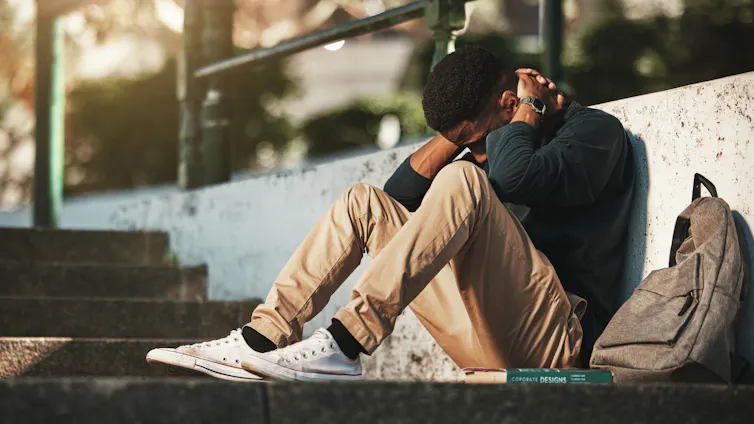
PeopleImages.com – Yuri A/Shutterstock

Young men haven’t seen others asking for help

Boys are raised to value courage, strength and self-assurance, and to suppress vulnerability.

When parents encourage boys to “face their fears”, rather than offering emotional comfort and tenderness, anxiety gets positioned in conflict with masculinity. This leads to a disjuncture between the support young men are met with (and come to expect) from others, and the support they may want or need.

This also means boys grow up believing their male role models – dads, brothers, grandads, coaches – don’t get anxious, deterring boys and men from seeking help. As a result, anxiety goes undiagnosed and opportunities for early intervention are missed.

Recently, we have seen positive shifts challenging restrictive masculine stereotypes. This has improved awareness surrounding men’s depression – opening up conversations, normalising help-seeking and leading to the development of men’s mental health programs and resources.

However, men’s anxiety remains in the shadows. When anxiety is talked about, it’s not with the same weight or concern as depression. This is despite men’s anxiety having harmful health impacts including turning to alcohol and drugs to cope, and increasing the risk of male suicide.

What does anxiety look like?

When men are encouraged to talk about anxiety, they describe various challenges including repetitive worries, feeling out-of-control and intense physical symptoms. This includes a high heart rate, shortness of breath, body pains, tremors and headaches.

Jack Steele, a prominent Australian personality and one half of the Inspired Unemployed, opened up about his anxiety difficulties on The Imperfects Podcast last year saying:

I didn’t know what anxiety was. I thought I was the opposite of anxiety.

The way I explain it, it’s like […] your whole body just shuts down. My throat starts closing up and my whole body just goes numb. […] It feels like you’re just so alone. You feel like no-one can help you.

You genuinely think the world’s ending – like there’s no out.

https://youtube.com/watch?v=0mkgUAyhY_o%3Fwmode%3Dtransparent%26start%3D0

These physical symptoms are common in men but can be frequently dismissed rather than recognised as anxiety. Our research has found that, when left unaddressed, these symptoms typically worsen and arise in more and more contexts.

Why do anxious men call ambulances?

Our new study investigated the consequences of men’s anxiety going unaddressed.

First, we used data from the National Ambulance Surveillance System to identify and describe the types of anxiety young men experience. We then looked at the characteristics and contexts of young men’s anxiety presentations to ambulance services.

Overwhelmed and lacking support, many young men turn to ambulances in crisis. Anxiety now accounts for 10% of male ambulance attendances for mental health concerns, surpassing depression and psychosis.
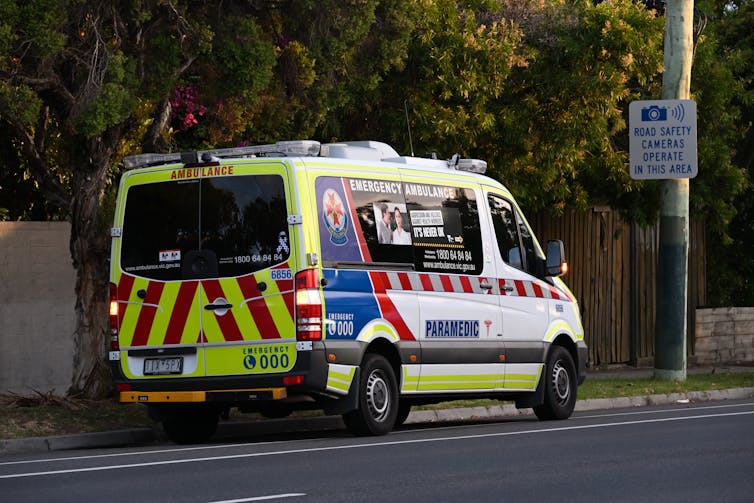
Ambulance on a Melbourne street
One in ten ambulance callouts for mental illness among men is for anxiety. Benjamin Crone/Shutterstock

While every presentation is different, our study identified three common presentations among young men:

1. Sudden onset of intense bodily symptoms resembling life-threatening physical health conditions such as heart attacks.

Twenty-two-year-old Joshua, for example, whose case files we reviewed as part of our study, was on a tram home from work when he experienced sudden numbness in his hands and feet. A bystander saw he was having muscle spasms in his hands. Joshua was alert but extremely anxious and asked the bystander for help.

2. Severe anxiety triggered or worsened by substance use.

Adam, a 21-year-old man, consumed a substantial amount of diazepam (Valium) while driving home, after having an anxiety attack at work. Adam reached out to paramedics because he was concerned his anxiety symptoms hadn’t dissipated, and was worried he may have taken too much diazepam.

3. Mental health deterioration with self-harm or suicidal thoughts, often tied to situational stressors such as unstable housing, unemployment, financial difficulties and relationship strain.

Leo, aged 25, had been increasingly anxious for the past three days. Leo’s parents called an ambulance after he told them he wanted to kill himself. Leo told paramedics on arrival that he still felt suicidal and had been getting worse over the past three months.

Directing resources where they’re needed

Young men’s anxiety presentations are time- and resource-intensive for paramedics, many of whom feel poorly equipped to respond effectively. After ruling out physical causes, paramedic support is typically limited to reassurance and breathing techniques.

Most young men are then instructed to follow up with GPs, psychologists or other health professionals in the general community.

But taking that next step involves overcoming the stigma associated with help-seeking, the shame of having called an ambulance and deep tensions between anxiety and what it means to be a man.

This means many young men slip through the cracks. And without ongoing mental health support, they face high risks of presenting again to emergency services with increasingly severe mental health symptoms.

To address this, we need to:

  • ramp up conversations about men’s anxiety and take their experiences seriously
  • develop an awareness campaign about men’s anxiety. Awareness campaigns have successfully dismantled stigma and shed light on men’s depression and suicide
  • improve diagnosis of men’s anxiety disorders by up-skilling and training clinicians to detect anxiety and the unique and distinct constellations of symptoms in men
  • create accessible pathways to early support through digital psychological education resources, focused on improving awareness and literacy surrounding men’s anxiety experiences.

If this article has raised issues for you, or if you’re concerned about someone you know, call Lifeline on 13 11 14.

Krista Fisher, Research Fellow, Centre for Youth Mental Health, The University of Melbourne; Dan Lubman, Executive Clinical Director, Turning Point & Director of Monash Addiction Research Centre, Monash University; Simon Rice, Associate Professor & Clinical Psychologist, Mental Health in Elite Sports, The University of Melbourne, and Zac Seidler, Associate Professor, Centre for Youth Mental Health, The University of Melbourne

This article is republished from The Conversation under a Creative Commons license. Read the original article.

Don’t Forget…

Did you arrive here from our newsletter? Don’t forget to return to the email to continue learning!
Learn to Age Gracefully

Join the 98k+ American women taking control of their health & aging with our 100% free (and fun!) daily emails:

  • How We Age: The Science of Longevity – by Dr. Coleen Murphy

    10almonds is reader-supported. We may, at no cost to you, receive a portion of sales if you purchase a product through a link in this article.

    The author is not a glossy “name brand” and has nothing to sell (besides her book). This shows, because it’s clearly not a book that was rushed out as a marketing ploy. Indeed, she begins with the words:

    ❝This book took me several years to write and is largely based on information I gathered while teaching my class, “Molecular Mechanisms of Longevity: The Genetics, Genomics, and Cell Biology of Aging,” at Princeton University.❞

    ~ Dr. Coleen Murphy

    Thus, as you may imagine, it’s a thorough book, thoughtful, with conscientious attention to detail. As a reader, you are essentially getting the knowledge of a Princeton genomics class.

    She covers what’s going on in our genes, in our cells, and in our bodies, when we age; why some animals don’t, and what things affect that. She talks biomarkers of aging and the industry gold standard “Health-Related Quality of Life” metrics. We learn about insulin signalling and FOXO targets; the role of caloric restriction or intermittent fasting, topics such as molecular homeostasis in the regulation of longevity (hello senolytics and chaperone-mediated autophagy), the microbiome and epigenetics, as well as mitochondrial management, cell replacement (including induced pluripotent stem cells), and even DNA repair. And yes, a lot about cognitive aging and how to slow it too.

    The style is academic and/but perfectly readable; she explains everything as we go. We’ll note, though, that it’s not dry academic—her personality comes through throughout, in a good way that makes it a pleasant read as well as an informative one.

    Bottom line: if you’d like a much deeper understanding of the mechanics of aging than we have room to get into in our articles at 10almonds, this book is a highly recommendable perfect opportunity.

    Click here to check out How We Age, and learn about the science of longevity!

    PS: we’ve reviewed a few books about the science of aging/longevity recently, and they’ve each been good, but if you’re going to get only one, we recommend this one, as in this reviewer’s opinion, it’s the best 😎

    Share This Post

  • Should I break up with my GP? 4 signs it may be time

    10almonds is reader-supported. We may, at no cost to you, receive a portion of sales if you purchase a product through a link in this article.

    A long-term relationship with a GP – one who knows you and your history – improves your health and even reduces your chance of dying prematurely.

    This type of trusted relationship is particularly important if you have a serious or chronic (long-term) condition or multiple conditions. It is also important for trauma survivors, who should not need to retell their story over and over.

    However, there are times when you may feel uncomfortable with your current GP. The first step is understanding why, then knowing what to do about it. Here are some reasons you might consider finding another one.

    sturti/Getty

    1. Your needs have changed

    It is common to change GPs at pivotal times in your life. You may feel uncomfortable discussing your sexual health needs with the “family GP” who has known you since you were a child, or who still sees your parents.

    If your family is having children, you may prefer a GP who does antenatal care, or sees a lot of children, so they can more readily empathise with your needs as a young parent. Perhaps your current GP doesn’t share your ideas about health care and parenting, or the practice isn’t particularly child friendly.

    You may have appreciated your GP’s practical, straightforward and efficient consultation style for past sports injuries, but find this approach unhelpful when struggling with your mental health.

    So you may look for a GP who better meets your current needs.

    2. You want another GP who is expert in your illness

    Good GPs can get “up to speed” on a variety of conditions, while still keeping the whole person in view. But sometimes, you will have a very specific need that leads to seeking a GP who is expert in that area. An example may be a GP who specialises in skin checks, or a GP who is expert in ADHD (attention deficit hyperactivity disorder).

    However, you still need a generalist GP who looks at your other health-care needs. This generalist GP may well be the one who picks up early Parkinson’s disease or bowel cancer while your other GP is focused on your reproductive system or mental health.

    3. You want a GP who is more aligned with your values

    People differ in the type of relationship they want with their GP. You might be seeking a true partnership, where you both bring your expertise into decision making and you have the final decision. At the other end of the spectrum, you may feel more comfortable with your GP taking a more assertive role. Your needs and preferences may change over time.

    Sometimes, your GP doesn’t seem to accept your views on health care. You might feel uncomfortable discussing the role of complementary medicine, or preventive health care, or your decisions to accept or reject certain treatments.

    So you may seek a GP who is more aligned with your attitudes and practices.

    However, GPs have their limits when it comes to accommodating your preferences. They cannot always supply your preferred medication, referral or other service, for professional, regulatory, legal or other reasons.

    4. There has been a fracture of trust or confidence

    Everyone makes mistakes. Sometimes, those mistakes are so serious you cannot go back to that doctor. However, there are errors where the relationship can be repaired.

    A good GP will explain why an error happened, show how they (and the practice) will rectify the error, and what systems are now in place to make sure it doesn’t happen again. A sincere apology and equally sincere desire to make things right can strengthen a relationship and restore trust.

    Sometimes you can feel unheard during a consultation, or the GP can seem distracted. The GP may sincerely apologise, and explain why. They are human, and can be unwell, exhausted by an untenable workload, or simply recovering from a particularly challenging consultation earlier in the day.

    However, if there is a pattern of feeling the GP doesn’t hear you, makes frequent minor errors, or simply doesn’t seem to be providing the sort of professional service you expect, you may lose trust. If you feel uneasy or judged, you may need to step away from that GP.

    How to break up with your GP

    Good GPs understand a partnership with you is important. If you cannot maintain a relationship with them that is open, honest and safe, it is time to move on.

    If your needs have changed, but you still value the GP for their care, you can send a thank you card and explain you have chosen to transfer to another doctor. The practice staff can forward your records to a new practice, for which there may be a small administrative fee.

    If there has been a rupture in trust or confidence, and the issue is relatively minor, the practice manager will be able to advise how to make a written complaint to the practice.

    If the problem is more serious, and you wish to make a formal complaint about a breach of trust that has implications for patient safety, you can report this to the Australian Health Practitioner Regulation Agency.

    If the problem is about the GP practice, you can report it to the relevant health-care ombudsman or commission in your state or territory.

    Louise Stone, Professor of General Practice, University of Adelaide

    This article is republished from The Conversation under a Creative Commons license. Read the original article.

    Share This Post

  • How To Make Drinking Less Harmful

    10almonds is reader-supported. We may, at no cost to you, receive a portion of sales if you purchase a product through a link in this article.

    Making Drinking Less Harmful

    We often talk of the many ways alcohol harms our health, and we advocate for reducing (or eliminating) its consumption. However, it’s not necessarily as easy as all that, and it might not even be a goal that everyone has. So, if you’re going to imbibe, what can you do to mitigate the harmful effects of alcohol?

    There is no magical solution

    Sadly. If you drink alcohol, there will be some harmful effects, and nothing will completely undo that. But there are some things that can at least help—read on to learn more!

    Coffee

    It’s not the magical sober-upperer that some would like it to be, but it is good against the symptoms of alcohol intoxication, and slightly reduces the harm to your body, because it is:

    • Hydrating (whereas alcohol is dehydrating)
    • A source of antioxidants (whereas alcohol causes oxidative stress, which has nothing to do with psychological stress, and is a kind of cellular damage)
    • A stimulant, assuming it is not decaffeinated (it’s worth noting that its stimulant effects work partly by triggering vasoconstriction, which is the opposite of the vasodilation caused by alcohol)

    To this end, the best coffee for anti-alcohol effects should be:

    • Caffeinated, and strong
    • Long (we love espresso, but we need hydration here and that comes from volume!)
    • Without sugar (you don’t want to create an adverse osmotic gradient to draw water back out from your body)

    As for milk/cream/whatever, have it or don’t, per your usual preference. It won’t make any difference to the alcohol in your system.

    Antioxidants, polyphenols, flavonoids, and things with similar mechanisms

    We mentioned that coffee contains antioxidants, but if you want to really bring out the heavy guns, taking more powerful antioxidants can help a lot. If you don’t have the luxury of enjoying berries and cacao nibs by the handful, supplements that have some similar benefits are a perfectly respectable choice.

    For example, you might want to consider green tea extract:

    L-theanine 200mg (available on Amazon)

    Specialist anti-alcohol drugs

    These are somewhat new and the research is still ongoing, but for example:

    Dihydromyricetin (DHM) as a novel anti-alcohol intoxication medication

    In short, DHM is a flavonoid (protects against the oxidative stress caused by alcohol, and has been found to reduce liver damage—see the above link) and also works on GABA-receptors (reduces alcohol withdrawal symptoms after cessation of drinking, and thus also reduces hangovers).

    Once again: the marketing claims of such drugs may be bold, but there’s a lot that’s not known and they’re not a magic pill. They do NOT mean you can take them alongside drinking and drink what you like with impunity. However, they may help mitigate some of the harmful effects of alcohol. If you wish to try them, these can be purchased at pharmacies or online, for example:

    Alcohol Defense Capsules (available on Amazon)

    Bottom line

    Alcohol is bad for your health and none of the above will eliminate the health risks. But, if you’re going to have alcohol, then having the above things as well may at least somewhat reduce the harm done.

    Share This Post

  • What is frozen shoulder? And will I need surgery?

    10almonds is reader-supported. We may, at no cost to you, receive a portion of sales if you purchase a product through a link in this article.

    Frozen shoulder can make simple tasks – such as lifting your arm, sleeping on your side, getting out of bed, putting on a bra, driving or playing with your kids – painful and challenging.

    This condition usually starts with pain suddenly developing in the shoulder and stiffness. Over time, the pain and stiffness get worse. It can drag on for months or even years.

    So, what causes frozen shoulder? And can it be treated?

    Mikolette/Getty

    What is frozen shoulder?

    This shoulder condition, also known as “adhesive capsulitis”, affects around 8% of men and 10% of women aged 25–64. But it’s more common over 40, especially for people in their 60s.

    We don’t fully understand what causes frozen shoulder.

    The tissues around the joint become tight, swollen and stiff. But we don’t know exactly why these changes occur and lead to pain and limited movement.

    There are usually three stages:

    • freezing – pain gradually gets worse and the shoulder becomes stiff, limiting the range of movement
    • frozen – stiffness and pain usually peak, but may begin to ease
    • thawing – pain and stiffness slowly improve, and movement begins to return.

    While health professionals commonly accept it, this staged description suggests frozen shoulder will follow a predictable pattern and always get better on its own. But research suggests this is not always the case.

    For example, the “freezing” stage is usually expected to last at least ten weeks. But some people will start to notice improved movement sooner.

    Recovery stages will vary from person to person and can take months to years. Some people may not fully recover, even with treatment.

    One 2020 study followed up with 215 patients with frozen shoulder. While over 70% of participants said they were happy with improvements in their symptoms, around 40% still had some movement restriction two years after their symptoms began.

    Another study from 2008 found over a third of people they surveyed (41%) had ongoing symptoms two to seven years later, including pain and difficulty sleeping.

    Who is most at risk?

    Certain groups are more likely to develop frozen shoulder:

    There is some evidence genetics also plays a role, as a family history increases your risk.

    But we need more high-quality research to understand what’s behind these risk factors.

    For example, people with diabetes are around five times more likely to develop frozen shoulder than those without diabetes – and also have worse pain. This may be linked to diabetes-related changes in the body, such as reduced blood flow to tissues and chemical changes from high blood sugar. But the exact mechanisms are unclear, and research is yet to determine whether controlling blood sugar better could help prevent or slow frozen shoulder.

    Similarly, women are 40% more likely to develop frozen shoulder than men, with one theory suggesting hormone fluctuations during menopause are responsible. But there is no clear evidence yet to support this.

    How is frozen shoulder treated?

    There is mixed evidence about which treatments are effective, including whether over-the-counter pain medication such as Voltaren helps.

    Oral steroids

    A review of the evidence suggests oral steroids, such as prednisolone, can provide some short-term pain relief and improve shoulder movement, compared to doing nothing or a placebo. But these benefits don’t seem to last beyond six weeks, and the evidence comes from a few small studies. These require a prescription.

    Injections

    High-quality evidence shows corticosteroid injections can provide short-term relief, compared to doing nothing.

    There is also some limited evidence that corticosteroid injections and platelet rich plasma injections can provide better short-term pain relief, compared with over-the-counter pain relief and physiotherapy. However, the studies are small or poorly designed and the effects are small, so the evidence needs to be interpreted with caution.

    Physiotherapy

    Moderate-quality evidence suggests physiotherapy can help improve shoulder movement. Benefits of physio are greater when combined with a steroid injection, and followed up by doing the exercises at home. More research is needed to understand how well these treatments work in the long term.

    What about surgery?

    There are two main procedures for frozen shoulder, both done while the patient is unconscious under anaesthetic.

    1. Manipulation under anaesthetic

    This is a less invasive procedure where the surgeon stretches the shoulder, without cutting into the joint, to help loosen tight tissue that may be causing stiffness.

    2. Arthroscopic capsular release

    In this type of keyhole surgery, the surgeon cuts tight tissues inside the shoulder joint to try to free up shoulder movement.

    Improvements from these procedures are typically small, and evidence suggests the results are not better than non-surgical treatments. For example, one study showed that after one year, patients who’d had surgery had similar improvements to those who’d had physiotherapy and a steroid injection, but no surgery.

    These procedures also have several downsides. It’s more expensive than other treatments, carries additional risks, and typically requires weeks (and up to three months) of rehabilitation.

    The bottom line

    Being physically active and doing exercises can help if you’re experiencing pain and limited movement. But you don’t have to work this out alone. It’s a good idea to get advice on managing pain and how to stay active.

    If you suspect you have frozen shoulder, it’s important to see a doctor or physiotherapist so they can rule out other conditions, such as fracture and arthritis.

    A health professional can also discuss management – the potential benefits, harms, costs, and how easy it is to access each treatment option.

    Fernando Sousa, Research Fellow in Physiotherapy, Monash University; Joshua Zadro, NHMRC Emerging Leader Research Fellow, Sydney Musculoskeletal Health, University of Sydney, and Peter Malliaras, Professor in Physiotherapy, Monash University

    This article is republished from The Conversation under a Creative Commons license. Read the original article.

    Don’t Forget…

    Did you arrive here from our newsletter? Don’t forget to return to the email to continue learning!

    Learn to Age Gracefully

    Join the 98k+ American women taking control of their health & aging with our 100% free (and fun!) daily emails:

  • Bromelain vs Inflammation & Much More

    10almonds is reader-supported. We may, at no cost to you, receive a portion of sales if you purchase a product through a link in this article.

    Let’s Get Fruity

    Bromelain is an enzyme* found in pineapple (and only in pineapple), that has many very healthful properties, some of them unique to bromelain.

    *actually a combination of enzymes, but most often referred to collectively in the singular. But when you do see it referred to as “they”, that’s what that means.

    What does it do?

    It does a lot of things, for starters:

    ❝Various in vivo and in vitro studies have shown that they are anti-edematous, anti-inflammatory, anti-cancerous, anti-thrombotic, fibrinolytic, and facilitate the death of apoptotic cells. The pharmacological properties of bromelain are, in part, related to its arachidonate cascade modulation, inhibition of platelet aggregation, such as interference with malignant cell growth; anti-inflammatory action; fibrinolytic activity; skin debridement properties, and reduction of the severe effects of SARS-Cov-2

    ~ Dr. Carolina Varilla et al.

    Some quick notes:

    • “facilitate the death of apoptotic cells” may sound alarming, but it’s actually good; those cells need to be killed quickly; see for example: Fisetin: The Anti-Aging Assassin
    • If you’re wondering what arachidonate cascade modulation means, that’s the modulation of the cascade reaction of arachidonic acid, which plays a part in providing energy for body functions, and has a role in cell structure formation, and is the precursor of assorted inflammatory mediators and cell-signalling chemicals.
    • Its skin debridement properties (getting rid of dead skin) are most clearly seen when using bromelain topically (one can literally just make a pineapple poultice), but do occur from ingestion also (because of what it can do from the inside).
    • As for being anti-thrombotic and fibrinolytic, let’s touch on that before we get to the main item, its anti-inflammatory properties.

    If you want to read more of the above before moving on, though, here’s the full text:

    Bromelain, a Group of Pineapple Proteolytic Complex Enzymes (Ananas comosus) and Their Possible Therapeutic and Clinical Effects. A Summary

    Anti-thrombotic and fibrinolytic

    While it does have anti-thrombotic effects, largely by its fibrinolytic action (i.e., it dissolves the fibrin mesh holding clots together), it can have a paradoxically beneficial effect on wound healing, too:

    Stem Bromelain Proteolytic Machinery: Study of the Effects of its Components on Fibrin (ogen) and Blood Coagulation

    For more specifically on its wound-healing benefits:

    In Vitro Effect of Bromelain on the Regenerative Properties of Mesenchymal Stem Cells

    Anti-inflammatory

    Bromelain is perhaps most well-known for its anti-inflammatory powers, which are so diverse that it can be a challenge to pin them all down, as it has many mechanisms of action, and there’s a large heterogeneity of studies because it’s often studied in the context of specific diseases. But, for example:

    ❝Bromelain reduced IL-1β, IL-6 and TNF-α secretion when immune cells were already stimulated in an overproduction condition by proinflammatory cytokines, generating a modulation in the inflammatory response through prostaglandins reduction and activation of cascade reactions that trigger neutrophils and macrophages, in addition to accelerating the healing process

    ~ Dr. Taline Alves Nobre et al.

    Read in full:

    Bromelain as a natural anti-inflammatory drug: a systematic review

    Or if you want a more specific example, here’s how it stacks up against arthritis:

    ❝The results demonstrated the chondroprotective effects of bromelain on cartilage degradation and the downregulation of inflammatory cytokine (tumor necrosis factor (TNF)-α, IL-1β, IL-6, IL-8) expression in TNF-α–induced synovial fibroblasts by suppressing NF-κB and MAPK signaling❞

    ~ Dr. Perephan Pothacharoen et al.

    Read in full:

    Bromelain Extract Exerts Antiarthritic Effects via Chondroprotection and the Suppression of TNF-α–Induced NF-κB and MAPK Signaling

    More?

    Yes more! You’ll remember from the first paper we quoted today, that it has a long laundry list of benefits. However, there’s only so much we can cover in one edition, so that’s it for today

    Is it safe?

    It is generally recognized as safe. However, its blood-thinning effect means it should be avoided if you’re already on blood-thinners, have some sort of bleeding disorder, or are about to have a surgery.

    Additionally, if you have a pineapple allergy, this one may not be for you.

    Aside from that, anything can have drug interactions, so do check with your doctor/pharmacist to be sure (with the pharmacist usually being the more knowledgeable of the two, when it comes to drug interactions).

    Want to try some?

    You can just eat pineapples, but if you don’t enjoy that and/or wouldn’t want it every day, bromelain is available in supplement form too.

    We don’t sell it, but here for your convenience is an example product on Amazon

    Enjoy!

    Don’t Forget…

    Did you arrive here from our newsletter? Don’t forget to return to the email to continue learning!

    Learn to Age Gracefully

    Join the 98k+ American women taking control of their health & aging with our 100% free (and fun!) daily emails:

  • Rewired – by Erica Spiegelman

    10almonds is reader-supported. We may, at no cost to you, receive a portion of sales if you purchase a product through a link in this article.

    The subtitle promises “a bold new approach to addiction and recovery”, so first we must ask: does it deliver?

    The answer is subjective and relative to one’s experience, but we would say: it’s bold to call the approach “new”, per se.

    However! Where this claim of newness may come from is that—notwithstanding the blurb’s claim that it can be used in conjunction with or in place of 12-step programs—in fact it is quite opposed to some of the 12 steps principles, insofar as it places much greater importance on personal agency, responsibility, and empowerment.

    So, for a reader whose understanding of addiction and recovery has been largely informed by the ideas championed by 12-step programs, this approach will certainly be new, and yes, bold.

    The goal of this book is help the reader to practise self-actualization, which as a standalone term may sound like a lot of woo, but what it means in plain words is “to have a clear idea of the kind of person one wants to be, and then become that person”.

    Indeed, while some principles this book espouses may be in line with 12-step programs (such as: complete honesty), others stand intentionally apart, such as solitude—making the argument that recovery can never be complete if we cannot be alone with ourselves and our abstinence (from whatever it may be for any given reader) would otherwise be dependent on the strength of those around us.

    But nor does the book preach any rejection of society either; attention is also given to integration and relationships with others, which is important too. In short, that we can stand alone whenever we need to, and/but that we still need not be isolated in general.

    The style is quite soft self-help, while nonetheless getting straight to the point and not getting tangled up in platitudes or such. It’s a clear and instructive book, that explains its ideas well as it goes.

    Bottom line: if you or a loved one are struggling with an addiction (or have done so recently enough that recovery is still a case of being not yet “out of the woods” entirely), then this book can help bring a lot of strength and sense of direction, ultimately making things easier and at the same time more likely to go well for you/them.

    Click here to check out Rewired, and rewire your way into a much better life!

    Don’t Forget…

    Did you arrive here from our newsletter? Don’t forget to return to the email to continue learning!

    Learn to Age Gracefully

    Join the 98k+ American women taking control of their health & aging with our 100% free (and fun!) daily emails: