
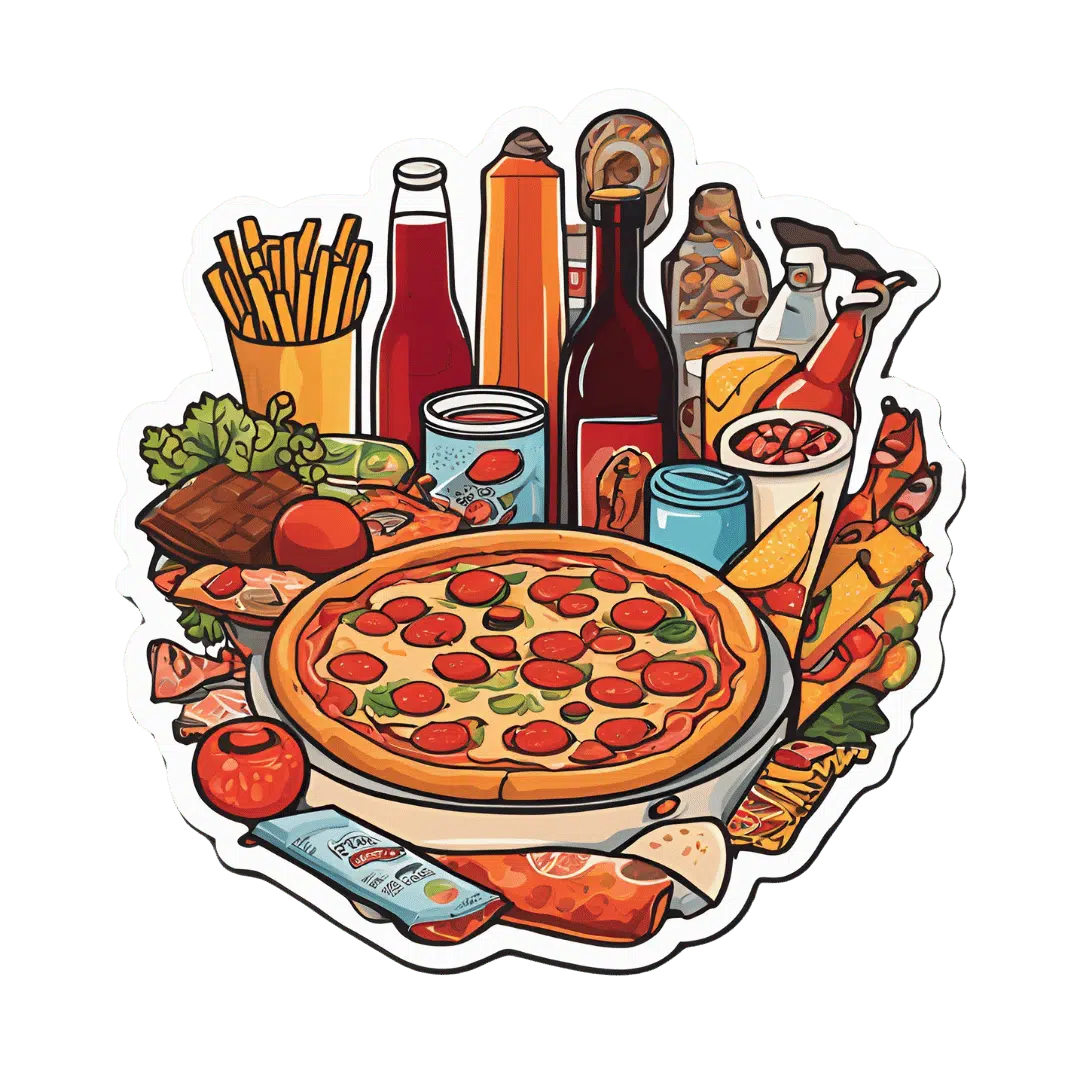
6 Worst Foods That Cause Dementia
10almonds is reader-supported. We may, at no cost to you, receive a portion of sales if you purchase a product through a link in this article.

How many do you consume?
The hit list
Dr. Li bids us avoid:
High carb, low fiber foods: consuming a diet high in carbohydrates, particularly refined carbs like cakes, white bread, pizza, and sugary syrups, can significantly harm brain health. Over time, imbalanced (i.e. not balanced with fiber) carbohydrate consumption leads to the growth of visceral fat (not the same as subcutaneous fat, which is the squishy bits just under your skin; visceral fat is further underneath, around your viscera), , which triggers systemic inflammation and oxidative stress. These processes disrupt communication between brain cells, impair memory, and increase the risk of diseases like Alzheimer’s and Parkinson’s. High carb diets can also contribute to metabolic syndrome—a cluster of conditions, including diabetes, obesity and high blood pressure—that damage blood vessels, leading to strokes and vascular dementia.
Trans fats: these are region-bound, as they’re banned in some places and not others—check your local regulations. Found in processed foods such as fried items, baked goods, packaged snacks, and margarine, trans fats are created through hydrogenation, which makes fats more stable at room temperature. These artificial fats raise bad cholesterol, lower good cholesterol, and promote atherosclerosis. This damages the brain by reducing oxygen supply, triggering chronic inflammation, and increasing the risk of Alzheimer’s and dementia.
Sodas: regular consumption of sodas, whether sugary or artificially sweetened, is harmful to brain health. A single can of soda contains around 9 teaspoons of sugar, which overwhelms metabolism, contributes to insulin resistance, and leads to inflammation. These effects damage blood vessels and brain tissue, disrupt neuron function, and increase the risk of type 2 diabetes and dementia. Furthermore, insulin resistance caused by excessive sugar intake can impair neuronal survival, activate immune responses, and exacerbate cognitive decline. As for the artificial sweeteners, the mechanism of harm depends on the sweetener (and some can also mess up insulin response, for reasons that are not entirely clear yet, but they measurably do), but even picking the healthiest artificial sweetener, training your palate to enjoy hyper-sweetened things will tend to lead to more sugar-laden food choices in other parts of one’s diet.
Processed foods: arguably a broad category that encompasses some of the above, but it’s important to consider it separately for catch-all purposes: these convenience foods, laden with artificial preservatives, colors, and sweeteners, harm brain health through chronic inflammation and usually a lack of essential nutrients. Processed foods are also a significant source of microplastics, which have been found to accumulate in the arteries, contributing to plaque build-up, atherosclerosis, and reduced blood flow to the brain. This combination of inflammation and oxidative stress from microplastics damages brain cells, paving the way for cognitive decline and dementia.
Seafood with high mercury levels: large fish such as tuna, swordfish, sharks, and tilefish accumulate high amounts of mercury, a potent neurotoxin. Fish that are larger, older, and/or higher up the food chain will have the most mercury (and other cumulative contaminants, for that matter, but we’re considering mercury here). Mercury disrupts essential brain chemicals like dopamine and serotonin, triggering oxidative stress and damaging brain cells. Chronic exposure to mercury leads to inflammation and neuroinflammation, both of which increase the risk of Alzheimer’s and dementia.
Alcohol: contrary to popular belief, any amount of alcohol is detrimental to brain health. While red wine is often promoted for its health benefits, the purported positive effects come from polyphenols, not the alcohol itself, and (for example) resveratrol from red wine cannot be delivered in meaningful doses without drinking an impossibly large quantity. Alcohol is a neurotoxin that can damage or kill brain cells, impair neuronal communication, and lead to cognitive decline. Excessive drinking results in hangover symptoms like headaches and brain fog, which are indicators of its harmful impact on the brain. Chronic alcohol consumption exacerbates neuron death, increases inflammation, and raises the risk of dementia.
As for what to eat instead?
Dr. Li recommends including foods such as:
- foods rich in omega-3s that aren’t mercury-laden fish, e.g. flaxseeds, chia seeds, walnuts, and hemp seeds, as they reduce inflammation, protect blood vessel linings, and prevent vascular dementia.
- berries, and in particular he recommends organic strawberries, which are rich in ellagic acid and anthocyanins, which improve memory, reduce depressive symptoms, and enhance cognitive function.
For more on all of these, enjoy:
Click Here If The Embedded Video Doesn’t Load Automatically!
Want to learn more?
You might also like to read:
Take care!
Don’t Forget…
Did you arrive here from our newsletter? Don’t forget to return to the email to continue learning!

Learn to Age Gracefully
Join the 98k+ American women taking control of their health & aging with our 100% free (and fun!) daily emails: