-

As the definition of autism expands, are we losing sight of those with the greatest needs?
Thinking about autism has evolved. Just three decades ago, autism was a relatively rare and clearly defined condition, diagnosed in people with limited verbal language and highly repetitive behaviour. Today, autism is diagnosed along a spectrum of a wide range of abilities, from people who may require 24-hour care to those able to live independently…. -
What is ‘cycle syncing’, and how might it affect menstruation?
Menstruation is once again a hot topic on social media, thanks to a new health trend known as “cycle syncing”. It involves aligning your diet and exercise habits to each phase of your menstrual cycle. For example, you may only do gentle exercises such as yoga or eat more fermented foods during the first phase… -
What do people mean when they say their nervous system is overloaded or needs a reset?
You might have heard people talking about their nervous system being “overloaded” or “dysregulated” when they’re going through periods of heightened stress. Or perhaps you’ve been offered ways to “heal” or “reset” your nervous system on social media or at expensive wellness retreats. But how does the nervous system actually work? And can it be… -
Is it safe to use cake decorating dusts and dyes? 2 experts explain
Have you ever baked or decorated a birthday cake? Interest in elaborate cakes is booming, driven by social media trends and television shows such as Is It Cake?. This means products such as edible glitter and colourful dyes are becoming increasingly common at children’s parties and other social events. But a recent incident, where a… -

How to donate your poo to science or medicine
When most people think about donating body parts to science or medicine, they might think of life-saving donations of organs, tissues or blood. But you can also donate your poo. The idea is to use it for poo transplants, otherwise known as faecal microbiota transplantation. That’s when poo products made from healthy donor poo are… -
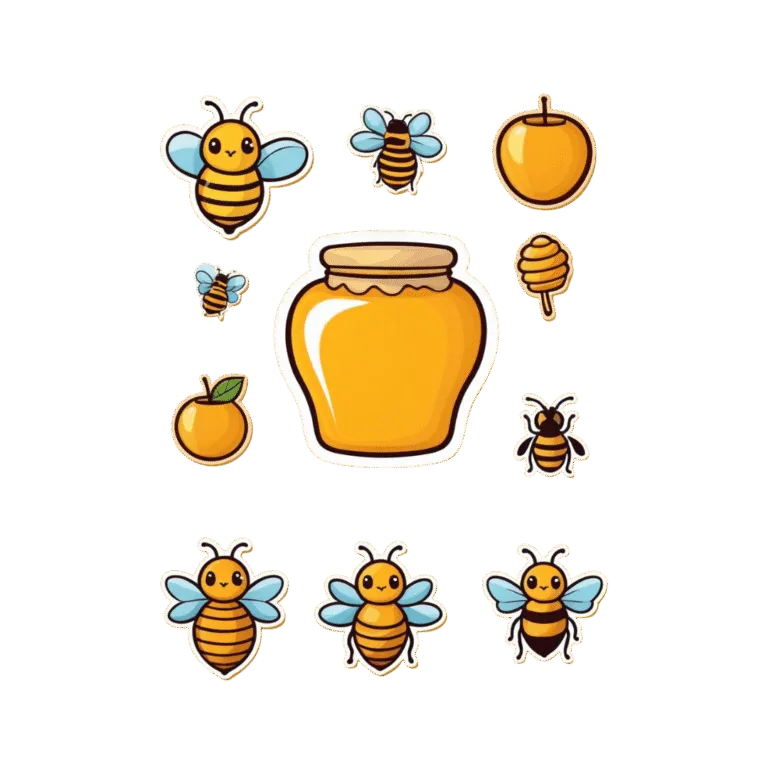
Is honey good for you? Can it speed recovery if you’re sick or injured?
Honey is often praised for a range of health benefits, from soothing a sore throat and helping you get to sleep to healing woulds and lowering risk factors for diabetes and heart disease. Honey’s acidity has the potential to prevent bacterial growth, while its density and stickiness generates osmotic pressure (in the same way as… -

The Nasal Spray That Reverses Brain Aging
First let’s note: biological age is not one thing but quite a lot of things, each of which can age at different rates. See for example: Age & Aging: What Can (And Can’t) We Do About It? So, when we say “reverses brain aging”, this really is just about brain aging, not the rest of… -
A good death has a price – and a new study shows not everyone in palliative care can afford it
You would hope for your dying days to be full of calm and care. But our research with people who are dying shows this is far from the reality for many people. Instead, financial stress plays a huge and increasing role in who can afford a “good death”. What we did In our recent study,… -
What is wabi-sabi? Will this Japanese philosophy make me happy?
The ceramic bowl with an uneven glaze. The teacup mended with gold lacquer. The images are calming and attractive. They are said to reflect wabi-sabi – a Japanese aesthetic often summarised in the West as valuing imperfection, impermanence and incompleteness. And wabi-sabi is having a moment on social media. It’s linked to everything from interior… -
AI could help us more accurately screen for breast cancer, new research
At least 20,000 Australian women are diagnosed with breast cancer each year. And more than 3,300 die from the disease. To save women’s lives, we need to detect breast cancer early. Breast screening, which halves women’s risk of dying from breast cancer, is key to that. A new Australian study published today in The Lancet… -
Severe irritability in teens can be reduced by daily doses of vitamins and minerals, new research
Irritability is one of the most common and distressing problems teenagers and their families face. Its main symptom is an excessive reaction to negative emotional stimuli, resulting in temper outbursts and severe irritable mood. While current treatment options such as psychotherapy and medications are helpful for some, they can be inaccessible or poorly tolerated. Our… -
How to live a long and healthy life, according to the ancients
Just like in the modern world, people in ancient times wanted to know how to live a long and healthy life. Greeks and Romans heard fantastic tales of far-away peoples living to well beyond 100. Greek essayist Lucian (about 120–180 CE) writes: Indeed, there are even whole nations that are very long-lived, like the Seres…





Learn to Age Gracefully
Join the 98k+ American women taking control of their health & aging with our 100% free (and fun!) daily emails: