
What Loneliness Does To Your Heart Valves
10almonds is reader-supported. We may, at no cost to you, receive a portion of sales if you purchase a product through a link in this article.

Regular 10almonds readers will know that social connection is vital for good health, and perhaps even that loneliness and isolation literally kill.
Indeed, “a lonely lifestyle” vs “family visit frequency” made it into the list of The Lifestyle Factors That Matter >8 Times More Than Genes
In the case of social connection, it:
- Maintains the parts of our brains needed for language and processing social cues
- Brings us social support in a way that will generally be protective against depression
- Means that when all goes wrong, we more likely have material support too
In the case of loneliness and isolation, it:
- Allows important parts of our brain to atrophy
- Will tend towards promoting depression, which can lead to suicidality (and at the very least a decline of physical health, even without suicidality)
- Means that if we slip in the shower, someone will find our body a month later
We wrote about some of these things, here: How To Beat Loneliness & Isolation
Simply put, humans are, by evolution, social creatures. As individuals we may have something of a spectrum from introvert to extrovert, but as a species, we thrive in community. And we suffer, when we don’t have that.
But the effects affect more than our affects, effecting effects even in seemingly unrelated systems, for example…
Lonely hearts
Loneliness also raises the risk of heart disease by 29% and the risk of stroke by 32%. It also brings about higher susceptibility to illness (flu, COVID, chronic pain, etc), as well as poor sleep quality and cognitive decline, possibly leading to dementia. Not only that, but it also promotes inflammation, and premature death (comparable to smoking).
You can learn more about that, here: What Loneliness Does To Your Brain And Body ← spoiler: it’s nothing good!
This is a particular problem in the US: Why U.S. middle-aged adults report more loneliness and poorer health than peers abroad
And now, the latest science is about loneliness and heart valves, specifically.
Researchers (Dr. Zhaowei Zhu et al.), using a lot of data from the American Heart Association and the UK Biobank, found that loneliness is linked to a much higher risk of developing degenerative heart valve disease.
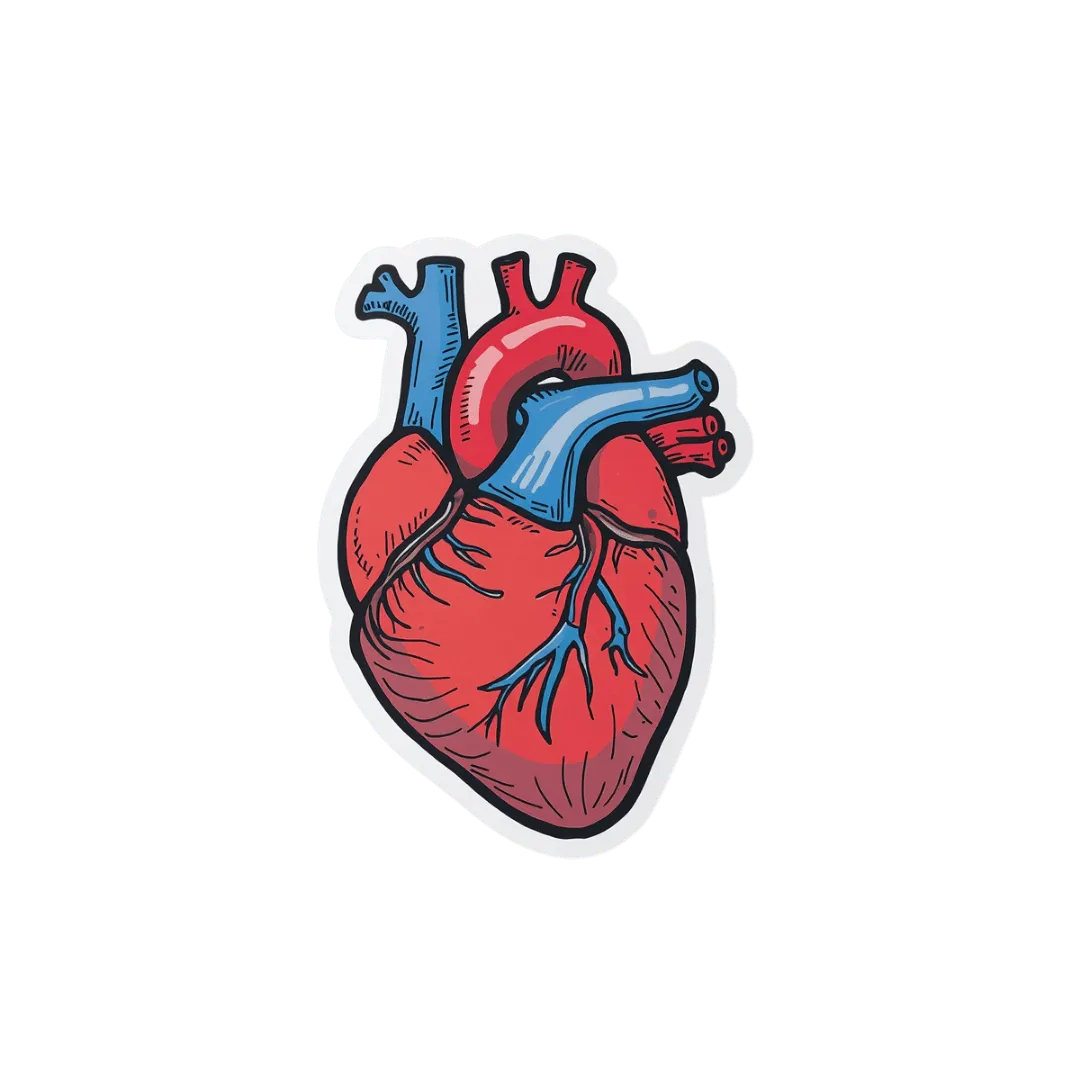
First, let’s quickly cover what valvular heart disease actually is: definitionally, it’s when one or more heart valves malfunction, and degenerative forms involve valves becoming stiff or leaky, impairing blood flow, with this impairment increasing over time.
And, how much higher is the risk?
In numbers: 11,003 new cases of valve disease were recorded among 462,917 participants, with 28% reporting higher loneliness levels. Those with the highest loneliness levels had a 19% higher risk of degenerative valve disease, including higher risks of aortic valve stenosis (21%) and mitral valve regurgitation (23%).
You might be thinking: “reporting” implies subjectivity; how reliable is this?
And the answer is: very reliable, because that’s a feature not a bug! The loneliness itself (not objective social isolation) was associated with the increased risk, indicating that experience of emotional disconnection matters more than the number of social contacts.
In the words of Dr. Zhu herself:
❝Our findings suggest that loneliness may be an independent and potentially modifiable risk factor for degenerative valvular heart disease.
Identifying this new risk is an important step in potentially preventing valve disease, which can lead to heart failure, reduced quality of life and the need for valve replacement surgery.
Heart valve disease diagnosed in people who reported “feeling lonely” may reflect a biological vulnerability related to an individual’s feelings and emotional well-being, and also a growing societal burden—degenerative valvular heart disease is becoming more common as populations age.❞
You can read the paper itself, here: Social Disconnection, Genetic Risk, and the Incidence of Degenerative Valvular Heart Disease: A Population‐Based Cohort Study
But I am alone and lonely, so what can I do about it?
Aside from the previously-linked “How To Beat Loneliness & Isolation” article, you might also like our previous main feature:
…for how to make sure to live a full and fulfilling life, even if you’re going it alone.
And, for that matter, do swing by: When The World Moves Without Us… Can We Side-Step Age-Related Alienation?
Take care!
Don’t Forget…
Did you arrive here from our newsletter? Don’t forget to return to the email to continue learning!

Learn to Age Gracefully
Join the 98k+ American women taking control of their health & aging with our 100% free (and fun!) daily emails: