
Improve Your Brain With Yoga!
10almonds is reader-supported. We may, at no cost to you, receive a portion of sales if you purchase a product through a link in this article.
Yoga is generally viewed as good for the body (and it usually is), and good for mental wellness (and it usually is), but actual measurable cognitive enhancement?
Here be science…
Hatha with a twist
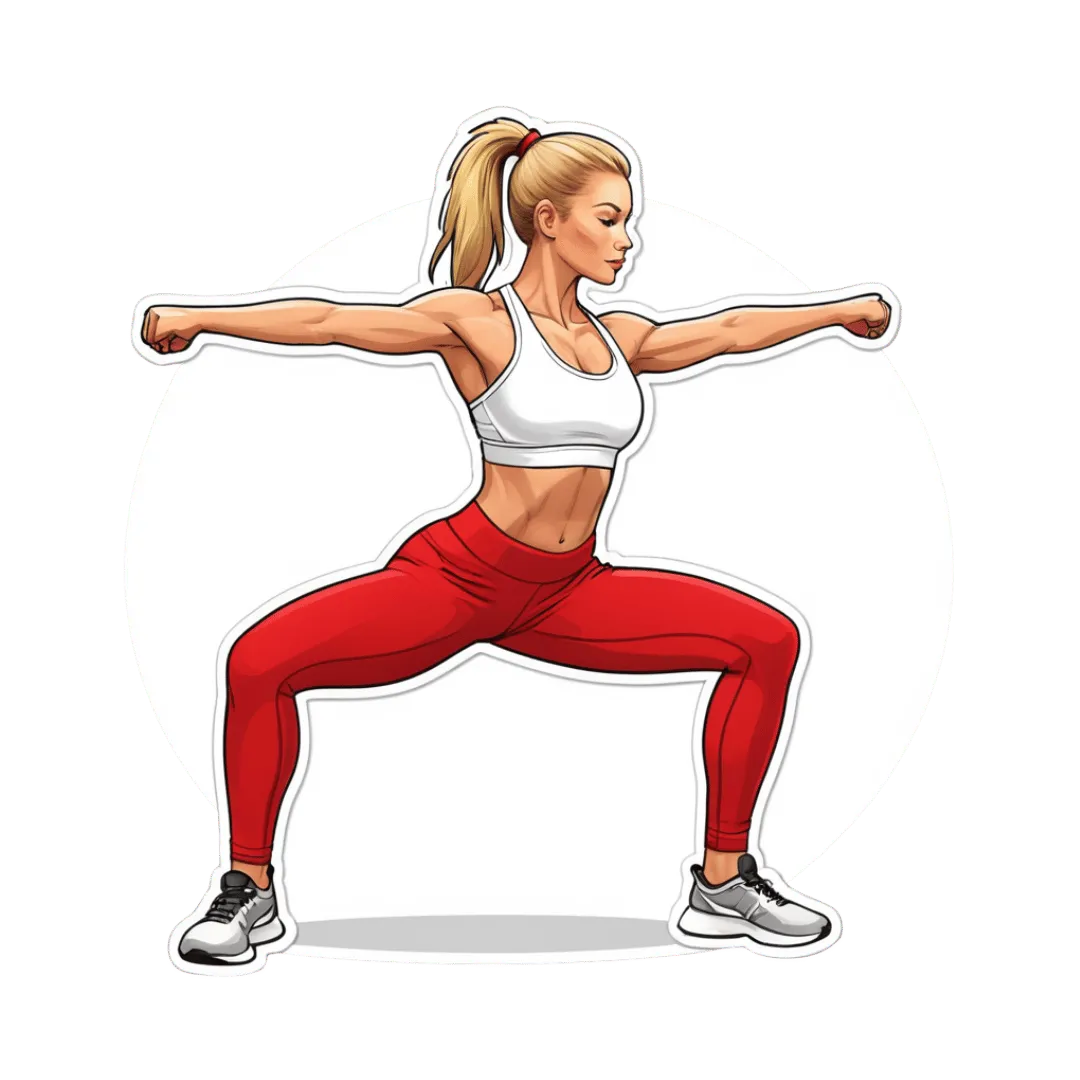
This study was a test of the YogaCue approach: Hatha yoga movements were done at a faster pace while participants responded to visual, verbal, and auditory cues, remembered randomized movement sequences, and switched between paired sequences. The participants were aged 60–90, and practised for 60 minutes, 3 times per week, for 24 weeks.
You might be wondering whether this means it’s a study funded by a company trying to sell something, and no, that doesn’t appear to be the case (though good on you for thinking of that, if you did!).
Per the paper’s declarations:
Funding
This work was supported by a McKnight Brain Research Foundation Inter-Institutional Cognitive Aging and Memory Interventional Core Pilot Grant award (MBI-Pilot-2023).Competing interests
The authors declare no competing interests.
As for the results, compared with regular Hatha yoga only:
- Cognitive benefits: across the full group, participants improved in inhibitory control and attention, working memory, and overall fluid cognition. YogaCue produced significant improvements in verbal and episodic memory measures, including total recall, delayed recall, and memory retention.
- Physical benefits: both groups showed improvements in aerobic capacity, diastolic blood pressure, and aspects of physical performance. Hatha produced stronger improvements in lower-body strength and systolic blood pressure, while YogaCue produced more pronounced gains in lower-body power and appeared to produce greater aerobic-fitness improvements. Percentage body fat also decreased significantly only in the YogaCue group.
In numbers, for those who like those, and note these p-values that range from small to truly tiny (which indicates very high statistical significance):
❝Cognitive testing included the NIH Cognitive Toolbox, Hopkins Verbal Learning Test, and Trail-Making Tests. Neuromuscular testing involved 1-repetition maximum and power testing for leg press and chest press. Additionally, participants completed the 6-Minute Walk Test, Physical Performance Test, and Timed Up & Go. Mixed ANOVAs were performed for all outcome measures. Both groups improved in the NIH List Sorting Test (p = 0.023), Flanker Test (p = 0.042), and Fluid Composite Score (p < 0.001); however, only the YogaCue group improved in the Hopkins Verbal Learning Test (total recall: p < 0.001, delayed recall: p = 0.004, and percent retained: p = 0.047). Further, both groups improved lower limb strength (p = 0.005) (driven by Hatha) and power (p = 0.024) (driven by YogaCue), as well as chest press at specific loads (p < 0.001). Aerobic fitness also improved in both groups; with improvements more pronounced in the YogaCue group (p = 0.007).❞
As for why the differences, the researchers (Dr. Kylie Martinez et al.) hypothesized that combining faster movement with memory, attention, visual processing, verbal instructions, and rapid responses can simultaneously challenge the brain and body more than slower-paced yoga.
Indeed, as Dr. Martinez herself put it:
❝In summary, our findings not only reinforce the role of yoga as a low-impact, widely accessible exercise modality for improving cognitive and physical function in aging but also provide the first evidence that YogaCue, relative to Hatha yoga, may confer additional benefits in anaerobic and aerobic power, as well as selected cognitive domains such as verbal and episodic memory. Taken together, these promising results highlight YogaCue’s potential to counteract age-related cognitive and physical decline❞
You can read about this research in detail, here: Randomized trial comparing effects of high-speed cued yoga and Hatha yoga on cognitive and neuromuscular performance in older adults
Want to learn more?
You might like:
Which Style Of Yoga Is Best For You?
As well as these books, hand-picked as this writer’s favorites of the yoga books we’ve reviewed:
- Yoga for Osteoporosis – by Dr. Loren Fishman
- Yoga Therapy for Arthritis – by Dr. Steffany Moonaz & Erin Byron
- Yoga Nidra Made Easy – by Dr. Uma Dinsmore-Tuli and Nirlipta Tuli
Enjoy!
Don’t Forget…
Did you arrive here from our newsletter? Don’t forget to return to the email to continue learning!
Recommended
Learn to Age Gracefully
Join the 98k+ American women taking control of their health & aging with our 100% free (and fun!) daily emails:
-
Beyond Sunscreen: The Ultimate Guide To Photoprotection For Your Skin
10almonds is reader-supported. We may, at no cost to you, receive a portion of sales if you purchase a product through a link in this article.
Dr. Andrea Suarez, dermatologist, gives us a lot more tools:
Under the sun
Everybody knows to wear sunscreen.
However, Dr. Suarez explains that sunscreen alone isn’t enough, so what more can we do?
First, a quick reminder on different kinds of solar radiation:
- UVA makes up over 95% of UV from the sun, penetrates deeply, accelerates aging and pigmentation, and passes through window glass
- UVB causes sunburn and direct DNA damage, albeit there’s a lot less of it and it’s more easily blocked, even just by windows
Avoiding the sun is of course a fine strategy, and timing counts for UVB but not UVA, because UVB peaks between 10:00 a.m. and 2 p.m. while UVA is constant all day and even on cloudy days, and exposure increases with altitude and near the equator.
Note, however:
- Shade is something of an illusion, and by this we mean: shade can still expose you to about 50% of UVA due to scattering and reflection, meaning umbrellas and trees don’t provide complete protection.
- Clothing, however, can help: in particular, tightly woven, thicker, darker fabrics and materials like polyester or wool provide good protection, while coverage and fabric condition matter more than whether clothing is labeled UPF.
Some quick extra notes on that:
- What’s going on with those UPF ratings: UPF 50 fabric allows only 1/50th of UV through, but regular clothing can perform similarly if dense, dry, and not worn out.
- Wet and worn fabrics: wet, stretched, or aged fabrics lose protective ability, while washing can sometimes improve protection by tightening the weave.
- About hats: wide-brimmed hats offer significantly more protection for your face, ears, and neck compared to baseball caps, with brim width directly affecting coverage, for obvious reasons
As for your eyes:
- Yes, sunglasses help: UV exposure increases risks like cataracts and ocular damage, so look for sunglasses labeled UV 400 or 100% UV protection (price is no indicator of quality, so check the labels).
- The design counts too: wraparound styles reduce side exposure, and of course bigger is better than smaller.
- What we said about windows matters here too: standard windows block UVB but allow UVA through, meaning indoor and car exposure still contributes to cumulative skin damage.
- A special case, however, is car windows: windshields block most UV, but side and rear windows often allow UVA unless treated with UV-blocking films.
Some other things to consider:
- Topical antioxidants: ingredients like vitamin C, vitamin E, ferulic acid, green tea, and niacinamide help neutralize reactive oxygen species generated by UV exposure, and thus also help reduce the harm.
- DNA repair enzymes: compounds like photolyase and T4 endonuclease have been shown to reduce UV-induced DNA damage and precancerous lesions, though they’re not so widely available as the other measures discussed.
- Oral supplements: some supplements can help, for example Polypodium leucotomos extract has evidence for reducing UV sensitivity and inflammation, especially in photosensitive conditions.
- Dietary carotenoids: nutrients like beta-carotene and lycopene from whole foods may support skin resilience, though supplements are less clearly beneficial in this case.
Finally, remember that consistency generally matters most: daily is is much more important than occasional perfect use, because cumulative exposure is what really drives skin damage and cancer risk.
For more on all of this, enjoy:
Click Here If The Embedded Video Doesn’t Load Automatically!
Want to learn more?
You might also like:
Take care!
Share This Post
-
Neurologists Debunk 11 Brain Myths
10almonds is reader-supported. We may, at no cost to you, receive a portion of sales if you purchase a product through a link in this article.
Neuroscientists Dr. Santoshi Billakota and Dr. Brad Kamitaki debunk 11 myths about the brain. How many did you know?
From the top
Without further ado, the myths are…
- “We only use 10% of our brains”: False! We use most parts of our brain at different times, depending on the activity. PET/MRI scans show widespread usage.
- “The bigger the brain, the smarter the creature”: False! While there’s often a correlation, intelligence depends on brain complexity and development of specific regions, not overall size. For this reason get, for example, some corvids that are more intelligent than some dogs.
- “IQ tests are an accurate measure of intelligence”: False! IQ tests measure limited aspects of intelligence and are influenced by external factors like test conditions and education.
- “Video games rot your brain”: False! Video games can improve problem-solving, strategy, and team-building skills when played in moderation.
- “Memory gets worse as you age”: Partly false. While episodic memory may decline, semantic and procedural memory often improve with age.
- “Left-brained people are logical, and right-brained people are creative”: False! Both hemispheres work together, and personality or skills are influenced by environment and experiences, not brain hemispheres.
- “You can’t prevent a stroke”: False! Strokes can often be prevented by managing risk factors like blood pressure, cholesterol, and lifestyle choices.
- “Eating fish makes you smarter”: False! Eating fish, especially those rich in omega-3s, can support brain health but won’t increase intelligence.
- “You can always trust your senses”: False! Senses can be deceptive and influenced by emotions, memories, or neurological conditions.
- “Different sexes have different brains”: False! Structurally, brains are the same regardless of chromosomal sex; differences arise from environmental (including hormonal) and experiential factors—and even there, there’s more than enough overlap that we are far from categorizable as sexually dimorphic.
- “If you have a seizure, you have epilepsy”: False! A seizure can occur from various causes, but epilepsy is defined by recurrent unprovoked seizures and requires specific diagnosis and treatment.
For more on all of these, enjoy:
Click Here If The Embedded Video Doesn’t Load Automatically!
Want to learn more?
You might also like to read:
The Dopamine Myth ← a bonus 12th myth!
Take care!
Share This Post
-
Does my sunscreen actually work? Here’s what’s behind the latest SPF concerns
10almonds is reader-supported. We may, at no cost to you, receive a portion of sales if you purchase a product through a link in this article.
It’s been a tough time for sunscreens recently. Earlier this year, testing on behalf of consumer organisation Choice found several sunscreens were not delivering the sun protection you’d expect. One product claimed a sun protection factor (SPF) of 50+, but when tested had an SPF as low as 4.
This triggered a series of events. Some sunscreen manufacturers paused or recalled their products. Other recalls have followed.
Media investigations have alleged issues related to how sunscreens are tested and formulated.
This week, the Therapeutic Goods Administration (TGA) said several sunscreens share a “base formula” made by a single manufacturer. It said preliminary testing had shown some sunscreens made with this base formula may be as low as SPF 4.
It’s no wonder consumers are confused about whether their sunscreens actually work.
Here’s what we know about this week’s TGA announcement and what could be behind it.
Catherine Falls Commercial/Getty Why the concern about sunscreen SPF?
Since SPFs were introduced, they have been a clear sign for consumers about how much sun protection to expect.
But testing a product’s SPF is tricky. The usual test uses sunscreen on real people’s skin, exposes them to ultraviolet (UV) light, and checks how much redness develops over time.
Because people’s skin reacts differently, and because labs and testers vary, results can be inconsistent. For instance, products tested at one lab might show a high SPF, but might really offer much less protection when tested by another.
A sunscreen with a lower-than-claimed SPF may still offer some protection. But there would be a higher chance of sunburn, DNA damage and developing skin cancer.
What’s a base formula?
The TGA’s latest concerns relate to a “base formula” shared by several sunscreens. The base formula (also called the core or vehicle) is like the foundation of a sunscreen and includes:
- solvents/carrier liquids (water, oils, silicones)
- emulsifiers, surfactants, stabilisers (all of which allow components to blend and not separate)
- thickeners or gels
- preservatives, antioxidants
- pigments, tints, fragrances, texture enhancers.
Other ingredients are added to the base, especially UV filters. The base can also be sold to third parties with the UV filters already added. Some products include extras, such as photostabilisers to help the UV filters last longer in the sun.
The base must do several jobs well. It must:
- spread UV filters evenly (no clumps or separation)
- remain stable over time
- protect the UV filters from breaking down in the sun
- still feel good on the skin (spread easily, stick well).
Many brands use the same base and then add small differences, for instance colour or scent.
While UV filters are crucial, they cannot do their job well without a strong and well-designed base layer. So any product built on a weak or faulty base formula risks underperforming. And because many sunscreens share the same base, many products and brands can be affected.
The TGA has identified at least 21 products that use the same base formula.
How might a base formula fail?
We don’t know why the TGA is concerned about this specific base formula. But generally speaking, a base formula might fail for several reasons, including:
- poor dispersion or aggregation: UV filters can clump or settle, leaving unprotected spots
- photodegradation: without good stabilisers, filters break down in sunlight
- chemical incompatibility: additives, pigments, or fragrances may interact badly with UV filters
- dilution by inert ingredients: too much filler reduces the effective concentration of active UV filters
- physical instability: over time, the formula might separate, change viscosity, or crystallise
- manufacturing or packaging stress: insufficient mixing, exposure to heat or light during production, or poor packaging can degrade the base.
However, not every product with that base will necessarily fail. Performance of the sunscreen and subsequent protection may differ depending on ingredient tweaks, care taken during manufacture, from batch to batch, and how it’s stored.
How do I check if my sunscreen’s affected?
The TGA provides information about affected brands and products on its website, as does Choice.
Individually affected brands may publish recall notices, refund offers and batch details.
You can also contact the company with your batch number and ask if yours is affected.
What if my brand’s affected?
If your sunscreen is affected:
- don’t rely on it for sun protection, especially for long exposure
- return it to where you bought it for a refund or replacement. Some brands are offering refunds or vouchers
- watch for further TGA updates, as more products may be added to recall lists as investigations continue
- talk to a health professional if you’re worried about skin damage or past sun exposure.
What’s the take-home message?
These recent issues do not mean all sunscreens are unreliable. But they do highlight how important sunscreen design, formulation and regulatory checks are. The TGA’s investigations may even lead to stronger testing, better formulation standards, and clearer consumer guidance.
However, until we have the full picture of all brands affected, it might be wise to pick trusted brands – ones that publish test results, have transparent practices and have good reputations.
Finally, sunscreen is just one component of sun safety. Layer your defences. Also wear protective clothing, hats and sunnies, seek shade, and stay out of the sun for prolonged periods if you can.
Mike Climstein, Associate Professor, Faculty of Health, Southern Cross University; Michael Stapelberg, Adjunct Associate Professor, Faculty of Health, Southern Cross University, and Nedeljka Rosic, Senior Lecturer, Faculty of Health, Southern Cross University
This article is republished from The Conversation under a Creative Commons license. Read the original article.
Share This Post
Related Posts
-
Women are less likely to receive CPR than men. Training on manikins with breasts could help
10almonds is reader-supported. We may, at no cost to you, receive a portion of sales if you purchase a product through a link in this article.
If someone’s heart suddenly stops beating, they may only have minutes to live. Doing CPR (cardiopulmonary resusciation) can increase their chances of survival. CPR makes sure blood keeps pumping, providing oxygen to the brain and vital organs until specialist treatment arrives.
But research shows bystanders are less likely to intervene to perform CPR when that person is a woman. A recent Australian study analysed 4,491 cardiac arrests between 2017–19 and found bystanders were more likely to give CPR to men (74%) than women (65%).
Could this partly be because CPR training dummies (known as manikins) don’t have breasts? Our new research looked at manikins available worldwide to train people in performing CPR and found 95% are flat-chested.
Anatomically, breasts don’t change CPR technique. But they may influence whether people attempt it – and hesitation in these crucial moments could mean the difference between life and death.
Pixel-Shot/Shutterstock Heart health disparities
Cardiovascular diseases – including heart disease, stroke and cardiac arrest – are the leading cause of death for women across the world.
But if a woman has a cardiac arrest outside hospital (meaning her heart stops pumping properly), she is 10% less likely to receive CPR than a man. Women are also less likely to survive CPR and more likely to have brain damage following cardiac arrests.
Bystanders are less likely to intervene if a woman needs CPR, compared to a man. doublelee/Shutterstock These are just some of many unequal health outcomes women experience, along with transgender and non-binary people. Compared to men, their symptoms are more likely to be dismissed or misdiagnosed, or it may take longer for them to receive a diagnosis.
Bystander reluctance
There is also increasing evidence women are less likely to receive CPR compared to men.
This may be partly due to bystander concerns they’ll be accused of sexual harassment, worry they might cause damage (in some cases based on a perception women are more “frail”) and discomfort about touching a woman’s breast.
Bystanders may also have trouble recognising a woman is experiencing a cardiac arrest.
Even in simulations of scenarios, researchers have found those who intervened were less likely to remove a woman’s clothing to prepare for resuscitation, compared to men. And women were less likely to receive CPR or defibrillation (an electric charge to restart the heart) – even when the training was an online game that didn’t involve touching anyone.
There is evidence that how people act in resuscitation training scenarios mirrors what they do in real emergencies. This means it’s vital to train people to recognise a cardiac arrest and be prepared to intervene, across genders and body types.
Skewed to male bodies
Most CPR training resources feature male bodies, or don’t specify a sex. If the bodies don’t have breasts, it implies a male default.
For example, a 2022 study looking at CPR training across North, Central and South America, found most manikins available were white (88%), male (94%) and lean (99%).
It’s extremely rare for a manikin to have breasts or a larger body. M Isolation photo/Shutterstock These studies reflect what we see in our own work, training other health practitioners to do CPR. We have noticed all the manikins available to for training are flat-chested. One of us (Rebecca) found it difficult to find any training manikins with breasts.
A single manikin with breasts
Our new research investigated what CPR manikins are available and how diverse they are. We identified 20 CPR manikins on the global market in 2023. Manikins are usually a torso with a head and no arms.
Of the 20 available, five (25%) were sold as “female” – but only one of these had breasts. That means 95% of available CPR training manikins were flat-chested.
We also looked at other features of diversity, including skin tone and larger bodies. We found 65% had more than one skin tone available, but just one was a larger size body. More research is needed on how these aspects affect bystanders in giving CPR.
Breasts don’t change CPR technique
CPR technique doesn’t change when someone has breasts. The barriers are cultural. And while you might feel uncomfortable, starting CPR as soon as possible could save a life.
Signs someone might need CPR include not breathing properly or at all, or not responding to you.
To perform effective CPR, you should:
- put the heel of your hand on the middle of their chest
- put your other hand on the top of the first hand, and interlock fingers (keep your arms straight)
- press down hard, to a depth of about 5cm before releasing
- push the chest at a rate of 100-120 beats per minute (you can sing a song) in your head to help keep time!)
https://www.youtube.com/embed/Plse2FOkV4Q?wmode=transparent&start=94 An example of how to do CPR – with a flat-chested manikin.
What about a defibrillator?
You don’t need to remove someone’s bra to perform CPR. But you may need to if a defibrillator is required.
A defibrillator is a device that applies an electric charge to restore the heartbeat. A bra with an underwire could cause a slight burn to the skin when the debrillator’s pads apply the electric charge. But if you can’t remove the bra, don’t let it delay care.
What should change?
Our research highlights the need for a range of CPR training manikins with breasts, as well as different body sizes.
Training resources need to better prepare people to intervene and perform CPR on people with breasts. We also need greater education about women’s risk of getting and dying from heart-related diseases.
Jessica Stokes-Parish, Assistant Professor in Medicine, Bond University and Rebecca A. Szabo, Honorary Senior Lecturer in Critical Care and Obstetrics, Gynaecology and Newborn Health, The University of Melbourne
This article is republished from The Conversation under a Creative Commons license. Read the original article.
Don’t Forget…
Did you arrive here from our newsletter? Don’t forget to return to the email to continue learning!
Learn to Age Gracefully
Join the 98k+ American women taking control of their health & aging with our 100% free (and fun!) daily emails:
-
Sesame Oil vs Almond Oil – Which is Healthier?
10almonds is reader-supported. We may, at no cost to you, receive a portion of sales if you purchase a product through a link in this article.
Our Verdict
When comparing sesame oil to almond oil, we picked the almond.
Why?
We were curious about this one! Were you, or were you confident? You see, almonds tend to blow away all the other nuts with their nutritional density, but they’re far from the oiliest of nuts, and their greatest strengths include their big dose of protein and fiber (which don’t make it into the oil), vitamins (most of which don’t make it into the oil) and minerals (which don’t make it into the oil). So, a lot will come down to the fat profile!
On which note, looking at the macros first, it’s 100% fat in both cases, but sesame oil has more saturated fat and polyunsaturated fat, while almond oil has more monounsaturated fat. Since the mono- and poly-unsaturated fats are both healthy and each oil has more of one or the other, the deciding factor here is which has the least saturated fat—and that’s the almond oil, which has close to half the saturated fat of sesame oil. As an aside, neither of them are a source of omega-3 fatty acids.
In terms of vitamins, there’s not a lot to say here, but “not a lot” is not nothing: sesame oil has nearly 2x the vitamin K, while almond oil has 28x the vitamin E*, and 2x the choline. So, another win for almond oil.
*which is worth noting, not least of all because seeds are more widely associated with vitamin E in popular culture, but it’s the almond oil that provide much more here. Not to get too distracted into looking at the values of the actual seeds and nuts, almonds themselves do have over 102x the vitamin E compared to sesame seeds.
Now, back to the oils:
In the category of minerals, there actually is nothing to say here, except you can’t get more than the barest trace of any mineral from either of these two oils. So it’s a tie on this one.
Adding up the categories makes for a clear win for almond oil!
Want to learn more?
You might like to read:
Avocado Oil vs Olive Oil – Which is Healthier?
Take care!
Don’t Forget…
Did you arrive here from our newsletter? Don’t forget to return to the email to continue learning!
Learn to Age Gracefully
Join the 98k+ American women taking control of their health & aging with our 100% free (and fun!) daily emails:
-
Don’t Train Harder (Yet); Fix Your Form First
10almonds is reader-supported. We may, at no cost to you, receive a portion of sales if you purchase a product through a link in this article.
Cori Lefkowith, of Strong at Every Age, shows us how to make it count:
You might want to sit up and pay attention to this
Prioritizing “training harder” can cause more problems than you might expect, because progressing too quickly causes your hips and lower back to compensate. Instead, it’s best to work up very gradually. For example, build up from a pelvic tilt hold to a march, a double knee tuck, a single leg lower, and finally a double leg lower to properly train a posterior pelvic tilt, and protect your lower back.
Some other mistakes to avoid:
- Avoiding or misusing spinal flexion: include crunches and sit-ups since your abs are meant to flex your spine, and control the curl one vertebra at a time—round forwards as you reach towards your toes and lower with control—so you don’t rely on momentum or your hip flexors.
- Not focusing on true muscle engagement: prioritize curling your pelvis towards your ribs in reverse crunches and leg raises, monitor what you feel working, and regress or adjust if your hip flexors dominate instead of your abs.
- Prioritizing fatigue and quantity over quality and intensity: spread your ab work across three to four sessions per week, maintain controlled reps, and create full-body tension in movements like a plank by bracing your core, slightly tucking your pelvis, engaging your glutes and quads, and driving back through your heels so shorter, high-effort sets replace longer, relaxed holds.
In fewer words, the advice here is to avoid forcing advanced variations before mastering fundamentals, and instead focus on the controlled, intentional reps that actually build strong abs.
For more on all of this, enjoy:
Click Here If The Embedded Video Doesn’t Load Automatically!
Want to learn more?
You might also like:
Is A Visible Six-Pack Obtainable Regardless Of Genetic Predisposition?
Take care!
Don’t Forget…
Did you arrive here from our newsletter? Don’t forget to return to the email to continue learning!
Learn to Age Gracefully
Join the 98k+ American women taking control of their health & aging with our 100% free (and fun!) daily emails:


