
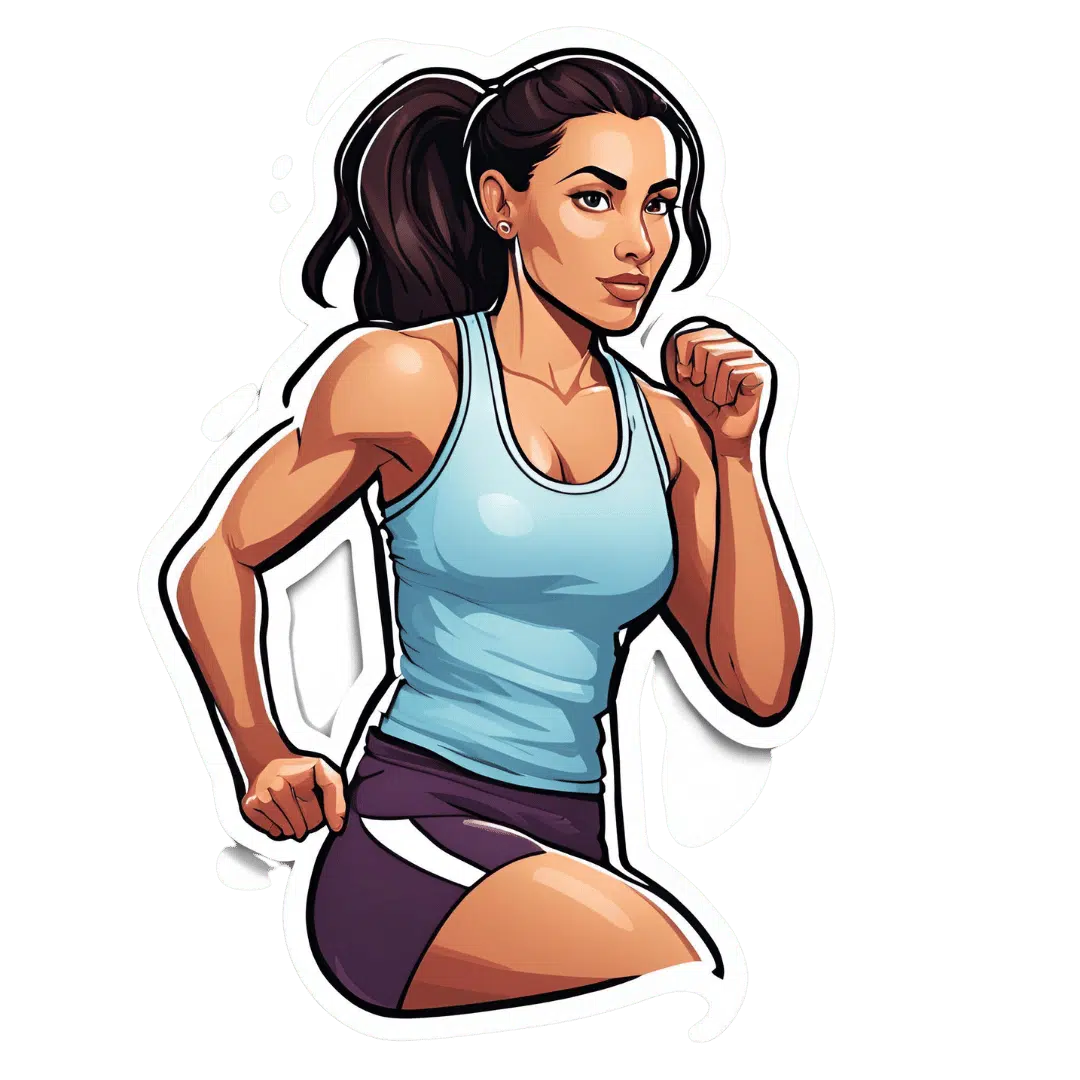
10 “Harsh” Truths You Probably Need to Hear
10almonds is reader-supported. We may, at no cost to you, receive a portion of sales if you purchase a product through a link in this article.
What do you think? Are they actually harsh? We’re not convinced, but either way they are helpful, which is the important part:
10 Helpful Truths
Here they are:
- Simple isn’t easy: simplicity doesn’t guarantee ease; focus on small, manageable habits that meet you where you are.
- Hard habits: the changes we resist most are often the ones we need most to grow.
- We stand in our own way: doubt and lack of commitment hinder progress; believe in possibilities and take consistent action.
- Success is failure: failure is often part of the route to success; it provides valuable lessons if we embrace and reflect on it.
- Nothing works forever: adapt and evolve as circumstances change; clinging to outdated habits can hinder progress.
- Effort doesn’t equal outcome: feeling like you’re working hard doesn’t always mean you’re making effective progress.
- Someone always has it easier: comparisons are inevitable but unhelpful; focus on your own unique path and progress.
- There’s no one best thing: results depend on creating systems that fit your lifestyle, not chasing a single magic solution.
- Mindset matters most: success requires examining your mindset, lifestyle, and priorities, not just physical actions.
- Do it anyway: push through resistance, especially on tough days; discipline and consistency create success.
For more on all of each of these, enjoy:
Click Here If The Embedded Video Doesn’t Load Automatically!
Want to learn more?
You might also like to read:
How To Really Pick Up (And Keep!) Those Habits
Take care!
Don’t Forget…
Did you arrive here from our newsletter? Don’t forget to return to the email to continue learning!

Recommended
Learn to Age Gracefully
Join the 98k+ American women taking control of their health & aging with our 100% free (and fun!) daily emails:
-
Cardio and strength training boost health as you age. But don’t forget balance exercises to reduce your chance of falls
10almonds is reader-supported. We may, at no cost to you, receive a portion of sales if you purchase a product through a link in this article.
We all recognise the benefits of regular aerobic or cardiovascular exercise to support our heart and lung health. Being active is also good for our social and mental health. And strength training promotes strong bones and muscles.
But as we age, we also need to train our balance to avoid falls.
Around one in three people aged 65 and over have a fall each year.
Falls are a common cause of disability and loss of independence in older age and can lead to an older person moving from living independently into living in a residential aged care facility. More than 6,000 older Australians die each year from falls.
But many falls are preventable. So exercise that targets balance and strength is crucial.
shurkin_son/Shutterstock How much do we need to do?
International guidelines recommend all older people exercise to prevent falls, even if they’ve never fallen. Prevention is far better than cure.
Other guidelines recommend people aged 65 and over do “functional balance and strength training” on three or more days a week, to improve their ability to do day-to-day activities, stay independent, and prevent falls.
Since balance starts to decline at around age 50, it’s even better to start training balance before the age of 65.
In order to increase our muscle strength, we need to progressively lift heavier weights. Similarly, to boost our balance, we need to practise activities that progressively challenge it. This improves our ability to stay steady in difficult situations and avoid falling.
Functional training means doing a physical activity that imitates everyday activities, such as standing up out of a chair, or stepping onto a step.
When you practise the everyday activities necessary for living independently, you improve your ability to perform them. This reduces the likelihood of falling when doing those activities, and therefore helps you maintain your independence for longer.
What exercises can you do?
The best exercises to challenge our balance system and reduce the risk of falling are performed while standing, rather than seated.
For example, you can stand with your feet close together or on one leg (if it’s safe to do so) while also performing controlled upper-body movements, such as leaning and reaching. This is a functional balance exercise and it can be made progressively more challenging as your balance improves.
Here are some exercises you can practise at home:
Sit to stand
Practise standing up from a seated position ten times every hour or so. See if you can do it without using your arms for support. To increase the balance challenge, place a cushion under the feet.
Heel-raises
Rise up onto your toes and hold the position for a few seconds. Hold on to a bench or wall for support if you need to but gradually remove the support as your balance improves. To increase the balance challenge, try doing this with your eyes closed.
You can make heel-raises progressively harder. Mary Rice/Shutterstock Heel-toe walking
Practise walking along an imaginary line, with one foot placed in front of the other. Hold on to a bench or wall for support if you need to but gradually remove the support as your balance improves.
Stepping in different directions
Practise quickly stepping forwards, sideways and backwards. Being able to move our feet quickly can help avoid a fall if you trip on something. If you are able, more challenging activities include stepping up or jumping onto a box.
Squats and lunges
Squats and lunges improve balance and leg strength. Add some hand weights to increase the challenge.
Squats improve balance and leg strength. LightField Studios/Shutterstock These examples and others can be found on the Safe Exercise at Home website.
Make it regular – and tailor it to your needs
It’s important that balance challenging exercises are performed regularly, at least three times per week. The benefits of exercise are lost if you stop doing them, so ongoing practice is important.
People of all abilities can safely undertake balance training exercise, however extra guidance and support is recommended for people who have physical limitations, are frail, or who are at a higher risk of falls.
For younger or fitter people, agility activities such as rapid stepping, dancing and running are likely to improve co-ordination and balance too.
So next time you are carrying out your exercise routine, ask yourself: what am I doing to improve my balance? Investing in balance training now can help you avoid falls, and lead to greater independence in older age.
Anne Tiedemann, Professor of Physical Activity and Health, University of Sydney; Cathie Sherrington, Professor, Institute for Musculoskeletal Health, School of Public Health, University of Sydney, and Geraldine Wallbank, Study Manager, PhD Candidate, Physiotherapist, University of Sydney
This article is republished from The Conversation under a Creative Commons license. Read the original article.
Share This Post
-
Why eating disorder recovery is about more than what you eat or weigh
10almonds is reader-supported. We may, at no cost to you, receive a portion of sales if you purchase a product through a link in this article.
Recovering from an eating disorder can be long and complex.
Treatment typically focuses on reducing the unhelpful behaviours and thoughts that characterise these disorders. These include extreme dieting, binge eating, purging, negative body image, and – in some (but not all) cases – having a very low body weight.
But when recovery focuses on a clinical checklist of symptoms, such as reaching a healthy weight, it may ignore other important aspects of getting better.
Eating disorders are not just physical. They are complex mental health conditions that severely disrupt people’s relationship with themselves, their bodies and other people. So the psychological aspects of recovery, and the way people feel about it, also plays an important role.
Our new research shows when people’s broader wellbeing improves – such as developing a sense of self-acceptance or hope – they are more likely to report a “personal” recovery from an eating disorder, even if they still have some clinical symptoms.
A.C./Unsplash How is recovery measured?
There is no one definition of eating disorder recovery.
But most research has focused on clinical symptoms. This means an absence of diagnostic criteria (for example, no binge eating or purging) over a specific timeframe, such as a 12-month period, to meet the definition of recovery.
Emerging research points to the importance of “personal recovery” meaning that dimensions of psychological wellbeing are essential.
For example, a 2020 review of studies focusing on perspectives of people with eating disorders showed supportive relationships, hope, identity, meaning and purpose, empowerment, and self-compassion were central to their recovery process.
People with eating disorders also report that including these as goals (rather than just focusing on clinical symptoms) feels relevant and empowering, while emerging research shows this can improve long-term outcomes and improve quality of life, meaning people may be less likely to relapse.
But there still hasn’t been much research on how both personal and clinical aspects can be incorporated into treatment and recovery.
Understanding how to include these aspects in treatment is urgent, given eating disorders are among the most life-threatening psychiatric disorders, and recovery is often slow.
What we did and what we found
Our new study surveyed 234 adults who have lived through or are currently experiencing an eating disorder. Most identified as female (89%), and the average age was 28.
Overall, we found less than a quarter of participants (22.6%) met the criteria for clinical improvement, meaning many were still dieting or preoccupied with food and body image.
But more than half (52.1%) felt they had achieved personal recovery. This included experiencing self-acceptance, positive relationships, personal growth, reduced eating disorder behaviours, resilience and greater autonomy.
Clinical improvement in symptoms did make personal recovery more likely. But nearly two-thirds (63.9%) of those who self-identified as personally recovered did not meet the clinical definition, meaning they still experienced some eating disorder symptoms.
This points to a possible disconnect between definitions of recovery that focus on symptoms and what recovery actually means to the people living it.
We also explored whether personal recovery looked different depending on someone’s eating disorder diagnosis.
All participants had a past or current diagnosis of anorexia nervosa (68.4%), bulimia nervosa (8.5%) or binge eating disorder (8.1%).
But, we found no meaningful differences in personal recovery rates across these diagnoses. This suggests the experience of personal recovery may be broadly similar regardless of the specific eating disorder a person has faced.
Why does this matter?
When treatment success is measured almost entirely through symptom checklists and clinical criteria, we risk missing – and failing to celebrate – the progress that may matter the most to the person in front of us.
We suggest people seeking recovery from an eating disorder should be asked early on about what recovery looks like to them, not just what the clinical guidelines say it should look like. This might also improve the currently low rates of people seeking help for eating disorders. It may help clinicians set goals that are meaningful and better reflect the psychological nature of eating disorders, not just the physical aspects.
If there’s something that feels important to your recovery, it’s worth raising with your treatment team. Recovery can look different for everyone, and your personal goals matter.
For example, wellbeing goals could involve reconnecting with relationships, rebuilding a sense of identity, or simply feeling more in control of daily life, alongside improving clinical symptoms.
This is also significant because funding for eating disorder services and policy decisions still often lean heavily on clinical benchmarks. If these don’t capture aspects of personal recovery, we are likely underestimating how many people are getting better, and potentially designing services around a narrower picture of recovery than the evidence actually supports.
If you have a history of an eating disorder or suspect you may have one, you can contact the Butterfly Foundation’s national helpline on 1800 334 673, or via online chat.
Catherine Houlihan, Senior Lecturer in Clinical Psychology, University of the Sunshine Coast; Andrew Allen, Senior Lecturer in Clinical Psychology, University of the Sunshine Coast; Dan Fassnacht, Associate Professor in Psychology, University of the Sunshine Coast, and Kathina Ali, Senior Lecturer in Clinical Psychology, University of the Sunshine Coast
This article is republished from The Conversation under a Creative Commons license. Read the original article.
Share This Post
-
No gym or regular routine? Here’s how to stay fit over the holiday break
10almonds is reader-supported. We may, at no cost to you, receive a portion of sales if you purchase a product through a link in this article.
The festive season can throw our exercise routines out the window. You might be staying somewhere different, with no access to a gym. Maybe your yoga studio is closed or social sport is on a break. Or you might just be too flat out with social events to find the time.
For some people, a break from pushing their bodies will be exactly what they need.
But others will want to keep up the fitness and strength they’ve been working on throughout the year – and some will crave the mental release.
Here are some low-equipment, time-efficient strategies to keep you exercising through the break.
Westend61/Getty Staying fit
If you want to stay fit over the festive season, walking can be an easy and effective low-impact way to keep enjoying the health benefits of cardio exercise.
But how much should you walk? The more steps you take each day, the lower your risk of dying early, from any cause.
For adults 60 years and older, the benefits plateau around 6,000–8,000 steps a day, and for those under 60, at 8,000–10,000 steps. So these are good to aim for.
But people who run a lot or play a sport may be trying to maintain a higher level of cardio fitness over the holidays.
So, say you have been including brisk walks, running or high-intensity interval training into your routine.
You can reduce the number of sessions (for example, from five to two sessions a week) and/or how long they last (for example, from 40 minutes down to 20 minutes).
But to maintain your fitness, it’s key to push to the same intensity as normal when you do train.
You can also try cardio exercise snacks. These are short, high-intensity workouts, typically less than ten minutes. But they’ve been shown to enhance cardio fitness.
There is evidence even five minutes or less of high-intensity interval training – where you work hard for 30 seconds and then rest for 30 seconds – can still improve cardio fitness.
Another recent study found one minute of vigorous physical activity has the same health benefits as 4–9 minutes of moderate activity, and up to 153 minutes of light exercise.
So even a tiny “snack” is worth doing, if you’re able to exercise at a high intensity.
Keeping strong
For those who want to build or maintain muscle strength, small bouts of body weight training can work as resistance exercise snacks – a similar idea to cardio snacks.
These involve using your body for resistance rather than gym equipment. So they are lower intensity, but you do them more often (most days or even every day).
A suggested approach: do just 1-2 exercises per muscle group and 1–2 sets per exercise. Do this for up to 15 minutes at a time, in five to seven sessions a week.
Below is an example workout which can be completed as a circuit at home or the local park. Be sure to include a warm-up and cool-down either side of the workout.
You can build a full body workout with these body weight exercises. Joanna Nicholas, CC BY-NC-ND If you already lift moderate to high loads at the gym, and still have access to equipment, you may prefer to try a low-volume and high-load approach.
This might mean you do just one session a week, and one set of exercises, but you keep the amount you lift the same.
Maintaining your wellbeing
Many of us exercise because it helps us de-stress and improves our mental health.
One 2025 study pooling the evidence shows people often report better wellbeing on days when they are active, and dips on days they are more sedentary.
Fitting exercise in during holidays can be tricky. But this period, which can mean more social events and fun as well as stress, tension, conflict – and for some people, loneliness – may be when you need it most.
Activities such as swimming, yoga or walking for 20–40 minutes can help to improve mood, anxiety and tension.
Exercising in a calming environment is also important for reducing stress. So if you can, find somewhere quiet or go outdoors in nature, whether solo or with family and friends.
Exercise can also be a chance to connect. Research shows for families with younger children, being active together can increase the feeling of involvement and closeness.
Consider family activities for the break such as bike riding, swimming at the pool or beach, Christmas light walking trials or “exergaming” (digital games that involve physical activity) such as Just Dance.
But it’s OK to take a break
Regular physical activity is important for health and wellbeing. But it’s possible to become fixated on fitness and for feelings of worry or withdrawal to creep in at the thought of working out less over the holiday period.
Don’t forget that taking a few weeks off can also be good for you. It allows the body and mind to have a break and recover both physically and mentally from a regular or strict exercise regime.
Sleep and downtime are vital for recovery. But you’re more likely to neglect these during busy periods, such as when you’re juggling deadlines and social events in the lead up to the holidays. And you’re more likely to be stressed and tired too.
Allowing yourself to reduce your exercise commitments, prioritise self-care, and allow more time to rest might be just what you need.
Seek guidance from your health-care provider and/or an exercise professional before undertaking a new exercise program.
Joanna Nicholas, Lecturer in Dance and Performance Science, Edith Cowan University
This article is republished from The Conversation under a Creative Commons license. Read the original article.
Share This Post
Related Posts
-
5 Daily Habits That Make You Age Faster (And What to Do Instead!)
10almonds is reader-supported. We may, at no cost to you, receive a portion of sales if you purchase a product through a link in this article.
Dr. Alyssa Kuhn, arthritis specialist, gives advice that goes for us all, with or without arthritis:
Keep it moving
Fun fact: the phrase “the quick and the dead” might seem like a strange comparison (what about all those who are neither quick nor dead?), but the word “quick” is originally from the Proto-Germanic “kwikwaz”, and simply meant “alive”.
However: there is something to be said for keeping things moving if we do not want to be stilled forever!
To this end, Dr. Kuhn recommends being mindful of the following 5 bad habits, and doing their healthier (more lively!) counterparts instead:
- Treating pain with pills rather than movement: this makes your body weaker and less mobile. So…
- Gentle, consistent movement helps joints and muscles stay younger. In other words, take the pills as well if you must, but don’t let it delay you also moving your body. As we say, gentle movements are fine! But do move.
- Skipping strength training: after 40, muscle loss accelerates (sarcopenia). So…
- Strength-focused exercises like sit-to-stand, step-ups, and wall push-ups are needed, since walking alone isn’t enough.
- Only moving in straight lines: avoiding sideways or backwards movement reduces mobility. So…
- Practicing side steps, taps, or backwards walking keeps the body adaptable.
- Ignoring balance: poor balance often doesn’t get noticed as a problem until some disaster occurs. So…
- Daily practice like tandem stance, single-leg stance, or single-leg deadlifts improves stability and reduces fall risk.
- Avoiding the floor: not practicing getting down and up makes the skill harder to maintain and more dangerous to lose.
- Safe, regular practice maintains independence and mobility; find a way to build it into your daily routine 🙂
For more on each of these plus visual demonstrations of some exercises where appropriate, enjoy:
Click Here If The Embedded Video Doesn’t Load Automatically!
Want to learn more?
You might also like:
The Most Important Mobility Moves Everyone Needs
Take care!
Don’t Forget…
Did you arrive here from our newsletter? Don’t forget to return to the email to continue learning!
Learn to Age Gracefully
Join the 98k+ American women taking control of their health & aging with our 100% free (and fun!) daily emails:
- Treating pain with pills rather than movement: this makes your body weaker and less mobile. So…
-
The Body Is Not an Apology – by Sonya Renee Taylor
10almonds is reader-supported. We may, at no cost to you, receive a portion of sales if you purchase a product through a link in this article.
First, a couple of things that this book is not about:
- Self-confidence (it’s about more than merely thinking highly of oneself)
- Self-acceptance (it’s about more than merely settling for “good enough”)
In contrast, it’s about loving and celebrating what is, while striving for better, for oneself and for others.
You may be wondering: whence this “radical” in the title?
The author argues that often, the problem with our bodies is not actually our bodies. If we have cancer, or diabetes, then sure, that’s a problem with the body. But most of the time, the “problem with our bodies” is simply society’s rejection of our “imperfect” bodies as somehow “less than”, and something we must invest time and money to correct. Hence, the need for a radical uprooting of ideas, to fix the real problem.
Bottom line: if, like most of us, you have a body that would not entirely pass for that of a Marvel Comics superhero, this is a book for you. And if you do have a MCU body? This is also a book for you, because we have bad news for you about what happens with age.
Click here to check out The Body Is Not An Apology, and appreciate more about yours!
Don’t Forget…
Did you arrive here from our newsletter? Don’t forget to return to the email to continue learning!
Learn to Age Gracefully
Join the 98k+ American women taking control of their health & aging with our 100% free (and fun!) daily emails:
-
What is hyaluronic acid – and is it OK for kids and teens to use this common skincare ingredient?
10almonds is reader-supported. We may, at no cost to you, receive a portion of sales if you purchase a product through a link in this article.
Earlier this month, Kmart pulled a “hyaluronic acid cleansing balm” from its shelves, after a teen who used the skincare product was hospitalised, reporting eye pain and blurred vision. It’s unclear what ingredient caused this reaction.
In a statement, Kmart said it was removing the product while conducting an investigation. The retailer also said:
We want to assure our customers that our cosmetics are designed to ensure that they comply with both Australian and European requirements on ingredients.
Hyaluronic acid – despite the name – is a gentle ingredient commonly used in skincare products.
But what does hyaluronic acid do to your skin as a skincare ingredient? And is it safe for tweens and teens?
Sabinayro/Shutterstock What is hyaluronic acid?
Hyaluronic acid is a glycosaminoglycan – a sugar-based molecule found naturally in the skin, eyes, joint fluid and connective tissue.
It plays a key role in hydrating the skin and tissues, lubricating our joints and supporting tissue repair.
Beyond cosmetics, hyaluronic acid is used in drug delivery, regenerative medicine, wound repair, and to treat conditions such as atherosclerosis (where the arterial walls harden and narrow) and osteoarthritis (a degenerative joint disease).
It is also a key ingredient in many eye drops and contact lens care solutions.
How is it used in skincare?
While the word “acid” might suggest it is harsh and potentially damaging to the skin, hyaluronic acid is not used in its acidic form in skincare products. It is usually used in its salt form, sodium hyaluronate.
In skincare, active acids such as salicylic acid usually lower the skin’s pH and exfoliate it by breaking the bonds between dead skin cells.
Hyaluronic acid, in contrast, is used to hydrate the skin. It is a humectant, an ingredient that attracts and retains water molecules.
Hyaluronic acid has three qualities that make it suitable for skincare: it’s soluble (can be dissolved in water), biocompatible (meaning it’s not harmful to the body), and biodegradable (naturally breaks down into non-toxic, simpler substances).
It is usually safe and well-tolerated, meaning it has very few side effects.
In skincare products, hyaluronic is used in different forms. Smaller hyaluronic molecules can penetrate deeper into the skin and hydrate the lower levels. In products this is often advertised as “anti-ageing”, because it stimulates the production of collagen (a structural protein in the skin), and helps to improve elasticity and reduce the appearance of fine lines.
Larger hyaluronic acid molecules remain on the skin’s surface and have an immediate hydrating effect, preventing water evaporation from the skin.
Hyaluronic acid helps the skin attract and retain water molecules for hydration. Art_Photo/Shutterstock Any risks?
Hyaluronic acid is generally a safe ingredient, even for sensitive skin. But products advertised as “hyaluronic acid skincare” may contain other ingredients which can cause irritation.
In particular, fragrances, preservatives and surfactants (ingredients that produce foam and help wash away oil and dirt) may be safe for skin but burn or otherwise irritate the eyes.
This is because the cornea and conjuctiva (the thin membrane covering the eye) are much more sensitive than the skin.
How are skincare ingredients regulated?
Unlike medicines and products used for therapeutic reasons, which are regulated by the Therapeutic Goods Administration (TGA), general cosmetic products do not require pre-market safety testing or approval.
Instead, companies need to register their business with the Australian Industrial Chemicals Introduction Scheme and verify that their ingredients are not banned or restricted in Australia.
This creates a potential gap where defective products remain on the market, only to be recalled after adverse reactions occur.
Are these products appropriate for children?
Most scientific research on active ingredients – including hyaluronic acid – has been evaluated in older populations. This leaves a gap in understanding how they affect teen and preteen skin.
Many products are designed for ageing and/or specific skin types, and are largely unnecessary for children and younger people.
In some cases, they can potentially be harmful to their skin. For example, unless prescribed by a dermatologist, it’s advisable for young people to avoid retinoid products (containing retinol or retinal) as they can cause redness, peeling and drying.
Similarly, products with alpha hydroxy acids can cause irritation, itching, redness and may worsen acne in young skin.
So, what should younger people look for?
Preteens and teens should avoid products containing active ingredients such as retinol, vitamin C, alpha- and beta- hydroxy acids, and peptides, as well as those labelled with terms such as anti-ageing, wrinkle-reducing, brightening, or firming.
To keep skin clean and protected, teenagers can use a good cleanser, a simple moisturiser and a broad spectrum SPF 30 or 50 sunscreen.
It’s best to opt for gentle, fragrance-free cleansers and moisturisers suitable for all skin types. Consulting with a pharmacist can provide personalised recommendations based on individual skin needs.
Zoe Porter, Lecturer, Pharmacy and Pharmaceutical Science, Monash University and Laurence Orlando, Senior Lecturer, Product Formulation and Development, Analytical Methods, Monash University
This article is republished from The Conversation under a Creative Commons license. Read the original article.
Don’t Forget…
Did you arrive here from our newsletter? Don’t forget to return to the email to continue learning!
Learn to Age Gracefully
Join the 98k+ American women taking control of their health & aging with our 100% free (and fun!) daily emails:


