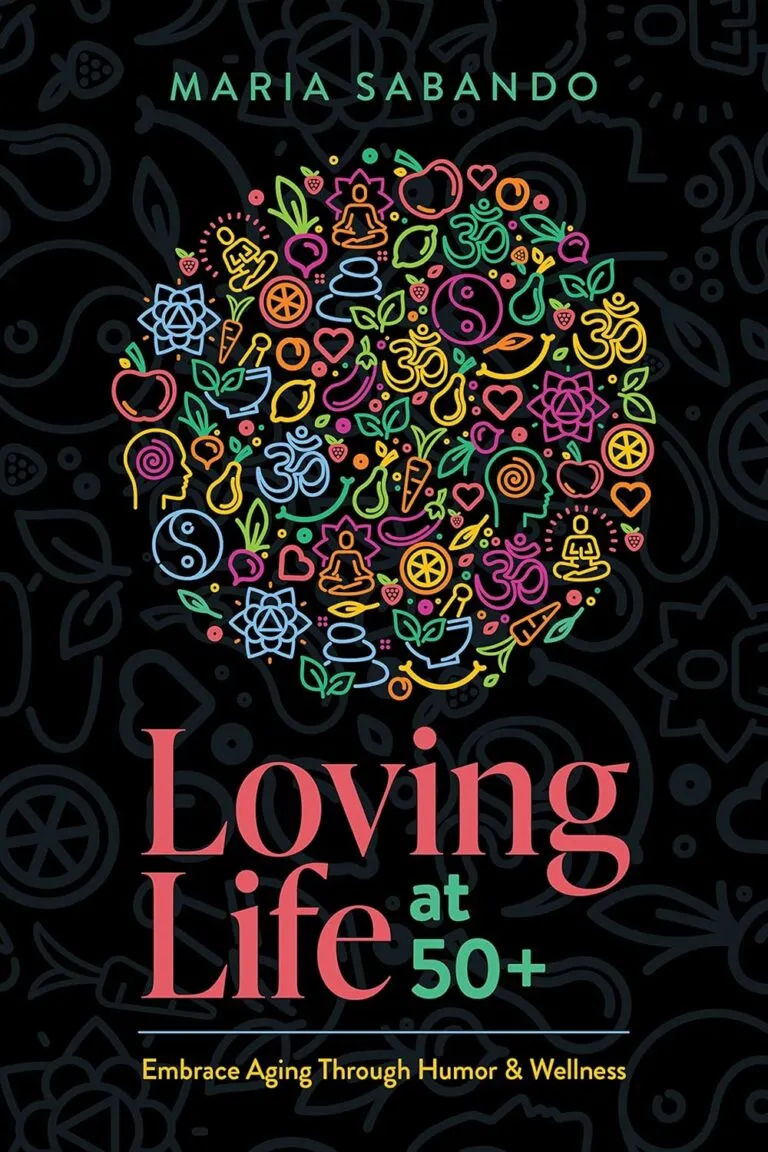
The Ageless Brain – by Dr. Dale Bredesen

10almonds is reader-supported. We may, at no cost to you, receive a portion of sales if you purchase a product through a link in this article.

We previously reviewed this author’s groundbreaking “The End of Alzheimer’s”, and now in this volume he expands on the work done there, to focus on the practical aspect of, as the subtitle promises, how to sharpen and protect your mind for a lifetime.

When we say “groundbreaking”, this is because it’s not just the usual same old things (that are very important, and/but probably quite well-known to most 10almonds readers), but rather, 36 metabolic factors that are implicated in Alzheimer’s pathology, and the good news is, most of them are within our control.

He explores these, and how to tweak them to our advantage, through much of the first half of the book, before getting to more general advice—some of which is the “same old things”, but some are factors that at best, don’t get much attention: like the relationship between oral health and cognitive health, for example.

The style is more varied this time; sometimes once again on the hard end of pop science, since there’s a lot of technical clinical data and information in here, but he does explain everything as we go, making it still quite readable for the layperson; sometimes, on the other hand, it’s quite light and narrative in style. The author being a physician-scientist in his 70s, he has a lot of experience and that means a lot of stories to tell to illustrate his points.

Bottom line: if you’d like to protect your brain with the very latest science in a comprehensive fashion, this book will enable you to do just that.

Click here to check out The Ageless Brain, and defy brain aging!

Don’t Forget…

Did you arrive here from our newsletter? Don’t forget to return to the email to continue learning!

Learn to Age Gracefully

Join the 98k+ American women taking control of their health & aging with our 100% free (and fun!) daily emails:

  • Applesauce vs Cranberry Sauce – Which is Healthier?

    10almonds is reader-supported. We may, at no cost to you, receive a portion of sales if you purchase a product through a link in this article.

    Our Verdict

    When comparing applesauce to cranberry sauce, we picked the applesauce.

    Why?

    It mostly comes down to the fact that apples are sweeter than cranberries:

    In terms of macros, they are both equal on fiber (both languishing at a paltry 1.1g/100g), and/but cranberry sauce has 4x the carbs, of which, more than 3x the sugar. Simply, cranberry sauce recipes invariably have a lot of added sugar, while applesauce recipes don’t need that. So this is a huge relative win for applesauce (we say “relative” because it’s still not great, but cranberry sauce is far worse).

    In the category of vitamins, applesauce has more of vitamins B1, B2, B5, B6, B9, and C, while cranberry sauce has more of vitamins E, K, and choline. A more moderate win for applesauce this time.

    When it comes to minerals, applesauce has more calcium, copper, magnesium, phosphorus, and potassium, while cranberry sauce has more iron, manganese, and selenium. Another moderate win for applesauce.

    Since we’ve discussed relative amounts rather than actual quantities, it’s worth noting that neither sauce is a good source of vitamins or minerals, and neither are close to just eating the actual fruits. Just, cranberry sauce is the relatively more barren of the two.

    While cranberries famously have some UTI-fighting properties, you cannot usefully gain this benefit from a sauce that (with its very high sugar content and minimal fiber) actively feeds the very C. albicans you are likely trying to kill.

    All in all, a pitiful show of nutritional inadequacy from these two products today, but one is relatively less bad than the other, and that’s the applesauce.

    Want to learn more?

    You might like to read:

    From Apples to Bees, and High-Fructose Cs: Which Sugars Are Healthier, And Which Are Just The Same?

    Enjoy!

    Share This Post

  • What To Leave Off Your Table (To Stay Off This Surgeon’s)

    10almonds is reader-supported. We may, at no cost to you, receive a portion of sales if you purchase a product through a link in this article.

    Why we eat too much (and how we can fix that)

    This is Dr. Andrew Jenkinson. He’s a Consultant Surgeon specializing in the treatment of obesity, gallstones, hernias, heartburn and abdominal pain. He runs regular clinics in both London and Dubai. What he has to offer us today, though, is insight as to what’s on our table that puts us on his table, and how we can quite easily change that up.

    So, why do we eat too much?

    First things first: some metabolic calculations. No, we’re not going to require you to grab a calculator here… Your body does it for you!

    Our body’s amazing homeostatic system (the system that does its best to keep us in the “Goldilocks Zone” of all our bodily systems; not too hot or too cold, not dehydrated or overhydrated, not hyperglycemic or hypoglycemic, blood pressure not too high or too low, etc, etc) keeps track of our metabolic input and output.

    What this means: if we increase or decrease our caloric consumption, our body will do its best to increase or decrease our metabolism accordingly:

    • If we don’t give it enough energy, it will try to conserve energy (first by slowing our activities; eventually by shutting down organs in a last-ditch attempt to save the rest of us)
    • If we give it too much energy, it will try to burn it off, and what it can’t burn, it will store

    In short: if we eat 10% or 20% more or less than usual, our body will try to use 10% to 20% more or less than usual, accordingly.

    So… How does this get out of balance?

    The problem is in how our system does that, and how we inadvertently trick it, to our detriment.

    For a system to function, it needs at its most base level two things—a sensor and a switch:

    • A sensor: to know what’s going on
    • A switch: to change what it’s doing accordingly

    Now, if we eat the way we’re evolved to—as hunter-gatherers, eating mostly fruit and vegetables, supplemented by animal products when we can get them—then our body knows exactly what it’s eating, and how to respond accordingly.

    Furthermore, that kind of food takes some eating! Most fruit these days is mostly water and fiber; in those days it often had denser fiber (before agricultural science made things easier to eat), but either way, our body knows when we are eating fruit and how to handle that. Vegetables, similarly. Unprocessed animal products, again, the gut goes “we know what this is” and responds accordingly.

    But modern ultra-processed foods with trans-fatty acids, processed sugar and flour?

    These foods zip calories straight into our bloodstream like greased lightning. We get them so quickly so easily and in such great caloric density, that our body doesn’t have the chance to count them on the way in!

    What this means is: the body has no idea what it’s just consumed or how much or what to do with it, and doesn’t adjust our metabolism accordingly.

    Bottom line:

    Evolutionarily speaking, your body has no idea what ultra-processed food is. If you skip it and go for whole foods, you can, within the bounds of reason, eat what you like and your body will handle it by adjusting your metabolism accordingly.

    Now, advising you “avoid ultra-processed foods and eat whole foods” was probably not a revelation in and of itself.

    But: sometimes knowing a little more about the “why” makes the difference when it comes to motivation.

    Want to know more about Dr. Jenkinson’s expert insights on this topic?

    If you like, you can check out his website here—he has a book too

    Why We Eat (Too Much) – Dr. Andrew Jenkinson on the Science of Appetite

    Share This Post

  • How long will you live? New evidence says it’s much more about your choices than your genes

    10almonds is reader-supported. We may, at no cost to you, receive a portion of sales if you purchase a product through a link in this article.

    One of the most enduring questions humans have is how long we’re going to live. With this comes the question of how much of our lifespan is shaped by our environment and choices, and how much is predetermined by our genes.

    A study recently published in the prestigious journal Nature Medicine has attempted for the first time to quantify the relative contributions of our environment and lifestyle versus our genetics in how we age and how long we live.

    The findings were striking, suggesting our environment and lifestyle play a much greater role than our genes in determining our longevity.

    Rawpixel.com/Shutterstock

    What the researchers did

    This study used data from the UK Biobank, a large database in the United Kingdom that contains in-depth health and lifestyle data from roughly 500,000 people. The data available include genetic information, medical records, imaging and information about lifestyle.

    A separate part of the study used data from a subset of more than 45,000 participants whose blood samples underwent something called “proteomic profiling”.

    Proteomic profiling is a relatively new technique that looks at how proteins in the body change over time to identify a person’s age at a molecular level. By using this method researchers were able to estimate how quickly an individual’s body was actually ageing. This is called their biological age, as opposed to their chronological age (or years lived).

    The researchers assessed 164 environmental exposures as well as participants’ genetic markers for disease. Environmental exposures included lifestyle choices (for example, smoking, physical activity), social factors (for example, living conditions, household income, employment status) and early life factors, such as body weight in childhood.

    They then looked for associations between genetics and environment and 22 major age-related diseases (such as coronary artery disease and type 2 diabetes), mortality and biological ageing (as determined by the proteomic profiling).

    These analyses allowed the researchers to estimate the relative contributions of environmental factors and genetics to ageing and dying prematurely.

    What did they find?

    When it came to disease-related mortality, as we would expect, age and sex explained a significant amount (about half) of the variation in how long people lived. The key finding, however, was environmental factors collectively accounted for around 17% of the variation in lifespan, while genetic factors contributed less than 2%.

    This finding comes down very clearly on the nurture side in the “nature versus nurture” debate. It suggests environmental factors influence health and longevity to a far greater extent than genetics.

    Not unexpectedly, the study showed a different mix of environmental and genetic influences for different diseases. Environmental factors had the greatest impact on lung, heart and liver disease, while genetics played the biggest role in determining a person’s risk of breast, ovarian and prostate cancers, and dementia.

    The environmental factors that had the most influence on earlier death and biological ageing included smoking, socioeconomic status, physical activity levels and living conditions.

    A man with a small child on his shoulders outdoors.
    Genetic factors affected the risk of some diseases more than others. Kleber Cordeiro/Shutterstock

    Interestingly, being taller at age ten was found to be associated with a shorter lifespan. Although this may seem surprising, and the reasons are not entirely clear, this aligns with previous research finding taller people are more likely to die earlier.

    Carrying more weight at age ten and maternal smoking (if your mother smoked in late pregnancy or when you were a newborn) were also found to shorten lifespan.

    Probably the most surprising finding in this study was a lack of association between diet and markers of biological ageing, as determined by the proteomic profiling. This flies in the face of the extensive body of evidence showing the crucial role of dietary patterns in chronic disease risk and longevity.

    But there are a number of plausible explanations for this. The first could be a lack of statistical power in the part of the study looking at biological ageing. That is, the number of people studied may have been too small to allow the researchers to see the true impact of diet on ageing.

    Second, the dietary data in this study, which was self-reported and only measured at one time point, is likely to have been of relatively poor quality, limiting the researchers’ ability to see associations. And third, as the relationship between diet and longevity is likely to be complex, disentangling dietary effects from other lifestyle factors may be difficult.

    So despite this finding, it’s still safe to say the food we eat is one of the most important pillars of health and longevity.

    What other limitations do we need to consider?

    Key exposures (such as diet) in this study were only measured at a single point in time, and not tracked over time, introducing potential errors into the results.

    Also, as this was an observational study, we can’t assume associations found represent causal relationships. For example, just because living with a partner correlated with a longer lifespan, it doesn’t mean this caused a person to live longer. There may be other factors which explain this association.

    Finally, it’s possible this study may have underestimated the role of genetics in longevity. It’s important to recognise genetics and environment don’t operate in isolation. Rather, health outcomes are shaped by their interplay, and this study may not have fully captured the complexity of these interactions.

    A woman walking with a dog in a field.
    This study found environmental factors influence health and longevity to a far greater extent than genetics. Ground Picture/Shutterstock

    The future is (largely) in your hands

    It’s worth noting there were a number of factors such as household income, home ownership and employment status associated with diseases of ageing in this study that are not necessarily within a person’s control. This highlights the crucial role of addressing the social determinants of health to ensure everyone has the best possible chance of living a long and healthy life.

    At the same time, the results offer an empowering message that longevity is largely shaped by the choices we make. This is great news, unless you have good genes and were hoping they would do the heavy lifting.

    Ultimately, the results of this study reinforce the notion that while we may inherit certain genetic risks, how we eat, move and engage with the world seems to be more important in determining how healthy we are and how long we live.

    Hassan Vally, Associate Professor, Epidemiology, Deakin University

    This article is republished from The Conversation under a Creative Commons license. Read the original article.

    Share This Post

  • Vibration Plate, Review After 6 Months: Is It Worth It?

    10almonds is reader-supported. We may, at no cost to you, receive a portion of sales if you purchase a product through a link in this article.

    Is it push-button exercise, or an expensive fad, or something else entirely? Robin, from “The Science of Self-Care”, has insights:

    Science & Experience

    According to the science (studies cited in the video and linked-to in the video description, underneath it on YouTube), vibration therapy does have some clear benefits, namely:

    • Bone health (helps with bone density, particularly beneficial for postmenopausal women)
    • Muscle recovery (reduces lactate levels, aiding faster recovery)
    • Joint health (reduces pain and improves function in osteoarthritis patients)
    • Muscle stimulation (helps older adults maintain muscle mass)
    • Cognitive function (due to increased blood flow to the brain)

    And from her personal experience, the benefits included:

    • Improved recovery after exercise, reducing muscle soreness and stiffness
    • Reduced back pain and improved posture (not surprising, given the need for stabilizing muscles when using one of these)
    • Better circulation and (likely resulting from same) skin clarity

    She did not, however, notice:

    • Any reduction in cellulite
    • Any change in body composition (fat loss or muscle gain)

    For a deeper look into these things and more, plus a demonstration of how the machine actually operates, enjoy:

    Click Here If The Embedded Video Doesn’t Load Automatically!

    Want to learn more?

    You might also like to read:

    Take care!

    Don’t Forget…

    Did you arrive here from our newsletter? Don’t forget to return to the email to continue learning!

    Learn to Age Gracefully

    Join the 98k+ American women taking control of their health & aging with our 100% free (and fun!) daily emails:

  • 10 Oft-Ignored Symptoms Of Diabetes

    10almonds is reader-supported. We may, at no cost to you, receive a portion of sales if you purchase a product through a link in this article.

    Due in part to its prevalence and manageability, diabetes is often viewed as more of an inconvenience than an existential threat. While very few people in countries with decent healthcare die of diabetes directly (such as by diabetic ketoacidosis, which is very unpleasant, and happens disproportionately in the US where insulin is sold with a 500%–3000% markup in price compared to other countries), many more die of complications arising from comorbidities, and as for what comorbidities come with diabetes, well, it increases your risk for almost everything.

    So, while for most people diabetes is by no means a death sentence, it is something that means you’ll now have to watch out for pretty much everything else too. On which note, Dr. Siobhan Deshauer is here with things to be aware of:

    More than your waistline

    Some of these are early symptoms (even appearing in the prediabetic stage, so can be considered an early warning for diabetes), some are later risks (it’s unlikely you’ll lose your feet from diabetic neuropathy complications before noticing that you are diabetic), but all and any of them are good reason to speak with your doctor sooner rather than later:

    1. Polyuria: waking up multiple times at night to urinate due to excess glucose spilling into the urine.
    2. Increased thirst: dehydration from frequent urination leads to excessive thirst, creating a cycle.
    3. Acanthosis nigricans: dark, velvety patches on areas like the neck, armpits, or groin, signalling insulin resistance.
    4. Skin tags: multiple skin tags in areas of friction may indicate insulin resistance.
    5. Recurrent Infections: high blood sugar weakens the immune system, making skin infections, UTIs, and yeast infections more common.
    6. Diabetic stiff hand syndrome: stiffness in hands, limited movement, or a “positive prayer sign” caused by sugar binding to skin and tendon proteins.
    7. Frozen shoulder and trigger finger: pain and limited movement in the shoulder or fingers, with a snapping sensation when moving inflamed tendons.
    8. Neuropathy: numbness, tingling, or pain in hands and feet due to nerve and blood vessel damage, often leading to foot deformities like Charcot foot.
    9. Diabetic foot infections: poor sensation, weakened immune response, and slow healing can result in severe infections and potential amputations.
    10. Gastroparesis: damage to stomach nerves causes delayed digestion, leading to bloating, nausea, and erratic blood sugar levels.

    For more on all of these, plus some visuals of the things like what exactly is a “positive prayer sign”, enjoy:

    Click Here If The Embedded Video Doesn’t Load Automatically!

    Want to learn more?

    You might also like to read:

    Cost of Insulin by Country 2024 ← after the US, the next most expensive country is Chile, at around 1/5 of the price; the cheapest listed is Turkey, at around 1/33 of the price.

    Take care!

    Don’t Forget…

    Did you arrive here from our newsletter? Don’t forget to return to the email to continue learning!

    Learn to Age Gracefully

    Join the 98k+ American women taking control of their health & aging with our 100% free (and fun!) daily emails:

  • Are You A Calorie-Burning Machine?

    10almonds is reader-supported. We may, at no cost to you, receive a portion of sales if you purchase a product through a link in this article.

    Burn, Calorie, Burn

    In Tuesday’s newsletter, we asked you whether you count calories, and got the above-depicted, below-described set of answers:

    • About 56% said “I am somewhat mindful of calories but keep only a rough tally”
    • About 32% said “I do not count calories / I don’t think it’s important for my health”
    • About 13% said “I rigorously check and record the calories of everything I consume”

    So what does the science say, about the merits of all these positions?

    A food’s calorie count is a good measure of how much energy we will, upon consuming the food, have to use or store: True or False?

    False, broadly. It can be, at best, a rough guideline. Do you know what a calorie actually is, by the way? Most people don’t.

    One thing to know before we get to that: there’s “cal” vs “kcal”. The latter is generally used when it comes to foodstuffs, and it’s what we’ll be meaning whenever we say “calorie” here. 1cal is 1/1000th of a kcal, that’s all.

    Now, for what a calorie actually is:

    A calorie is the amount of energy needed to raise the temperature of 1 liter of water by 1℃

    Question: so, how to we measure how much food is needed to do that?

    Answer: by using a bomb calorimeter! Which is the exciting name for the apparatus used to literally burn food and capture the heat produced to indeed raise the temperature of 1 liter of water by 1℃.

    If you’re having trouble imagining such equipment, here it is:

    Bomb Calorimeter: Definition, Construction, & Operation (with diagram and FAQs)

    The unfortunate implication of the above information

    A kilogram of sawdust contains about a 1000 kcal, give or take what wood was used and various other conditions.

    However, that does not mean you can usefully eat the sawdust. In other words:

    Calorie count tells us only how good something is at raising the temperature of water if physically burned.

    Now do you see why oils and sugars have such comparably high calorie counts?

    And while we may talk about “burning calories” as a metaphor, we do not, in fact, have a little wood stove inside us burning the food we eat.

    A calorie is a calorie: True or False?

    Definitely False! Building on from the above… We will get very little energy from sawdust; it’s not just that we can’t use it; we can’t store it either; it’ll mostly pass through as fiber.

    (however, please do not use sawdust to get your daily dose of fiber either, as it is not safe for human consumption and may give you diseases, depending on what is lurking in it)

    But let’s look at oil and sugar, two very high-calorie categories of food, because they’re really easy to physically burn and they give off a good flame.

    A bomb calorimeter may treat them quite equally, but to our body, they are metabolically very different indeed.

    For a start, most sugars will get absorbed and processed much more quickly than most oils, and that can overwhelm the liver (responsible for glycogen management), and lead to non-alcoholic fatty liver disease, diabetes, and more. Metabolic syndrome in general, and if you keep it up too much and you may find it’s now a lottery between dying of NAFLD, diabetes, or heart disease (it’ll usually be the heart disease that kills).

    See also:

    Meanwhile, we know all about the different kinds of nutritional profiles that oils can have, and some can promote having high energy without putting on fat, while others can strain the heart. Not even “a fat is a fat”, so “a calorie is a calorie” doesn’t get much mileage outside of a bomb calorimeter!

    See also:

    A calorie-controlled / calorie-restricted diet is an effective weight loss strategy: True or False?

    True, usually! Surprise!

    • On the one hand: calories are a wildly imprecise way to reckon the value of food, and using them as a guide to health can be dangerously misleading
    • On the other hand: the very activity of calorie-counting itself promotes mindful eating, which is very good for the health

    There is a strong difference between the mind of somebody who is carefully logging their pre-bedtime piece of chocolate and reflecting on its nutritional value, vs someone who isn’t sure whether this is their second or third glass of wine, nor how much the glass contained.

    So if you want to get most of the benefits of a calorie-controlled diet without counting calories, you may try taking a “mindful eating” approach to diet.

    However! If you want to do this for weight loss, be aware, that you will have to practice it all the time, not just for one meal here and there.

    You can read more on how to do “mindful eating” here:

    Dr. Rupy Aujla: The Kitchen Doctor | Mindful Eating & Interoception

    Take care!

    Don’t Forget…

    Did you arrive here from our newsletter? Don’t forget to return to the email to continue learning!

    Learn to Age Gracefully

    Join the 98k+ American women taking control of their health & aging with our 100% free (and fun!) daily emails: