
Rutin For Your Circulation & More
10almonds is reader-supported. We may, at no cost to you, receive a portion of sales if you purchase a product through a link in this article.

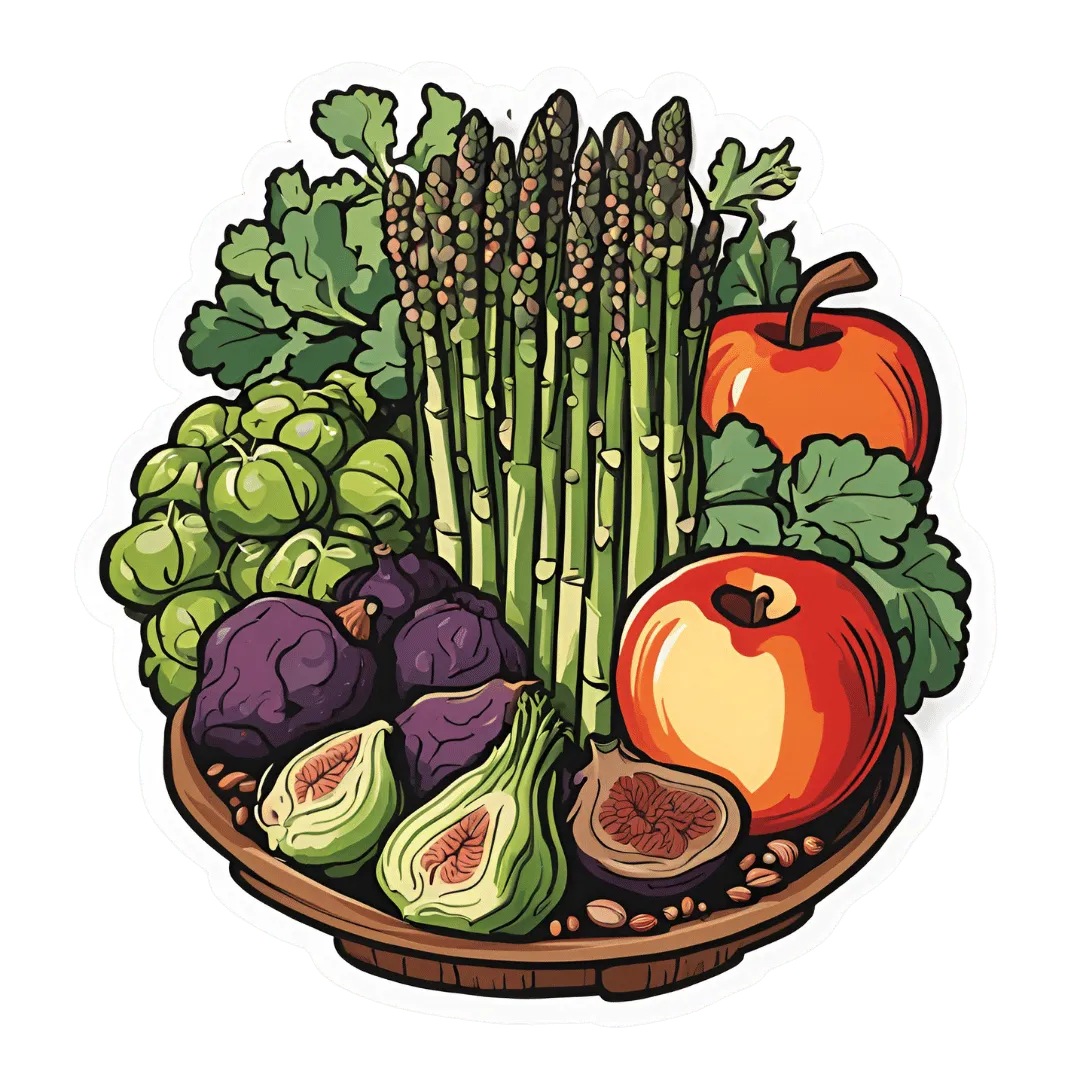
Rutin is a bioflavonoid so potent it’s also been called “vitamin P”, and it’s found most abundantly in buckwheat, as well appearing in citrus and some stone fruits (apricots, plums, etc) as well as figs and apples—it’s also found in asparagus, and green and black tea.
So, what does it do?
Quite a lot: The Pharmacological Potential of Rutin
There’s much more there than we have room to cover here, but we’ll pick out a few salient properties to focus on.
First, a word of warning
A lot of the extant science for rutin is in non-human animals. Sometimes, what works for non-human animals doesn’t work for humans; we saw a clear example of this here:
Conjugated Linoleic Acid For Weight Loss?
…in which CLA worked for weight loss in mice, hamsters, chickens, and pigs, but stubbornly not humans.
The state of affairs with the science for rutin isn’t nearly that bad and there are human studies showing efficacy, and indeed, rutin is given to (human) patients with capillary fragility, varicose veins, bruising, or hemorrhoids, for example:
So, we’ll try to give you humans-only sources so far as we can today!
Improving blood flow
Rutin does improve various blood metrics, including various kinds of blood pressure (diastolic, systolic, mean arterial, pulse) and heart rate. At least, it did in humans with type 2 diabetes, and we may reasonably assume these results may be extrapolated to humans without type 2 (or any other) diabetes:
As you may gather from the title, it did also significantly improve serum antioxidant levels, and quality of life (which latter was categorized as: emotional limitations, energy and freshness, mental health, social performance, and general health).
We couldn’t find studies for cardioprotective effects in humans (and of course those couldn’t be RCTs, they’d have to be observational studies, because no ethics board allows inducing heart attacks in humans for the sake of science), but here’s a study using rats (with and without diabetes), showing proof of principle at least:
Anti-Alzheimer’s potential
As ever, a good general rule of thumb is “what’s good for the blood is good for the brain”, and that’s true in this case too.
The title says it all, here:
In case that is not clear: everything in that title after the word “inhibits” is bad for the brain and is implicated in Alzheimer’s disease pathogenesis and progression; in other words, rutin is good against all those bad, Alzheimer’s-favoring things.
Other neuroprotective activity
You may remember from the above-linked research that it helps protect against damage caused by Advanced Glycation End-products (AGEs) (the golden-brown stuff that appears as a result of dry-cooking proteins and fats); it also helps against damage caused by acrylamide (the golden-brown stuff that appears as a result of dry-cooking starches).
Note: in both cases “dry-cooking” includes cooking with oil; it simply means “without water”.
Again, this was a rat study, because no ethics board would have let the researchers fry human brains for science.
Want to try some?
As well as simply enjoying the fruits and vegetables that contain it, it is possible to take a rutin supplement.
We don’t sell it, but here for your convenience is an example product on Amazon 😎
Enjoy!
Don’t Forget…
Did you arrive here from our newsletter? Don’t forget to return to the email to continue learning!
Recommended

Learn to Age Gracefully
Join the 98k+ American women taking control of their health & aging with our 100% free (and fun!) daily emails: