
HRT & Your Heart
10almonds is reader-supported. We may, at no cost to you, receive a portion of sales if you purchase a product through a link in this article.
It’s Q&A Day at 10almonds!
Have a question or a request? We love to hear from you!
In cases where we’ve already covered something, we might link to what we wrote before, but will always be happy to revisit any of our topics again in the future too—there’s always more to say!
As ever: if the question/request can be answered briefly, we’ll do it here in our Q&A Thursday edition. If not, we’ll make a main feature of it shortly afterwards!
So, no question/request too big or small
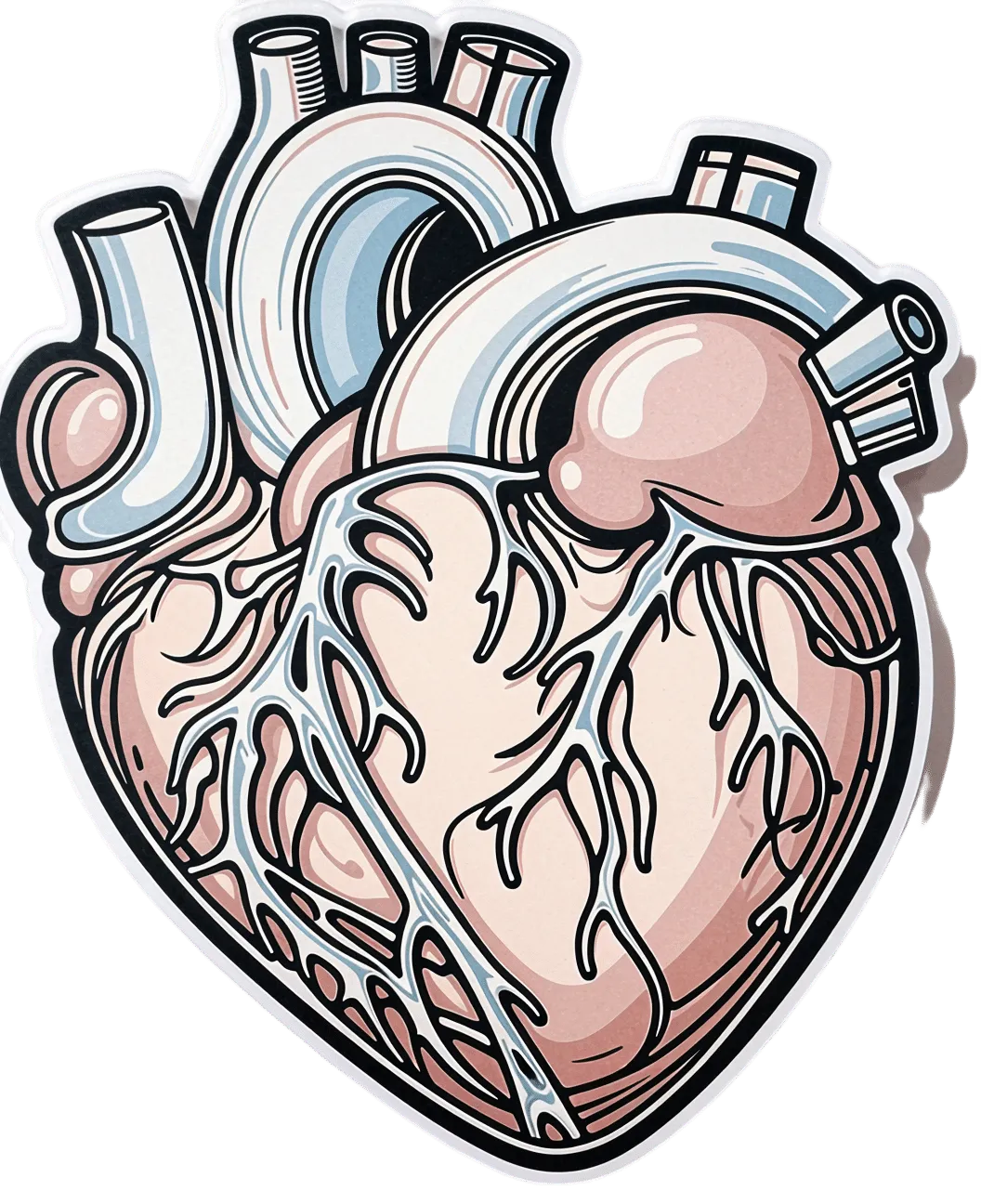
❝So the reason that someone on estrogen has a slightly higher chance of a heart attack is…what? Is it just because there’s a higher body fat?❞
There shouldn’t be higher chance of a heart attack once everything’s been taken into account, and indeed estrogen has some cardioprotective benefits, along with competing properties, e.g:
❝The cardiovascular effects of estrogen require a careful balancing act between possible advantages, such as enhanced lipid profiles and vascular function, and possible concerns, like increased thrombotic risk.
Estrogen has cardioprotective properties in premenopausal women❞
Source: The Relationship Between Myocardial Infarction and Estrogen Use: A Literature Review
The risks and benefits of HRT are numerous, and/but a lot of the risks are associated only with animal-derived HRT rather bioidentitical, so you might want to check out our previous article:
HRT: A Tale Of Two Approaches (Bioidentical vs Animal)
Would you like this section to be bigger? If so, send us more questions!
Don’t Forget…
Did you arrive here from our newsletter? Don’t forget to return to the email to continue learning!
Recommended
Learn to Age Gracefully
Join the 98k+ American women taking control of their health & aging with our 100% free (and fun!) daily emails:
-
Fitness In Our Fifties
10almonds is reader-supported. We may, at no cost to you, receive a portion of sales if you purchase a product through a link in this article.
It’s Q&A Day at 10almonds!
Have a question or a request? We love to hear from you!
In cases where we’ve already covered something, we might link to what we wrote before, but will always be happy to revisit any of our topics again in the future too—there’s always more to say!
As ever: if the question/request can be answered briefly, we’ll do it here in our Q&A Thursday edition. If not, we’ll make a main feature of it shortly afterwards!
So, no question/request too big or small
Q: What’s a worthwhile fitness goal for people in their 50s?
A: At 10almonds, we think that goals are great but habits are better.
If your goal is to run a marathon, that’s a fine goal, and can be very motivating, but then after the marathon, then what? You’ll look back on it as a great achievement, but what will it do for your future health?
PS, yes, marathon-running in one’s middle age is a fine and good activity for most people. Maybe skip it if you have osteoporosis or some other relevant problem (check with your doctor), but…
Marathons in Mid- and Later-Life ← we wrote about the science of it here
PS, we also explored some science that may be applicable to your other question, on the same page as that about marathons!
The thing about habits vs goals is that habits give ongoing cumulative (often even: compounding) benefits:
How To Really Pick Up (And Keep!) Those Habits
If you pressingly want advice on goals though, our advice is this:
Make it your goal to be prepared for the health challenges of later life. It may seem gloomy to say that old age is coming for us all if something else doesn’t get us first, but the fact is, old age does not have to come with age-related decline, and the very least, we can increase our healthspan (so we’re hitting 90 with most of the good health we enjoyed in our 70s, for example, or hitting 80 with most of the good health we enjoyed in our 60s).
If that goal seems a little wishy-washy, here are some very specific and practical ideas to get you started:
Train For The Event Of Your Life!
As for the limits and/or extents of how much we can do in that regard? Here are what two aging experts have to say:
And here’s what we at 10almonds had to say:
Age & Aging: What Can (And Can’t) We Do About It?
Take care!
Share This Post
-
The surprising ways ‘swimming off’ a hangover can be risky, even if alcohol has left your system
10almonds is reader-supported. We may, at no cost to you, receive a portion of sales if you purchase a product through a link in this article.
It’s the morning after a big night and you’re feeling the effects of too much alcohol.
So it can be tempting to “refresh” and take the edge off a hangover with a swim at the beach, or a dip in the cool waters of your local river or pool.
But you might want to think twice.
The day after heavy drinking can affect your body, energy levels and perception of risk in many ways. This means you’re more likely to drown or make careless decisions – even without high levels of alcohol in your blood.
Wanderlust Media/Shutterstock Alcohol + water + summer = drowning
Alcohol is one of the main reasons why someone’s more likely to die due to drowning. And Australians consume a lot of it, including around the water.
The risk of drowning, and injury, including incidents involving alcohol, dramatically increases over the summer festive period – in particular on public holidays and long weekends.
Among people aged 18 and over who drowned in rivers where alcohol was involved, we found some 40% had a blood alcohol concentration of at least 0.20%. That’s four times the upper legal limit of 0.05% when driving a car on a full licence.
When we breathalysed people at four Australian rivers, we found higher levels of blood alcohol with higher temperatures, and particularly on public holidays.
At the beach, intoxication due to alcohol and/or drugs is involved in 23% of drowning deaths with an average blood alcohol concentration of 0.19%.
How about if you’re hungover?
Getting alcohol out of your body is a relatively slow process. On average, alcohol is metabolised at a rate of 0.015% per hour. So if someone stops drinking at 2am with a blood alcohol concentration of 0.20%, their alcohol levels don’t drop to zero until 4pm the next day.
Although hangovers can vary from person to person, typical symptoms include headache, muscle aches, fatigue, weakness, thirst, nausea, stomach pain, vertigo, irritability, sensitivity to light and sound, anxiety, sweating and increased blood pressure.
As well as feeling a bit dusty, the day after an evening of heavy drinking, you’re not so good at identifying risks and reacting to them.
In a pool, this might mean not noticing it’s too shallow to dive safely. In natural waterways, this might mean not noticing a strong river current or a rip current at the beach. Or someone might notice these hazards but swim or dive in anyway.
You don’t have to have alcohol in your blood to be affected. Fatigue can set in, leading you to make careless decisions. tismaja/Shutterstock In one study, we found that after a four-day Australian music festival where people drank heavily, even people who were sober (no longer had alcohol in their blood) were still affected.
Compared to baseline tests in the lab we ran three weeks before the festival, people who were sober the day after the festival had faster reaction times in a test to gauge their attention. But they made more mistakes. This suggests hangovers coupled with fatigue lead to quicker but more careless behaviour.
In and around water this could be the difference between life and death.
Positive blood alcohol readings, including of alcohol from the night before, are commonly implicated in drowning deaths as a result of risky behaviours such as jumping into the water, both at a river and along the coast. Jumping can cause physical injury or render you unconscious, leading to drowning.
Alcohol, including the day after drinking, can also make drowning more likely for a number of other reasons. It also reduces people’s coordination and reaction times.
What else is going on?
Alcohol makes the blood vessels near your skin open up (dilate). So more blood flows into them, making you feel hot. This means you may stay in colder water for longer, increasing your risk of hypothermia.
Alcohol can even make CPR (cardiopulmonary resuscitation) less effective, should you need to be resuscitated.
Normally, your body controls levels of certain minerals (or electrolytes) in the blood. But electrolyte imbalance is common after heavy drinking, including the day after. It’s the reason why hangover symptoms such as muscle pain can lead to cramps in your arms or legs. This can become dangerous when being in or on the water.
Low blood sugar levels the day after drinking is also common. This can lead to people becoming exhausted more quickly when doing physical activities, including swimming.
Other hazards include cold water, high waves and deep water, all of which your body may not be capable of dealing with if you’re feeling the effects of a big night.
What can we do about it?
Authorities regularly warn about the dangers of alcohol intoxication and being near the water. Young people and men are often targeted because these are the groups more likely to drown where alcohol is involved.
Beaches may have alcohol-free zones. Rivers rarely have the same rules, despite similar dangers. https://www.youtube.com/embed/5Salt-kkGUo?wmode=transparent&start=0 Royal Life Saving urges men to ‘make the right call’ and avoid alcohol around the water.
How to stay safe around water if you’re drinking
So take care this summer and stay out of the water if you’re not feeling your best:
- do your swimming before your drinking
- look out for your mates, especially ones who may have had a few too many or are hungover
- avoid getting back into the water after you’ve drunk alcohol or if you’re not feeling your best the next day.
Amy Peden, NHMRC Research Fellow, School of Population Health & co-founder UNSW Beach Safety Research Group, UNSW Sydney; Emmanuel Kuntsche, Director of the Centre for Alcohol Policy Research, La Trobe University, and Jasmin C. Lawes, Adjunct Senior Lecturer, UNSW Beach Safety Research Group, UNSW Sydney
This article is republished from The Conversation under a Creative Commons license. Read the original article.
Share This Post
-
Do You Know These 10 Common Ovarian Cancer Symptoms?
10almonds is reader-supported. We may, at no cost to you, receive a portion of sales if you purchase a product through a link in this article.
It’s better to know in advance:
Things you may need to know
The symptoms listed in the video are:
- Abdominal bloating: persistent bloating due to fluid buildup, often mistaken for overeating or weight gain.
- Pelvic or abdominal pain: continuous pain in the lower abdomen or pelvis, unrelated to menstruation.
- Difficulty eating or feeling full quickly: loss of appetite or feeling full after eating only a small amount.
- Urgent or frequent urination: increased need to urinate due to tumor pressure on the bladder.
- Unexplained weight loss: sudden weight loss without changes in diet or exercise (this goes for cancer in general, of course).
- Fatigue: extreme tiredness that doesn’t improve with rest, possibly linked to anemia.
- Back pain: persistent lower back pain due to tumor pressure or fluid buildup.
- Changes in bowel habits: unexplained constipation, diarrhea, or a feeling of incomplete bowel movements.
- Menstrual changes: irregular, heavier, lighter, or missed periods in premenopausal women.
- Pain during intercourse: discomfort or deep pelvic pain during or after vaginal sex—often overlooked!
Of course, some of those things can be caused by many things, but it’s worth getting it checked out, especially if you have a cluster of them together. Even if it’s not ovarian cancer (and hopefully it won’t be), having multiple things from this list certainly means that “something wrong is not right” in any case.
For those who remember better from videos than what you read, enjoy:
Click Here If The Embedded Video Doesn’t Load Automatically!
Want to learn more?
You might also like to read:
Take care
Share This Post
Related Posts
-
Dealing With Back Acne
10almonds is reader-supported. We may, at no cost to you, receive a portion of sales if you purchase a product through a link in this article.
It’s Q&A Day at 10almonds!
Have a question or a request? We love to hear from you!
In cases where we’ve already covered something, we might link to what we wrote before, but will always be happy to revisit any of our topics again in the future too—there’s always more to say!
As ever: if the question/request can be answered briefly, we’ll do it here in our Q&A Thursday edition. If not, we’ll make a main feature of it shortly afterwards!
So, no question/request too big or small 😎
❝Lately I’ve increasingly been getting zits on my back, I don’t think my shower habits have changed at all, is this just an age thing or is there something I can do about it?❞
Well, we cannot diagnose from afar, so definitely consider seeing a dermatologist if it persists and/or it’s more than a small nuisance to you, but…
Yes and no, with regard to age.
Rather, it’s not really about age, but (in most cases, anyway) hormonal fluctuations. That’s why teenagers often get it; it’s also why acne breakouts can occur during pregnancy, and it can happen again in perimenopause, menopause, or in the postmenopause climb-down, due to imbalanced hormones during the change, and while it’s less likely for men undergoing the andropause (the noticeable drop of testosterone levels after a certain age), it can absolutely occur if taking certain androgenic supplements, including simply taking testosterone (or conversely, if taking something to dial down antagonistic hormones). It can also happen if you’re taking something that throws out your free testosterone to DHT ratio.
As for what to do in this case? The usual process is: just wait it out. At some point your hormones will become stable again (nature loves equilibrium, and the body is mostly a self-righting system if given what it needs to do that), and your skin will return to normal. To be clear: the acne occurs because of the change, not necessarily the end place. So whatever hormone levels you have, be they medicated or otherwise, you just need to keep them stable now (assuming the levels are fine; if not, get them fine, and then keep them stable—speak to an endocrinologist for that) in order to come out the other side acne-free.
However, that’s “the usual process”, and obviously we cannot guarantee it’s not something else. It can also be caused by stress:
The Impact of Pyschological Stress on Acne ← teehee, a typo made it into the publication title
…in which case, of course, simply manage your stress (we know, often easier said than done, but the point is, that’s the remedy in this case).
See also: How To Reduce Chronic Stress
Diet is not the cause (or cure), but enjoying an anti-inflammatory diet will be beneficial, and consuming inflammatory things, exacerbatory:
Effects of Diet on Acne and Its Response to Treatment
Hygiene is also rarely to blame, but it can make a difference, so: do wash gently, wear clean clothes, and wash your bedsheets more often than you think necessary. And about that showering:
Body Scrubs: Benefits, Risks, and Guidance
Take care!
Don’t Forget…
Did you arrive here from our newsletter? Don’t forget to return to the email to continue learning!
Learn to Age Gracefully
Join the 98k+ American women taking control of their health & aging with our 100% free (and fun!) daily emails:
-
The Alzheimer’s Gene That Varies By Race & Sex
10almonds is reader-supported. We may, at no cost to you, receive a portion of sales if you purchase a product through a link in this article.
The Alzheimer’s Gene That Varies By Race & Sex
You probably know that there are important genetic factors that increase or decrease Alzheimer’s Risk. If you’d like a quick refresher before we carry on, here are two previous articles on this topic:
- Genetic Testing: Health Benefits & Methods (about personal genomics and health, including Alzheimer’s)
- The Surprising Link Between Type 2 Diabetes & Alzheimer’s (about the APOE-ε4 allele that is implicated in both)
A Tale of Two Alleles
It has generally been understood that APOE-ε2 lowers Alzheimer’s disease risk, and APOE-ε4 increases it.
However, for reasons beyond the scope of this article, research populations for genetic testing are overwhelmingly white. If you, dear reader, are white, you may be thinking “well, I’m white, so this isn’t a problem for me”, you might still want to read on…
An extensive new study, published days ago, by Dr. Belloy et al., looked at how these correlations held out per race and sex. They found:
- The “APOE-ε2 lowers; APOE-ε4 increases” dictum held out strongest for white people.
- In the case of Hispanic people, there was only a small correlation on the APOE-ε4 side of things, and none on the APOE-ε2 side of things per se.
- East Asians also saw no correlation with regard to APOE-ε2 per se.
- But! Hispanic and East Asian people had a reduced risk of Alzheimer’s if and only if they had both APOE-ε2 and APOE-ε4.
- Black people, meanwhile, saw a slight correlation with regard to the protective effect of APOE-ε2, and as for APOE-ε4, if they had any European ancestry, increased European ancestry meant a higher increased risk factor if they had APOE-ε4. African ancestry, on the other hand, had a protective effect, proportional to the overall amount of that ancestry.
And as for sex…
- Specifically for white people with the APOE-ε3/ε4 genotype, especially in the age range of 60–70, the genetic risk for Alzheimer’s was highest in women.
If you’d like to read more and examine the data for yourself:
APOE Genotype and Alzheimer Disease Risk Across Age, Sex, and Population Ancestry
Want to reduce your Alzheimer’s risk?
We have just the thing for you:
How To Reduce Your Alzheimer’s Risk: It’s Never Too Early To Do These 11 Things
Take care!
Don’t Forget…
Did you arrive here from our newsletter? Don’t forget to return to the email to continue learning!
Learn to Age Gracefully
Join the 98k+ American women taking control of their health & aging with our 100% free (and fun!) daily emails:
-
Death by Food Pyramid – by Denise Minger
10almonds is reader-supported. We may, at no cost to you, receive a portion of sales if you purchase a product through a link in this article.
This one is less about “here’s the perfect way of eating” or even “these specific foods are ontologically evil”, but more about teaching science literacy.
The author explores various health trends from the 70s until time of writing (the book was published in 2014), what rationales originally prompted them, and what social phenomena either helped them to persist, or caused them to get dropped quite quickly.
Of course, even in the case of fads that are societally dropped quite quickly, on an individual level there will always be someone just learning about it for the first time, reading some older material, and thinking “that sounds like just the miracle life-changer I need!”
What she teaches the reader to do is largely what we do a lot of here at 10almonds—examine the claims, go to the actual source material (studies! Not just books about studies!), and see whether the study conclusions actually support the claim, to start with, and then further examine to see if there’s some way (or sometimes, a plurality of ways) in which the study itself is methodologically flawed.
Which does happen sometimes, do actually watch out for that!
The style is quite personal and entertaining for the most part, and yet even moving sometimes (the title is not hyperbole; deaths will be discussed). As one might expect of a book teaching science literacy, it’s very easy to read, with copious footnotes (well, actually they are at the back of the book doubling up as a bibliography, but they are linked-to throughout) for those who wish to delve deeper—something the author, of course, encourages.
Bottom line: if you’d like to be able to sort the real science from the hype yourself, then this book can set you on the right track!
Don’t Forget…
Did you arrive here from our newsletter? Don’t forget to return to the email to continue learning!
Learn to Age Gracefully
Join the 98k+ American women taking control of their health & aging with our 100% free (and fun!) daily emails:


