Turkey, Tryptophan, & Tiredness
10almonds is reader-supported. We may, at no cost to you, receive a portion of sales if you purchase a product through a link in this article.

It’s Q&A Day at 10almonds!
Have a question or a request? We love to hear from you!
In cases where we’ve already covered something, we might link to what we wrote before, but will always be happy to revisit any of our topics again in the future too—there’s always more to say!
As ever: if the question/request can be answered briefly, we’ll do it here in our Q&A Thursday edition. If not, we’ll make a main feature of it shortly afterwards!
So, no question/request too big or small 😎
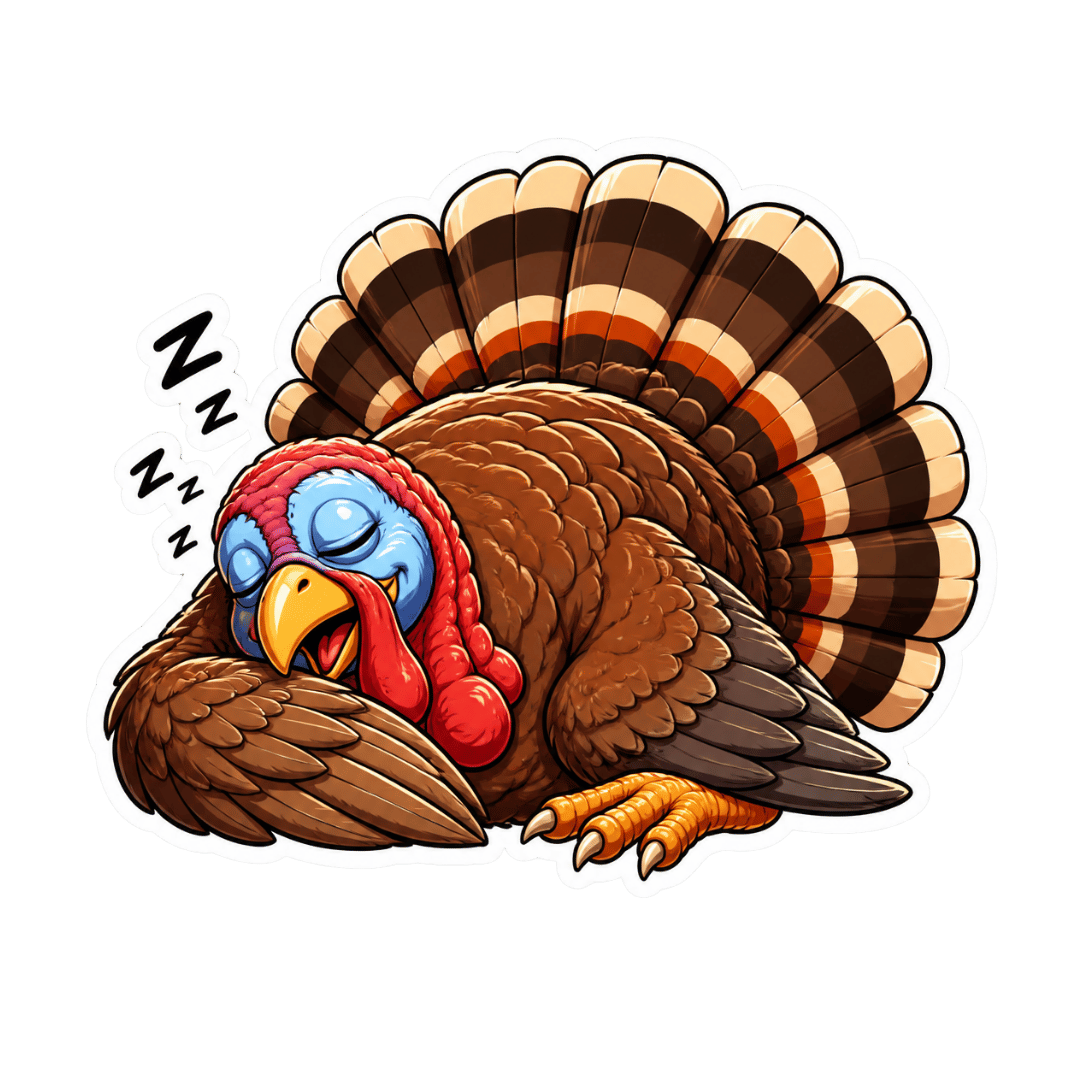
❝Is it true that turkey makes you sleepy, and if so why is it not a popular sleep remedy?❞
Short answer: no
More detailed answer: the idea that turkey makes you sleepy comes the fact that turkey contains tryptophan, an essential amino acid. Tryptophan can be converted by the body into 5-HTP, which you’ve maybe seen sold as a supplement. Its full name is 5-hydroxytryptophan.
5-HTP can, in turn, be used to make melatonin and/or serotonin, which in turn indeed promote wakeful relaxation and/or sleep, respectively, and which of those you will get more of, depends on what your body is being cued to do by ambient light/darkness, and other environmental cues.
- Fun fact #1: turkey meat contains tryptophan at levels of 28mg/kg, which is quite normal for a lot of animal products (turkey is far from exceptional in this regard; chicken, beef, and salmon are all quite similar to turkey in tryptophan content)
- Fun fact #2: the amount of tryptophan required to induce sleepiness is about 70mg/kg ← this is about kg of you, not “if the food has this dosage”; you’d need to consume 70mg of tryptophan for each 1 kg of your bodyweight
- Fun fact #3: grabbing a calculator means that if you weigh about the same as this (very average-sized) writer, you’d need to eat about 5kg of turkey to feel the tryptophan-induced sleepiness
Now of course, amounts may vary from one turkey to another, from one cut of meat to another, the size of the diner might vary, and the diner’s metabolism might vary, but there’s a general ballpark figure. It can and will fluctuate, but unless you are perhaps a competitor in a turkey-eating contest that you’ve worked your way up to, you’re probably not eating that quantity of turkey.
And even if you are eating that quantity of turkey, then tryptophan is likely the least of your concerns.
There are much more likely explanations for tiredness following a big meal, and we address some of them here: Where Your Energy Went & How To Reclaim It
And just in general, simply consuming any large quantities of food, particularly foods high in saturated fats and simple sugars, contributes to post-meal fatigue as the body works to digest the excess calories and/but can’t actually put those calories to work yet.
And if you do want to experience sleepiness (i.e., you are looking for a food that doubles up as a sleep remedy), then consider: Top 5 Foods Seniors Should Eat To Sleep Better Tonight (And 5 To Avoid)
And if you want to try to leverage tryptophan specifically, then tryptophan is found in many foods, with foods that beat turkey for tryptophan including cheese, which (of common foods, anyway), for example cheddar cheese ranks second only to pumpkin seeds in tryptophan content.
Want to learn more?
For more about the many marvels of amino acids and what they do for us, see:
Why You Can’t Skimp On Amino Acids
Enjoy!
Don’t Forget…
Did you arrive here from our newsletter? Don’t forget to return to the email to continue learning!
Recommended

Learn to Age Gracefully
Join the 98k+ American women taking control of their health & aging with our 100% free (and fun!) daily emails:
