Long-acting contraceptives seem to be as safe as the pill when it comes to cancer risk

10almonds is reader-supported. We may, at no cost to you, receive a portion of sales if you purchase a product through a link in this article.

Many women worry hormonal contraceptives have dangerous side-effects including increased cancer risk. But this perception is often out of proportion with the actual risks.

So, what does the research actually say about cancer risk for contraceptive users?

And is your cancer risk different if, instead of the pill, you use long-acting reversible contraceptives? These include intrauterine devices or IUDs (such as Mirena), implants under the skin (such as Implanon), and injections (such as Depo Provera).

Our new study, conducted by the University of Queensland and QIMR Berghofer Medical Research Institute and published by the Journal of the National Cancer Institute, looked at this question.

We found long-acting contraceptives seem to be as safe as the pill when it comes to cancer risk (which is good news) but not necessarily any safer than the pill.
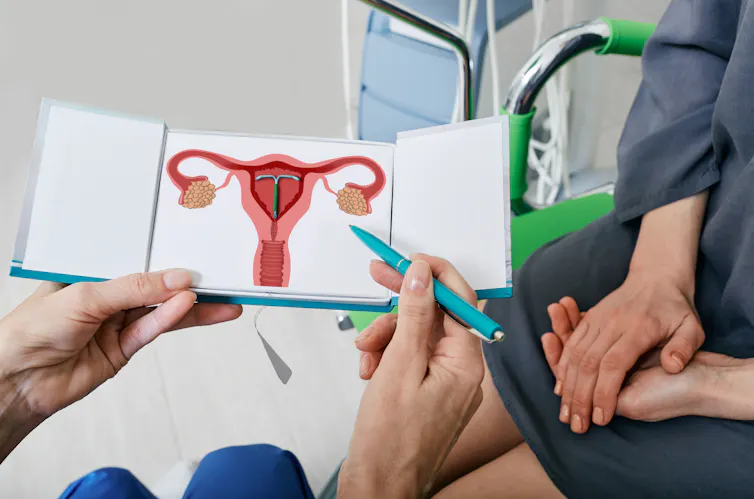
Peakstock/Shutterstock
A woman gets a hormonal birth control product implant
Some hormonal contraceptives take the form of implants under the skin. WiP-Studio/Shutterstock

How does the contraceptive pill affect cancer risk?

The International Agency for Research on Cancer, which compiles evidence on cancer causes, has concluded that oral contraceptives have mixed effects on cancer risk.

Using the oral contraceptive pill:

  • slightly increases your risk of breast and cervical cancer in the short term, but
  • substantially reduces your risk of cancers of the uterus and ovaries in the longer term.

Our earlier work showed the pill was responsible for preventing far more cancers overall than it contributed to.

In previous research we estimated that in 2010, oral contraceptive pill use prevented over 1,300 cases of endometrial and ovarian cancers in Australian women.

It also prevented almost 500 deaths from these cancers in 2013. This is a reduction of around 25% in the deaths that could have occurred that year if women hadn’t taken the pill.

In contrast, we calculated the pill may have contributed to around 15 deaths from breast cancer in 2013, which is less than 0.5% of all breast cancer deaths in that year.

A woman pops contraceptive pills from a pill pack.
Previous work showed the pill was responsible for preventing far more cancers overall than it contributed to. Image Point Fr

What about long-acting reversible contraceptives and cancer risk?

Long-acting reversible contraceptives – which include intrauterine devices or IUDs, implants under the skin, and injections – release progesterone-like hormones.

These are very effective contraceptives that can last from a few months (injections) up to seven years (intrauterine devices).

Notably, they don’t contain the hormone oestrogen, which may be responsible for some of the side-effects of the pill (including perhaps contributing to a higher risk of breast cancer).

Use of these long-acting contraceptives has doubled over the past decade, while the use of the pill has declined. So it’s important to know whether this change could affect cancer risk for Australian women.

Our new study of more than 1 million Australian women investigated whether long-acting, reversible contraceptives affect risk of invasive cancers. We compared the results to the oral contraceptive pill.

We used de-identified health records for Australian women aged 55 and under in 2002.

Among this group, about 176,000 were diagnosed with cancer between 2004 and 2013 when the oldest women were aged 67. We compared hormonal contraceptive use among these women who got cancer to women without cancer.

We found that long-term users of all types of hormonal contraception had around a 70% lower risk of developing endometrial cancer in the years after use. In other words, the risk of developing endometrial cancer is substantially lower among women who took hormonal contraception compared to those who didn’t.

For ovarian cancer, we saw a 50% reduced risk (compared to those who took no hormonal contraception) for women who were long-term users of the hormone-containing IUD.

The risk reduction was not as marked for the implants or injections, however few long-term users of these products developed these cancers in our study.

As the risk of endometrial and ovarian cancers increases with age, it will be important to look at cancer risk in these women as they get older.

What about breast cancer risk?

Our findings suggest that the risk of breast cancer for current users of long-acting contraceptives is similar to users of the pill.

However, the contraceptive injection was only associated with an increase in breast cancer risk after five years of use and there was no longer a higher risk once women stopped using them.

Our results suggested that the risk of breast cancer also reduces after stopping use of the contraceptive implants.

We will need to follow-up the women for longer to determine whether this is also the case for the IUD.

It is worth emphasising that the breast cancer risk associated with all hormonal contraceptives is very small.

About 30 in every 100,000 women aged 20 to 39 years develop breast cancer each year, and any hormonal contraceptive use would only increase this to around 36 cases per 100,000.

What about other cancers?

Our study did not show any consistent relationships between contraceptive use and other cancers types. However, we only at looked at invasive cancers (meaning those that start at a primary site but have the potential to spread to other parts of the body).

A recent French study found that prolonged use of the contraceptive injection increased the risk of meningioma (a type of benign brain tumour).

However, meningiomas are rare, especially in young women. There are around two cases in every 100,000 in women aged 20–39, so the extra number of cases linked to contraceptive injection use was small.

The French study found the hormonal IUD did not increase meningioma risk (and they did not investigate contraceptive implants).

Benefits and side-effects

There are benefits and side-effects for all medicines, including contraceptives, but it is important to know most very serious side-effects are rare.

A conversation with your doctor about the balance of benefits and side-effects for you is always a good place to start.

Susan Jordan, Professor of Epidemiology, The University of Queensland; Karen Tuesley, Postdoctoral Research Fellow, School of Public Health, The University of Queensland, and Penny Webb, Distinguished Scientist, Gynaecological Cancers Group, QIMR Berghofer Medical Research Institute

This article is republished from The Conversation under a Creative Commons license. Read the original article.

Don’t Forget…

Did you arrive here from our newsletter? Don’t forget to return to the email to continue learning!

Learn to Age Gracefully

Join the 98k+ American women taking control of their health & aging with our 100% free (and fun!) daily emails:

  • Good news: midlife health is about more than a waist measurement. Here’s why

    10almonds is reader-supported. We may, at no cost to you, receive a portion of sales if you purchase a product through a link in this article.

    You’re not in your 20s or 30s anymore and you know regular health checks are important. So you go to your GP. During the appointment they measure your waist. They might also check your weight. Looking concerned, they recommend some lifestyle changes.

    GPs and health professionals commonly measure waist circumference as a vital sign for health. This is a better indicator than body mass index (BMI) of the amount of intra-abdominal fat. This is the really risky fat around and within the organs that can drive heart disease and metabolic disorders such as type 2 diabetes.

    Men are at greatly increased risk of health issues if their waist circumference is greater than 102 centimetres. Women are considered to be at greater risk with a waist circumference of 88 centimetres or more. More than two-thirds of Australian adults have waist measurements that put them at an increased risk of disease. An even better indicator is waist circumference divided by height or waist-to-height ratio.

    But we know people (especially women) have a propensity to gain weight around their middle during midlife, which can be very hard to control. Are they doomed to ill health? It turns out that, although such measurements are important, they are not the whole story when it comes to your risk of disease and death.

    How much is too much?

    Having a waist circumference to height ratio larger than 0.5 is associated with greater risk of chronic disease as well as premature death and this applies in adults of any age. A healthy waist-to-height ratio is between 0.4 to 0.49. A ratio of 0.6 or more places a person at the highest risk of disease.

    Some experts recommend waist circumference be routinely measured in patients during health appointments. This can kick off a discussion about their risk of chronic diseases and how they might address this.

    Excessive body fat and the associated health problems manifest more strongly during midlife. A range of social, personal and physiological factors come together to make it more difficult to control waist circumference as we age. Metabolism tends to slow down mainly due to decreasing muscle mass because people do less vigorous physical activity, in particular resistance exercise.

    For women, hormone levels begin changing in mid-life and this also stimulates increased fat levels particularly around the abdomen. At the same time, this life phase (often involving job responsibilities, parenting and caring for ageing parents) is when elevated stress can lead to increased cortisol which causes fat gain in the abdominal region.

    Midlife can also bring poorer sleep patterns. These contribute to fat gain with disruption to the hormones that control appetite.

    Finally, your family history and genetics can make you predisposed to gaining more abdominal fat.

    Why the waist?

    This intra-abdominal or visceral fat is much more metabolically active (it has a greater impact on body organs and systems) than the fat under the skin (subcutaneous fat).

    Visceral fat surrounds and infiltrates major organs such as the liver, pancreas and intestines, releasing a variety of chemicals (hormones, inflammatory signals, and fatty acids). These affect inflammation, lipid metabolism, cholesterol levels and insulin resistance, contributing to the development of chronic illnesses.

    Man runs on treadmill
    Exercise can limit visceral fat gains in mid-life. Shutterstock/Zamrznuti tonovi

    The issue is particularly evident during menopause. In addition to the direct effects of hormone changes, declining levels of oestrogen change brain function, mood and motivation. These psychological alterations can result in reduced physical activity and increased eating – often of comfort foods high in sugar and fat.

    But these outcomes are not inevitable. Diet, exercise and managing mental health can limit visceral fat gains in mid-life. And importantly, the waist circumference (and ratio to height) is just one measure of human health. There are so many other aspects of body composition, exercise and diet. These can have much larger influence on a person’s health.

    Muscle matters

    The quantity and quality of skeletal muscle (attached to bones to produce movement) a person has makes a big difference to their heart, lung, metabolic, immune, neurological and mental health as well as their physical function.

    On current evidence, it is equally or more important for health and longevity to have higher muscle mass and better cardiorespiratory (aerobic) fitness than waist circumference within the healthy range.

    So, if a person does have an excessive waist circumference, but they are also sedentary and have less muscle mass and aerobic fitness, then the recommendation would be to focus on an appropriate exercise program. The fitness deficits should be addressed as priority rather than worry about fat loss.

    Conversely, a person with low visceral fat levels is not necessarily fit and healthy and may have quite poor aerobic fitness, muscle mass, and strength. The research evidence is that these vital signs of health – how strong a person is, the quality of their diet and how well their heart, circulation and lungs are working – are more predictive of risk of disease and death than how thin or fat a person is.

    For example, a 2017 Dutch study followed overweight and obese people for 15 years and found people who were very physically active had no increased heart disease risk than “normal weight” participants.

    Getting moving is important advice

    Physical activity has many benefits. Exercise can counter a lot of the negative behavioural and physiological changes that are occurring during midlife including for people going through menopause.

    And regular exercise reduces the tendency to use food and drink to help manage what can be a quite difficult time in life.

    Measuring your waist circumference and monitoring your weight remains important. If the measures exceed the values listed above, then it is certainly a good idea to make some changes. Exercise is effective for fat loss and in particular decreasing visceral fat with greater effectiveness when combined with dietary restriction of energy intake. Importantly, any fat loss program – whether through drugs, diet or surgery – is also a muscle loss program unless resistance exercise is part of the program. Talking about your overall health with a doctor is a great place to start.

    Accredited exercise physiologists and accredited practising dietitians are the most appropriate allied health professionals to assess your physical structure, fitness and diet and work with you to get a plan in place to improve your health, fitness and reduce your current and future health risks.

    Rob Newton, Professor of Exercise Medicine, Edith Cowan University

    This article is republished from The Conversation under a Creative Commons license. Read the original article.

    Share This Post

  • The Anti-Stress Herb That Also Fights Cancer

    10almonds is reader-supported. We may, at no cost to you, receive a portion of sales if you purchase a product through a link in this article.

    What does Rhodiola rosea actually do, anyway?

    Rhodiola rosea (henceforth, “rhodiola”) is a flowering herb whose roots have adaptogenic properties.

    In the cold, mountainous regions of Europe and Asia where it grows, it has been used in herbal medicine for centuries to alleviate anxiety, fatigue, and depression.

    What does the science say?

    Well, let’s just say the science is more advanced than the traditional use:

    ❝In addition to its multiplex stress-protective activity, Rhodiola rosea extracts have recently demonstrated its anti-aging, anti-inflammation, immunostimulating, DNA repair and anti-cancer effects in different model systems❞

    ~ Li et al. (2017)

    Nor is how it works a mystery, as the same paper explains:

    ❝Molecular mechanisms of Rhodiola rosea extracts’s action have been studied mainly along with one of its bioactive compounds, salidroside. Both Rhodiola rosea extracts and salidroside have contrasting molecular mechanisms on cancer and normal physiological functions.

    For cancer, Rhodiola rosea extracts and salidroside inhibit the mTOR pathway and reduce angiogenesis through down-regulation of the expression of HIF-1α/HIF-2α.

    For normal physiological functions, Rhodiola rosea extracts and salidroside activate the mTOR pathway, stimulate paracrine function and promote neovascularization by inhibiting PHD3 and stabilizing HIF-1α proteins in skeletal muscles❞

    ~ Ibid.

    And, as for the question of “do the supplements work?”,

    ❝In contrast to many natural compounds, salidroside is water-soluble and highly bioavailable via oral administration❞

    ~ Ibid.

    And as to how good it is:

    ❝Rhodiola rosea extracts and salidroside can impose cellular and systemic benefits similar to the effect of positive lifestyle interventions to normal physiological functions and for anti-cancer❞

    ~ Ibid.

    Source: Rhodiola rosea: anti-stress, anti-aging, and immunostimulating properties for cancer chemoprevention

    But that’s not all…

    We can’t claim this as a research review if we only cite one paper (even if that paper has 144 citations of its own), and besides, it didn’t cover all the benefits yet!

    Let’s first look at the science for the “traditional use” trio of benefits:

    When you read those, what are your first thoughts?

    Please don’t just take our word for things! Reading even just the abstracts (summaries) at the top of papers is a very good habit to get into, if you don’t have time (or easy access) to read the full text.

    Reading the abstracts is also a very good way to know whether to take the time to read the whole paper, or whether it’s better to skip onto a different one.

    • Perhaps you noticed that the paper we cited for anxiety was quite a small study.
      • The fact is, while we found mountains of evidence for rhodiola’s anxiolytic (antianxiety) effects, they were all small and/or animal studies. So we picked a human study and went with it as illustrative.
    • Perhaps you noticed that the paper we cited for fatigue pertained mostly to stress-related fatigue.
      • This, we think, is a feature not a bug. After all, most of us experience fatigue because of the general everything of life, not because we just ran a literal marathon.
    • Perhaps you noticed that the paper we cited for depression said it didn’t work as well as sertraline (a very common pharmaceutical SSRI antidepressant).
      • But, it worked almost as well and it had far fewer adverse effects reported. Bear in mind, the side effects of antidepressants are the reason many people avoid them, or desist in taking them. So rhodiola working almost as well as sertraline for far fewer adverse effects, is quite a big deal!

    Bonus features

    Rhodiola also putatively offers protection against Alzheimer’s disease, Parkinson’s disease, and cerebrovascular disease in general:

    Rosenroot (Rhodiola): Potential Applications in Aging-related Diseases

    It may also be useful in the management of diabetes (types 1 and 2), but studies so far have only been animal studies, and/or in vitro studies. Here are two examples:

    1. Antihyperglycemic action of rhodiola-aqeous extract in type 1 diabetic rats
    2. Evaluation of Rhodiola crenulata and Rhodiola rosea for management of type 2 diabetes and hypertension

    How much to take?

    Dosages have varied a lot in studies. However, 120mg/day seems to cover most bases. It also depends on which of rhodiola’s 140 active compounds a particular benefit depends on, though salidroside and rosavin are the top performers.

    Where to get it?

    As ever, we don’t sell it (or anything else) but here’s an example product on Amazon.

    Enjoy!

    Share This Post

  • The 7 Approaches To Pain Management

    10almonds is reader-supported. We may, at no cost to you, receive a portion of sales if you purchase a product through a link in this article.

    More Than One Way To Kill Pain

    This is Dr. Deepak Ravindran (MD, FRCA. FFPMRCA, EDRA. FIPP, DMSMed). He has decades of experience and is a specialist in acute and chronic pain management, anesthesia, musculoskeletal medicine, and lifestyle medicine.

    A quick catch-up, first:

    We’ve written about chronic pain management before:

    Managing Chronic Pain (Realistically!)

    As well as:

    Science-Based Alternative Pain Relief

    Dr. Ravindran’s approach

    Dr. Ravindran takes a “trauma-informed care” approach to his professional practice, and recommends the same for others.

    In a nutshell, this means starting from a position of not “what’s wrong with you?”, but rather “what happened to you?”.

    This seemingly subtle shift is important, because it means actually dealing with a person’s issues, instead of “take one of these and call my secretary next month”. Read more:

    What is Trauma-Informed Care?

    Pain itself can be something of a many-headed hydra. Dr. Ravindran’s approach is equally many-headed; specifically, he has a 7-point plan:

    Medications

    Dr. Ravindran sees painkillers (and a collection of other drugs, like antidepressants and muscle relaxants) as a potential means to an end worth exploring, but he doesn’t expect them to be the best choice for everyone, and nor does he expect them to be a cure-all. Neither should we. He also advises being mindful of the drawbacks and potential complications of these drugs, too.

    Interventions

    Sometimes, surgery is the right choice. Sometimes it isn’t. Often, it will change a life—one way or the other. Similar to with medications, Dr. Ravindran is very averse to a “one size fits all” approach here. See also:

    The Insider’s Guide To Making Hospital As Comfortable As Possible

    Neuroscience and stress management

    Often a lot of the distress of pain is not just the pain itself, but the fear associated with it. Will it get worse if I move wrong or eat the wrong thing? How long will it last? Will it ever get better? Will it get worse if I do nothing?. Dr. Ravindran advises tackling this, with the same level of importance as the pain itself. Here’s a good start:

    Stress, And Building Psychological Resilience

    Diet and the microbiome

    Many chronic illnesses are heavily influenced by this, and Dr. Ravindran’s respect for lifestyle medicine comes into play here. While diet might not fix all our ills, it certainly can stop things from being a lot worse. Beyond the obvious “eat healthily” (Mediterranean diet being a good starting point for most people), he also advises doing elimination tests where appropriate, to screen out potential flare-up triggers. You also might consider:

    Four Ways To Upgrade The Mediterranean Diet

    Sleep

    “Get good sleep” is easy advice for those who are not in agonizing pain that sometimes gets worse from staying in the same position for too long. Nevertheless, it is important, and foundational to good health. So it’s important to explore—whatever limitations one might realistically have—what can be done to improve it.

    If you can only sleep for a short while at a time, you may get benefit from this previous main feature of ours:

    How To Nap Like A Pro (No More “Sleep Hangovers”!)

    Exercise and movement

    The trick here is to move little and often; without overdoing it, but without permitting loss of mobility either. See also:

    The Doctor Who Wants Us To Exercise Less, And Move More

    Therapies of the mind and body

    This is about taking a holistic approach to one’s wellness. In Dr. Ravindran’s words:

    ❝Mind-body therapies are often an extremely sensitive topic about which people hold very strong opinions and sometimes irrational beliefs.

    Some, like reiki and spiritual therapy and homeopathy, have hardly any scientific evidence to back them up, while others like yoga, hypnosis, and meditation/mindfulness are mainstream techniques with many studies showing the benefits, but they all work for certain patients.❞

    In other words: evidence-based is surely the best starting point, but if you feel inclined to try something else and it works for you, then it works for you. And that’s a win.

    Want to know more?

    You might like his book…

    The Pain-Free Mindset: 7 Steps to Taking Control and Overcoming Chronic Pain

    He also has a blog and a podcast.

    Take care!

    Share This Post

  • Skin Care Down There (Incl. Butt Acne, Hyperpigmentation, & More)

    10almonds is reader-supported. We may, at no cost to you, receive a portion of sales if you purchase a product through a link in this article.

    Dr. Sam Ellis, dermatologist, gives us the low-down:

    Where the sun don’t shine

    Common complaints and remedies that Dr. Ellis covers in this video include:

    • Butt acne/folliculitis: most butt breakouts are actually folliculitis, not traditional acne. Folliculitis is caused by friction, sitting for long periods, or wearing tight clothes. Solutions include antimicrobial washes like benzoyl peroxide and changing sitting habits (i.e. to sit less)
    • Keratosis pilaris: rough bumps around hair follicles can appear on the butt, often confused with acne.
    • Boils and abscesses: painful, large lumps; these need medical attention for drainage.
    • Hidradenitis suppurativa: recurrent painful cysts and boils in skin creases, often in the groin and buttocks. These require medical intervention and treatment.
    • Ingrown hairs: are common in people who shave or wax. Treat with warm compresses and gentle exfoliants.
    • Hyperpigmentation: is often caused by hormonal changes, friction, or other irritation. Laser hair removal and gentle chemical exfoliants can help.

    In the event that the sun does, in fact, shine on your genitals (for example you sunbathe nude and have little or no pubic hair), then sun protection is essential to prevent further darkening (and also, incidentally, reduce the risk of cancer).

    For more on all of this, plus a general introduction to skincare in the bikini zone (i.e. if everything’s fine there right now and you’d like to keep it that way), enjoy:

    Click Here If The Embedded Video Doesn’t Load Automatically!

    Want to learn more?

    You might also like to read:

    The Evidence-Based Skincare That Beats Product-Specific Hype

    Take care!

    Don’t Forget…

    Did you arrive here from our newsletter? Don’t forget to return to the email to continue learning!

    Learn to Age Gracefully

    Join the 98k+ American women taking control of their health & aging with our 100% free (and fun!) daily emails:

  • ‘Sleep tourism’ promises the trip of your dreams. Beyond the hype plus 5 tips for a holiday at home

    10almonds is reader-supported. We may, at no cost to you, receive a portion of sales if you purchase a product through a link in this article.

    Imagine arriving at your hotel after a long flight and being greeted by your own personal sleep butler. They present you with a pillow menu and invite you to a sleep meditation session later that day.

    You unpack in a room kitted with an AI-powered smart bed, blackout shades, blue light-blocking glasses and weighted blankets.

    Holidays are traditionally for activities or sightseeing – eating Parisian pastry under the Eiffel tower, ice skating at New York City’s Rockefeller Centre, lying by the pool in Bali or sipping limoncello in Sicily. But “sleep tourism” offers vacations for the sole purpose of getting good sleep.

    The emerging trend extends out of the global wellness tourism industry – reportedly worth more than US$800 billion globally (A$1.2 trillion) and expected to boom.

    Luxurious sleep retreats and sleep suites at hotels are popping up all over the world for tourists to get some much-needed rest, relaxation and recovery. But do you really need to leave home for some shuteye?

    RossHelen/Shutterstock

    Not getting enough

    The rise of sleep tourism may be a sign of just how chronically sleep deprived we all are.

    In Australia more than one-third of adults are not achieving the recommended 7–9 hours of sleep per night, and the estimated cost of this inadequate sleep is A$45 billion each year.

    Inadequate sleep is linked to long-term health problems including poor mental health, heart disease, metabolic disease and deaths from any cause.

    Can a fancy hotel give you a better sleep?

    Many of the sleep services available in the sleep tourism industry aim to optimise the bedroom for sleep. This is a core component of sleep hygiene – a series of healthy sleep practices that facilitate good sleep including sleeping in a comfortable bedroom with a good mattress and pillow, sleeping in a quiet environment and relaxing before bed.

    The more people follow sleep hygiene practices, the better their sleep quality and quantity.

    When we are staying in a hotel we are also likely away from any stressors we encounter in everyday life (such as work pressure or caring responsibilities). And we’re away from potential nighttime disruptions to sleep we might experience at home (the construction work next door, restless pets, unsettled children). So regardless of the sleep features hotels offer, it is likely we will experience improved sleep when we are away.

    A do not disturb tag hangs on hotel door handle
    Being away from home also means being away from domestic disruptions. Makistock/Shutterstock

    What the science says about catching up on sleep

    In the short-term, we can catch up on sleep. This can happen, for example, after a short night of sleep when our brain accumulates “sleep pressure”. This term describes how strong the biological drive for sleep is. More sleep pressure makes it easier to sleep the next night and to sleep for longer.

    But while a longer sleep the next night can relieve the sleep pressure, it does not reverse the effects of the short sleep on our brain and body. Every night’s sleep is important for our body to recover and for our brain to process the events of that day. Spending a holiday “catching up” on sleep could help you feel more rested, but it is not a substitute for prioritising regular healthy sleep at home.

    All good things, including holidays, must come to an end. Unfortunately the perks of sleep tourism may end too.

    Our bodies do not like variability in the time of day that we sleep. The most common example of this is called “social jet lag”, where weekday sleep (getting up early to get to work or school) is vastly different to weekend sleep (late nights and sleep ins). This can result in a sleepy, grouchy start to the week on Monday. Sleep tourism may be similar, if you do not come back home with the intention to prioritise sleep.

    So we should be mindful that as well as sleeping well on holiday, it is important to optimise conditions at home to get consistent, adequate sleep every night.

    man looks at mobile phone in dark surroundings
    Good sleep hygiene doesn’t require a passport. Maridav/Shutterstock

    5 tips for having a sleep holiday at home

    An AI-powered mattress and a sleep butler at home might be the dream. But these features are not the only way we can optimise our sleep environment and give ourselves the best chance to get a good night’s sleep. Here are five ideas to start the night right:

    1. avoid bright artificial light in the evening (such as bright overhead lights, phones, laptops)

    2. make your bed as comfortable as possible with fresh pillows and a supportive mattress

    3. use black-out window coverings and maintain a cool room temperature for the ideal sleeping environment

    4. establish an evening wind-down routine, such as a warm shower and reading a book before bed or even a “sleepy girl mocktail

    5. use consistency as the key to a good sleep routine. Aim for a similar bedtime and wake time – even on weekends.

    Charlotte Gupta, Senior postdoctoral research fellow, Appleton Institute, HealthWise research group, CQUniversity Australia and Dean J. Miller, Adjunct Research Fellow, Appleton Institute of Behavioural Science, CQUniversity Australia

    This article is republished from The Conversation under a Creative Commons license. Read the original article.

    Don’t Forget…

    Did you arrive here from our newsletter? Don’t forget to return to the email to continue learning!

    Learn to Age Gracefully

    Join the 98k+ American women taking control of their health & aging with our 100% free (and fun!) daily emails:

  • Pistachios vs Walnuts – Which is Healthier?

    10almonds is reader-supported. We may, at no cost to you, receive a portion of sales if you purchase a product through a link in this article.

    Our Verdict

    When comparing pistachios to walnuts, we picked the pistachios.

    Why?

    Pistachios have more protein and fiber, while walnuts have more fat (though the fats are famously healthy, the same is true of the fats in pistachios).

    In the category of vitamins, pistachios have several times more* of vitamins A, B1, B6, C, and E, while walnuts boast only a little more of vitamin B9. They are approximately equal on other vitamins they both contain.

    *actually 25x more vitamin A, but the others are 2x, 3x, 4x more.

    When it comes to minerals, things are more even; pistachios have more iron, phosphorus, potassium, and selenium, while walnuts have more copper, magnesium, manganese, and zinc. So this category’s a tie.

    So given two clear wins for pistachios, and one tie, it’s evident that pistachios win the day.

    However! Do enjoy both of these nuts; we often mention that diversity is good in general, and in this case, it’s especially true because of the different mineral profiles, and also because in terms of the healthy fats that they offer, pistachios offer more monounsaturated fats and walnuts offer more polyunsaturated fats; both are healthy, just different.

    They’re about equal on saturated fat, in case you were wondering, as it makes up about 6% of the total fats in both cases.

    Want to learn more?

    You might like to read:

    Why You Should Diversify Your Nuts

    Take care!

    Don’t Forget…

    Did you arrive here from our newsletter? Don’t forget to return to the email to continue learning!

    Learn to Age Gracefully

    Join the 98k+ American women taking control of their health & aging with our 100% free (and fun!) daily emails: