
Feel The Difference: Mobility Mistakes That Are Making You Tighter
10almonds is reader-supported. We may, at no cost to you, receive a portion of sales if you purchase a product through a link in this article.

Marina Sarenac, mobility coach, shows us how to do it better:
It makes a big difference
Some common mistakes and their solutions:
- Stretching too aggressively: forcing a stretch can trigger your body’s protective response so your muscles tighten instead of relaxing.
- Frog hip rock: sounds like a music genre, but instead is an exercise whereby you sit on the floor in a frog position with your knees aligned with your hips and your feet turned outward, lower onto your elbows with a natural spine, slowly push your hips backwards without rotating them or rounding your lower back, pause briefly at your deepest stretch, then return.
- Foam roller thoracic extension: lie on your stomach with a foam roller in front of you and your hands resting on it, move your hands closer towards your body to lift your chest into a back extension while maintaining pressure on the roller, then raise one arm near your ear and then the other without letting your torso collapse, before lowering and relaxing.
- Only passive stretching: holding stretches without activation doesn’t teach your nervous system to use that range, so your body doesn’t maintain the mobility.
- Seated hip activation with kettlebells: sit with your feet close to your hips and let your knees fall outward, place kettlebells on your legs, keep your posture upright, then slowly lift and lower your legs to activate your hips (while maintaining the stretch).
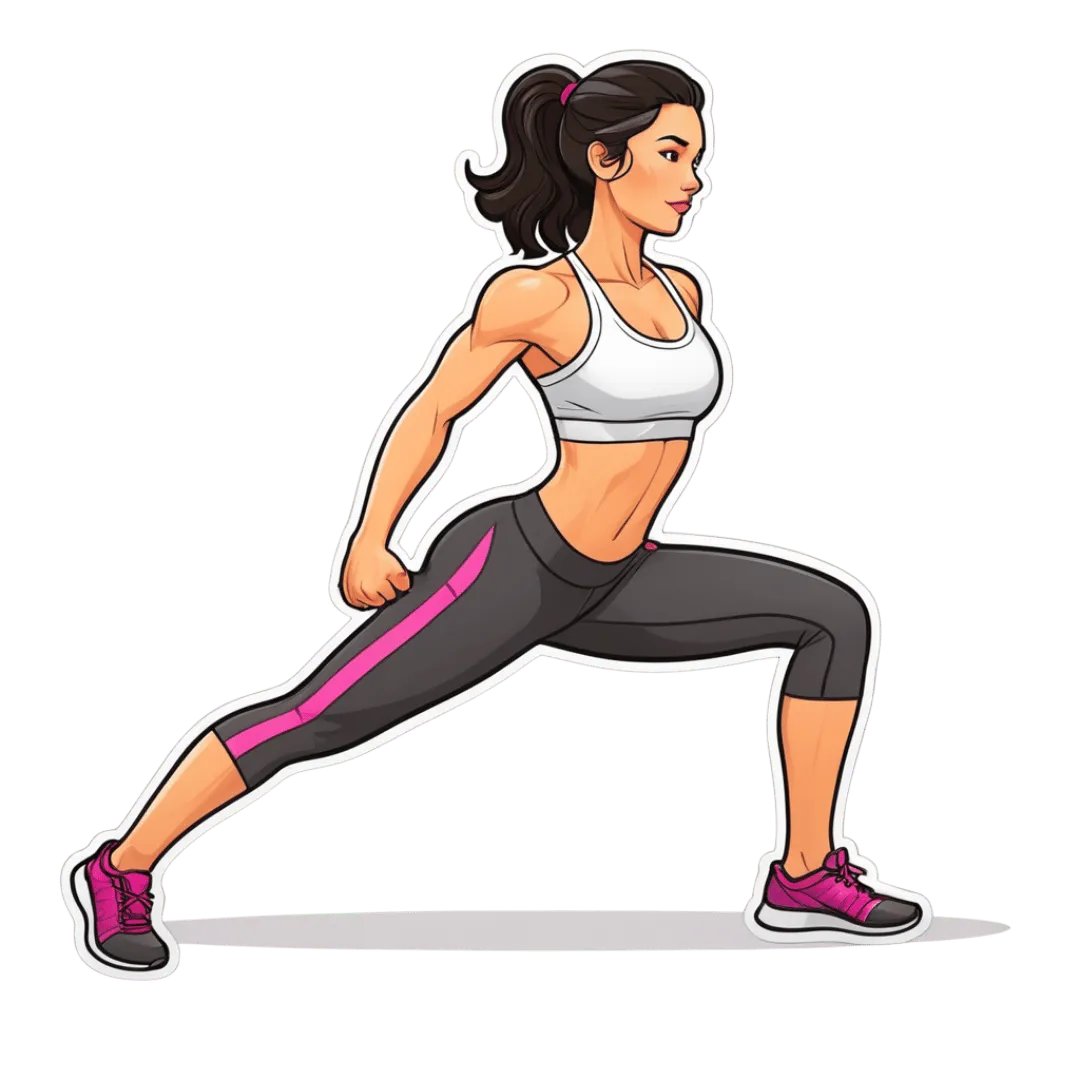
- Lunge rotation with kettlebell: step into a lunge with both knees at about 90° and a neutral spine, place a kettlebell on the shoulder opposite your front leg, rotate your torso while pressing the kettlebell upward with your arm close to your ear, keep your hips stable, and move slowly.
- Skipping progression levels: jumping directly into advanced stretches can make your body defensive because it isn’t prepared for the range.
- Start at “too easy”: it’s fine to do something that’s too easy first, just progress little by little, and you’ll find where it stops being easy; work onwards from there.
- Ignoring strength: tight muscles sometimes reflect weakness rather than shortness, so your body resists relaxing in positions where it doesn’t feel strong.
- Dumbbell hip hinge: hold dumbbells in front of your body with your feet about shoulder-width apart and your spine neutral, push your hips backwards while your torso leans forwards with a slight knee bend, go only as far as you can without rounding your back, briefly hold the bottom position, then return to an upright position.
- Cable lunge rotation: step into a lunge with both knees around 90° and a neutral spine, hold a cable handle in the same hand as your front leg, rotate your torso towards that side while keeping your hips and front leg stable, and keep your elbow close to your body throughout the movement.
For more on all of this plus visual demonstrations, enjoy:
Click Here If The Embedded Video Doesn’t Load Automatically!
Want to learn more?
You might also like:
Why Stretching Doesn’t Work After 50 (Unless You Fix These 3 Mistakes)
Take care!
Don’t Forget…
Did you arrive here from our newsletter? Don’t forget to return to the email to continue learning!
Learn to Age Gracefully
Join the 98k+ American women taking control of their health & aging with our 100% free (and fun!) daily emails: