
3 Habits That Make Or Break Your Health: How Many Do You Do?
10almonds is reader-supported. We may, at no cost to you, receive a portion of sales if you purchase a product through a link in this article.

Over-50s specialist physio Will Harlow explains:
Three pillars
The idea here is to use three pillars—strength, mobility, and endurance—to maintain your long-term health, comfort, and by extension in older age, independence.
Many people maintain two pillars but allow one to slip, leading to reduced independence and a loss of quality of life. In the video, this is shown in the example of a 65-year-old cyclist (good strength and endurance) with severe mobility limitations.
- About strength: strength declines from around age 30, and this decline accelerates after 50, and can drop dramatically by 90 unless you train accordingly. Resistance training can slow, halt, or even reverse this decline.
- About mobility: stiffness with old age is expected, but by no means inevitable. There are many ways to maintain it, and in the video the exercises recommended are:
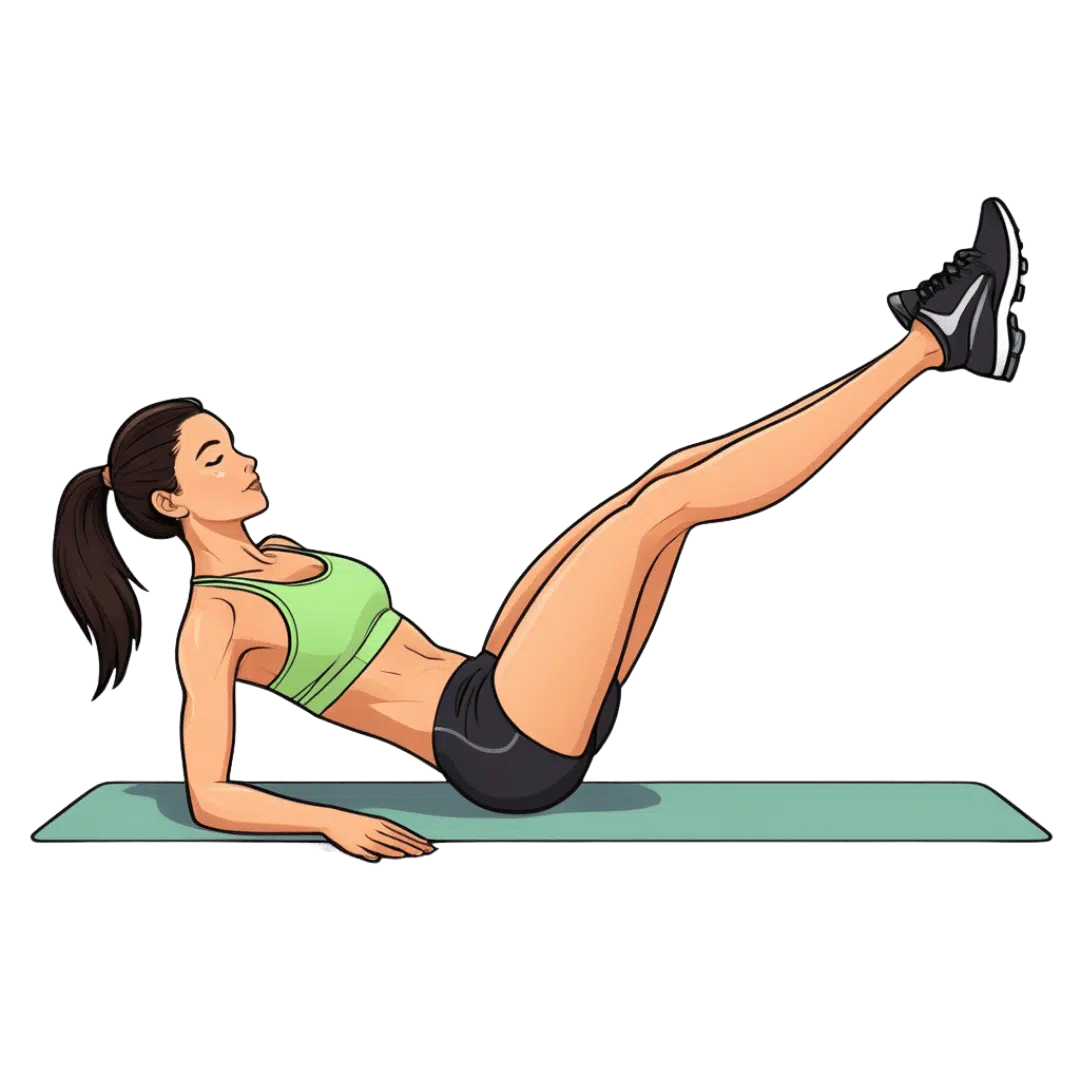
- Windscreen wipers: sit with your back supported and your feet elevated; slowly rotate your legs from side to side to improve hip rotation; use a towel under your hips if needed.
- Wall spider walk: place your fingers on a wall and “walk” them upwards, stepping slightly closer to gain more range; walk back down slowly to strengthen your shoulder control.
- Squat with a stick: hold a broom handle braced against a doorway; sink into a squat while keeping your back straight; progress by stepping further away and eventually raising your arms overhead to mobilise your shoulders and thoracic spine.
- About endurance: this one’s quite simple, and easiest for most people—walking is recommended because it boosts your cardiovascular health, muscle mass, and bone density while being gentle enough for daily practice. A methodical way to go about it is to track your daily steps for two weeks to establish your baseline, then increase that baseline by 5% every two weeks so your cardiovascular system adapts without stressing your tendons.
For more on all of this plus visual demonstrations of the exercises, enjoy:
Click Here If The Embedded Video Doesn’t Load Automatically!
Want to learn more?
You might also like:
Mobility For Now & For Later: Train For The Marathon That Is Your Life!
Take care!
Don’t Forget…
Did you arrive here from our newsletter? Don’t forget to return to the email to continue learning!
Recommended
Learn to Age Gracefully
Join the 98k+ American women taking control of their health & aging with our 100% free (and fun!) daily emails: