
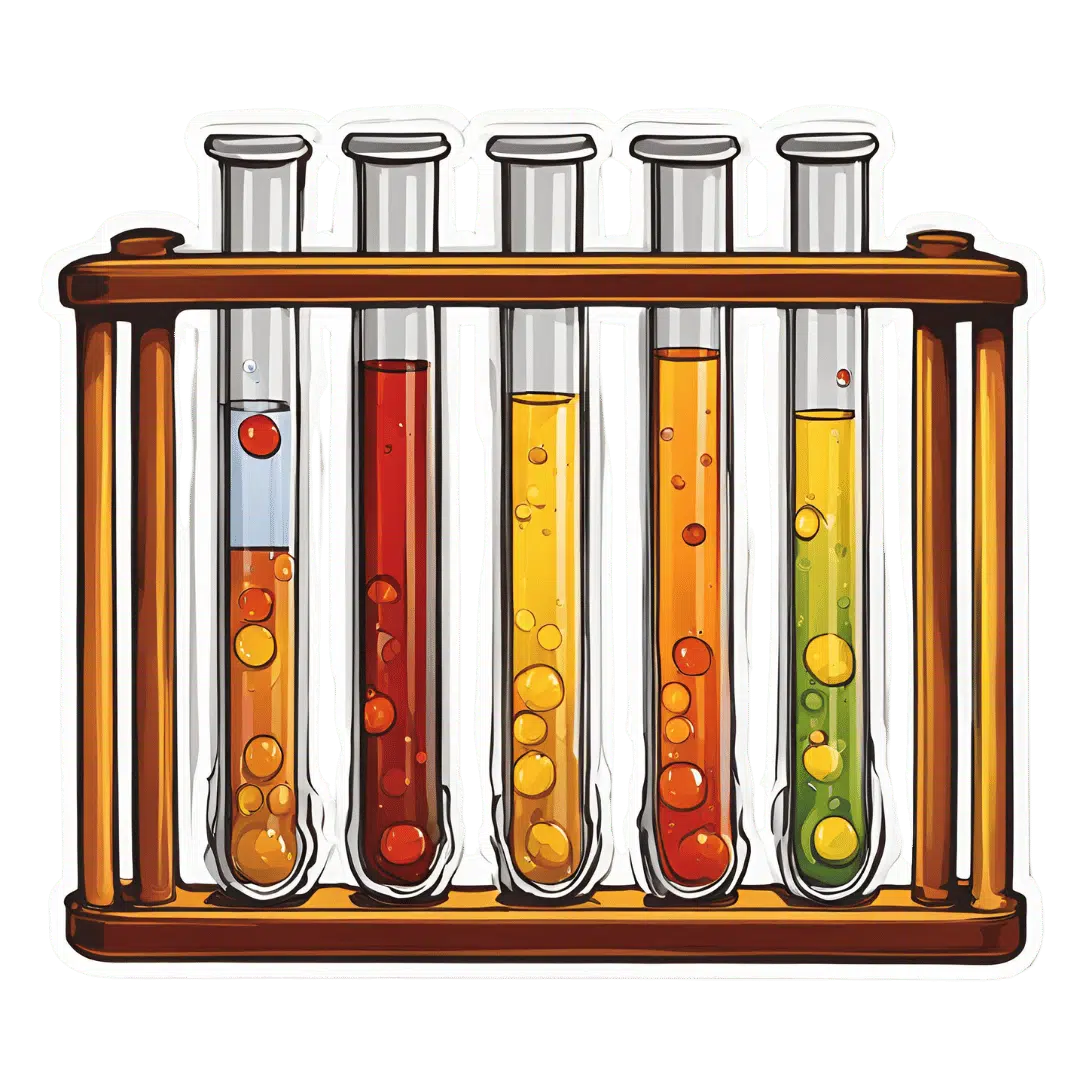
12 Things Your Urine Says About Your Health (Test At Home)
10almonds is reader-supported. We may, at no cost to you, receive a portion of sales if you purchase a product through a link in this article.

Urine has been used to assess health since Ancient Egypt (fun fact: because of Egyptian language having multiple sounds that get transliterated to “a” in English, the condition of passing blood in one’s urine was known as “Aaaaa” ← this word has three syllables; “Aa-a-aa”).
Modern techniques are more advanced than those of times past (for example, diabetes is no longer diagnosed by a urine taste-test), but basic urine inspection is still a very useful indicator of many things. Recognizing changes in urine can even help detect life-threatening conditions early:
Traffic lights?
How urine works: water that we consume is absorbed into the bloodstream and filtered by the kidneys. Urine is essentially blood with actual the blood cells filtered out and/or broken down. The yellow color comes from urochrome, produced during red blood cell breakdown. Here’s how things can happen a little differently:
- Fluorescent yellow: caused by excess vitamin B2 from supplements; harmless.
- Red urine: can indicate blood (bladder cancer, UTIs), hemoglobin, or myoglobin; seek medical attention.
- Dark brown/tea-colored urine: may result from muscle damage or blood cell destruction; requires evaluation.
- Orange urine: caused by dehydration, medications, or liver/bile duct issues (if paired with pale stools).
- Purple urine: UTI bacteria produce pigments that can cause this; treatable with antibiotics.
- Green urine: rare; caused by medications or dyes like methylene blue.
- Frothy/foamy urine: indicates high protein levels, often from kidney damage (e.g. per diabetes and/or hypertension).
- Crystal-clear urine: suggests overhydration, which can dangerously lower sodium levels.
- Dark yellow/amber urine: may mean dehydration; drink more water to maintain a light yellow color.
- Not peeing enough: may indicate severe dehydration or kidney failure; urgent medical attention needed.
- Peeing too much: often linked to diabetes or excessive water intake; can lead to dehydration or low sodium.
- Color-changing urine: port wine color signals porphyria; black urine indicates alkaptonuria (oxidation of homogentisic acid). Both are serious.
Bonus: if you eat a lot of beetroot and then your urine is pink/red/purple, that’s probably just the pigments passing through. If it persists though, then of course, see above.
For more on each of these, enjoy:
Click Here If The Embedded Video Doesn’t Load Automatically!
Want to learn more?
You might also like to read:
Why You Don’t Need 8 Glasses Of Water Per Day
Take care!
Don’t Forget…
Did you arrive here from our newsletter? Don’t forget to return to the email to continue learning!
Recommended

Learn to Age Gracefully
Join the 98k+ American women taking control of their health & aging with our 100% free (and fun!) daily emails: