These 6 Mobility Tests Expose Your Weak Spots (With Fixes!)
10almonds is reader-supported. We may, at no cost to you, receive a portion of sales if you purchase a product through a link in this article.

Can you do these?
6 things to check
We’ll not keep them a mystery! They are…
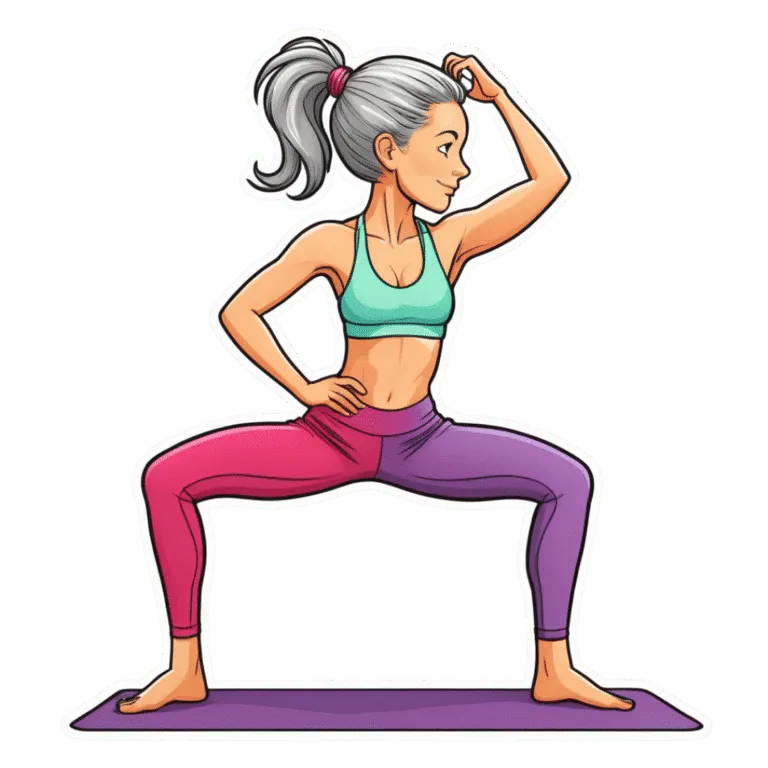
- Deep squat: lower into your deepest comfortable squat and hold for 30 seconds with your heels flat, hips below your knees, and no support; reach your arms forward and make small foot adjustments for balance as needed.
- Ankle mobility: place your big toe one hand’s width from a wall and drive your knee forward until it touches the wall without lifting your heel or allowing your knee to collapse inward; test both sides.
- Overhead hang: grip a bar approximately shoulder-width apart, lift your feet, and hang for 30 seconds; this tests overhead shoulder mobility and tolerance, as well as grip endurance.
- Single-leg hip hinge: stand on one leg with the standing knee as straight as possible, push your hips back, lean your chest forward, and reach your fingertips toward the floor while extending your other leg behind you; keep your hips from opening dramatically to one side.
- Upper-back rotation: half-kneel beside a wall and rotate your upper body while sliding your moving hand along the wall; keep your hips and lower body still without excessively arching your lower back, and test both sides.
- Active hip mobility: sit near the front of a chair with your feet flat and thighs roughly parallel to the floor, then lift one ankle across the opposite thigh into a figure-four position without using your hands to lift or return the leg; test both sides.
How to score them: award one point for the squat and hang, and half a point per successful side for the other four tests, giving a total out of six; five or six suggests good movement control across most areas, three or four identifies areas for improvement, and zero to two provides starting points for mobility work.
As for how to improve: if you didn’t get a good score in one or more of those then practise (as applicable) supported low squats, deficit calf raises, assisted hangs, B-stance Romanian deadlifts, side-lying upper-back rotations, and seated or floor-based figure-four movements to gradually build strength and controlled range of motion.
For more on all of these plus visual demonstrations, enjoy:
Click Here If The Embedded Video Doesn’t Load Automatically!
Want to learn more?
You might also like:
3 Strength Tests Everyone Aged 50+ Should Pass (Do You?)
Take care!
Don’t Forget…
Did you arrive here from our newsletter? Don’t forget to return to the email to continue learning!
Recommended
Learn to Age Gracefully
Join the 98k+ American women taking control of their health & aging with our 100% free (and fun!) daily emails: