

Your Daily Dose Of B12 From Just 15g Of Pea Shoots!
10almonds is reader-supported. We may, at no cost to you, receive a portion of sales if you purchase a product through a link in this article.

…and other items from this week’s health news:
Efficient and inexpensive B12-bearing pea shoots
Because plants don’t create vitamin B12, and meat and dairy carry assorted health risks, what’s a person to do, who wants to be healthy?
Well, there is yeast, which has the best of both worlds, but maybe you don’t want nutritional yeast with every meal. There’s supplementation too, but wouldn’t it be nicer to get it from our diet?
Researchers (Dr. Bethany Eldridge et al.) have found an answer, having developed pea shoots that naturally contain high levels of vitamin B12 using indoor aeroponic farming.
How it works: much like how cows are supplemented with B12 that is then passed on to humans to eat them, they simply supplemented the pea plants, via their exposed roots in an aeroponics setting. Drawing nutrients up from the roots, the leaves accumulated enough B12 that a 15-gram serving of pea shoots provides more than the recommended daily allowance of vitamin B12.
The researchers estimate adding B12 through this method could increase the price of a bag of pea shoots by less than 1 penny, making it extremely inexpensive at scale:
Read in full: New aeroponic technology delivers essential Vitamin B12 through salad crops ← small error in the article; it says cyanocobalamin is the most bioavailable form of B12; it isn’t, that would be methylcobalamin or adenosylcobalamin. However, they did test the cyanocobalamine stored in the pea shoots and found that it was bioavailable, including after harvesting and storage. To be clear, the “most bioavailable” claim error was only in the pop-science article, not in the paper to which it links.
Related: Which B Vitamins? It Makes A Difference
Worse than “just” measles
Measles is bad enough already, to the point that it has a body count in the US in the past year, mostly unvaccinated children.
However, even if one recovers from an initial measles infection, there’s another problem that can strike later.
Subacute sclerosing panencephalitis (SSPE) is a rare but usually fatal neurological disease caused by the measles virus persisting in the brain for years after the original infection. Early signs often include stumbling, personality changes, jerking movements, seizures, hallucinations, and gradual loss of speech and mobility as brain damage progresses. The disease usually worsens steadily, leading to severe disability such as paralysis or inability to swallow, and it is almost always fatal.
Again, children suffer most. Or rather, the adolescents that these children briefly survived to become. That’s because children who catch measles very young—especially before age 5 or during infancy—have the highest risk of later developing SSPE.
Due to declining vaccinations in the US and parts of Europe, clinicians have begun seeing cases again after decades when they were extremely rare, including a California child who died after contracting measles as an infant. Doctors expect many more SSPE cases to appear in years to come as the “delayed echo” of the recent waves of infections.
Some quick notes on treatment and prevention:
- Treatment: doctors currently have no cure for SSPE, and available therapies only slow the disease slightly rather than reversing brain damage.
- Prevention: the two-dose measles vaccine dramatically reduces infection risk—from about 90% to roughly 3% after exposure—making vaccination the most effective way to prevent SSPE entirely.
Read in full: Doctors warn of a deadly complication from measles outbreaks
Related: Vaccine Mythbusting
Save money, save your heart
What’s better, simple red meat, or plant-based meats?
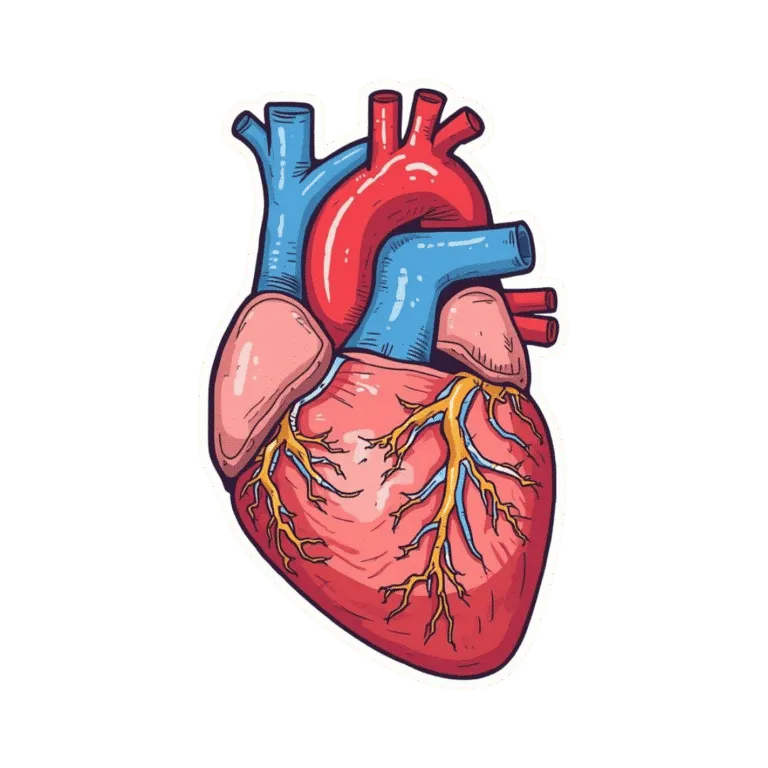
Research (linked below) has answered this question and found that replacing red meat with processed plant-based meat substitutes significantly (and rapidly!) lowers levels of the cardiovascular-risk metabolite trimethylamine N-oxide (TMAO).
The benefits at a glance:
- TMAO levels: the plant-based meat diet significantly lowered circulating TMAO levels compared with the red-meat diet by about 0.61 log units, showing that the metabolite can change within only a few days of dietary substitution.
- Cholesterol changes: during the plant-based phase, total cholesterol dropped by about 7 mg/dL and LDL cholesterol by about 6 mg/dL, although the trial was powered primarily to detect TMAO changes rather than lipid outcomes.
Were there any drawbacks? Yes, two:
- Participants gained an average of 0.6 kg during the plant-based phase, which researchers suggested may reflect fluid retention from the higher sodium content of processed plant-based patties. In practical terms, this means that…
- one can still have too much of a good thing, and while the swap is a mostly healthier one, it’s still important to watch the sodium levels, and
- if you are going to consume more sodium for some reason (most of us will have a saltier meal once in a while), it’s good to balance that with water and non-sodium electrolytes, especially potassium, which counterbalances sodium in the body’s homeostatic system.
- A few participants reported mild gastrointestinal symptoms, including abdominal discomfort and diarrhea, during the plant-based diet phase. Basically, since this was an interventional trial, this was a case of “people who aren’t used to eating plant-based don’t yet have a gut that’s accustomed to plant-based fiber levels“, and would not be relevant after a short period, when the gut adapts.
Read in full: Swapping red meat for plant-based meat rapidly lowers a key heart risk metabolite, trial finds
Related: Are plant-based burgers really bad for your heart? Here’s what’s behind the scary headlines
Take care!
Don’t Forget…
Did you arrive here from our newsletter? Don’t forget to return to the email to continue learning!
Learn to Age Gracefully
Join the 98k+ American women taking control of their health & aging with our 100% free (and fun!) daily emails: