
Are You Making This Warm-Up Mistake?
10almonds is reader-supported. We may, at no cost to you, receive a portion of sales if you purchase a product through a link in this article.

The most common warm-up mistake that people make is, of course, not warming up.
The second most common warm-up mistake people make, however, is this:
It’s about joints, and…
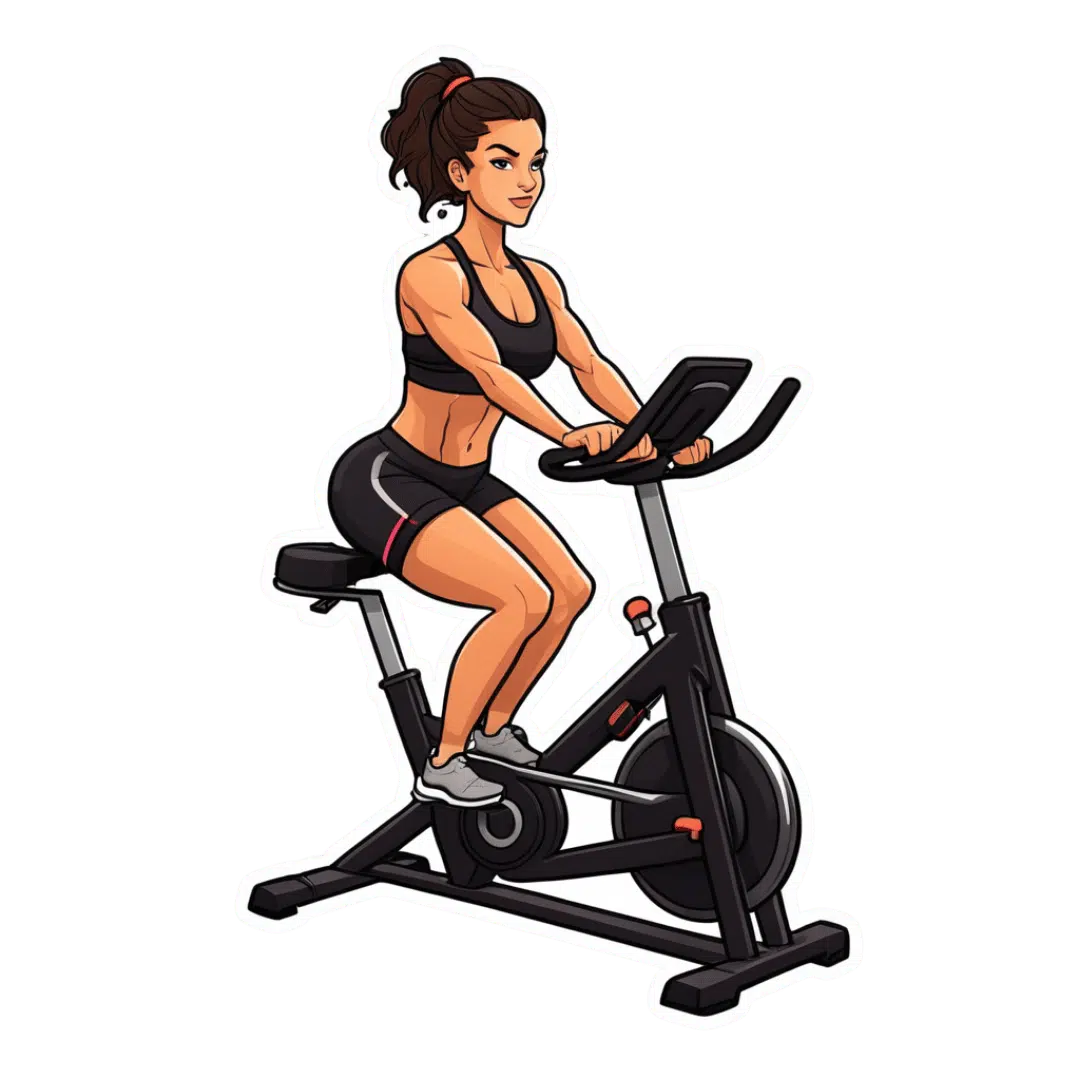
Why the stationary bike is a poor warm-up after 50: cycling raises your heart rate but does not prepare your joints, muscles, or movement patterns for resistance training unless you are about to cycle.
That’s the example in the video, but it also goes for other forms of cardio-centric warm-up that don’t address joints, muscles, and movement patterns as appropriate.
In short: your warm-up should closely match the movements and loads you will use in your workout.
So, how best to do that, without it amounting to going straight into the exercise without warming up because the warm-up is already the exercise?
- First, practice the movement pattern: start with the exact exercise you plan to do using no resistance, then gradually increase the load in small steps to prepare your brain and your muscles.
- Next, mobilize stiff or vulnerable joints: identify your personal “sticky” areas and mobilize them before training to reduce injury risk.
Some examples he gives:
- Goblet squat workup: do bodyweight squats, then lighter sets, then a few reps near your working weight before resting briefly and starting your first full set.
- Ankle mobility for squatting: chair-supported ankle dorsiflexion helps improve knee-over-toe movement and squat depth.
- Hip and knee mobility drill: a simple supine sequence of straightening, bending, and hugging your leg to your chest improves full-range hip and knee motion.
- Lower-back preparation: gentle side-to-side leg rotations while lying on your back expose your pelvis and lumbar spine to safe movement before lifting.
To be clear, he recommends to focus only on the drills that match your problem areas and do them briefly before your workout or before troublesome exercises.
For more on this, plus visual demonstrations of some examples, enjoy:
Click Here If The Embedded Video Doesn’t Load Automatically!
Want to learn more?
You might also like:
Overdone It? How To Speed Up Recovery After Exercise
Take care!
Don’t Forget…
Did you arrive here from our newsletter? Don’t forget to return to the email to continue learning!

Learn to Age Gracefully
Join the 98k+ American women taking control of their health & aging with our 100% free (and fun!) daily emails: